Running a taqueria in Naperville looks effortless from the dining room—hot tortillas landing in baskets, salsas tasting freshly blended, and a rhythm that seems to glide from lunch to dinner. Behind the counter, though, success relies on solving a hundred small problems that shift with the weather, the day of the week, and the beat of the neighborhood. Operators juggle staffing, sourcing, equipment, and community expectations while keeping the food consistent. If you’ve ever scrolled a restaurant’s keyword and wondered how it all comes together on a Tuesday in February or a Saturday in June, here’s a look at the operational challenges that define the work.
Seasonality and demand swings
Naperville’s calendar pulls foot traffic like a tide. Weeknights can be steady; weekends can flip from sleepy to slammed depending on school schedules, sports tournaments, and downtown events. Summer brings patio crowds and late-night snacks, while winter shrinks stroll time on the Riverwalk and shifts a bigger share of sales to takeout. The challenge is staffing and prepping for the right demand. Too much mise en place means waste; too little means long waits. Operators pay close attention to hyperlocal cues—the weather forecast, the timing of a parade, even a rival’s closure—to calibrate production.
Holidays add another layer. The last week of December can be a rollercoaster, with families in town and businesses on different schedules. Well-run taquerias build flexible systems: cross-training staff, preparing versatile components, and setting clear communication so a sudden surge turns into applause, not stress.
Supply chain and consistency
Great tacos live or die by consistency. Achieving that requires dependable vendors for produce, proteins, and dry goods, along with contingency plans for substitutions that won’t compromise taste. In Chicagoland winters, tomatoes and herbs may be less vibrant; smart kitchens adjust salsas to lean on roasted notes or citrus to keep flavor lively. Masa is another linchpin. If a shop relies on a specific grind or prefers in-house nixtamalization, any hiccup can ripple through the day. Staying flexible—without lowering standards—is the operator’s art.
Delivery timing matters too. Morning drop-offs reduce storage pressure and allow for same-day prep, but they demand early-staffing coverage. Evening deliveries may suit staffing, yet they must not delay opening prep or compress the grill’s bandwidth during lunch. Getting the schedule right is an ongoing negotiation with vendors and the realities of the block.
Staffing, training, and culture
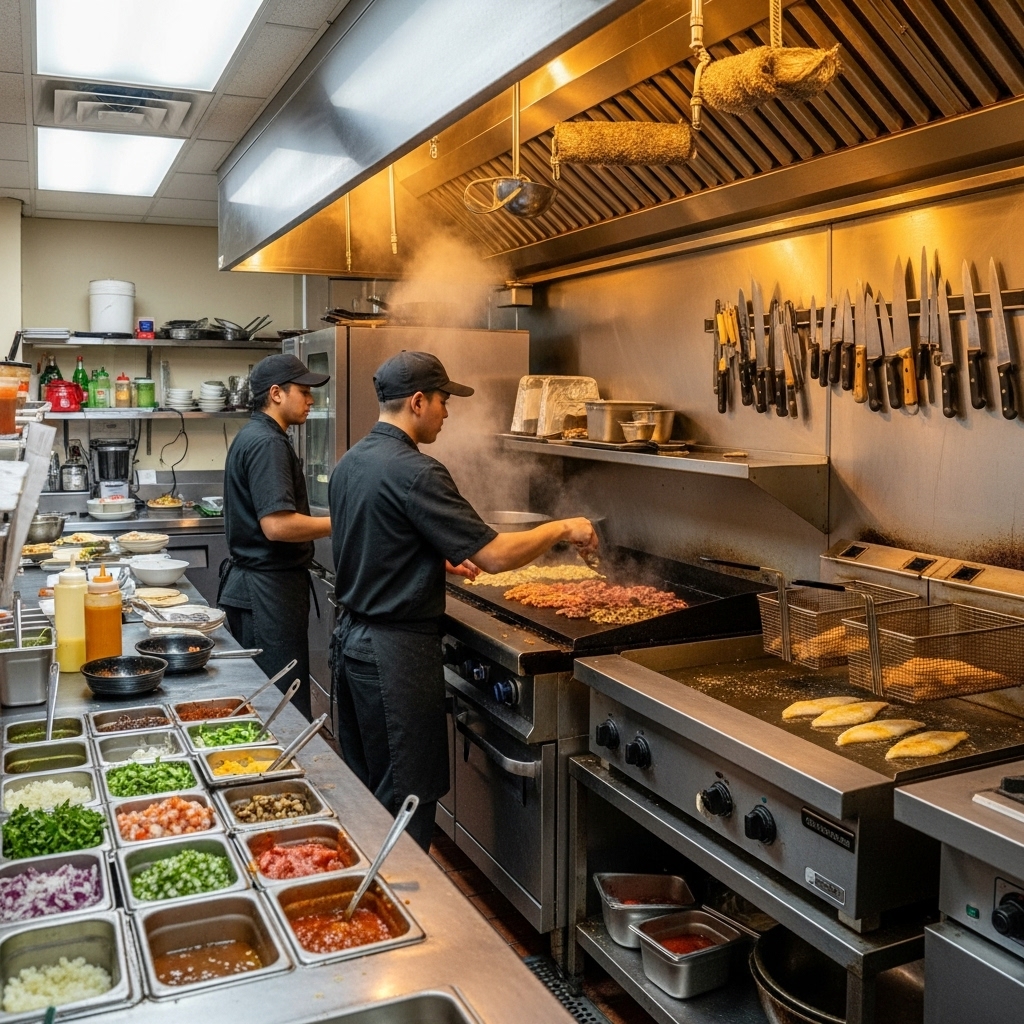
Counter-service restaurants need people who can move fast and smile while doing it. Hiring for attitude and training for skill is the usual formula, but it takes time. Taquerias with griddles, fryers, and a tortilla press require muscle memory and timing: knowing when a tortilla is ready without looking, when a steak should rest, and how to keep the salsa bar tidy during the rush. Managers invest in cross-training so a cash lead can jump to expediting, or a grill cook can step onto the line when tickets spike.
Retention hinges on culture. Clear expectations, fair scheduling, and a sense of pride in the food go a long way. When team members feel ownership—suggesting specials, tasting new salsas, and receiving feedback—they stick around, and that stability translates into smoother service and happier guests.
Space, flow, and the dance of the line
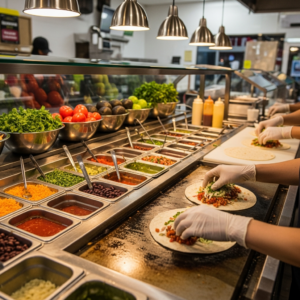
Most taquerias operate in compact footprints. Efficiency depends on where each ingredient lives, how guests approach the counter, and how completed orders exit the kitchen. Operators map out micro-movements: tongs here, tortillas there, garnishes within a single pivot. If you’ve ever watched a lunch rush that feels like choreography, you’ve witnessed months of layout tweaking. Even small changes—moving a prep table six inches—can shave seconds off every ticket, adding up to real capacity gains.
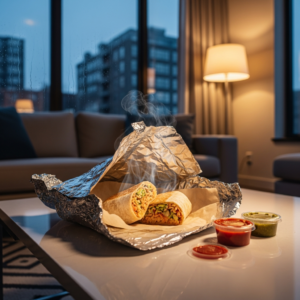
Takeout adds complexity. The kitchen must assemble travel-friendly boxes without slowing dine-in service. Smart packaging that keeps tortillas warm but dry, separates cool toppings, and prevents spills is now part of the core operation. Naperville’s commuting patterns make that non-negotiable.
Equipment reliability in Midwest weather
Winters test everything: door seals on refrigeration, fryer recovery time, and ventilation working overtime when guests crowd indoors. Summers bring different stress, with hot kitchens needing sufficient make-up air and cold stations that won’t wilt greens the moment the dinner rush hits. Preventive maintenance—changing fryer oil on schedule, cleaning hood filters, checking gaskets—pays dividends in avoided downtime. Operators often keep backup plans, like a portable flat-top or extra burners, to ride out an unexpected failure without halting service.
Health codes, safety, and trust
Compliance is more than passing inspections; it’s the backbone of guest trust. Temperature logs, sanitation checks, and allergen protocols must be second nature. Because so many families dine with children, expectations are high. Clear labeling for potential allergens, training on cross-contact, and thoughtful handling of special requests protect guests and keep the experience smooth. Consistency here is invisible when done right and glaring when neglected.
Marketing that matches the neighborhood
Word of mouth is powerful in Naperville, but it starts with delivering excellence at the counter. Beyond that, operators choose a few channels to share specials and seasonal items, focusing on authentic voices rather than splashy campaigns. The most effective outreach often happens inside the four walls: a staff member offering a taste of a new salsa, a short note near the register explaining a seasonal filling, or a handoff script that reminds guests to squeeze lime for brightness.
Pricing pressures without shortcuts
While diners don’t see the spreadsheets, operators constantly balance food costs, labor, and the desire to keep portions generous. The playbook emphasizes value through quality—corn tortillas that don’t split, salsas that taste like they were just made, and meats cooked to order. Communicating that care helps guests understand why a taqueria meal feels especially satisfying compared to generic options.
The human side of operations
Ultimately, the biggest challenge is sustaining the energy that makes a taqueria feel alive. Teams need breaks, recognition, and the occasional reset after a rough service. Naperville guests play a part too—patience during the rush, kindness when something goes sideways, and enthusiasm when the kitchen knocks it out of the park. That reciprocity keeps good places great.
FAQ: Why do lines move faster some days than others?
Demand swings, staffing levels, and even weather can affect pace. Well-run taquerias adjust on the fly, but spikes happen—especially after games, events, or train arrivals. Cross-trained teams help keep lines moving.
FAQ: How do taquerias keep takeout from getting soggy?
By packaging components strategically—warming tortillas without trapping steam, separating cool garnishes, and sealing containers that prevent leaks while allowing airflow. Pickup timing and clear labeling also matter.
FAQ: What happens when a key ingredient runs short?
Operators pivot to specials that maintain flavor integrity, adjust prep to stretch components without compromising quality, and communicate transparently with guests. The goal is to protect the experience, not just fill orders.
FAQ: How are staff trained on allergens?
With clear protocols, labeling, and rehearsed steps to avoid cross-contact. Many teams have a designated point person for special requests to ensure questions are answered accurately.
FAQ: Why do some menu items rotate?
Seasonality, supply reliability, and kitchen creativity. Rotations allow chefs to highlight peak ingredients and keep regulars engaged without overextending the line.
If you’re curious how these moving parts translate into a great meal, the best way to understand is to taste it. Take a moment to browse the keyword, then stop by, say hello to the team, and experience how thoughtful operations turn into tacos that make your day better.