Fresh, Local, and Satisfying: Vegetarian Burritos in Naperville
Naperville’s vegetarian burrito scene thrives because our markets and kitchens understand something essential: vegetables aren’t a compromise; they’re a canvas. When you build a burrito around produce at its peak—charred peppers, sweet corn, tender squash, bright greens—the result is as memorable as any meat-filled counterpart. The key is to treat vegetables like the main event, not the filler. That means heat for browning, acid for lift, and just enough richness to tie everything together. If you want a quick tour of combinations that locals love, looking over a taqueria’s menu will help you spot pairings that translate beautifully to a plant-forward plate.
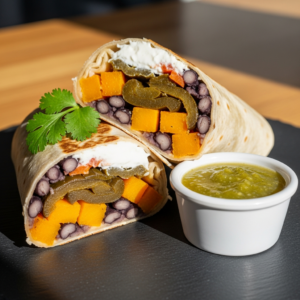
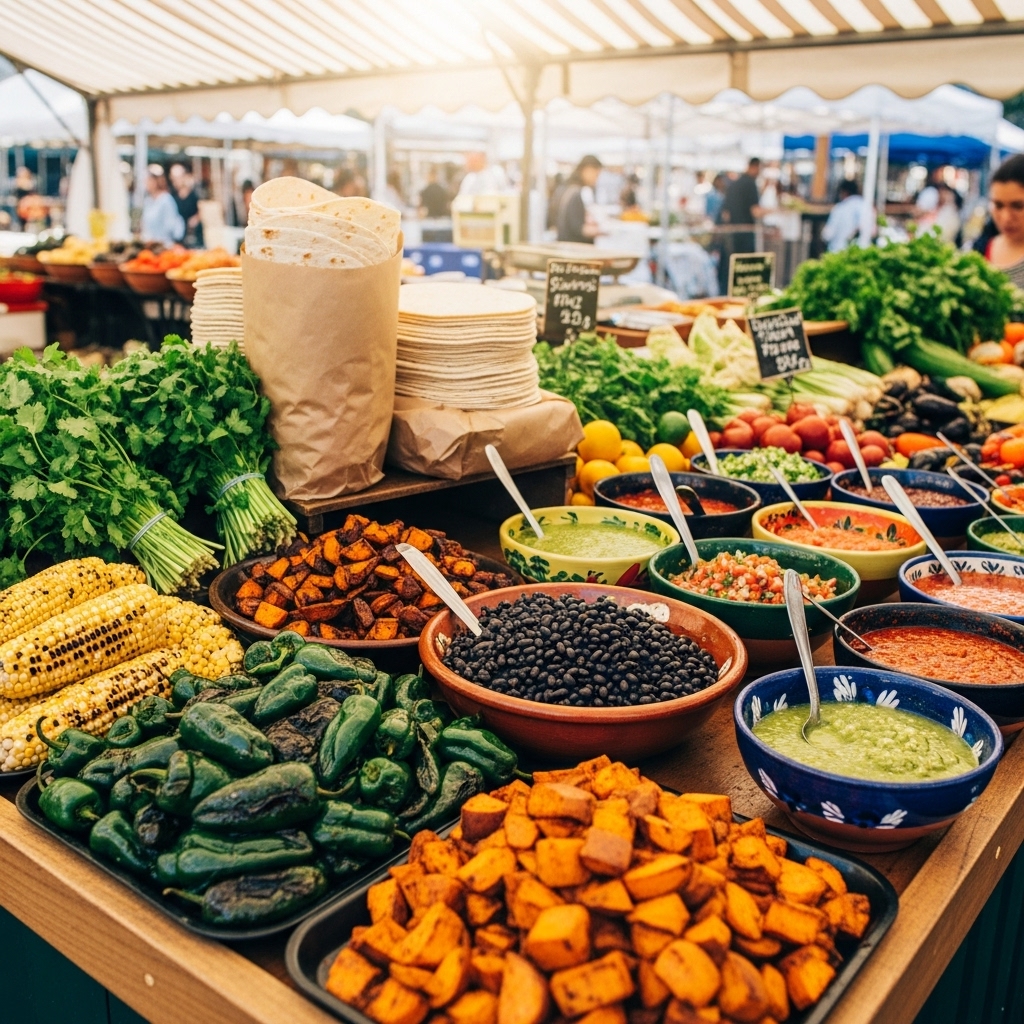
The beauty of vegetarian burritos is their adaptability. In early summer, you can layer charred zucchini, black beans, and a splash of salsa verde. Midseason, grilled corn joins the party, bringing smoky sweetness that snaps against creamy pinto beans. When fall arrives, roasted sweet potatoes and poblanos carry us toward cooler days with deeper, cozier flavors. Through it all, tortillas are warmed just-so, and lime and cilantro keep everything awake.
Choosing Produce Like a Pro
Start where flavor begins: the market. Look for peppers with glossy skins and firm flesh, zucchini that feel heavy for their size, and onions that are tight and dry. If corn is in season, choose ears with green husks and silk that smells sweet. Tomatoes should smell like tomatoes—if there’s no aroma, consider canned fire-roasted varieties for your salsas. Spinach and kale, when fresh and vibrantly colored, wilt beautifully into the warmth of a burrito, bringing iron-rich notes and body.
Texture is your guiding star. A vegetarian burrito succeeds when each bite offers contrast: the creamy base of beans, the chew of seared mushrooms or roasted potatoes, the crisp snap of cabbage or radish, the juicy sparkle of pico de gallo. Build with this in mind and you’ll never miss the meat. It’s also how you prevent heaviness; if one element leans soft, add something crisp to keep the burrito lively.
Beans as the Anchor
Beans do double duty: nutrition and structure. Pinto beans give you that familiar, comforting creaminess, while black beans bring color and a slightly firmer texture. For the best flavor, simmer beans with onion and bay leaf, then finish with a spoon of oil or butter for sheen. If you’re using canned, warm them gently with garlic, a splash of water, and a pinch of cumin. Mash some against the pan so they spread easily and bind the burrito from within.
Season beans intentionally but lightly; you’re setting a stage for vegetables that will bring their own personalities. If your vegetables are bold—think roasted poblanos or seared mushrooms—keep beans simple. If the vegetables are mild, add a touch more garlic or a squeeze of lime to the beans to perk up the base.
Salsas that Make Vegetables Shine
Salsa is where vegetarian burritos leap from good to craveable. A tomatillo and jalapeño salsa verde tastes bright and clean, perfect with zucchini and black beans. Roasted tomato salsa deepens flavors, lending a smoky backdrop that flatters sweet potatoes and mushrooms. Pico de gallo—tomatoes, onions, cilantro, lime, and a pinch of salt—belongs on nearly everything, but add it closer to serving so it stays crisp.
Balance heat to your audience. Keep a mild and a medium salsa on hand. A spoonful inside the burrito brings moisture and acidity; extra on the side lets each eater dial up the excitement. When you need pairing ideas, browsing a local burrito shop’s burrito menu can introduce combinations you might not have considered, like spinach with salsa verde or charred cauliflower with a roasted roja.
Vegetable Techniques That Build Flavor
Roasting concentrates flavors and adds caramelized edges. Toss sweet potatoes in oil and salt, roast until tender with deep color, and let them rest so their steam settles before wrapping. Searing creates meaty character: mushrooms cooked hard in a hot pan until they release their moisture and brown develop a savory backbone. Grilling peppers and zucchini gives smoke and snap; peel poblanos after charring for a silky texture. Quick pickling thin-sliced onions in lime and salt adds a bright counterpoint that refuses to fade even when tucked into warm beans.
Don’t underestimate cabbage. A simple slaw—shredded cabbage, lime, and salt—brings crunch and freshness that travels well and stays crisp. It’s especially effective with richer elements like roasted potatoes or avocado, ensuring the burrito feels balanced rather than dense.
Assembly with Intention
Warm tortillas are non-negotiable. Heat them in a dry skillet until pliable and fragrant, then stack in a towel. Spread beans in a clean stripe down the center; add rice in a thinner line to act as scaffolding. Arrange vegetables to showcase texture—soft elements first, crisp elements last—then spoon salsa along the length for even coverage. Add cilantro and a squeeze of lime. Fold sides in, roll from the bottom, and seal the seam on a warm pan for 20–30 seconds so everything holds together.
This thoughtful assembly is what keeps the first bite as clean as the last. When you cut the burrito in half, you should see layers that make sense: beans supporting, rice anchoring, vegetables shining, salsa tying the whole story together.
Seasonal Naperville Pairings
In spring, lean into asparagus tips, quick-sautéed with garlic and tucked alongside black beans and pico. Early summer brings zucchini ribbons, charred corn, and a splash of salsa verde. Mid-summer tomatoes can carry a fresh pico that needs little beyond lime and salt. As fall arrives, roast sweet potatoes and poblanos, then finish with a roasted tomato salsa and crumbled cheese if you eat dairy. In winter, bring comfort with potatoes roasted until crisp, mushrooms seared to a deep mahogany, and a bright salsa to keep the burrito from feeling sleepy.
These seasonal variations are more than novelty—they help your burrito reflect what tastes best right now. They also keep weeknight dinners interesting without demanding new techniques every time.
Feeding a Crowd, Vegetarian-Style
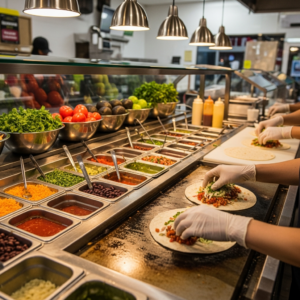
When friends come over, a vegetarian burrito spread is both generous and low-stress. Keep beans warm on the stove, rice covered, and vegetables in separate bowls to protect their textures. Offer two salsas and a bowl of lime wedges. Guests assemble their burritos to suit their preferences, and you spend more time in conversation than at the stove. It’s a format that works as well for a backyard evening as it does after a snowy afternoon when everyone wants to pile around a warm table.
For a little theater, seal each guest’s burrito seam-side down on a hot skillet just before serving. That small move gives the impression of restaurant polish while ensuring a tidy, satisfying first bite.
Keeping It Nutritious Without Preaching
Vegetarian burritos wear their nutrition lightly. Beans bring protein and fiber, vegetables deliver vitamins and minerals, and the tortilla provides comfort and portability. If you want to nudge the meal a bit lighter, reduce rice slightly and add extra crunchy elements like cabbage, radish, or cucumber. If you want to fuel a long day, add avocado for richness and a sense of completion.
Because flavors carry the day, you’ll find that even dedicated meat eaters in your life reach for these burritos without a second thought. The meal feels complete without feeling heavy, and that is a kind of everyday luxury.
FAQ: Your Vegetarian Burrito Questions
Neighbors often ask the same questions when they start cooking or ordering vegetarian burritos. Here are the answers that keep meals delicious and easy.
How do I keep vegetarian burritos from tasting flat?
Use acid and contrast. Lime brightens, pickled onions add punch, and a vibrant salsa provides energy. Ensure at least one crunchy element to balance soft components, and don’t be shy with herbs like cilantro.
Which beans are best for vegetarian burritos?
Pinto beans offer comforting creaminess, while black beans bring color and firmer texture. Mix them if you like. What matters most is seasoning gently and mashing some to create a spread that binds the burrito.
Can I make a good vegetarian burrito without cheese?
Absolutely. Richness can come from avocado, a drizzle of good olive oil, or the natural silkiness of well-cooked beans. Focus on browning vegetables and using bright salsas to keep each bite satisfying.
What vegetables hold up best in takeout or make-ahead burritos?
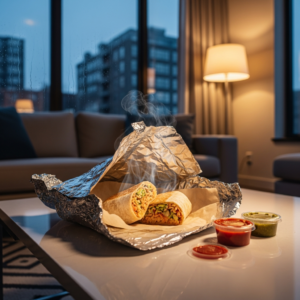
Roasted sweet potatoes, seared mushrooms, and grilled zucchini maintain texture well. Add crisp elements like cabbage at the end to preserve crunch. Keep the wettest salsas on the side if the burritos will sit.
How should I warm tortillas for the best texture?
Use a dry skillet over medium heat until the tortilla is pliable and fragrant, 10–20 seconds per side. Stack in a clean towel to hold warmth while you assemble. Sealing the seam on a hot pan after rolling keeps everything tidy.
Ready to Cook or Order Tonight?
Whether you’re picking up produce at your favorite market or assembling at home on a busy evening, a thoughtfully built vegetarian burrito can be both vibrant and comforting. If you’re looking for ideas before you shop or order, skim a local taqueria’s full menu for combinations that spark your appetite, then bring that inspiration to your next Naperville burrito night.