Naperville lives by the seasons. You feel it on the Riverwalk in April when the first warm breeze coaxes everyone outside, and you feel it in January when a lake-effect gust reminds you to park close and move fast. Tacos follow those rhythms, too. What thrills on a muggy July evening isn’t the same thing that comforts after a November playoff game. Over the years, I’ve learned to think of tacos as a seasonal language: the proteins, salsas, and tortillas shift subtly with the weather and with the city’s calendar. If you want to plan your next meal with that rhythm in mind, open the taco menu and imagine how each choice lands in spring sun, summer heat, fall color, and winter frost.
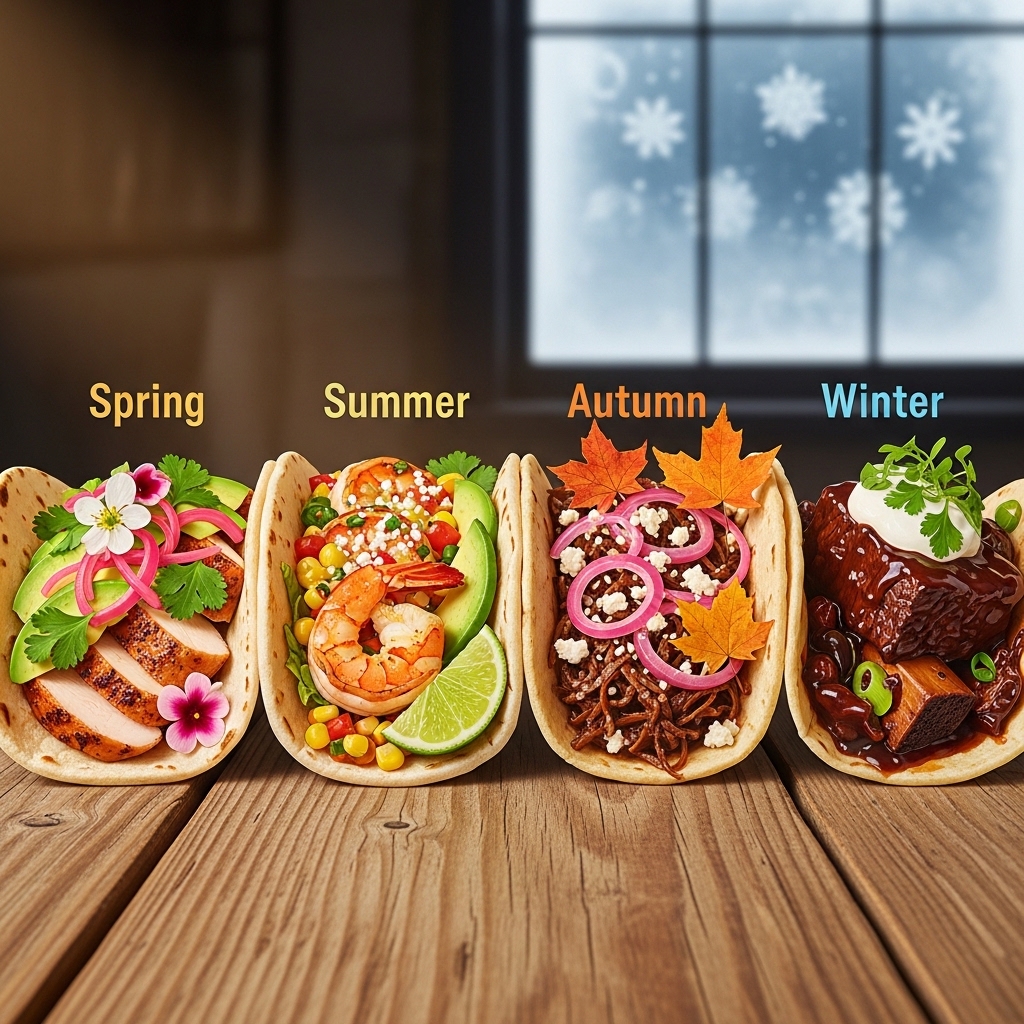
Spring in Naperville is a season of patience and payoff. The snow finally gives way, but mornings stay cool. On those in-between days, tacos that balance warmth and brightness hit the spot. Think grilled chicken with a citrusy salsa verde, or carnitas finished on the plancha for a caramelized edge and topped with radish for fresh crunch. Spring also marks the return of longer walks downtown and more outdoor tables. With that comes a bit of travel time from counter to bench; sturdy tortillas and restrained saucing ensure each bite keeps its structure. Early-season produce can be delicate, so kitchens often roast or char tomatoes and peppers to amplify their flavor while we wait for summer abundance.
Summer: bold flavors and outdoor eating
Once June settles in and the Riverwalk is lively, tacos go big and refreshing. This is the moment for slaws with crisp cabbage, pico de gallo that tastes like sunshine, and shrimp or fish that love a squeeze of lime. Heat-loving chilies shine, and menus stretch to include specials that lean fruity—mango, pineapple, or grilled corn. Outdoor eating brings texture challenges: humidity softens tortillas, and sauces can pool if you’re not careful. Eat crispy items quickly, and ask for salsas on the side to control moisture. Bring a small cooler bag if you’re picnicking; it’s the difference between “just right” and “why is everything warm but soggy?”
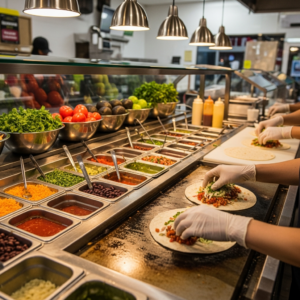
Summer also means events—concerts, neighborhood block parties, kids’ tournaments. Crowd-friendly tacos need to be portable and forgiving. Grilled meats and veggie options that can sit for a few minutes without losing their charm are ideal. If you’re hosting, set up a build-your-own station and keep salsas on ice in shallow bowls. Weather can turn in a snap, so shelter both people and food from sudden heat. That extra bit of planning keeps tacos fresh and guests lingering happily in the shade.
Fall: harvest tones and game-day energy
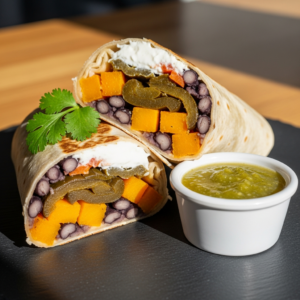
Fall in Naperville runs on color and comfort. Trees flame along the paths, and Friday nights glow under stadium lights. Tacos shift toward deeper flavors: barbacoa with a roasted chili salsa, roasted mushrooms or squash with warm spices, and carnitas that pair beautifully with pickled onions for brightness. The air is drier, which helps tortillas hold texture longer, and the walk from curbside pickup to the car doesn’t turn lettuce limp like it can in July. This is also a fantastic time for birria, which warms you up from the inside and turns a tailgate into an occasion.
For weekend gatherings, think ahead about reheating. Many fall events sprawl from afternoon into night, and tacos do best when you plan for a second serving. Keep proteins warm in low ovens, refresh tortillas on a hot skillet, and hold back some fresh garnish to revive plates later. Guests arriving after a game will thank you for tacos that feel composed rather than tired.
Winter: structure and warmth
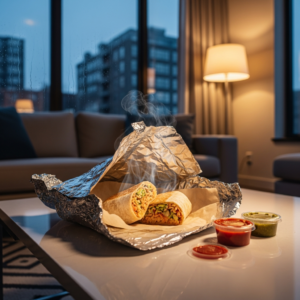
Winter in Naperville asks for sturdier tacos. Braised meats, roasted vegetables, and rich salsas carry the day when the wind cuts across the parking lot. Corn tortillas can stiffen fast in the cold, so request an extra wrap or a little more time on the plancha and eat promptly. For takeout, minimize the distance between door and car, and keep containers closed until you’re inside—brief temperature shock can turn a soft tortilla brittle. Seafood can still shine in winter, but treat it as a dine-in choice for best texture; crispy fish loses its armor in a steamy box on a subfreezing night.
Winter is also the season for careful spice. Chilies warm you up, but “medium” can feel hotter when you’re cold and hungry. Start conservatively and add heat in measured spoons. Rich salsas made from dried chilies bloom in winter; they’re complex, toasty, and forgiving in storage, making them ideal for leftovers that turn into next-day breakfast tacos.
Matching events to taco styles
Naperville’s calendar is dotted with festivals, school concerts, charity runs, and community celebrations. Each asks for a slightly different taco strategy. For a portable lunch while strolling downtown, choose sturdy tortillas, balanced saucing, and fillings that don’t drip. For backyard gatherings, pick a couple of proteins that reheat well and two salsas that cover mild and hot. For post-game meals, lean hearty and predictable—hunger wants comfort. And whenever you can, preview options on the Naperville taco menu so you’re not making decisions in a rush.
If you’re planning a winter holiday spread, assemble a taco bar that invites guests to build with warm elements first and add crisp garnishes last. Keep limes whole until serving; they stay juicier. If the plan includes a walk around the holiday lights, eat first or bring a small insulated bag to keep a few tacos warm while you stroll. For spring picnics after a charity 5K, pick light, bright tacos and pack extra napkins—your future self will be grateful.
Choosing tortillas by season
Corn and flour behave differently as weather shifts. In summer humidity, flour tortillas get soft quickly; corn holds structure better if toasted well. In dry winter air, flour stays pliable longer, while corn needs careful reheating to avoid cracking. Ask for extra toasting on corn in winter and consider double-wrapping for juicy fillings. In spring and fall, both perform beautifully with a good warm-up and mindful saucing.
For larger gatherings, a mix covers all bases. Offer corn for assertive, chili-forward tacos and flour for soft, comforting bites. Label salsas clearly and keep the hottest one slightly out of the center so people engage with it mindfully. These small traffic patterns at the table reduce waste and keep the meal flowing.
Reheating and storage by weather
Storage practices change with the seasons. In summer, chill components quickly to prevent sogginess and food fatigue. In winter, the fridge can run colder, stiffening tortillas—so keep them wrapped and reheat on a dry skillet right before serving. Braised meats are the leftovers MVP across all seasons; they don’t punish you for imperfect timing. Fresh slaws are summer-only save; in winter, swap for pickled onions or radishes that hold better overnight.
When you must reheat crispy items, use dry heat: oven or air fryer. Microwaves inject steam, which summer humidity only amplifies. If you do use a microwave in winter because it’s the fastest path to warmth, re-crisp briefly in a skillet afterward to restore bite.
Flavor maps for seasonal moods
Spring asks for acid and herbs. Summer calls for crunch and chill. Fall craves smoke and depth. Winter wants warmth and structure. Map your choices accordingly. In spring, a squeeze of lime and a shower of cilantro make everything sing. Summer loves creamy counterpoints like a touch of crema against spicy salsa. Fall rewards roasted notes—think chipotle or ancho. Winter harmonizes with guajillo-based sauces, slow-cooked meats, and toasted tortillas that bring a nutty note to each bite.
Drinks and sides can play along. In hot weather, tangy slaws and bright salsas refresh. In cold weather, beans and warm tortillas feel right. For big events, keep sides simple and choose a spectrum of textures: something crisp, something creamy, something hearty. That trio keeps the table interesting without overcomplicating your shopping list.
Neighborhood nuances
Different parts of town lean into different seasonal habits. Downtown, you’ll see more seafood in summer and birria in winter. Near the business parks, lunch crowds favor grilled meats and veggie tacos that travel well year-round. South-side families build plans around weeknight routines, so they choose fillings that reheat cleanly. Campus-adjacent blocks skew spicy in fall when students return and crave bold flavors. Recognizing these patterns helps restaurants tailor specials and helps you order with confidence wherever you land in town.
Planning for weather curveballs
Naperville weather loves a surprise. A blue-sky Saturday can turn stormy by dinner; a mild November afternoon can freeze at nightfall. Order with flexibility. If rain threatens, skip fried fish unless you’ll eat immediately. If an unexpected chill rolls in, pivot to braised meats and a richer salsa. Keep a small kit in the car—cloth napkins, a towel for insulation, and a reusable bag—so you can adapt on the fly without sacrificing texture or creating unnecessary waste.
FAQ
Q: Which tacos are best for hot summer nights?
A: Grilled shrimp or fish with bright slaw, chicken with citrusy salsa verde, and veggie tacos with crisp cabbage. Ask for salsas on the side to control moisture outdoors.
Q: What should I order for a winter pickup that has a 15-minute drive?
A: Braised meats like carnitas or barbacoa, with tortillas and garnishes packed separately. Rewarm tortillas at home for structure and serve immediately.
Q: How do I plan tacos for a picnic by the Riverwalk?
A: Use a small cooler bag. Keep proteins and tortillas warm on one side, salsas and greens cool on the other. Assemble at your spot to protect texture.
Q: Are seafood tacos only a summer thing?
A: They shine in summer but work year-round if eaten promptly. For winter, consider dining in so crisp elements stay crisp.
Q: What salsas fit fall flavors?
A: Roasted chili salsas with ancho or chipotle pair well with barbacoa, mushrooms, and squash, bringing warmth without overwhelming heat.
Q: How can I keep a game-day spread tasty over several hours?
A: Hold proteins warm, refresh tortillas on a skillet, and stagger bringing out fresh garnishes so each round feels lively.
Q: Do corn or flour tortillas fit specific seasons better?
A: Corn excels in humid summer when toasted well; flour stays pliable in dry winter air. Mix and match based on fillings and weather.
When you let the calendar guide your tacos, you’ll find that each season has its own voice—and that listening makes meals more satisfying. For your next plan, skim the menu, choose tacos that fit the weather and the moment, and enjoy the feeling of eating right in step with Naperville’s changing skies.