When Good Tacos Go Sideways
Even in a food-loving town like Naperville, the occasional taco hiccup happens. Maybe you pick up dinner after a walk along the Riverwalk and by the time you get home the tortillas have softened more than you would like. Perhaps the salsa you chose turned out hotter than expected, or the drive across town left the textures a bit muddled. None of this means you picked the wrong meal; it simply means you can apply a few practical fixes. As someone who has ferried plenty of taco orders from Downtown to neighborhoods off 95th Street and back again, I can promise that small adjustments go a long way. The first step is knowing why issues arise and how to solve them quickly—with no special equipment and hardly any extra time. And if you need inspiration for your next order, a glance at the menu can help you plan smarter from the start.
Think about tacos as a harmony of textures: tender protein, lively crunch, and a warm, pliable tortilla. When one element drifts out of tune, the whole song feels off. The aim is to protect that balance from the moment your order is packed until the last bite at home. A little ventilation here, a separate container there, and the difference is night and day.
Problem: Soggy Tortillas
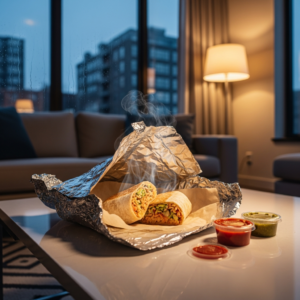
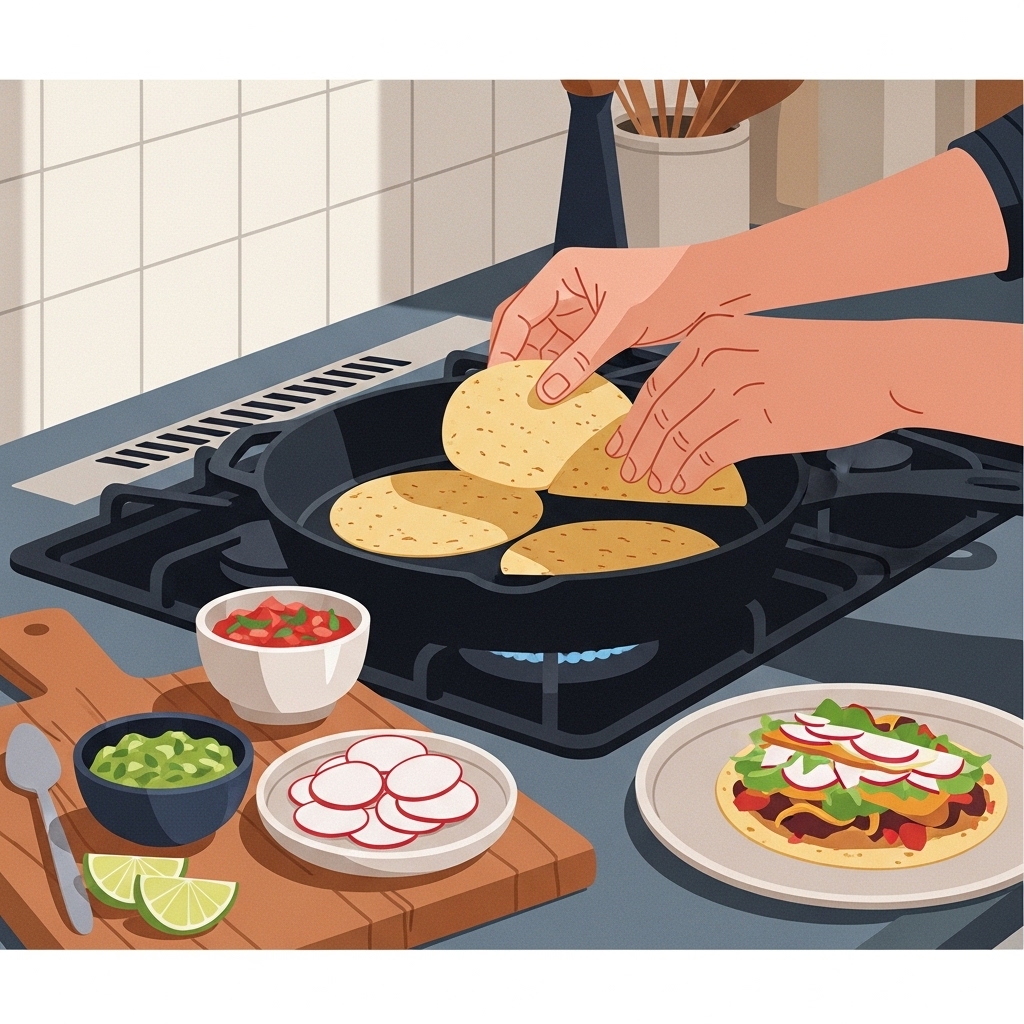
This is the most common issue, especially when steam gets trapped in the takeout bag. Warm tortillas plus warm fillings plus a sealed container equals condensation that rains back down and softens everything. It is not the food’s fault; it is physics. The fix starts at pickup: ask for salsas and juicy garnishes on the side. At home, give tortillas a quick kiss of heat on a dry skillet. Thirty to sixty seconds is enough to reactivate aroma, tighten structure, and bring back that gentle toast. If the filling has a lot of moisture—say, a braise—build the taco just before eating so the tortilla gets minimal time in contact with the juices.
If you are carrying food across Naperville on a summer day, crack the bag slightly to let steam vent while keeping the heat. This reduces condensation without cooling the meal too fast. In winter, keep the bag closed for warmth, but assemble right away at home. The combination of timing and a quick reheat works wonders.
Problem: Fillings That Fall Apart
When a taco explodes on the first bite, it is usually because the ratio leans too heavily toward slippery components or because the tortilla cooled and lost its flexibility. The fix is in layering. Start with protein to anchor the structure, add a dry or crunchy element—cabbage or onion—then finish with salsa. This order helps fillings “grip” each other. If the tortilla has cooled, warm it briefly to restore elasticity before building. For especially juicy tacos, double up the tortilla or fold with a firmer grip along the lower third to create a pocket that holds its shape.
Another culprit is overfilling. The pleasure of tacos is pacing—two or three thoughtfully built bites, not a single overstuffed mouthful. Build with restraint, then make another. You will enjoy the textures more and avoid the mess that steals attention from the flavor.
Problem: Too Spicy (or Not Spicy Enough)
Heat is personal. If a salsa runs hotter than you expected, counter with acidity and fat. A squeeze of lime mutes the sharp edges of spice, while avocado or a light swipe of crema rounds it out. If you prefer a gentler ride, stick to pico de gallo and ask for hot salsas on the side so you can titrate by the spoonful. On the flip side, if your meal lacks spark, a sprinkle of chopped onion and a dash of a brighter salsa reawakens the palate without requiring more salt.
Teach your tongue a gradual climb. Start mild, then step into medium, then a touch of hot if you want. The goal is balance, not bravado, and tacos reward subtlety.
Problem: Temperature Swings During Transit
Naperville’s seasons create their own challenges. In winter, cold air can firm up tortillas before you reach the table. In summer, heat and humidity push everything toward softness. The fix is simple: separate wet from dry, and use small bursts of heat to restore life. Tortillas warm beautifully on a dry skillet or even directly over a low flame on a gas stove for a few seconds per side. Proteins respond well to a gentle reheat; avoid microwaving to the point of steaming, which invites sogginess.
If you know you have a long drive—say, from Downtown to the southern edge of town—consider picking up closer to mealtime or choosing fillings that hold structure well, like grilled chicken or slow-cooked beef that stays cohesive. Keep delicate slaws and herbs aside until the very last moment.
Problem: Dry or Underseasoned Fillings
Occasionally a protein will taste a touch dry, especially if it cooled in transit. Moisture is easy to add back without drowning flavors. A spoon of salsa with a bit of oil or avocado brings silkiness. A squeeze of lime resets the palate so seasoning registers more vividly. If salt seems low, add a small pinch directly to the protein before assembling the taco, then layer with onion and cilantro to brighten. Texture also rescues dryness—crisp cabbage or radish adds a pop that makes the overall bite feel juicier.
Remember, seasoning builds in layers. The tortilla brings warmth and a hint of toast, the protein delivers depth, the salsa adds structure and brightness, and the garnish supplies contrast. If one layer feels flat, lift it with its natural partner rather than overwhelming the entire taco.
Problem: Tacos That Do Not Travel Well
While tacos generally handle takeout better than many dishes, certain combinations are more travel-friendly. Crispy shells and very delicate slaws can wilt or soften during a longer ride. If you are picking up near the train station and heading to a backyard gathering on the far side of town, choose fillings that improve with a short rest—slow braises, grilled meats, and hearty vegetables. Ask for crispy elements separately and assemble right before serving. That way you get the crunch you want without gambling on transit conditions.
Packaging matters too. A container that allows minimal movement prevents fillings from sloshing into each other. Keep tortillas wrapped and warm, and load your tacos at the table. The extra minute you spend assembling pays back in texture and temperature.
Ordering Strategies to Avoid Pitfalls
Good ordering is half the battle. Scan the menu with travel in mind. If your drive is short, you have more freedom to choose delicate components; if longer, opt for sturdier combinations and sauces on the side. Consider the weather: on hot, humid evenings, emphasize crunch and acidity; in the dead of winter, choose richer, slow-cooked options that hold heat and moisture. If spice levels are a concern for a mixed group, build a balanced lineup that starts mild and lets the thrill-seekers add heat at the table.
Also think in terms of portion control. Tacos invite variety, but there is a sweet spot between abundance and overload. Plan two to three per person and a little extra for big appetites. Leftovers are easy to refresh, but ordering right reduces waste and preserves peak quality.
At-Home Touches That Make a Difference
Small touches at home elevate the experience. Warm plates keep tacos cozy for those who build slowly. A quick char on the tortilla builds aroma and resilience. Limes on the table let each person tune acidity. None of this requires special gear; it is about creating a welcoming environment for a food that rewards attention to detail. When everyone can adjust heat, crunch, and tang to taste, satisfaction rises across the board.
If you want to go a step further, prep a tiny garnish station: chopped onion, cilantro, radish, and lime wedges. Keep it simple and clean. The goal is not to complicate dinner but to empower better bites.
Frequently Asked Questions: Fixes and Know-How
Q: How do I revive tortillas that cooled on the drive? A: Heat a dry skillet and warm each tortilla for 30 to 60 seconds per side. This reactivates aroma and restores flexibility without making them brittle.
Q: What is the best way to transport tacos from Downtown to the south side? A: Vent the bag slightly to reduce steam, keep sauces on the side, and assemble at home. Choose fillings that travel well if the drive is longer than ten minutes.
Q: How do I tone down a salsa that is unexpectedly hot? A: Add lime and a creamy element like avocado to soften the heat. Build tacos with more crunchy toppings to spread out the spice across the bite.
Q: My tacos fell apart—what did I do wrong? A: Likely overfilling or building with slippery elements at the base. Start with protein, add a dry crunch, then finish with salsa. Warm tortillas help structure the bite.
Q: Are flour or corn tortillas better for takeout? A: Both work. Corn offers whole-grain character and a pleasing aroma; flour provides softness and flexibility. What matters most is warming them just before eating.
Q: How can I keep tacos interesting without making dinner complicated? A: Rotate salsas, add a crisp garnish, and alternate between a slow-cooked and a grilled protein. Small shifts keep the experience fresh.
Bring Home Better Tacos Tonight
Small fixes turn common issues into non-issues, and that is the difference between “good enough” and “can we do tacos again tomorrow?” The next time you plan dinner, think ahead about travel, temperature, and texture, then make a few simple moves at home to finish strong. When you are ready to put these tips into practice, browse the menu, choose a mix that suits your route and your table, and enjoy tacos that arrive in great shape and disappear even faster.