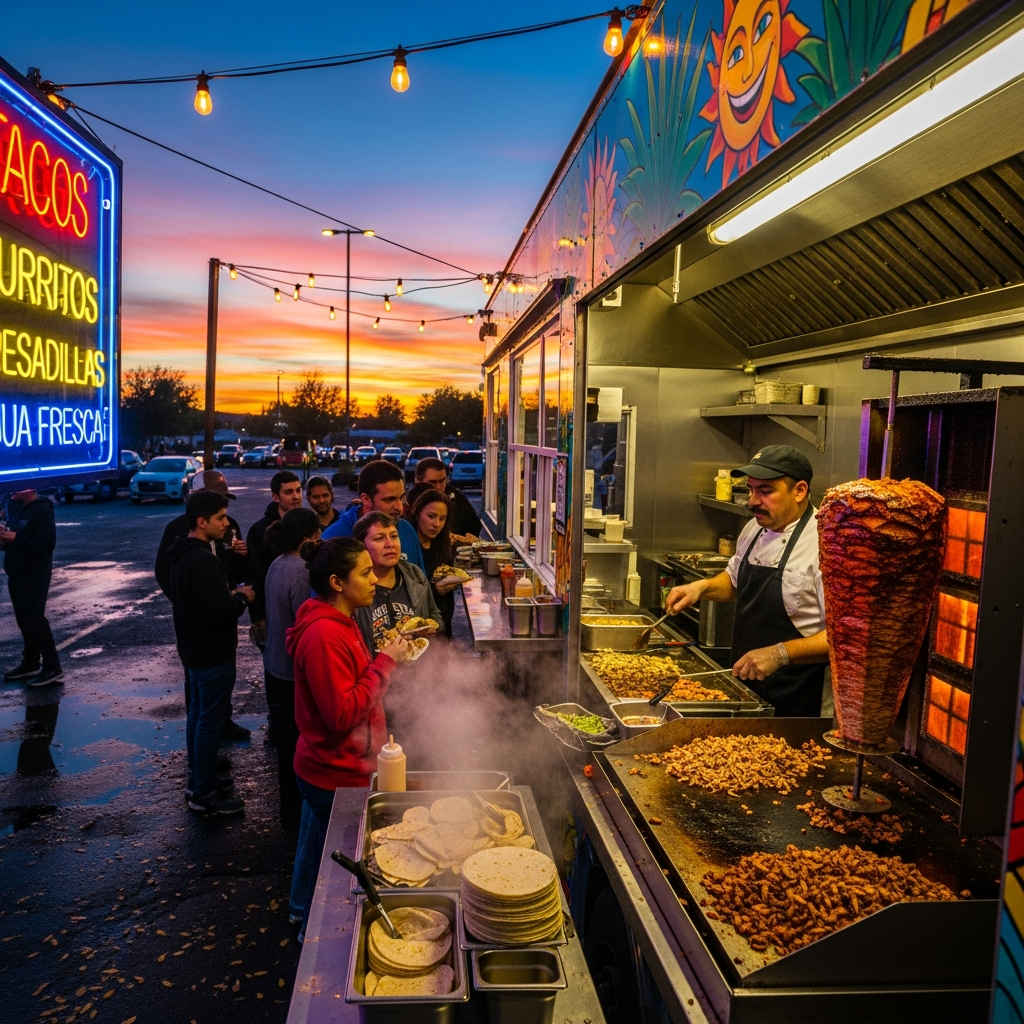
If you have ever followed your nose across a parking lot in Naperville to find a pocket of warmth and sizzle under a taco truck’s awning, you already understand the charm of street tacos. The engines idle soft, the plancha snaps, and a friendly voice calls your order number through winter breath or summer cicadas. Taco trucks have become mobile landmarks in our city, anchoring lunches at busy corners and glowing like beacons after evening soccer games. They trade long dining rooms for a few neat counters and a quick handshake, focusing almost everything on what happens between tortilla and filling. Before you cue up for your first order, it pays to glance at the menu and decide which way you want to lean: rich, bright, or a little of both.
Street tacos from Naperville trucks thrive on momentum. The line keeps tortillas warm, the turnover keeps al pastor edges crisp, and the dance behind the window stays fluid. You will notice it in the choreography—one cook building tacos, another tending the meats, someone else shuttling salsas to the pass. It is efficient without feeling rushed, and the result is a taco that tastes like it was made for you, not simply near you.
What makes a great street taco
The best street tacos are concise and confident. A couple of warm tortillas, a measured scoop of meat or vegetables, a quick shower of onion and cilantro, and just enough salsa to make the flavors ring. Street tacos rely on the tortilla being awake—heated moments before assembly so it exhales a little steam in your hand. They also rely on meat that has texture: carnitas that are plush with lacy edges from a hot plancha, asada that snaps with black-pepper crust, al pastor shaved so thin you can almost see the spice pattern.
Part of the street taco magic is temperature. Because the travel time from plancha to your hand is so short, everything lands hot and vivid. Lime squeezes with a blast rather than a whisper, and even a few rings of pickled jalapeño feel electric. The truck environment strips away distractions and gives you focus—just you, the tortilla, and the alchemy of heat and acid.
Naperville’s taco truck rhythms
Though trucks move, locals grow familiar with their patterns. Some anchor weekday lunches near industrial parks and office clusters, where crews and office teams stack up at noon for ten-minute feasts. Others find evening homes near parks and sports complexes, where families drift in with folding chairs and stories from the day. Weekend appearances can feel like a pop-up holiday, a kind of edible block party that ends when the last onion is chopped. These rhythms are part of how street tacos stitch themselves into Naperville’s daily life.
Seasons matter. In winter, you will see steam rising from griddled tortillas like tiny banners, and the first bite of a hot birria taco can feel like a glove for your insides. In summer, shrimp tacos with lime and cabbage become pocket air-conditioners. Trucks adapt, too—wind shields over the plancha in January, extra coolers and shade in August. This flexibility is a big reason street tacos stay consistently good.
Behind the window: craft in a compact space
A truck kitchen is a marvel of intention. Every square inch has a job, and every tool earns its spot. The trompo, when present, spins at a deliberate pace, its layers caramelizing in micro-slices. The plancha owns pride of place, a flat sheen of heat where tortillas, onions, and proteins share space in a carefully staged shuffle. Sauces live in easy reach, kept cool or warm as needed. The person at the order window is both host and expediter, turning short conversations into well-aimed plates.
Because space is tight, mise en place becomes poetry. Onions are chopped to a size that will not roll; cilantro is picked to just the right stem-to-leaf ratio; limes are cut into cheeks that squeeze without spraying your neighbor. You can taste the thoughtfulness in the way a taco holds together from first bite to last. When a truck nails its mise, you know it before you even taste the food—you see it in the economy of movement.
What to order first
Every truck has a signature, and part of the fun is discovering it. If you spot a trompo, begin with al pastor and watch for the cook to shave meat to order; that fresh cut is where cinnamon, clove, and chile meet heat. If the aroma of slow-cooked pork drifts forward, carnitas is a good bet, often crisped to order for texture that fireworks against soft tortillas. Asada fans should listen for the sear—a steady hiss rather than a frantic screech—evidence that the meat hits a properly hot surface and seals quickly.
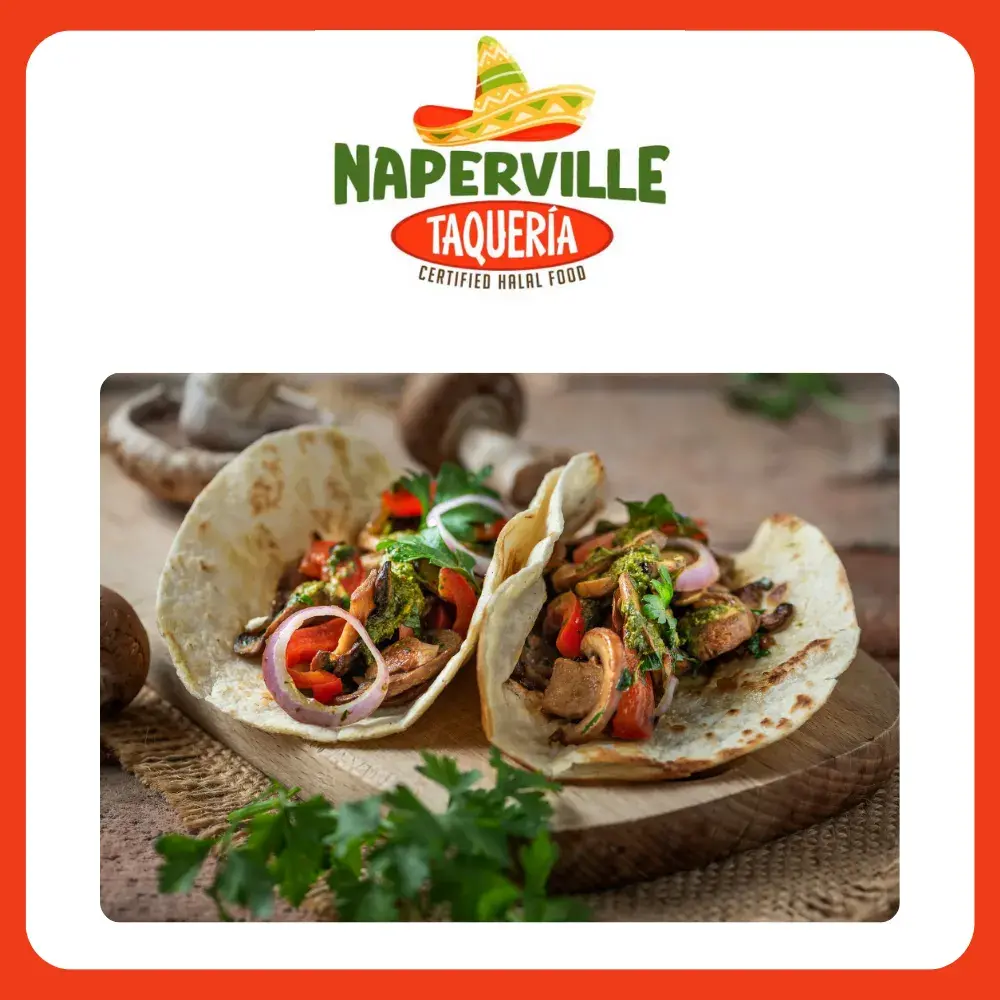
Vegetarian options on trucks have gotten excellent in Naperville. Mushrooms seared in the space where asada just stood pick up flavorful fond, and rajas con crema land gentle and resilient. Nopales bring a bright, lemony snap that pairs beautifully with a roasted salsa roja. Do not overlook simple bean tacos either; when beans are seasoned and mashed with intention, they turn into a silky anchor for herbs and heat.
Ordering and eating like a regular
On a busy day, have your plan ready when you reach the window. Ask a quick question if you need to—what is the spiciest salsa today, or which meat is freshest off the plancha—but keep it efficient. Street taco culture values flow. When your order number is called, step aside to the counter, dress your tacos, and give the next person space. Regulars keep their movements compact and their elbows friendly; it is part of the social contract that makes truck lines pleasant instead of chaotic.
Bring cash if you can, and always thank the crew. These niceties are not rules, just part of the good manners that keep the vibe bright. If you are sharing, take the first bite without too much conversation so the taco hits you at peak. The chat can come after the lime.
The social life of a taco truck
Food trucks create third spaces, neither home nor office, where Naperville neighbors rub shoulders for a few minutes and remember we are part of a community. The sight of families spreading out on a patch of grass with plates balanced on knees never gets old. You overhear soccer scores, new job updates, and travel plans, all punctuated by the communal hush that falls when everyone takes a first bite at once. For a city as busy as ours, those minutes matter.
Trucks also anchor memories. Ask a local about a favorite taco and they might tell you a story about a rainy night when steam curled from their plate like a signal flare, or a hot Saturday when shrimp tacos tasted like lake breezes. These sensory snapshots are as real a part of street taco culture as any recipe.
Mid-line discoveries
Halfway through your first plate, if you are tempted to adjust course, you are in good company. Many of us look back at the menu for a second wave based on what we just tasted. Maybe the asada was so on point that you want to see what the same sear does to mushrooms. Or perhaps the salsa verde has such a limey lift that it begs for shrimp this time. The middle of the meal is perfect for a small pivot, especially since trucks cook fast and fresh.
That second round also lets you dial in spice. If the roja on your first taco ran a little hotter than expected, aim for a verde or crema-kissed option next. Trucks usually keep their salsas consistent through the day, but your palate can change quickly in outdoor weather; a small tweak keeps the experience balanced.
Weather wisdom
Naperville weather keeps everyone on their toes, and trucks are practiced partners. On windy days, find the lee side of the truck so your napkins do not try to escape. In rain, there is something comforting about hearing droplets on the metal roof while the plancha hisses below. Snow brings its own pleasures: boots crunching, breath visible, tacos hot enough to fog your glasses as you bring them close. Dress the part, and your tacos will reward your commitment.
Summer heat asks for quick eating and bright flavors. Go for shrimp, fish, or nopales, and chase heat with a crisp, limey salsa. In shoulder seasons, carnitas and barbacoa wrap you in warmth without weighing you down. Let the day guide you; that is what street food is best at.
FAQ
What defines a street taco from a truck? Compact build, fresh-warmed tortillas, focused fillings, and quick assembly. The aim is immediacy—hot, bright, and balanced.
How do trucks keep quality high in a small space? Tight mise en place, hot planchas, and constant movement. Every tool has a role, and the crew works like a small orchestra.
Which meats shine at trucks? Al pastor shaved to order, carnitas crisped on the plancha, and asada seared fast are reliable stars. Birria and barbacoa also flourish on cool days.
Are vegetarian street tacos any good? Absolutely. Mushrooms, rajas, and nopales deliver texture and brightness that hold their own next to meat options.
Any tips for eating neatly? Keep elbows in, lime first, then salsa. Take small bites and rotate the taco so juices do not escape the same seam every time.
Do trucks operate in winter? Many do, adapting with wind shields and faster service. Dress warmly and enjoy the extra steam and sizzle the cold brings.
When you see that familiar truck silhouette at the edge of a lot, trust your instincts and step into line. Bring patience, a good appetite, and a willingness to let the simple things dazzle you. As you order, skim the menu, say a quick hello to the crew, and let the music of the plancha set the pace. Your next great street taco is a few careful gestures away.