Living in Naperville, I have learned that most taco troubles are less about the dish itself and more about a mismatch between expectation and technique. We want a warm tortilla that bends without breaking, fillings that arrive juicy but not soggy, and salsas that bring color and heat without blowing out the rest of the flavors. The good news is that the fixes are practical, fast, and embedded in the way our local taquerias already operate. If you have ever walked from a downtown pickup to a bench near the Riverwalk only to find your tacos a little wilted or your heat tolerance off by a mile, the following insights will help you enjoy every bite the way it is meant to be enjoyed. And if you prefer to map your order in advance, a quick glance at a spot’s menu will let you prep a strategy that suits your tastes and timing.
Let us start with the tortilla, because it sets the tone. A corn tortilla should feel tender and warm with a hint of toast from the plancha. If it cracks, it likely cooled too much before assembly or was under-hydrated to begin with. Local kitchens fix this by heating tortillas to order and, when appropriate, using a double layer for saucier fillings. At home, if you are setting the table for tacos to-go, give tortillas a brief warm-up on a dry skillet or in a low oven under a damp towel to restore suppleness without drying them out.
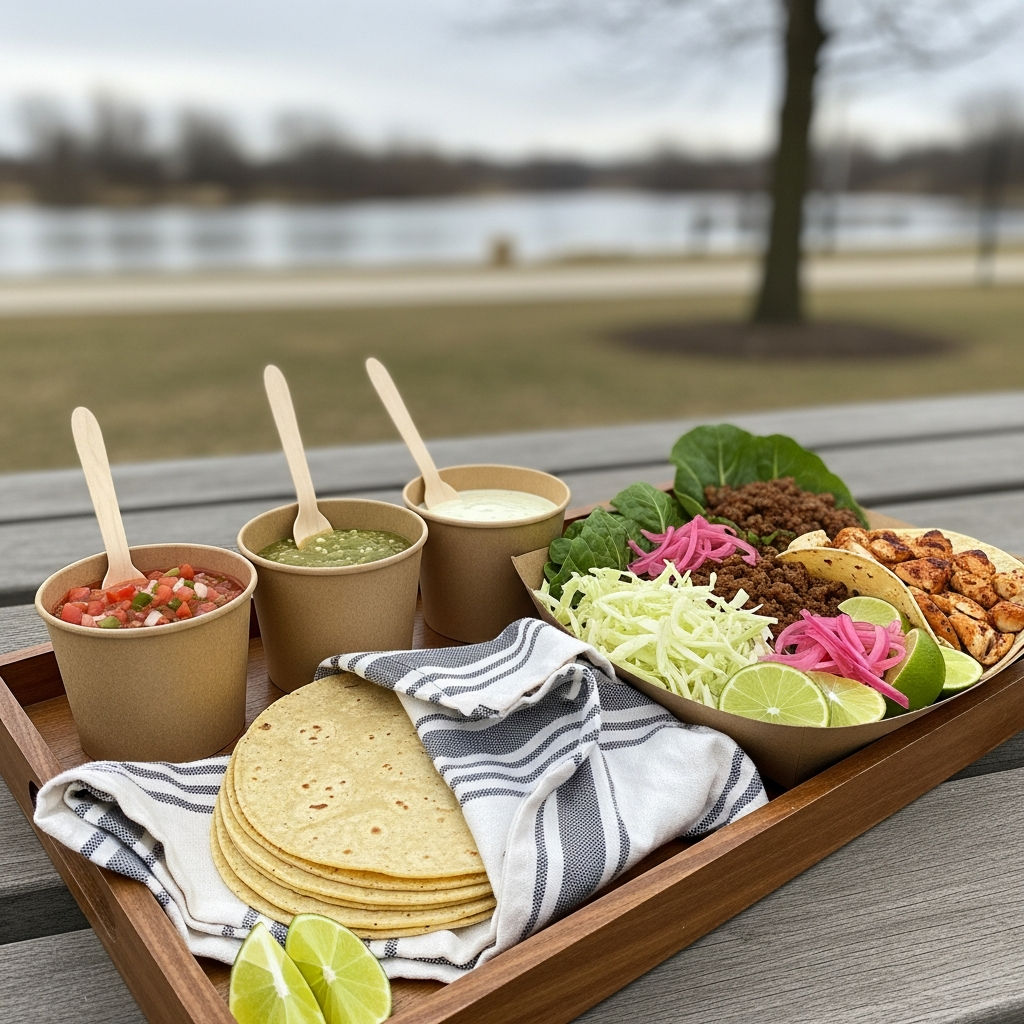
Sogginess is the most common frustration, especially on humid summer evenings. The solution lies in layering and timing. When you place leafy garnishes like cabbage or lettuce directly under the filling, they act as a moisture barrier, keeping the tortilla resilient. Salsas should generally go on top right before the bite, not sit on the base. To-go orders benefit from smart packaging—vented containers for crispy items, salsas on the side, and garnishes separated until the last moment. Many Naperville spots have refined this dance so your first bite on a park bench still delivers crunch and snap.
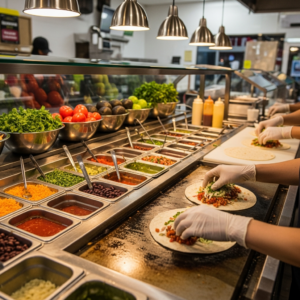
Spice balance is another recurring issue. Heat is personal; what warms one diner overwhelms another. The fix is to treat salsas as adjustable, not automatic. Start with a mild base and add heat gradually. Most kitchens here offer a spectrum, from fresh pico to smoky roja to a searing chile de árbol. When ordering for a group, request sauces on the side so each person can tailor the experience. That small adjustment preserves harmony at the table and reduces plate waste from over-spicing.
Flavor imbalance sometimes shows up when rich fillings need an acidic counterpoint. A simple squeeze of lime corrects course instantly, lifting heavy notes and resetting your palate. Pickled onions or radishes can play a similar role, adding brightness and crunch without masking the main ingredients. If a taco feels flat, think of acid and texture before reaching for more salt.
Another frequent concern is portion strategy. Because tacos are small, it is easy to order exclusively from one category—say, all slow-braised meats—and end up with a meal that leans heavy. A better approach is to mix textures: one juicy, one grilled, one vegetable-forward. This variety keeps your palate engaged and limits fatigue, so each taco tastes lively from the first bite to the last.
For those navigating dietary needs, clarity is everything. Corn tortillas are naturally gluten-free, but cross-contact can be a question in busy kitchens. Local teams are used to talking through prep setups and will happily suggest options that meet your needs without compromising flavor. If you or a guest avoids dairy, ask about garnishes and request salsas that add creaminess through avocado rather than cheese or crema. Because tacos are assembled to order, accommodations are usually simple.
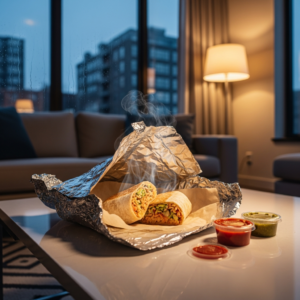
Temperature control during transport matters more than most people realize. If you are walking from Washington Street to a picnic spot, keep warm items insulated and avoid stacking anything that traps steam against crispy tortillas or garnishes. At home, reheat components separately when possible: a few seconds for proteins to regain juiciness, a brief toasting for tortillas, and salsas added cold at the end for contrast. This reassembly approach recreates the just-made effect remarkably well.
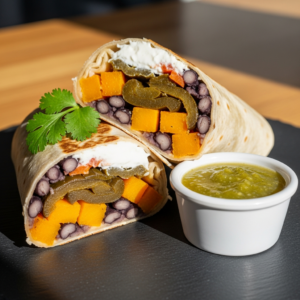
Texture fatigue can sneak up, particularly when tacos emphasize similar mouthfeels—soft on soft. Crispy elements like seared edges, cabbage, or toasted pepitas break up monotony and make each bite more memorable. If you tend to favor slow-cooked fillings, add one taco anchored by a grilled or roasted vegetable to introduce snap and char.
Sometimes the issue is simply decision stress. Naperville’s taco lineups can be extensive, and choosing on the fly while hungry leads to over-ordering or missing the star of the season. Skimming the taco menu ahead of time helps frame your meal: pick a reliable favorite, a seasonal special, and a wild card. That trio covers comfort, discovery, and balance.
Finally, remember that good tacos reward attention to pacing. Eat one at a time, add salsa just before each bite, and enjoy the arcs of flavor as they unfold. Slowing down lets acidity, heat, and herbal notes register fully, turning a quick meal into a satisfying experience without stretching the clock.
Frequently Asked Questions
How do I prevent tortillas from cracking when I serve tacos at home?
Warm them properly. A quick turn on a hot, dry skillet or a few minutes wrapped in a damp towel in a low oven restores flexibility. Keep them covered until the moment you assemble to retain steam and softness.
What is the best way to keep to-go tacos from getting soggy?
Separate wet components from the base. Add salsa and juicy garnishes at the last minute, and layer leafy elements under the filling to act as a barrier. If you have a short walk, vent the container slightly to release steam that would otherwise soften tortillas.
How spicy should I order for a mixed group?
Default to mild and request hot salsas on the side. This lets each person fine-tune heat without risking a meal that is too fiery for some diners. It also reduces waste and keeps the group happy.
What if my tacos taste heavy or flat?
Add acidity and crunch. A squeeze of lime, pickled onions, or crisp cabbage cuts richness and restores balance. Often the fix is not more salt, but more brightness and texture.
How can I balance my order to avoid palate fatigue?
Mix cooking methods and ingredients: include one grilled item, one braise, and one vegetable-forward taco. The contrast keeps your palate engaged and turns a simple meal into a more dynamic experience.
When you put these small fixes into practice, every taco night—whether on a bench near the Riverwalk or around your kitchen island—feels elevated. If you are ready to plan your next visit or simply want inspiration for a balanced spread, start with the menu, pick a few complementary styles, and give each taco the attention it deserves.