Keeping Halal Tacos Delicious After the Drive Home
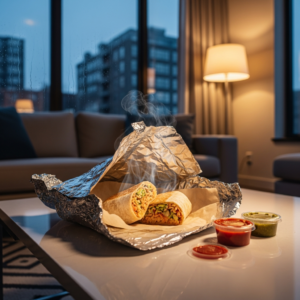
Anyone who has ferried dinner from a favorite spot on Ogden Avenue back to a home near Brookdale or Tall Grass knows the challenge: tacos are at their absolute best the moment they’re assembled. The warmth of the tortilla, the sizzle of the protein, the snap of onion and cilantro, and the bright jolt of lime all meet in a narrow window. Still, life in Naperville often means eating later—after a Riverwalk stroll, following a late practice, or once the kids’ homework is finally done. With a little know-how, your halal tacos can taste remarkably close to fresh even after a short wait. For ideas on components you might bring home, take a quick look at the menu and think about how each item fares with time and heat.
What follows is a practical, neighborhood-tested guide to storing and reheating halal tacos so they keep their soul. The goal is simple: preserve texture, protect brightness, and maintain the balance that makes tacos the weeknight staple so many Naperville families rely on.
Start with Smart Transport
The trip from counter to kitchen sets the tone for everything that follows. When possible, keep hot and cold components separate. Proteins and tortillas like to stay warm; onions, cilantro, lime, and salsas prefer a cool ride. If the restaurant has already separated those items, you’re in luck. If not, ask politely whether certain garnishes can be packed on the side. Most halal taco teams are happy to help because they want you to enjoy the meal at its best.
During colder months, a short car ride can sap heat quickly. Tuck warm items together and insulate them from winter air with a light towel or by placing the bag on a seat warmer set low. In summer, the opposite applies—keep cool components away from direct sun and don’t let delicate herbs wilt in a hot trunk. These little adjustments make a big difference once you’re back home.
Refrigeration: Timing Is Everything
If you won’t be eating within a short window, refrigeration is your friend. Store proteins and tortillas separately from fresh garnishes. A shallow container helps proteins cool more evenly, reducing the risk of condensation softening everything. Labeling might feel like overkill, but on a busy weeknight, knowing which container holds the citrus-marinated chicken and which has the roasted peppers prevents rummaging and keeps the fridge door from standing open while you guess.
Most proteins reheat well within a day or two when stored properly. Beyond that, flavor and texture can fade. Salsas are best as fresh as possible, though roasted varieties sometimes deepen slightly by the next day. Creamy condiments should be kept cold and added at the moment of serving so they don’t separate or dull under heat.
Reviving Tortillas
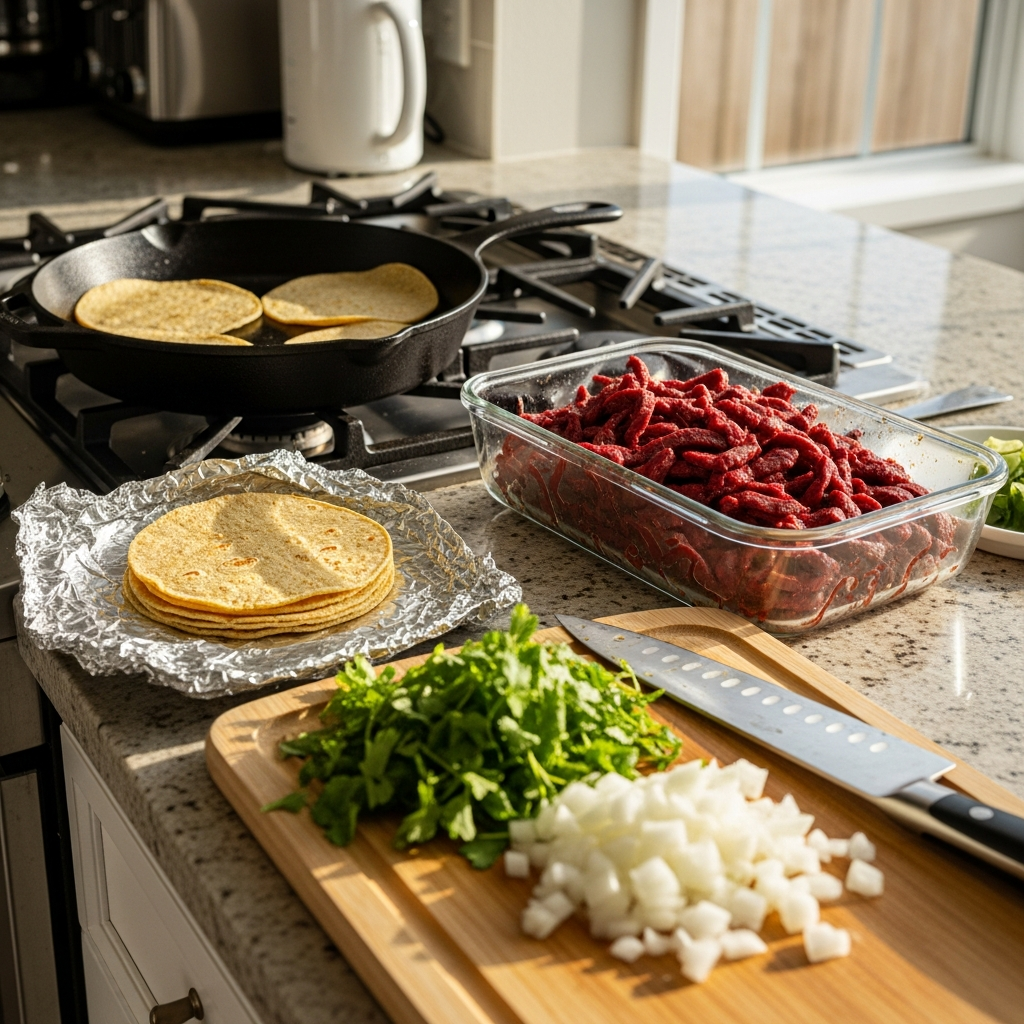
A tortilla’s texture defines the taco experience, so treat it with care. If you have a dry skillet, warm tortillas over medium heat for 20 to 30 seconds per side until they become pliable and lightly speckled. For a stack, wrap a few in a clean kitchen towel and let residual heat finish the job. If you’re reheating for a crowd, a low oven can work—wrap stacks in foil and warm briefly, checking frequently to avoid drying.
Moisture management is crucial. If tortillas feel stiff from refrigeration, a whisper of steam helps. Place a damp—not wet—paper towel over a small stack and give them a very short spin in the microwave, then finish on a skillet to restore character. The goal is suppleness without sogginess, the kind of fold that holds a generous spoonful of carne asada without cracking.
How to Reheat Proteins Without Losing Tenderness
Proteins need gentle heat. A nonstick or well-seasoned skillet over medium-low brings meat back to life without scorching. Add a teaspoon of water or a squeeze of lime to create a bit of steam, then cover for a minute to warm through. Uncover and let excess moisture evaporate so the edges regain some texture. If you’re working with something saucy, keep the heat low and stir often to prevent sticking.
For oven reheating, spread proteins on a small tray, cover loosely with foil, and use low heat. Check frequently. Once warm, pull them off the heat rather than chasing a hotter temperature that can toughen the bite. The idea is to regain warmth and fragrance, not to cook the dish a second time.
Fresh Garnishes at the Finish Line
Onions, cilantro, and lime do their best work right before serving. If onions have been sitting in the fridge, a quick rinse under cold water brightens them and softens harshness. Cilantro perks up after a brief rest on a paper towel to wick away excess moisture. Lime wedges should be at room temperature if possible; they yield more juice and a gentler aroma when not chilled to the core.
Salsas are sensitive. Roasted styles forgive a little time in the fridge, but bright, raw salsas can flatten. If a salsa has lost its sparkle, whisk it briefly or fold in a drop of lime. Use a light hand; you want balance, not acidity that overwhelms the rest of the plate.
Assembling for Texture
Assemble tacos in a sequence that protects texture. Start with a warm tortilla, add protein, then layering order matters less than timing. If you have a juicy salsa, spoon it so it hits protein rather than the tortilla, keeping the base from getting soggy. Finish with onion, cilantro, and a final squeeze of lime. Eat promptly. Tacos are a race against time, and that’s part of their charm in homes from Naper Boulevard to south Naperville.
If you’re serving a crowd, consider building tacos in small batches. Keep tortillas warm under a clean towel, refresh protein in quick rounds, and set out garnishes so guests assemble just before eating. This rhythm keeps the last plate as lively as the first.
Freezing for the Future
While tacos are best fresh, some components freeze well. Meats in marinade, cooked proteins, and certain roasted vegetables hold up for a short spell in the freezer. Portion them in small, flat packets so they thaw evenly. Tortillas can freeze too; separate them with parchment and seal them tightly to prevent freezer aromas from intruding. When it’s time to use them, thaw gently in the fridge and revive with controlled heat.
Salsas, especially raw versions heavy on tomatoes or fresh herbs, rarely freeze gracefully. Their texture can turn watery and dull. It’s better to make or buy salsa fresh or keep a roasted option on hand that can survive a day or two without losing its core identity.
Balancing Safety and Flavor
Food safety is part of flavor. Keep cold items cold and hot items hot, and be mindful of how long food sits at room temperature. If your evening stretched longer than planned—maybe a sunset detour by the Riverwalk or a last-minute run to the store—err on the side of caution. The good news is that halal taco components usually thrive with refrigeration and thoughtful reheating, maintaining both safety and taste when treated with respect.
Labeling dates on containers might seem fussy, but it prevents guesswork. When the week picks up speed, you’ll be grateful for the clarity. A quick glance tells you whether tonight’s protein is yesterday’s treasure or a candidate for tomorrow’s lunch instead.
Getting the Most from Leftovers
Leftovers don’t have to be a rerun. A skillet-warmed tortilla with tender meat and a fresh squeeze of lime can feel as inviting as the first pass. If you have a mix of proteins, consider a small tasting plate and let family members choose their favorites again. The act of assembling rekindles the excitement, turning lunch into an event rather than a chore.
For kids, leftovers can be a low-pressure way to revisit new flavors. Offer a milder salsa and let them decide how much to add. Small choices build confidence, and confident eaters become curious eaters—a win for any Naperville household.
When Moisture Strikes: Soggy Tortilla Triage
Even with the best intentions, moisture sometimes sneaks in. If a tortilla has gone soft from salsa or steam, rescue it on a preheated dry skillet for a few seconds. Flip once or twice to coax out excess moisture without crisping it into a tostada. If the tortilla is past saving, transfer the filling to a fresh, warmed tortilla and treat the soggy one as a snack you can salvage with a quick toast and a sprinkle of salt.
Prevention is the real secret. Keep juicy salsas away from tortillas until serving, and warm only the tortillas you need at any given moment. Staggering small batches maintains a steady flow without sacrificing texture.
The Role of Lime, Revisited
Lime is more than a garnish; it’s a structural element that pulls salt, fat, and spice into focus. A taco revived at home can leap back to life with a single squeeze. If you have limes that feel firm, roll them under your palm to loosen the juice. Add citrus in stages and taste as you go—you’re aiming for clarity, not a sour blast that drowns nuance.
In cooler months, when flavors can feel muted, lime provides brightness that counters the season’s tendency toward heavier foods. It’s the quickest path from flat to vibrant, and it belongs on every home taco station in Naperville.
Frequently Asked Questions
How long can I keep halal taco components in the fridge?
Most cooked proteins are best within one to two days when stored properly in shallow containers. Tortillas keep their character for a day if sealed and revived with heat. Fresh garnishes are at their peak the day you bring them home; plan to restock if you’re stretching meals over several days.
What’s the best way to reheat tortillas?
Use a dry skillet over medium heat for a few seconds per side, or wrap small stacks in foil for a brief warm-up in a low oven. For stiffer tortillas, a moment under a damp paper towel in the microwave followed by a quick skillet pass restores suppleness.
Can I freeze components for later?
Yes, with care. Cooked proteins and tortillas freeze reasonably well if portioned and sealed tightly. Thaw in the fridge and reheat gently. Fresh, raw salsas rarely freeze nicely; it’s better to enjoy them fresh or opt for a roasted style that keeps its character longer.
How do I prevent soggy tacos when reheating?
Separate hot and cold elements, warm tortillas and proteins just before eating, and add salsas and herbs at the very end. If moisture sneaks in, a quick stint on a dry skillet can rescue a tortilla’s texture.
Is microwave reheating okay?
In small doses. The microwave can warm tortillas and proteins quickly, but use short bursts and finish on a skillet to restore texture. Avoid heating fresh garnishes; keep them cool and add right before serving.
Bring It All Together Tonight
With a few thoughtful steps, your halal tacos will taste lively whether you’re eating in a kitchen off Naper Boulevard or settling in after a sunset Riverwalk stroll. If you’re planning a meal and want to match reheating strategies to specific dishes, browse the menu, choose the components that fit your evening, and enjoy a Naperville night anchored by tacos that still sing.