If you’ve ever carried tacos from a downtown Naperville spot to a bench along the Riverwalk only to find your tortilla wilting halfway through the first bite, you’re not alone. Our weather swings—humid summers, snowy winters, and everything in between—create perfect conditions for steam and condensation. Pair that with juicy fillings and generous salsas, and you’ve got a recipe for soggy shells. The good news is that a few smart moves can keep your tacos crisp and confident, whether you’re eating in, carrying out, or hosting friends at home.
The quickest fix starts before your food hits the table: blueprint your order. Think about moisture like a chef. Sauces belong on the side, greens want to be crisp not soaked, and hot proteins should be drained before they touch a tortilla. If you start with this mindset, you’ll feel the difference in every bite, and your last taco will be as lively as your first.
Why tortillas get soggy
Steam is the main culprit. A hot filling meets a cool tortilla and traps moisture, especially inside a closed container or tightly wrapped foil. The water has nowhere to go, so it softens the tortilla until it tears. Wet toppings—think juicy salsas, tomatoes, or lettuce—compound the issue by shedding liquid into every nook and cranny. Even well-made tortillas surrender eventually if you flood them with sauce and then seal them away from fresh air.
Flour tortillas are more forgiving than corn when it comes to flexibility, but that can be deceptive. A flour tortilla can feel sturdy even as it absorbs liquid, leading to a limp texture by the time you sit down along the DuPage River. Fresh, warm corn tortillas are wonderfully flavorful, yet they can crack under too much moisture unless you manage temperature and layering. Either way, the same rules apply: control water, protect structure, and time your assembly.
Order smart: structure first, sauce later
When you place your order in Naperville—whether you’re downtown, along Ogden, or near Route 59—ask for salsa and crema on the side. This small request is the single best defense against sog. It lets you add just enough moisture for flavor without drowning the tortilla. You can also request a light toast on your tortillas; a gentle sear creates microstructure that resists liquid, much like toasting bread for a sturdy sandwich.
Layering matters. A sprinkle of cheese or a thin swipe of refried beans on the tortilla can act as a moisture barrier without turning the taco heavy. Next, add your crunchy element—cabbage or lettuce—then the protein, and finally the salsa. This order slows down liquid transfer and keeps textures distinct. A squeeze of lime just before each bite gives you sparkle without soak.
Travel tactics for takeout
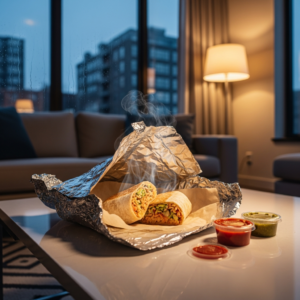
Takeout is where soggy shells most often show up in Naperville, especially on humid summer nights. If you’re picking up tacos to eat by the Riverwalk, keep containers partially vented during the walk to release steam. Place boxes flat in your bag or car so juices don’t pool on one side. If the restaurant will pack tortillas separately, say yes—you’ll assemble on-site and thank yourself later.
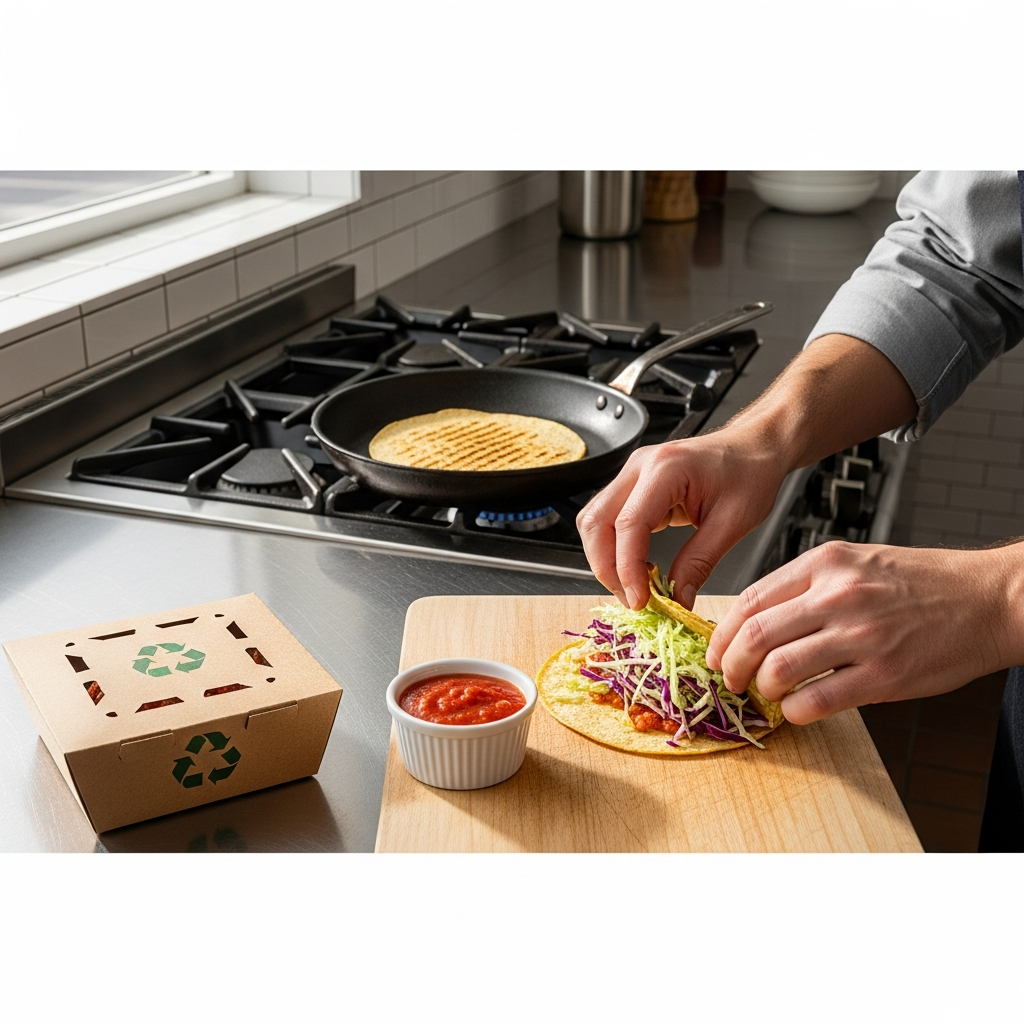
Timing counts. Don’t let takeout sit sealed in a warm car while you handle another errand. Every extra minute in a steamy box breaks down structure. If you’re hosting at home, warm a dry skillet and give each corn tortilla a quick kiss of heat just before you build. That refreshes texture and aroma while gently driving off surface moisture.
Midwestern weather, meet taco physics
Naperville’s humidity accelerates sog. In July, even a crisp slaw sweats more than usual, and a foil wrap traps that moisture like a sauna. Switch to parchment or a ventilated container when possible, and use napkins as spacers to absorb stray juices in travel. In winter, cold air outside and warm air inside create condensation when you step into a cozy dining room or your home; crack containers open for a minute to let steam escape before you assemble.
If you’ve walked from downtown to a picnic table by the water, consider a staging approach. Keep tortillas wrapped and dry, keep salsas sealed and cold, and assemble one taco at a time. Your friends may tease you for the precision—until they notice their own tacos holding up better than usual.
The restaurant’s role—and how to ask for help
Most Naperville taqueros are happy to help you fight sog if you tell them you’re headed outside or driving a distance. Ask them to pack greens and salsas separately and to give the tortillas a quick toast. If they have a double-tortilla option for delicate fillings like fish, take it. You’re not being picky; you’re setting yourself up for a better meal, and the kitchen usually appreciates the clarity.
When dining in, you can prevent sog with pacing. Don’t dress all your tacos at once. Add salsa as you go, and keep hot fillings off the tortilla until you’re ready to eat. This is especially useful during lively conversations when a plate can sit for several minutes while you catch up with neighbors you just ran into.
Home-cooking fixes
If you’re cooking at home, drain proteins after cooking and let them rest so juices reabsorb. Warm corn tortillas directly on a dry skillet or over a low flame until they puff slightly and smell toasty. Stack them in a towel to keep warm and dry. For crispy shells, brush tortillas with a bit of oil and bake briefly on a rack, turning once, to encourage even drying and shatter. Assemble immediately before serving, and keep sauce in a ramekin on the side.
Vegetables deserve the same attention. Salt tomatoes ahead of time and let them drain. Sauté mushrooms until they release and reabsorb their moisture, then finish hot to build a sear. If you’re using cabbage or lettuce, pat them dry after washing so they don’t leak water into the tortilla at the worst moment.
Fish tacos without the flop
Fish is notorious for turning a tortilla soggy, but it doesn’t have to. For grilled fish, ask for a firm, well-seared piece and build with a crisp slaw that’s dressed lightly, not dripping. For fried fish, keep the sauce to a drizzle and eat promptly. A double-layered corn tortilla gives you insurance without masking flavor, and lime added at the last second brightens the bite without soaking the base.
Another trick is to request that any pickled elements be lightly drained. They bring crunch and acidity without extra liquid if handled with care. That way you keep the lively snap you want while maintaining a dry foundation.
The middle reminder
Halfway through your meal—especially if you’re sharing and ordering a second round—glance back at the menu and consider mixes that keep moisture balanced. If your first round leaned juicy, pivot to a drier option with a roasted salsa. You’ll extend the fun without ending up with a plate of soft shells.
Salas and crema: portion with precision
It’s tempting to apply salsa with a heavy hand, particularly when a sauce tastes amazing. But a teaspoon can go a long way. Spoon, taste, and adjust. Crema benefits from restraint even more; its richness travels, and a small line across the top of the filling is usually perfect. Keeping sauces in check is the difference between a taco that hums and one that slides apart.
Acids are your friend. Lemon or lime wakes up flavors without adding liquid bulk. A spritz as you eat keeps each bite fresh, and because you’re adding it just in time, it won’t have a chance to saturate the tortilla.
Packaging and transport gear
If tacos are part of your regular Riverwalk routine, invest in a small insulated tote that keeps hot items hot and cold items crisp without trapping steam. Ventilation is key: look for containers with small vents or crack lids slightly to let moisture escape. Bring a clean tea towel to line the bottom of a container; it will catch drips and keep tortillas from resting in pooled juices.
On cold days, pre-warm your car with the heat on low rather than parking hot tacos against a freezing dashboard. That shock creates condensation inside the box. Once home, open containers, set up your assembly line, and build quickly so everything meets in its best state.
Rescue tactics for sog already in play
If your tortillas have softened but not collapsed, a quick pass over a dry skillet can restore structure. Heat one side until gently toasted, flip, and repeat; you’ll drive off moisture and rebuild texture. For tortillas on the verge of tearing, switch to a knife-and-fork taco salad approach. Scatter the filling over chopped greens, top with salsa, and crumble a toasted tortilla on top for crunch. It’s not defeat—it’s resourcefulness.
Leftovers require triage. Separate fillings from tortillas, store sauces apart, and reheat proteins until hot and dry before you rebuild. Crisp tortillas fresh, not in a microwave, which steams rather than toasts. You’ll be surprised how well day-two tacos can eat if you avoid sealing sog into the equation.
FAQ
What tortilla holds up best against soggy fillings?
Fresh, well-toasted corn tortillas perform best when managed correctly. They’re small, flavorful, and, when warmed properly, resilient. Double up for delicate fillings like fish, and build just before eating. Smaller flour tortillas work too, but monitor moisture because they can absorb more liquid before they feel limp.
How can I re-crisp a tortilla without drying it out?
Use a dry skillet over medium heat. Warm one side until lightly speckled, flip, and toast the other. The goal is to drive off moisture and build a delicate crust without turning the tortilla brittle. A minute or two per side usually does it.
Is lettuce or tomato the bigger culprit for sog?
Tomatoes release more liquid on contact, especially when chopped. Lettuce or cabbage can add moisture if they’re not dried well, but their crunch usually helps. Salt and drain tomatoes in advance, and pat greens dry to reduce water in the build.
What’s the best way to transport tacos to the Riverwalk?
Ask for tortillas, hot fillings, and salsas to be packed separately. Keep containers vented, carry them flat, and assemble on-site. Bring napkins or a towel to catch drips, and eat promptly so steam doesn’t settle back into the tortillas.
Do sauces on the side really make a difference?
Absolutely. Controlling the moment and amount of sauce protects the tortilla’s structure and keeps flavors bright. A little goes a long way, and adding sauce right before you bite maintains texture from start to finish.
Ready for tacos that stay crisp?
With a few tweaks—separate sauces, smart layering, and just-in-time assembly—you can enjoy tacos that hold up from downtown to your favorite Riverwalk bench. When you’re planning your next order, skim the menu, think through the build, and toast to a meal that eats as beautifully as it looks.