From Kitchen to Table: Protecting Flavor and Texture
In Naperville, we count on nearby Mexican food to bring color and comfort to weeknights, game days, and relaxed weekends. Yet the short trip from a restaurant kitchen to your table can make or break a meal’s vibrancy. Keeping food fresh isn’t just about time; it’s about small choices that protect texture, temperature, and aroma. When you’re juggling a quick pickup between Ogden Avenue errands and a Riverwalk stroll, the best approach begins before you leave the house: know what you’re ordering, plan your route, and be ready to serve. A fast glance at the menu helps you anticipate components that prefer assembly at home, so you can preserve crunch where it belongs and warmth where it matters.
Freshness is largely a conversation between moisture and airflow. Crispy elements want space; stewy fillings want gentle insulation; tortillas want warmth without steam-trapping. If you can keep those truths in mind, you’ll transform takeout into a near-dine-in experience. The reward shows up in the first bite: a tortilla that bends without breaking, a salsa that stays bright, a filling that tastes like it came off the plancha seconds ago.
Timing Is a Freshness Strategy
Freshness begins with timing the pickup to the kitchen’s rhythm. Naperville spots are efficient, but a five-minute shift can save ten minutes of waiting, which reduces the time food sits tightly packed. If you know a place hits a rush after local practices, aim a touch earlier. At home, set the table before you leave so the meal moves from bag to plate without delay. The less time sealed food spends in a warm bag, the less it steams itself into softness.
Traffic patterns matter, too. A route that looks shortest on a map might include a couple of slow left turns that add minutes. Favor right-turn exits and fewer lights. In winter, warm up the car so bags aren’t shocked by cold air, which can dull flavors and stiffen tortillas. In summer, keep the AC moderate—too cold and fried items can lose their snap.
Smart Bag Management
When you pick up your order, a quick check can make a real difference. Keep crispy items high in the bag and away from steam-heavy containers. If chips ride with a stewy protein, the moisture can creep quickly. If the restaurant packs salsas separately—as most Naperville kitchens now do—that’s your cue to wait until plating for final assembly. If the bag feels tightly closed, a brief vent on the passenger seat can let steam escape without chilling the food.
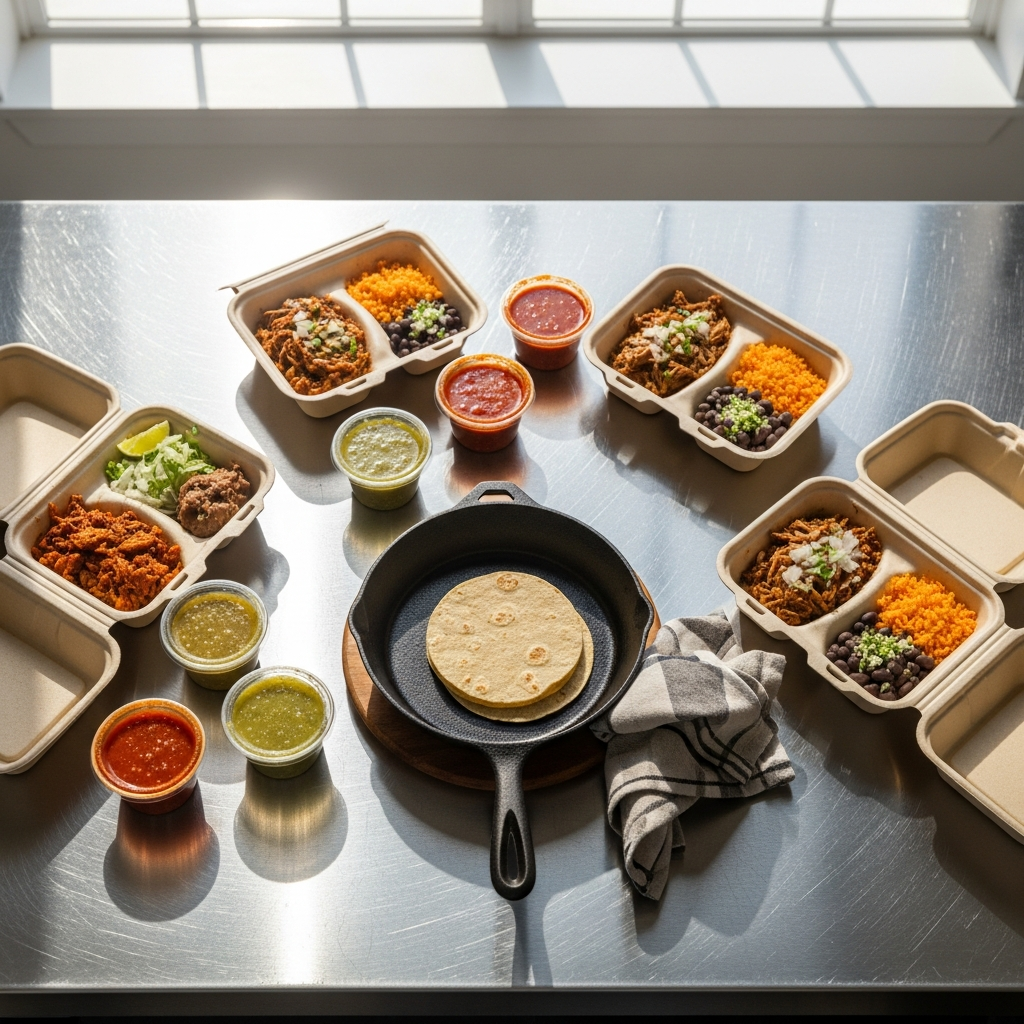
At home, open the bag right away and separate hot and cold components onto the counter. Give each a bit of breathing room so condensation doesn’t collect. You’re creating a short staging area where you can make smart, texture-preserving choices.
Tortilla Care 101
Tortillas are the foundation of freshness. Corn tortillas taste best when warm, soft, and faintly aromatic. If they’re wrapped but cooling, revive them gently on a dry skillet for 20–30 seconds per side until the edges feel pliant. Avoid overcooking; you want life, not crunch. Flour tortillas like a bit of heat too—just enough to soften and wake up the gluten so they fold without cracking. Wrap warmed tortillas in a clean towel to hold heat without trapping steam.
If tortillas arrive already perfect, treat them like the priority they are: plate them first, keep them covered, and assemble tacos quickly so they can cradle fillings while still lively. A few thoughtful seconds here deliver a dramatic payoff at the table.
Salsa Sequencing and Acidity Management
Salsas are fresh by design—herbaceous, citrusy, sometimes smoky—and they can either lift or flatten a dish depending on when you add them. For takeout, think of salsa as a final flourish. Add just before eating to prevent sogginess and to keep aromatics bright. If you enjoy multiple salsas, start with the brighter option to wake up the palate, then layer in something smokier for depth. Limes belong at the end, too; their oils and juice pop when they haven’t been trapped in a container’s humidity for too long.
Respecting acidity is key. Too much too soon can overpower delicate flavors and leak into tortillas. A small spoon at plating time solves that, giving you control and protecting texture.
Managing Moisture for Crispy Elements
Anything fried or griddled to a crisp wants space and airflow. Keep these items separate during transport if possible. Once home, re-crisp in a dry pan or a warm oven for a minute or two if needed. Avoid microwaving crispy components—it adds heat but also moisture, which softens edges. When plating, don’t bury crunchy elements under stewy fillings. Let them crown the dish at the last moment so they keep their personality.
Even chips benefit from care. If they’ve picked up moisture, a quick 2–3 minute warm-up in a low oven can restore snap. Serve in a shallow bowl to prevent steam build-up under a pile.
Protein and Veggie Warmth Without Drying Out
Rewarming proteins gently protects juiciness. A skillet over medium heat with a splash of water can bring braised meats back to life without drying. For grilled vegetables or rajas, a quick toss in a warm pan restores aromas and texture. If you must use a microwave, cover loosely and use short bursts, stirring or flipping between rounds. The goal is warmth and fragrance, not blistering heat that erases nuance.
Veggies that rely on char need only a nudge to wake up. Overheating will mute their smoky notes. Trust your nose—the moment aromas bloom, you’re there.
Assembly Order Matters
Think of plating like building with intention. Warm tortilla down first, then protein or vegetable base, then a small spoon of salsa, and finally crisp or fresh elements. If you’re pairing two salsas, use the brighter one first and keep the smokier one for selective bites. Herbs like cilantro go on last, so their fragrance greets you at the first lift of the taco. This simple order keeps moisture contained and textures distinct.
For bowls, layer the warmest ingredients at the bottom, then add cool elements and salsas on top to preserve contrast. A sprinkle of salt on tomatoes or pico just before serving brings out sweetness without pooling liquid.
Transport Tactics for Naperville Weather
Our winters ask for extra care. Keep food insulated but not smothered—wrap the bag in a light towel in the passenger footwell rather than zipping it into an airtight carrier. In summer, protect from direct sun and avoid placing hot containers right against cold ones, which can cause condensation on crispy items. These seasonal tweaks take seconds but return minutes of peak texture.
If you’re picnicking along the Riverwalk, carry salsas in their containers, transport tortillas wrapped, and assemble on-site. Fresh air and final-minute assembly make simple tacos taste extraordinary outdoors.
Leftovers with Integrity
Leftovers can be excellent if you separate components before refrigerating. Keep tortillas sealed separately to prevent drying, store salsas in small containers, and avoid mixing crisp and stewy items. When reheating the next day, revive tortillas on a dry pan, warm proteins gently with a splash of water, and add salsa at the end. Flavor concentrates overnight; your job is to restore texture and brightness. A fresh lime wedge makes everything taste newly made.
Cold items like guacamole prefer minimal air contact. Press plastic wrap directly onto the surface or use a snug lid. The goal isn’t to make it immortal; it’s to keep it lively for the next meal.
Feeding a Crowd Without Losing Freshness
For gatherings, think modularly. Set up a short assembly line at home with warmed tortillas, proteins in covered pans, and salsas in reachable bowls. Invite guests to build plates at the last moment, which keeps textures pristine. Because Naperville kitchens are close, you can time pickup so that you’re plating within minutes of arrival. The result is a lively spread that feels hosted rather than hurried.
When serving kids and adults together, keep milder salsas front and center and place hotter options where the adventurous can reach them. It prevents accidental heat spikes and keeps everyone happy without slowing the line.
Small Tools, Big Payoff
A few simple tools earn their keep: a reliable skillet, a clean kitchen towel for tortillas, and a low oven to revive crispness gently. None of this is fussy or expensive. The point is to create a tiny system that catches food at its peak and holds it there long enough for you to enjoy. Once you learn the rhythm, it becomes second nature—like knowing exactly where to park downtown or which Riverwalk path catches the best breeze at dusk.
Remember, freshness is momentum. From the first warm minute in the bag to the last assembled bite, you’re encouraging flavors and textures to arrive together. A little attention beats a lot of effort.
FAQs
How do I keep tacos from getting soggy on the drive home?
Ask for salsas on the side, vent the bag briefly to release steam, and assemble quickly at home. Warm tortillas on a dry pan for a few seconds and add salsa at the very end. These steps protect structure and preserve the lively contrast that makes tacos pop.
What’s the best way to reheat tortillas?
A dry skillet over medium heat restores suppleness fast—about 20–30 seconds per side for corn, slightly less for flour. Wrap in a clean towel to hold warmth without trapping steam. Avoid microwaving if possible; it heats but often dulls texture.
How should I store leftovers for next-day freshness?
Separate components. Keep tortillas and proteins in their own containers, salsas in small tubs, and crisp items apart from stewy ones. Reheat gently and finish with fresh salsa or lime. This approach keeps flavors clear and textures distinct so leftovers feel intentional, not accidental.
What tools help most with freshness at home?
A sturdy skillet, a low oven, and a clean towel for tortillas do most of the work. Optional helpers include a small pan with a splash of water for gentle reheating and a shallow tray for crisp items that need a brief revive without steaming.
How can I time pickup to protect quality?
Order just ahead of the rush you know from experience—often right before common practice or dinner windows. Have your table set before you leave, and serve immediately on return. The less time food spends sealed, the brighter the flavors and better the textures.
Bring Home Peak Flavor Tonight
If you’re craving a meal that arrives as lively as it left the kitchen, plan your pickup, warm your tortillas, and assemble with intention. Start by checking the menu so you know which elements to finish at home, then let a warm bag and a bright salsa turn an ordinary evening into a small Naperville celebration.