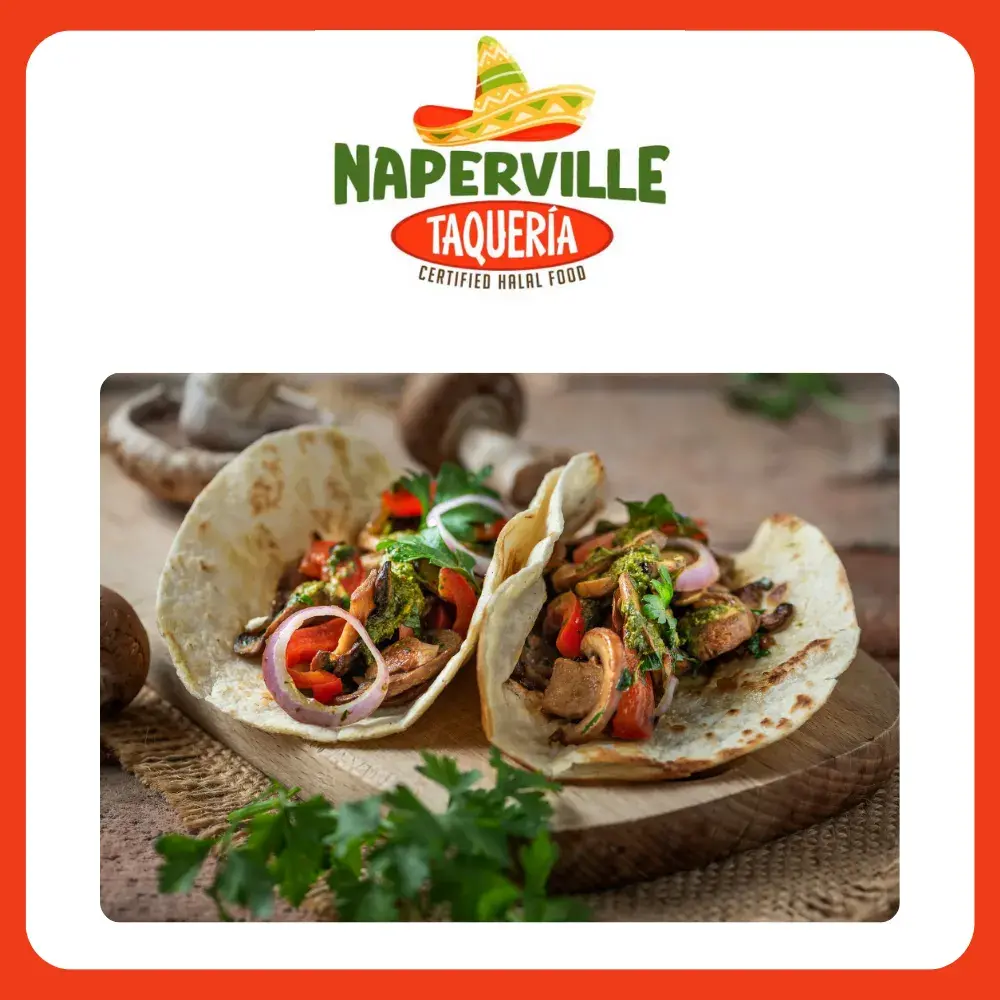
Home cooks across Naperville—from townhouses near the 95th Street Library to older homes tucked west of the Riverwalk—love taco night for how easy and festive it can be. Yet even a familiar meal can stumble. I’ve watched tacos go from promising to puzzling because of a cold tortilla, a watery salsa, or a filling that felt flat. The good news is that these are simple fixes. With a few mindful tweaks, you can turn a hurried dinner into a plate that tastes like it came from your favorite spot. If you want a reference point for how elements come together gracefully, a quick glance at a well-composed menu can help you reverse-engineer balance at home.
Mistake: Cold, Cracking Tortillas
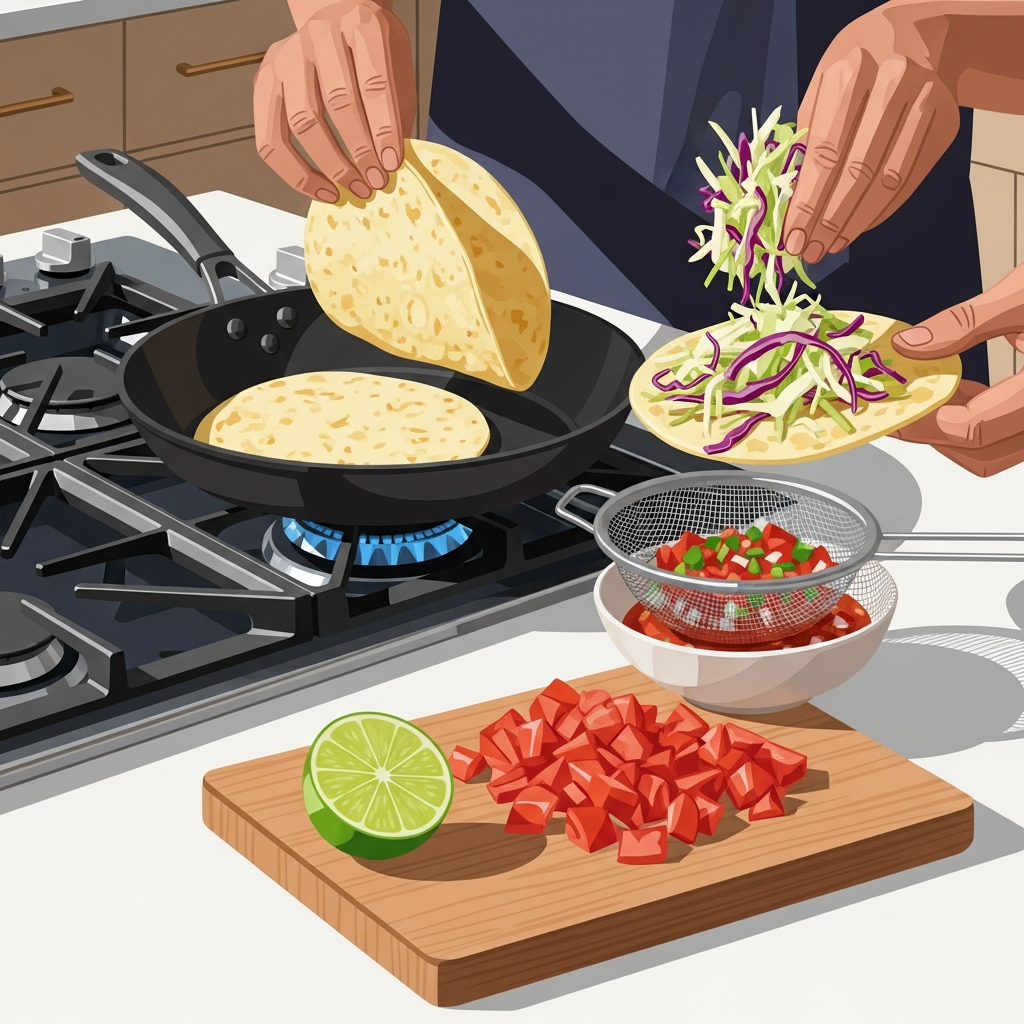
Nothing derails a taco faster than a brittle tortilla. Cold tortillas crack, leak, and dull the flavors you worked to build. The fix is ritual and heat. Warm tortillas on a dry skillet or griddle for 20 to 30 seconds per side until they soften, char in spots, and release a sweet corn or wheat aroma. Stack them in a clean towel to rest and stay supple. If you need to hold a large batch for a party, wrap stacks in a towel-lined pot with a lid. Respecting this step turns the base into a contributor rather than a reluctant wrapper.
Choosing the right tortilla also matters. Corn brings toasty character and pairs well with most fillings; flour and whole-wheat offer pliability and a gentle bite. What matters most is freshness and proper warming. Once you master heat, even store-bought tortillas can taste special.
Mistake: Overloading with Wet Ingredients
Many home cooks love piling on salsa, crema, and juicy fillings, only to watch tacos collapse in a soggy heap. The fix is sequencing and texture. Drain juicy components briefly in a strainer, and use a spoon rather than a ladle for saucy elements. Add something crisp—cabbage, radish, or a quick pepper-and-onion sauté—to counter moisture and create structure. A small smear of refried or mashed beans can act as a barrier, keeping sauces from soaking through the tortilla too quickly.
Think of each taco as a composed bite. If you want more sauce, serve extra on the side for dipping between bites rather than on the taco itself. The result is neater, more satisfying eating and a clearer flavor profile.
Mistake: Flat Flavors and Missing Acidity
A taco can be full of good ingredients and still taste dull. Often, the missing piece is acid. A squeeze of lime just before serving lifts the entire bite, sharpening savor and balancing fat. Pickled onions or a vinegar-bright slaw can play the same role. Salt is the other lever; under-seasoned fillings mute their own qualities. Season early and taste often, especially if you’re adding starchy components like potatoes or beans that can soak up salt.
Balance also involves contrast. If your filling is soft, add crunch. If it’s rich, add something bright. If it’s spicy, add something soothing like avocado. These adjustments are quick and turn a decent taco into a great one without complicated recipes.
Mistake: Crowded Pans and Pale Proteins
Proteins browned in a crowded pan steam rather than sear, leaving you with pallid, chewy pieces. Give ingredients space in a hot pan, work in batches, and let them sit undisturbed long enough to build color. Browning deepens flavor and adds the crisp edges that make a bite compelling. A cast-iron skillet excels here, holding heat even when you add cold ingredients from the fridge.
Once browned, don’t drown your proteins in sauce. Toss lightly to coat and serve the sauce on the side. This keeps textures lively and prevents the dreaded soggy taco.
Mistake: Ignoring the Vegetable Component
Vegetables are not garnish; they are co-stars. A taco without a lively vegetable element tends to feel heavy and one-note. Roast peppers and onions until sweet, shred cabbage for crunch, and keep a fresh salsa on hand for brightness. Even a handful of chopped cilantro and green onion can shift a taco from acceptable to excellent in seconds.
When vegetables carry their weight, you can lower the quantity of richer add-ons without missing them. The taco becomes balanced and more interesting to eat, and leftovers feel fresh rather than tired.
Mistake: One-Note Heat
Heat needs nuance. Dumping a very hot sauce over everything flattens complexity and fatigues the palate. Instead, use layered heat: a mild roasted salsa for warmth, a few slices of jalapeño or a sprinkle of chili powder in the pan, and a spicier sauce on the side for those who want to dial up the intensity. This approach keeps everyone at the table happy and lets you taste the rest of the ingredients.
Remember, perceived heat rises with temperature and acidity. A very hot sauce on a steaming taco will feel hotter than the same sauce on something cooler. Adjust accordingly.
Mistake: Neglecting Seasoning in Beans
Beans are often treated as a side when they should be seasoned like a centerpiece. A quick sauté of garlic and onion, a sprinkle of cumin and oregano, and a final splash of lime transform beans from filler to flavor driver. If using canned beans, rinse well to reduce excess sodium and simmer briefly with aromatics so they absorb the seasoning.
Properly seasoned beans also help with structure, especially when mashed slightly and used as the first layer in a taco. They catch juices and keep bites cohesive.
Mistake: Serving Everything Piping Hot
Temperature contrast matters. If all components are very hot, flavors blur and textures soften too quickly. Let hot proteins rest for a few minutes before assembling, use cool salsas, and consider room-temperature elements like avocado or crumbled cheese. The interplay makes each bite clearer and extends the window before a taco droops.
This also reduces the risk of burning fingers and encourages slower, more mindful eating—both bonuses for family dinners with kids.
Mistake: Overcomplicating the Plate
When a taco disappoints, the instinct is to add more—more sauces, more toppings, more spices. Often the fix is subtraction. Choose a high-quality tortilla, one well-seasoned filling, a bright salsa, and one crisp element. Taste for salt and acid. That’s it. A clear composition beats clutter every time. Save the extra elements for the next round or for dipping between bites.
If you want to experiment, change one variable at a time. Swap the salsa, try a different herb, or toast the tortilla a bit longer. This way you learn what each change contributes.
Mistake: The Wrong Knife Work
Uneven cuts lead to uneven bites. If your onions are in big chunks and your peppers are threadlike, the textures clash. Aim for consistency and bite-size pieces so ingredients mix harmoniously. For slaws, thin shreds hold dressings better and stay crisp longer. For proteins, slice across the grain for tenderness and cut to match the tortilla’s diameter so bites stay tidy.
Better knife work also improves presentation, which affects how our brains perceive flavor. A neat taco tastes better because we expect it to.
Mistake: Forgetting to Rest and Reheat Right
Leftovers can be excellent if you reheat with care. Use a skillet for proteins to restore caramelization rather than a microwave that steams them soft. Warm tortillas fresh each time, and refresh salsas with a squeeze of lime. A few small steps reconnect yesterday’s components to their best selves.
For parties, stagger cooking so the second and third rounds hit the table hot while the first round lingers warm under a towel. This keeps quality high without frantic last-minute scrambling.
Local Perspective: What Works in Naperville Kitchens
Our suburban rhythm shapes how we cook. Quick weeknight dinners benefit from a short roster of pantry items—good tortillas, canned beans, onions, limes, and a reliable hot sauce—plus one fresh vegetable for crunch. Weekend gatherings reward a bit more planning: marinate proteins in the morning, prep slaws ahead, and set a warming station for tortillas. With traffic, practices, and homework in the mix, a light structure keeps taco night consistent and stress-free.
Don’t underestimate the value of practicing one salsa until it becomes second nature. A crisp pico de gallo or a roasted tomato salsa made with pantry staples will carry you through any season, and you can scale it for a crowd without worry.
FAQs
Below are solutions to the questions Naperville home cooks ask most when troubleshooting taco night.
How do I keep tortillas warm for a crowd?
Warm in batches on a dry skillet, then stack in a clean towel inside a lidded pot or slow cooker set to warm. The towel absorbs condensation and keeps tortillas soft without turning them soggy.
My salsa turns watery after an hour. What should I do?
Salt diced tomatoes and onions lightly and let them drain for ten minutes before mixing. Add lime just before serving. This keeps textures crisp and prevents dilution.
What protein is easiest for a weeknight?
Shredded rotisserie chicken refreshed in a skillet with spices and a splash of broth is hard to beat. Beans simmered with aromatics are equally quick and offer great flavor with minimal effort.
How can I make vegetable tacos feel substantial?
Brown vegetables well, add a protein-rich component like beans or a nut-based crumble, and finish with a bright salsa and a crunchy slaw. Composition, not quantity, drives satisfaction.
How much heat should I plan for mixed company?
Serve a mild base salsa and offer hotter sauces on the side. Layer gentle heat in the cooking process and let diners customize intensity at the table.
If this guide has you itching to try again with confidence, trust your palate and simplify your plan. Start with a warm tortilla, a well-seasoned filling, and a bright accent—and if you’d like an inspiring starting point or a ready-made solution on a busy night, explore the full menu, pick a few favorites, and bring home tacos that show you exactly what balance tastes like.