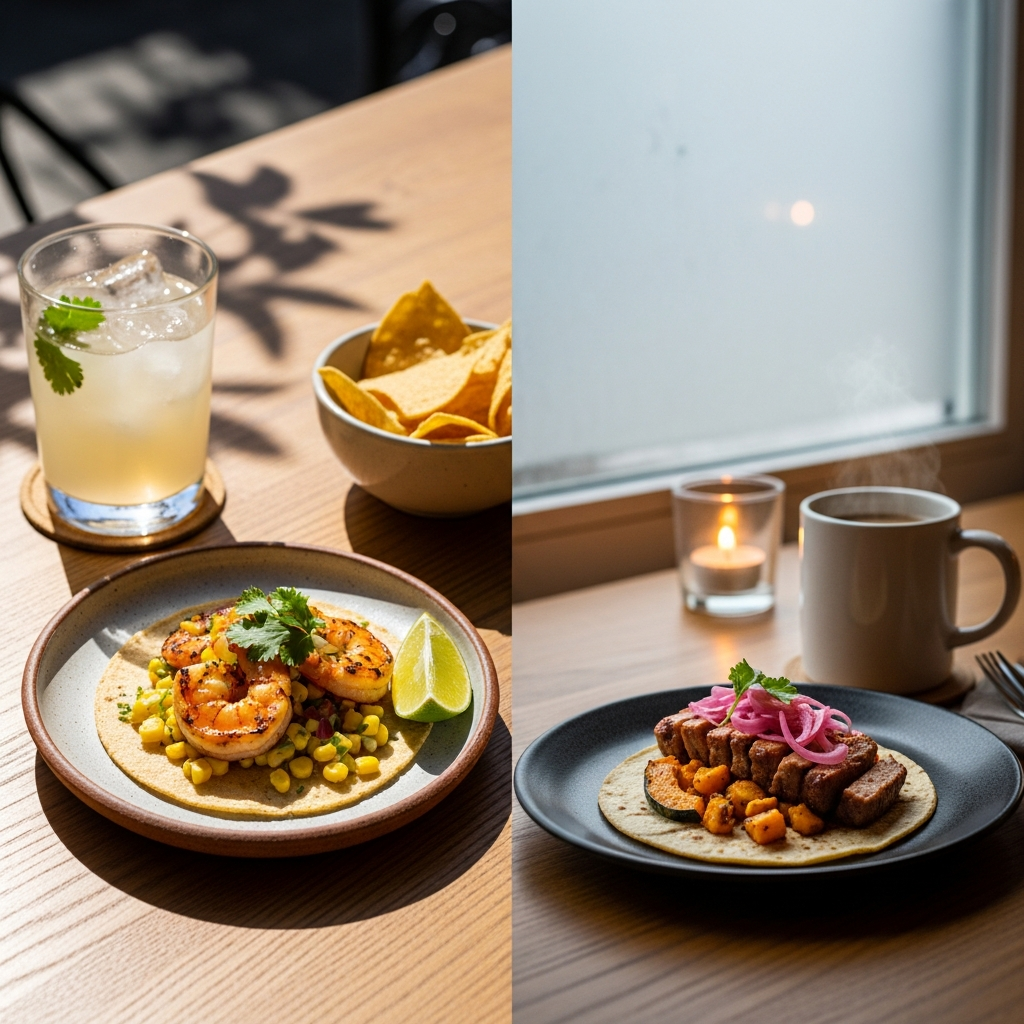
Naperville has two personalities in the kitchen: the bright, patio-ready energy of summer and the cozy, windows-steamed warmth of winter. Tacos translate beautifully between these moods because they’re defined by balance, not by a single set of ingredients. When the sun is high and the Riverwalk thrums with runners and kids chasing ducks, tacos lean toward citrus, crisp vegetables, and quick grilling. When snow softens neighborhood streets and the sky goes quiet at dusk, tacos become comforting—slow braises, roasted vegetables, and warm spices. If you’re looking for an at-a-glance map of how professionals glide between these seasons, take a minute to skim a local taqueria’s menu; you’ll spot the same rhythms you can carry into your own kitchen.
Summer: Brightness, Crunch, and the Kiss of the Grill
Summer tacos in Naperville thrive on immediacy. Tomatoes taste like sunshine, corn is sweet enough to eat raw, and herbs are abundant. The grill becomes the center of gravity. Fish fillets, shrimp, and thin cuts of chicken or steak take on a smoky edge in minutes. A cabbage slaw dressed with lime and a touch of yogurt brings cooling contrast, while quick salsas—pico de gallo, roasted tomatillo, or even a peach-and-jalapeño mix—keep the meal light and playful. The guiding principle is restraint; when the produce is excellent, your job is to highlight rather than complicate.
Tortillas should be treated with the same care as your proteins. Warm them briefly over the grill grates or in a dry skillet until they release a fragrant puff. That warmth wakes up the corn aroma and keeps textures pliable. A good tortilla lets simple fillings sing; a neglected one mutes the song.
Summer Techniques for Flavor Without Heat in the Kitchen
On very hot days, the goal is to keep the house cool while still eating well. Lean on no-cook components and short bursts of high heat. A raw corn salsa sweetened by a lime-salt rub, a tomato-cucumber salad with cilantro, and sliced radishes sprinkled with a whisper of chili powder build a meal that feels abundant. Grill proteins outside or sear quickly in a cast-iron pan, then finish assembly at the table. The result is a dinner that refreshes rather than tires, a practical approach when evenings are filled with softball games and bike rides.
Hydration becomes part of the flavor equation. Lime-forward salsas, cucumbers, and juicy tomatoes add water content that makes the meal feel cooling. If you want a richer note, avocado provides creaminess without weight. The contrast between char and freshness is the signature of a great Naperville summer taco.
Summer Produce: What to Reach for First
Tomatoes, corn, zucchini, peppers, and herbs like cilantro and mint are the building blocks. Grill zucchini coins until marked and tender, toss corn with a smoky chili, and add a handful of chopped herbs to your slaws and salsas. Stone fruits—peaches and nectarines—can play a supporting role in salsas when diced fine and balanced with jalapeño and lime. The aim is a plate that feels like the Riverwalk looks in July: colorful, lively, and easygoing.
Seafood tacos shine this time of year. A lightly seasoned fish pairs beautifully with a citrusy salsa verde, and shrimp love a quick marinade before a fast grill. Keep heat modest on delicate proteins and bring brightness with lime and a gentle crunch with cabbage or radish. You want lift, not heft.
Winter: Comfort, Depth, and the Slow Roast
When winter grips Naperville and the snowplows make their rounds before dawn, tacos shift toward warmth and depth. Slow-cooked meats like chicken simmered with onions and spices, tender beef braises, or roasted pork shoulder provide a hearty foundation. Roasted vegetables—cauliflower, sweet potatoes, poblanos—bring caramelized sweetness. Salsas tilt toward roasted tomatoes and dried chiles, offering a comforting warmth rather than sharp heat. The meal feels like a wool blanket: weighty enough to satisfy, but not so heavy that it sends you to the couch for the night.
Even in winter, balance matters. A quick pickle of red onion or a squeeze of citrus wakes up slow-cooked richness. Yogurt-lime sauce offers a cool counterpoint, and shredded cabbage hangs onto its crunch even against hot fillings. Tortillas warmed thoroughly become especially important; a soft, pliant wrap keeps hearty fillings tidy and enjoyable.
Winter Techniques that Respect Time and Energy
Cold-weather cooking rewards planning. A weekend braise can anchor several weeknight taco dinners. Portion and freeze in small containers, then rewarm gently in a skillet to restore caramelization. Roasting vegetables on a sheet pan while the oven is on for something else makes efficient use of heat. Keep aromatics—garlic, onions, dried chiles—on hand to build flavor without relying on heavy sauces.
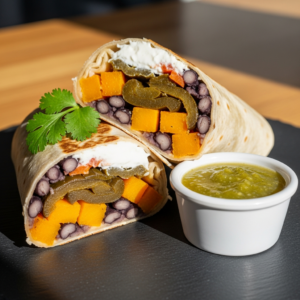
If your schedule is tight, beans become a winter hero. Simmered with cumin, bay leaf, and a splash of lime, they offer protein, fiber, and comfort. Layer them under roasted vegetables or shredded meats, and you’ll have a taco that feels complete without fuss. A bit of cheese used sparingly adds richness, but vegetables should still carry color and crunch to keep the plate lively.
Bridging the Seasons: Transitional Tacos
There’s a shoulder season in Naperville when the air has a bite in the morning and warmth in the afternoon. Transitional tacos shine here. Think charred Brussels sprouts with a bright salsa verde, or grilled chicken paired with a roasted squash salsa. You’re combining techniques across seasons—grill marks for memory of summer, roasted depth for the promise of winter. Lime remains your best friend, giving coherence to a plate that might otherwise feel undecided.
Another transitional move is to shift texture rather than ingredients. Keep a favorite summer salsa but layer it over a roasted base, or take a winter braise and top it with a raw herb salad. The interplay keeps meals interesting and eases the switch from sandals to boots and back again.
Kids, Families, and Crowd-Pleasers Year-Round
Families in Naperville often need one meal to make many people happy. Tacos oblige by design. In summer, set out bright, mild salsas and a quick-grilled protein, then let kids build their own plates. In winter, offer a gentle braise and crunchy slaw, with a spicier sauce on the side for adults who want extra warmth. Because components are modular, you can satisfy a wide range of tastes without cooking multiple dinners.
For picky eaters, start with familiar flavors: lightly seasoned chicken, shredded lettuce, and a mild salsa. Add one new element each week—maybe a roasted vegetable or a herb-forward topping—until the plate reflects the variety the rest of the family enjoys. Over time, curiosity becomes habit.
Naperville Pantry Essentials for All Seasons
Stock a core set of ingredients that function whether it’s January or July. Good tortillas, canned or dried beans, onions, garlic, limes, and a couple of dried chile varieties anchor flavor. Keep vinegar for quick pickles, and a neutral oil for high-heat cooking. With these basics, you can adapt to what the market offers and to the weather outside your window. The pantry becomes your steady base; seasonality supplies the flourish.
When you build a pantry around flexibility, grocery trips become less stressful. You’re gathering possibilities rather than fixed recipes, and tacos welcome that kind of improvisation. Once you’ve tried a few seasonal combinations, you’ll start to see patterns and trust your instincts.
Entertaining at Home: Seasonal Spreads
Entertaining becomes easier when you lean into the season. In summer, a spread might feature grilled fish, a raw tomato-corn salsa, and a crisp cabbage salad. In winter, serve a slow-cooked meat, roasted vegetables, and a warm salsa roja. Limit yourself to a few well-executed items rather than a dozen small bowls. This keeps the table organized and the flavors focused, so guests can assemble clear, satisfying bites and return for more.
Set up a tortilla-warming station so every taco starts with heat and aroma. A stack wrapped in a towel near a dry skillet or griddle gives guests confidence and keeps textures ideal. Little rituals like this elevate the entire experience.
Health and Comfort: Two Sides of the Same Coin
Seasonal tacos show that health and comfort can coexist. In summer, vegetables do much of the heavy lifting, supported by lean proteins and a touch of healthy fat from avocado. In winter, the comfort of a braise is balanced by acidity and crunch. The unifying idea is moderation expressed as composition: each taco is a small, tuned arrangement where no single element dominates. When you think this way, you naturally avoid the excess that makes a meal feel heavy.
Portion control becomes intuitive, too. Two or three tacos, each built for contrast, tend to satisfy without the need for a fourth. You taste everything, feel content, and still have energy for an evening walk or a board game with the family.
Learning from Restaurants, Cooking with Confidence
Restaurants in town offer a valuable classroom for seasonal cooking, and the lessons translate directly to home. Notice how a kitchen balances a rich filling with a bright salsa, or pairs grilled fish with a herbaceous slaw. Pay attention to how tortillas are treated and how heat is used to deepen flavor. A concise, thoughtful menu often reveals seasonal shifts in real time, providing a template you can adapt with what’s in your fridge.
Confidence grows when you repeat a few techniques until they feel natural: warming tortillas properly, making one reliable salsa, and using high heat for quick char. With those tools, you can improvise across seasons without a recipe in hand.
FAQs
Here are the questions Naperville neighbors ask most when planning seasonal taco nights at home.
What fish works best for summer tacos?
Mild, flaky fish like tilapia, cod, or mahi-mahi handle the grill well and pair beautifully with citrusy salsas and crisp slaws. Keep seasoning simple and use medium heat to prevent sticking.
How do I keep winter tacos from feeling heavy?
Balance rich fillings with acidity and crunch. Add pickled onions, a limey slaw, or a spoon of salsa verde. Warm tortillas thoroughly and avoid over-saucing proteins so textures stay lively.
Can beans carry a winter taco on their own?
Yes. Season beans with aromatics and spices, roast a tray of vegetables, and finish with a bright salsa or a squeeze of lime. The combination satisfies without the need for meat.
What’s the simplest seasonal upgrade for summer?
Add a raw corn and tomato salad with lime and cilantro. It takes minutes, adds color and sweetness, and makes even a basic grilled chicken taco feel special.
How should I warm tortillas for a crowd?
Heat in batches on a dry skillet or grill, then stack in a clean towel inside a lidded pot to hold warmth. Refresh the stack every few minutes to keep the top layers supple.
Do herbs matter in winter tacos?
Absolutely. Cilantro, green onions, and even a bit of mint can cut through richness and make slow-cooked fillings feel fresher. Herbs are a small effort with a big payoff.
If you’re ready to let the seasons guide dinner, start simple this week: one grilled element, one bright salsa, and one crisp accent in summer; one slow-cooked base, one roasted vegetable, and one fresh counterpoint in winter. And when you want inspiration or a ready-made celebration, explore the full menu, choose a combination that fits the weather, and bring the taste of Naperville’s seasons to your table tonight.