If you’ve ever unwrapped a taco by the Riverwalk only to find the tortilla has gone cool and stiff, you know how quickly a great idea can lose its spark. Warm tortillas are the foundation of a satisfying taco: they bend without cracking, cushion fillings, and release that gentle corn or wheat aroma that signals you’re about to eat well. In Naperville, where meals often move—from kitchen to car, from counter to park bench—keeping tortillas warm isn’t just a cook’s trick; it’s a local life skill. If you’re planning a picnic, tailgate before a North Central College game, or an easy dinner after a long Metra ride home, a little know-how goes a long way. A glance at a reliable taco menu will help you match tortillas to fillings, but the real secret is temperature and timing.
Why tortilla temperature matters so much
Temperature affects both texture and flavor. A warm tortilla flexes and seals around fillings; a cold one fights back and can split under pressure. Heat coaxes out fragrance, whether it’s the toasty sweetness of corn or the buttery softness of flour. When tortillas are kept warm—and not wet—they behave like an extension of the filling rather than just a wrapper. This matters on a breezy spring afternoon by Fredenhagen Park as much as it does at the kitchen table when everyone shows up hungry at once.
Skillet, comal, or grill: choosing your heat
At home, a dry skillet is your most dependable tool. Cast iron holds heat well and builds a light char if you want it. Heat over medium-high and warm each tortilla for 30 to 45 seconds per side until pliant and slightly speckled. If you have a comal, even better; it gives you more surface area to work in batches. Grills add a faint smoke that can be magical with carne asada or rajas; just avoid high flames that turn tortillas brittle. The goal is suppleness, not crispness, unless you’re intentionally going for a crunchy style.
The wrap-and-rest method
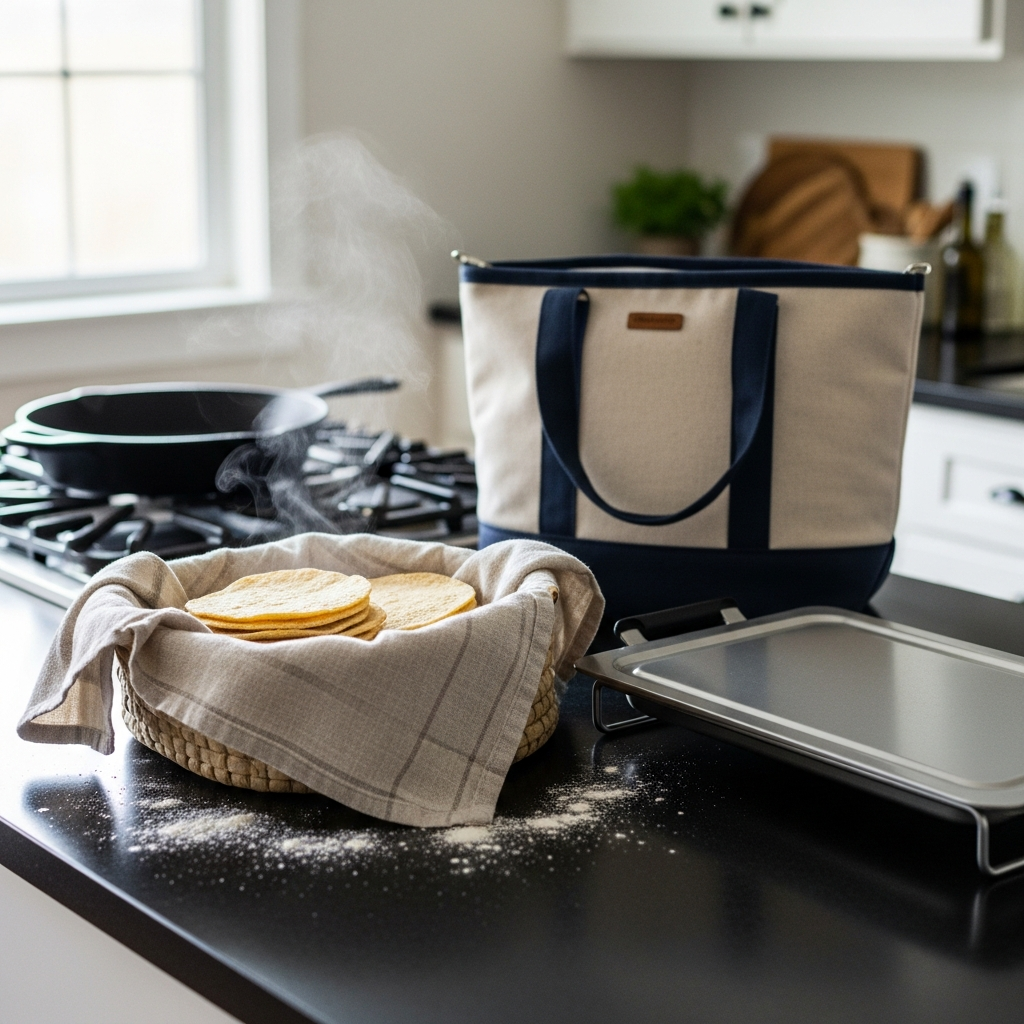
Warming tortillas is only half the job; holding them is where many home cooks stumble. As soon as a tortilla is ready, stack it in a clean, folded towel or wrap it in a cloth napkin and place it into a lidded container. The towel traps gentle steam and the container guards against drafts. This method keeps tortillas warm for 20 to 30 minutes—ample time to bring them to the porch or pack them into the car for a quick drive to your favorite Riverwalk bench.
Steam without sog
Steam can keep tortillas tender, but too much moisture turns them gluey. If you prefer steaming, use a steamer basket for a minute or two at most, then transfer immediately to a towel-lined container. The towel absorbs condensation and preserves that elusive balance between soft and supple. This approach is helpful for slightly older tortillas that need extra coaxing to behave.
Oven holding for larger groups
When you’re feeding a crowd—say, family and neighbors gathering after an afternoon at Centennial Beach—the oven becomes your ally. Set it to low (around the warming setting) and place a towel-lined baking dish inside. As you warm tortillas on the stove, move them to the dish and cover with the towel. The residual heat maintains an ideal temperature without drying. Rotate the stack occasionally so the bottom tortillas don’t over-steam.
Flour versus corn: small differences, big results
Flour tortillas like gentle heat and benefit from a quick kiss of warmth that softens their structure without toughening. Corn tortillas, especially those made from fresh masa, appreciate a more assertive heat to unlock aroma and elasticity. House-made or nixtamal tortillas can be slightly thicker and love the direct contact of a hot surface. Pay attention to smell: when the corn perfume blooms and the tortilla drapes over your fingers, it’s ready.
Transport tactics for Naperville weather
Our seasons demand flexibility. In summer, protect warm tortillas from direct sun, which can turn them limp. In winter, guard them from dry, cold air that stiffens them quickly. An insulated bag or small cooler lined with a towel works year-round. Keep the container closed until assembly, and only open it briefly to remove what you need. The less you disturb the microclimate inside, the longer your tortillas stay perfect.
Timing your assembly
If you’re meeting friends downtown, resist the urge to assemble tacos at home. Pack warm tortillas separately from the fillings. When it’s time to eat, build each taco moments before taking a bite. This simple habit prevents steam from wet fillings from degrading the tortilla. It also lets everyone customize spice and acidity to taste, which is half the fun.
Reviving tortillas that cooled off
It happens: the conversation runs long, or the scenic route to the Riverwalk proves irresistible. If tortillas cool, don’t panic. A quick pass back over medium heat will restore flexibility. If you’re outside without a heat source, layer tortillas between warm fillings for a minute to borrow heat, or wrap them in a towel with a reusable hand warmer nearby—Naperville ingenuity at its finest.
Batching like a pro
For parties, designate a tortilla station. One person warms, another stacks and wraps, and a third manages the covered dish in the low oven. Rotate roles so no one is tethered to the stove all evening. With even a loose system, you’ll maintain a steady supply of warm tortillas and keep the conversation flowing while the food stays in its sweet spot.
Signals of a well-warmed tortilla
Your senses will tell you when you’ve nailed it. A warm tortilla bends easily without cracking, releases a faint puff of aroma when folded, and shows a few freckles from the heat. When you press it gently, it springs back rather than feeling doughy. These are the cues professionals use, and once you internalize them, you’ll find your tacos taste better even with simple fillings.
The restaurant angle: ordering smarter
Many Naperville taquerias are already masters of the hold-and-serve rhythm. Still, there are ways to help them help you. If you’re dining in, time your order so the table is ready for the food, minimizing cool-down. For takeout, request tortillas and juicy components packed separately, and ask that tortillas be wrapped in paper or a towel rather than sealed plastic, which traps moisture. Back home, slide the wrapped stack into a low oven while you set the table. Small asks yield big results.
Flavor pairings that work with warm tortillas
Heat isn’t just about texture; it’s about flavor release. Warm tortillas amplify citrus and cut through richer meats. If you love bright salsas, you’ll notice they taste cleaner against a properly heated corn base. For buttery flour tortillas, lean into fillings with smoke and char—think seared steak, grilled peppers, or smoky beans. When in doubt, preview combinations by scanning a local menu and noting which tortillas pair with which fillings; then recreate that logic at home.
Kid-proof and crowd-proof tactics
Keep a second, smaller towel-wrapped stack for kids so tiny hands don’t fumble with a hot pile. For crowds, portion stacks in tens so you’re not opening and closing a single large bundle. Replenish as needed and you’ll avoid the last-minute scramble where everyone rushes the dish at once.
Storage, freezing, and making the most of extras
Fresh tortillas taste best the day they’re made, but you can keep them in the fridge for a few days sealed and then restore them with heat. For longer storage, freeze in small bundles with parchment between them, then warm from frozen on a skillet. Avoid microwaving straight from the freezer, which can create pockets of steam that turn gummy. Treat tortillas like bread: warmth and timing matter more than tricks.
FAQ
Q: What’s the single biggest mistake people make when keeping tortillas warm?
A: Over-steaming. Too much trapped moisture turns tortillas sticky and fragile. Use a towel-lined container that absorbs condensation and maintains gentle heat.
Q: How long will tortillas stay warm in a towel-lined dish?
A: Typically 20 to 30 minutes, depending on the room temperature and how often the container is opened. For longer windows, pair the dish with a low oven or an insulated bag.
Q: Can I keep tortillas warm on an electric warming tray?
A: Yes, if it’s set low and the tortillas are covered with a towel to prevent drying. Check every few minutes and rotate the stack to keep heat even.
Q: What’s the best way to transport warm tortillas to the Riverwalk in winter?
A: Pack them in a towel-lined, lidded container placed inside an insulated bag. Keep the bag closed until you’re ready to assemble, and build tacos one by one to minimize exposure to cold air.
Q: Are house-made corn tortillas handled differently than store-bought?
A: House-made tortillas often need slightly higher heat and shorter warm times. They reward the attention with better aroma and elasticity, but they can over-steam if held too long, so keep them wrapped and serve promptly.
Bring the warmth with you
Good tortillas don’t happen by accident; they happen because someone paid attention. In a town that values quality time and simple pleasures, that care is part of the meal. Whether you’re meeting friends by the DuPage River or feeding a hungry table at home, keep your tortillas warm, your salsas bright, and your timing easy. When it’s time to plan your next spread, take a moment to browse the taco menu, pick the tortillas and fillings that fit the occasion, and serve tacos that feel as welcoming and warm as Naperville itself.