The Beating Heart of a Naperville Block
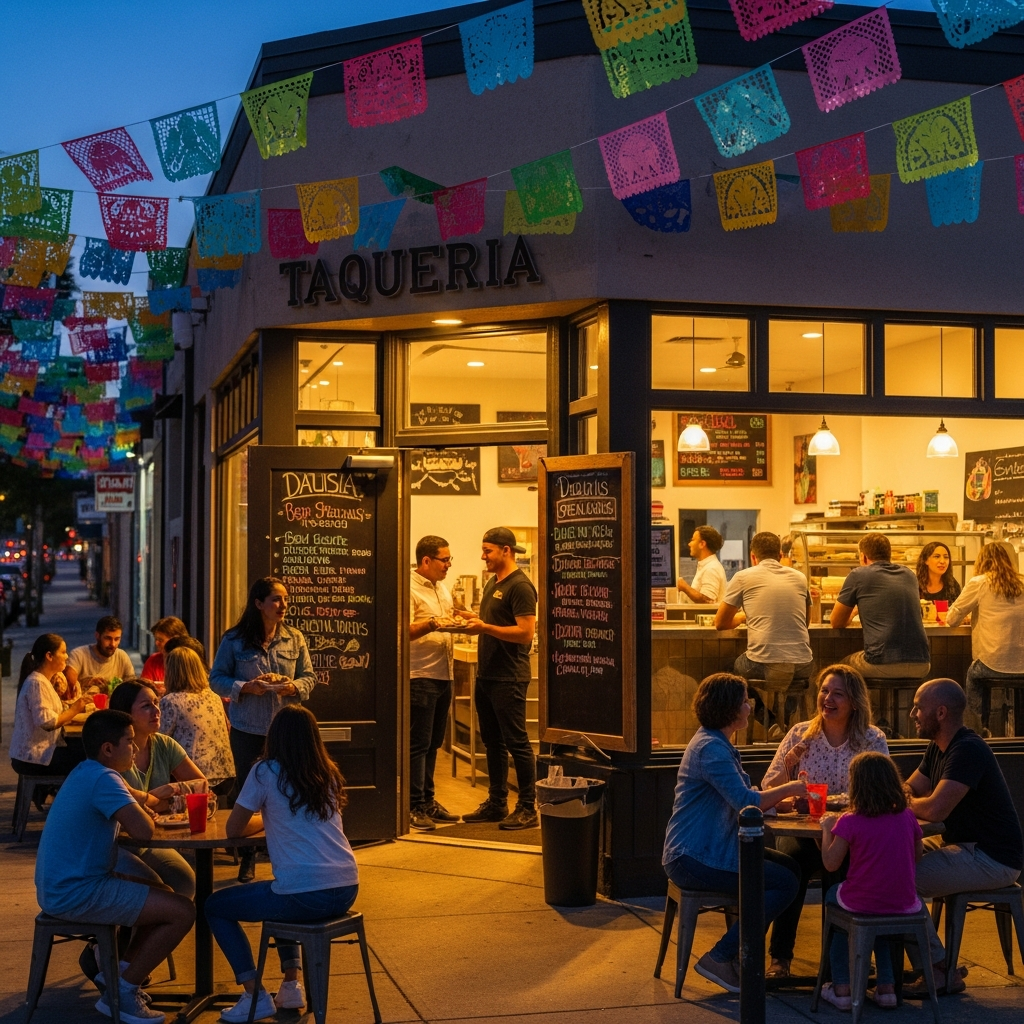
Walk past a lively corner in Naperville on a crisp evening and you’ll likely hear the quick hiss of a hot plancha, the brief laughter of friends meeting after work, and the warm greeting that signals you’ve stepped into a taqueria that knows your name. Neighborhood dining here is about more than convenience; it is about belonging. A local taqueria can anchor a block, bridging generations, languages, and schedules under the same roof. Before you even sit down, a glance at the menu tells you there’s room for everyone: spice-lovers and mild palates, families with energetic kids, joggers from the Riverwalk, and teams grabbing a bite after a game.
Why does that matter? Because food is one of the few rituals we all share, and a neighborhood taqueria keeps that ritual close by, accessible, and joyful. It’s a place that rewards spontaneity—deciding at six that you’d like tacos at six-fifteen—and it rewards routine, too. The cook who remembers your favorite salsa becomes part of your week the way the library or the park does, each visit smoothing out the bumps of a long day.
Culture You Can Taste
A neighborhood taqueria in Naperville is both archive and stage. Recipes carry ancestry in their spice blends and cooking methods, yet each plate must perform in the present. Consider al pastor, layered onto a trompo and kissed with pineapple as it turns. There’s a rhythm to shaving that meat, a practiced speed that keeps lines moving while honoring the caramelized edges that make it special. Birria, meanwhile, is patient; it asks for time to develop its richness, for chilies to settle into broth and meat. When these traditions arrive in a neighborhood setting, they aren’t museum pieces; they’re living, breathing parts of daily life.
You can feel that in how the dining room functions. On a weekday, it’s a quick-service engine for office workers along Ogden Avenue. On weekends, it’s families celebrating a soccer victory or friends catching up after the farmers market. The taqueria adapts without diluting its identity, keeping quality steady while letting the crowd’s mood shape the pace and soundtrack.
Local Economies, Real Impact
Neighborhood restaurants do more than feed us; they circulate energy and resources here at home. A taqueria that orders produce from trusted vendors, hires local staff, and participates in community events stitches itself into Naperville life in tangible ways. Each weekday lunch rush allows a few more sponsorships for youth teams, a few more flexible shifts for students, a few more opportunities to showcase culinary careers to the next generation. Those benefits echo in the smallest details: a front-of-house employee who recommends a downtown art event, or a cook who shares a tip about reheating tortillas for the perfect next-day taco.
There’s also resilience in neighborhood scale. During snowstorms or heat waves, local spots often pivot quickly—adapting hours, offering curbside pickup, and adjusting prep to serve the crowd that can safely make it in. That nimbleness keeps flavor and familiarity available when routines are otherwise disrupted. It’s one reason regulars talk about “their” taqueria with the affection usually reserved for a favorite neighbor.
Hospitality as Everyday Care
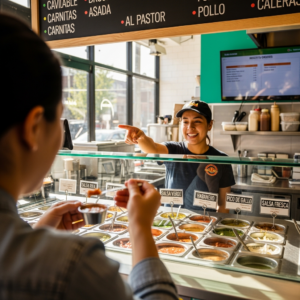
Hospitality here isn’t scripted; it’s practical kindness. The staff member who notices a wobbly highchair and swaps it out before anyone asks. The cook who slides a fresh tortilla onto the griddle after seeing your plate is almost ready, so it arrives warm and pliant. The cashier who offers a targeted salsa suggestion, not a generic “it’s all good.” Those tiny acts create trust, and trust changes how food tastes. When you know someone is watching out for your experience, you relax. Your palate opens up. The lime tastes brighter, the char tastes smokier, and the bite coheres.
That trust is contagious. You bring friends, colleagues, and visiting family because you know the rhythm is right—orders paced to the table, music that hums without drowning conversation, flavors calibrated to please adventurous and cautious eaters alike. Before long, you’ve built a shared map of favorites, inside jokes around a late-night craving, and rituals like a post-game taco run that turns ordinary evenings into memories.
Food That Reflects the Seasons
Naperville’s weather asks restaurants to be nimble. Summer brings produce that begs to be served raw and bright—tomato-heavy pico de gallo, herb-forward salsas, and juicy citrus squeezed at the counter. Fall drifts into toasted chilies, roasted vegetables, and stews with the kind of warmth you can feel in your shoulders. Winter favors deeper braises, thicker tortillas, and the kind of hearty flavors that make stepping back into the cold feel bracing rather than daunting. A neighborhood taqueria responds to those shifts with specials and subtle adjustments, seasoning plates to match the moment outside.
These seasonal touches are not gimmicks; they’re respect. They acknowledge the context in which you eat, the city you have to walk back through after you put down your fork. That sensitivity amplifies satisfaction. A crisp, cilantro-forward salsa on a July afternoon rings like a bell. A bowl of consomé in January meets you exactly where you are, on the long sidewalk between the door and your warmed-up car.
The Soundtrack of the Line
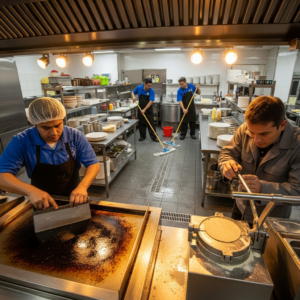
Watch a good taqueria during the lunch rush and you’ll see something like choreography. Tortillas warm in a steady cadence, tickets whip past the pass, and garnishes appear in just the right order: onions and cilantro first, then a squeeze of lime, then a final check for balance. That repetition is anything but boring. It’s craft. It’s how a kitchen delivers consistency, which is the quiet promise behind every memorable neighborhood place: you can come back tomorrow and the same joys will be waiting.
Consistency doesn’t mean stagnation, though. Specials rotate in, new salsas try out their voices, and the team listens to feedback. Sometimes a side dish graduates to the main stage because customers request it again and again. Sometimes a marinade leans smokier in winter and zestier in summer. The line becomes a conversation between cooks and community, in a language made of heat, citrus, and crunch.
Inclusivity, One Plate at a Time
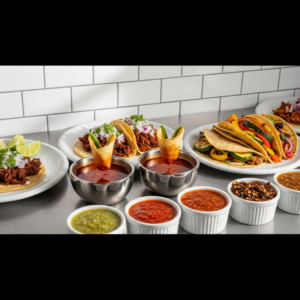
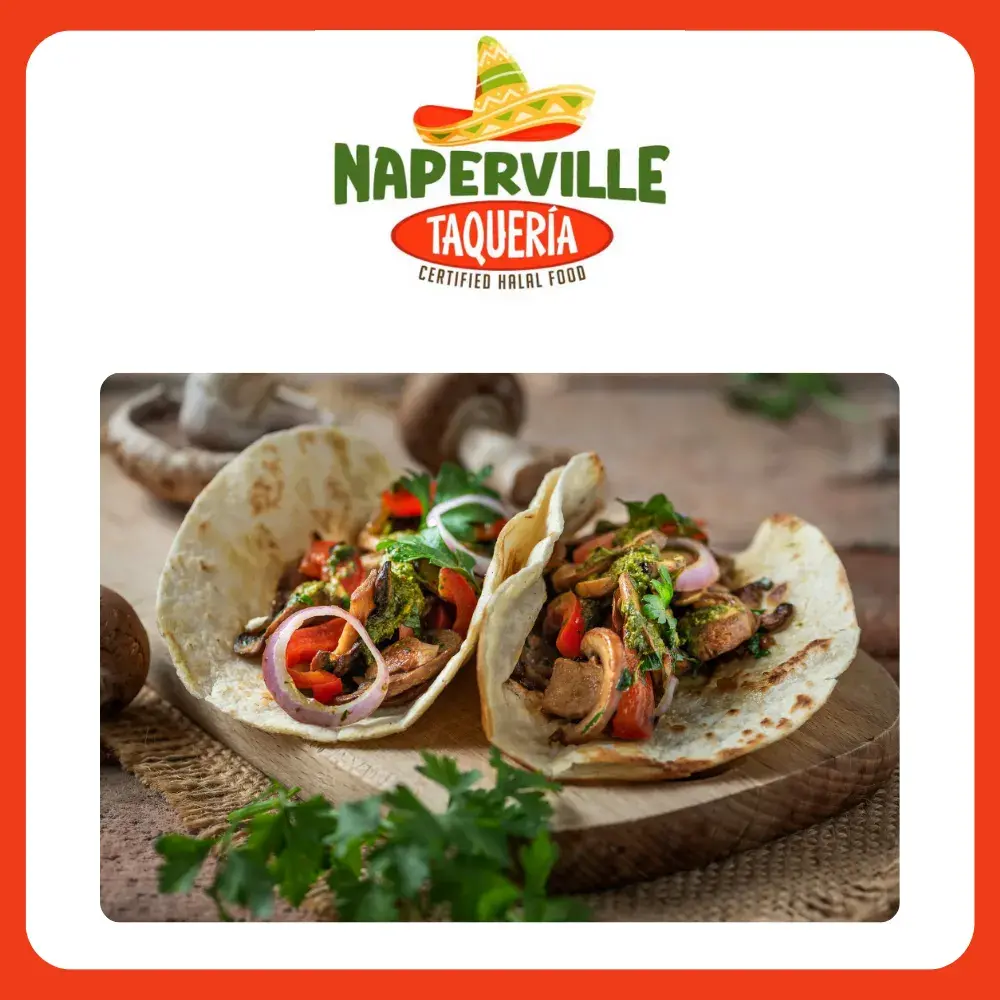
Neighborhood means everyone, and a taqueria proves it by designing an experience that welcomes different diets and appetites without compromising flavor. Meat-eaters find satisfaction in grilled steak, carnitas with crisp edges, and al pastor shaved thin. Vegetarians discover depth in mushrooms with epazote, cactus with lime, and charred vegetables made punchy with salsa verde. Dairy-free diners stick to salsas that sing and garnishes that pop. Kids get tacos that fit small hands and big appetites. When a single counter can meet all those needs with equal care, you’re looking at a restaurant with strong bones and a generous heart.
That inclusivity extends beyond the food. The vibe is neighborly rather than performative. You can bring a laptop for a quick bite between meetings, or you can settle into a booth after a stroll along the Riverwalk. You might catch a staff member waving to someone passing by the window, evidence that the taqueria doesn’t just sit in the neighborhood—it participates in it.
How to Order Like a Regular
Ordering at a neighborhood taqueria is part instinct, part curiosity. Start with a staple—your go-to taco, bowl, or platter—then add something that stretches your palate. Ask which protein just came off the heat. If you’re spice-shy, request salsa on the side and add it gradually. If you love texture, ask for a meat with crispy edges or a vegetable that’s been seared rather than stewed. Mid-meal, glance back at the menu and see if a daily special or a seasonal salsa catches your eye. Becoming a regular is simply about noticing what makes you happiest and inviting the kitchen to meet you there.
Takeout benefits from a few smart moves. Choose fillings that travel well if your drive is long, keep tortillas separate until you’re ready to eat, and rewarm them on a dry skillet to restore their suppleness. These little tactics safeguard texture and keep the soul of the meal intact by the time you reach the kitchen table.
Frequently Asked Questions
Why does a neighborhood taqueria feel different from a chain?
Local ownership and on-site decision-making create agility. Cooks can adjust seasoning to match a batch of chilies, managers can tailor service to a rainy rush or a sunny lull, and menus can respond to community feedback quickly. That nimbleness translates into food that tastes alive rather than standardized.
How can I introduce picky eaters to tacos?
Start with simple, familiar flavors—grilled chicken, mild salsas, and fresh toppings. Encourage a single adventurous addition, like a squeeze of lime or a new salsa on the side. A neighborhood setting, where staff are patient and the atmosphere relaxed, makes first-time taco eaters feel safe to explore.
Is it okay to customize heavily?
Yes, as long as you aim for balance. If you remove onion and cilantro, add a bright note like radish. If you skip cheese, consider a richer salsa to maintain body. The goal is to preserve the harmony the kitchen built while adapting it to your tastes.
What’s the best time to avoid a rush?
In Naperville, mid-afternoon between the lunch and dinner waves is usually quietest. Early evenings can be brisk, especially on weekends or after community events. If you’re in a hurry, ordering ahead and picking up curbside is a smart move.
Do vegetarian options deliver the same satisfaction?
They can, and they should. With proper searing, smart seasoning, and vibrant garnishes, vegetable-forward tacos achieve depth and complexity. Look for mushrooms, cactus, and charred corn as strong contenders.
How does seasonality change the experience?
Summer skews bright and raw with crisp salsas and lighter textures, while winter leans into braises and warmth. Specials often reflect what’s best from vendors at any given time, keeping the neighborhood table in step with the city’s mood.
Bring the Neighborhood to Your Table
Naperville thrives on places that feel personal, and a neighborhood taqueria is among the most welcoming of them all. For a dinner that tastes like community—alive with conversation, full of color, and anchored by technique—explore the menu, invite a friend, and let the counter crew guide you toward your new favorite order. The door is open, the plancha is hot, and your seat is waiting.