Keeping a Taqueria Running Strong in Naperville
Behind every perfect taco is a web of routines that never quite clocks out. In Naperville, where winters challenge sidewalks and summers fill patios, maintaining a taqueria means tending to gear, spaces, and systems with care. Owners who treat maintenance as a daily ingredient notice the results in flavor, guest satisfaction, and staff morale. It begins with a plan, a tight loop of observation and action, and a mindset that respects how small tasks compound into big wins. Glance at your menu and you’ll see the promise your operation makes: consistency, warmth, and a rhythm guests can set their week to. Maintenance is how you keep that promise.
Think of maintenance as choreography. The griddle’s sheen, the tortilla press’s alignment, the hood’s pull, the cooler’s gasket—all these details set the stage for reliable service. When they hum, staff move with less friction, tickets read cleaner, and food reaches guests at its peak. When they stumble, even great recipes feel sluggish. The goal isn’t perfection; it’s resilience—a system that absorbs rushes, weather, and minor failures without breaking stride.
The Plancha: Seasoning, Heat, and Discipline
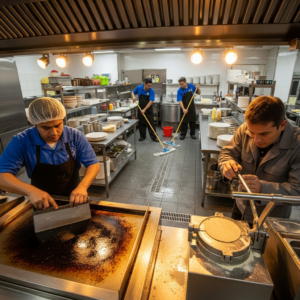
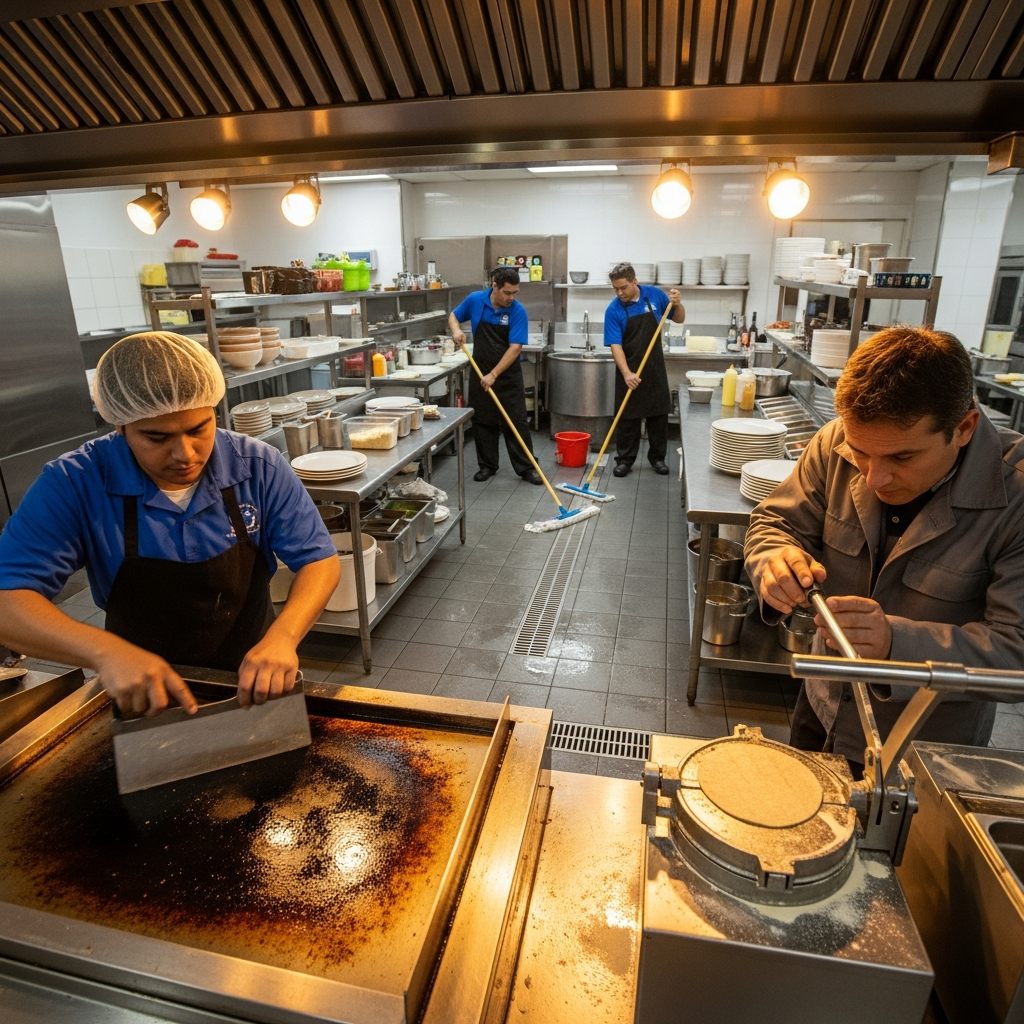
The plancha is the taqueria’s heartbeat. Keep it seasoned and level so fat flows predictably and proteins sear evenly. A gentle nightly scrape followed by a thin oil coat prevents carbon buildup and preserves that glossy, nonstick surface you depend on for carne asada and tinga. Each morning, bring the surface up to temp gradually to avoid hot spots that char before the interior cooks. During service, designate zones: one for high sear, one for finishing, one for vegetables. This zoning maintains flavor clarity and speeds execution.
Periodic checks with an infrared thermometer expose uneven heating and help you rotate heavy-use zones. Staff learn to read the plancha’s sound—the quick hiss of high heat versus the dull sizzle that signals a lull. That literacy translates to fewer re-fires and tighter ticket times, which guests feel as hotter, crisper plates.
Tortilla Workflow: Press, Warm, and Hold
Tortillas are too important to leave to chance. Calibrate your press for consistent thickness, checking hinges and plates for wobble. If you nixtamalize in-house, standardize soak, cook, and grind times, and keep a small log so shifts inherit yesterday’s hard-earned lessons. Warm tortillas to order whenever possible, stacking them just long enough to trap steam without turning edges soft. A brief rest lets moisture equalize; too long, and you drift toward sogginess.
For takeout, separate warm tortillas from wet fillings and vent containers to prevent condensation. Training staff to refresh tortillas on a dry comal for a few seconds before plating is a small act with outsized impact. The aroma alone tells guests you care.
Hood, Air, and the Comfort of the Room
A balanced hood system is quiet hospitality. Strong capture keeps smoke from clinging to clothes and preserves airflow that cooks depend on during heavy sears. Clean filters on a consistent schedule, and check belts and bearings before they complain with noise. A slight negative pressure toward the kitchen protects the dining room from stray smoke while keeping the line cool enough for speed.
Comfort isn’t only temperature; it’s sound and smell. A well-tuned system keeps the dining room bright with the scent of fresh tortillas and grilled meat without overwhelming guests. Seasonal checks matter in Naperville: winter doors cycle open with guests, and summer humidity can burden make-up air. A quick quarterly audit heads off the complaints that never reach you because they evaporate before becoming problems.
Cold Chain Confidence
Flavor loves cold that is steady, not extreme. Verify cooler gaskets for a tight seal, clean condenser coils so compressors rest between sprints, and keep thermometers visible. Line coolers deserve special attention—they’re the first to show stress during a rush. Rotate pans so the cold well recovers quickly, and store backups a few steps away to minimize lid time. Staff should treat doors like ovens: open decisively, close immediately. Small habits preserve temperature, texture, and safety.
During storms or outages, have a protocol. Designate one person to monitor temps, consolidate inventory, and avoid repeated door opens. Clear, rehearsed steps turn an anxious moment into a confident response and protect both product and peace of mind.
Salsa Station and Knife Culture
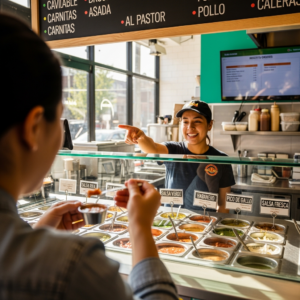
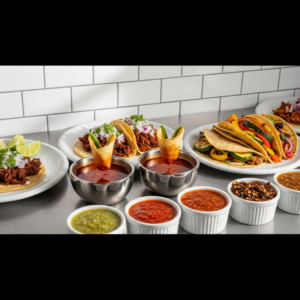
A salsa station is both showpiece and workhorse. Keep ingredients prepped in uniform dice so flavors mingle evenly and spoons portion without flooding plates. Replace spoons and tongs frequently, and wipe rails before they signal neglect. Store backup containers in labeled, dated batches, rotating first-in, first-out. When the line is moving fast, this is where mess tries to gather; a tidy station telegraphs care and reduces cross-contamination risk.
Knives are morale. Sharp blades mean cleaner cuts of grilled meat, precise onion dice that release aroma rather than water, and faster prep with fewer injuries. Build a sharpening cadence into the week: quick steel hones daily, stone sessions on slower afternoons, and professional service on a schedule. Teach pinch grip and stable cutting surfaces so new hires join the culture quickly and safely.
Floor, Drains, and the Battle Against Slip
Kitchen floors tell on you. Degrease at close, squeegee toward well-maintained drains, and train staff to salt slick spots with absorbent compound mid-service without drama. Mats need regular cleaning; a dirty mat is false security. In the dining room, choose entry rugs that can drink a winter’s worth of slush and still lie flat. A quiet slip-and-fall prevention routine protects guests and keeps team focus on the food.
Drains deserve gratitude. Schedule enzyme treatments to reduce buildup, and check traps before they complain. Back-of-house backup during a rush is chaos; a preventive approach turns plumbing into background music rather than a surprise drummer.
Windows, Light, and the Invitation to Stay
Clean windows and consistent, warm lighting make tacos taste better by changing how guests feel. Natural light during lunch helps the food pop on the plate, while evening tones relax the room without draining color from salsas and garnishes. Replace bulbs as a batch to keep tones consistent, and dust fixtures on a cadence that defies the quiet creep of grease. These are finishing touches that whisper rather than shout, but guests hear them.
Signage is part of that light. Menus that are easy to read, with specials that feel current, reduce friction at the counter and free staff to offer the kind of guidance that builds loyalty. Mid-meal, a visible reminder of new items nudges curiosity without a hard sell.
Training as Maintenance
Well-trained staff maintain equipment by default. When cooks understand why the plancha needs a thin oil coat instead of a deep pour, or why line coolers must stay closed between tickets, your gear ages gracefully. Cross-train so closing tasks are universal knowledge, not a mystery guarded by one veteran. Rotating responsibilities keeps standards shared and fatigue at bay. A short, focused daily huddle clarifies priorities, notes any equipment quirks, and celebrates small wins that might otherwise go unnoticed.
Service training matters just as much. Teach the language of components—tortilla, protein, salsa, garnish—so orders are built clearly even at peak rush. Encourage staff to read the room: offer samples to spice-wary guests, suggest travel-friendly fillings for takeout, and refresh tortillas just before plating. These habits reduce remakes, protect margins, and produce happier tables.
Health, Inspections, and the Calm of Readiness
Running a tight ship in Naperville means staying inspection-ready, not scrambling when a visit lands. Keep logs visible for temperature checks, sanitizer strength, and date marking. Store chemicals away from prep areas, label everything with legible dates, and audit your handwashing stations for soap, towels, and unobstructed access. A culture of readiness lowers stress and keeps energy pointed toward hospitality rather than firefighting.
Cooling and reheating are frequent pressure points. Standardize shallow pans for rapid cooling, vent hot items before lidding, and verify reheat temps with thermometers that staff use and trust. Confidence in these basics reduces waste and sustains flavor integrity across shifts.
Winter, Summer, and the Naperville Factor
Seasonality challenges operations as much as menus. In winter, maintain door sweeps to block drafts, salt walkways preemptively, and set up a mud rug system so melted snow doesn’t migrate to the line. Back entrances need the same care as the front; a slick delivery path turns routine drops into hazards. In summer, calibrate HVAC to handle open-door bursts and consider shade solutions if you offer outdoor seating. Condensation can creep into coolers during humid spells; anticipate by checking gaskets and defrost schedules more frequently.
Power swings and storms ask for backup plans. Know where your breakers are, keep flashlights charged, and train a small team on what to move where when minutes matter. A short drill once a quarter transforms a potential scramble into a near-non-event.
Vendors, Inventory, and the Rhythm of the Week
Your maintenance calendar should sync with deliveries. Schedule deep cleans of the line and floor pulls on days when coolers are leaner. Rotate stock intelligently so the newest produce doesn’t bury older items. Build relationships with reps who understand your standards—who can flag a batch of tomatillos that’s too small for roasting or onions that will weep in pico de gallo. Their eyes on product quality are an extension of your own.
Back-of-house organization is flavor maintenance. Clear labels, dated containers, and consistent shelving logic turn prep into muscle memory. When the line hits top speed, that organization shows up as calm and speed rather than drawer dives and guesswork.
Community as Infrastructure
In a neighborhood business, community functions like infrastructure. Sponsoring a youth team, donating to a school event, or offering a quiet table for a local meeting invests goodwill that returns as steady traffic and patient lines when the weather turns or a special draws a crowd. Staff who live nearby become ambassadors; their pride shows in how they plate, greet, and recover from hiccups. In a competitive dining scene, those human connections act like shock absorbers.
Listening posts matter. Invite feedback on new salsas, seasonal specials, and takeout packaging. A small QR for private comments or a friendly nudge at the register—“tell us what you think about the new verde”—yields data you can act on before patterns become problems.
Maintenance Metrics That Matter
Measure what keeps flavor steady and service smooth. Track ticket times at peak, remakes by category, and temperature variances on line coolers. If carnitas crisp inconsistently after 7 p.m., dig into plancha zones or batch timing. If takeout complaints cluster on humid days, audit packaging and venting. Small dashboards—visible to the team, not just owners—turn goals into shared games and keep improvements rolling.
Celebrate the boring wins: a month with zero drain backups, five weeks of steady cooler temps, a quarter without a single late-night plancha scrape missed. Those wins are the scaffolding that holds your guest experience aloft.
Frequently Asked Questions
How often should I deep-clean the plancha?
Lightly scrape and oil nightly, with a more thorough de-carbon and re-season weekly or biweekly depending on volume. Monitor hot spots and rotate zones so wear distributes evenly. A clean, seasoned surface preserves sear quality and prevents off-flavors.
What’s the best way to keep tortillas perfect during a rush?
Press or warm to order when possible, stack briefly to equalize moisture, and refresh on a dry comal just before plating. For takeout, keep tortillas separate and wrapped, vent hot fillings, and coach guests to rewarm quickly at home.
How can I reduce sogginess in takeout tacos?
Choose travel-friendly fillings, pack salsas on the side, use vented containers, and add a barrier—like a smear of guacamole—when appropriate. Label components clearly so guests assemble fast, preserving heat and texture.
What maintenance reduces HVAC complaints in extreme weather?
Quarterly checks of hood capture, make-up air, and door sweeps help. Balance negative pressure toward the kitchen, clean filters, and verify thermostat calibration seasonally. In summer humidity, monitor cooler gaskets and defrost cycles more frequently.
How do I build a maintenance culture with new staff?
Onboard with why, not just how. Demonstrate the flavor payoff of a seasoned plancha, the safety benefits of dry floors, and the speed gains from organized stations. Cross-train closing routines, celebrate small wins, and keep checklists visible and current.
What metrics should I watch weekly?
Track ticket times, remakes, cooler temps, and guest comments on texture or heat. Patterns point to root causes—equipment drift, prep timing, or training gaps—so you can act before issues scale.
Keep Your Operation Flavor-Forward
Strong maintenance is invisible to guests yet obvious in every bite. When your gear hums, your team relaxes, and your tacos arrive hot, crisp, and balanced. If you’re ready to align routines with results, start today: review your checklists, walk the line with fresh eyes, and tune what needs tuning. And when it’s time to showcase that consistency to your guests, refresh your offerings and highlight standouts on the menu. The neighborhood is hungry, the plancha is heating, and your next great service is already within reach.