Keep Your Takeout Tacos Tasting Fresh
There is a special kind of comfort in picking up tacos after work, crossing the DuPage River, and heading home to a warm kitchen in Naperville. Maybe you stopped on Ogden after a kid’s practice, or you swung by a favorite spot near the Metra station on your way back from the city. However you get them, takeout tacos can be every bit as joyful as dine-in—if you treat them right once they are in your hands. The difference between limp and lively often comes down to storage and reheating. As you look over a taqueria’s menu and place your order, a few small decisions will help you protect texture, aroma, and that first-bite magic.
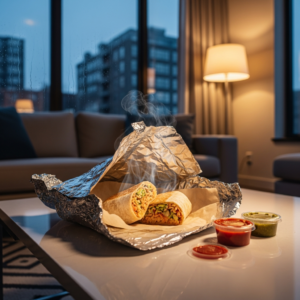
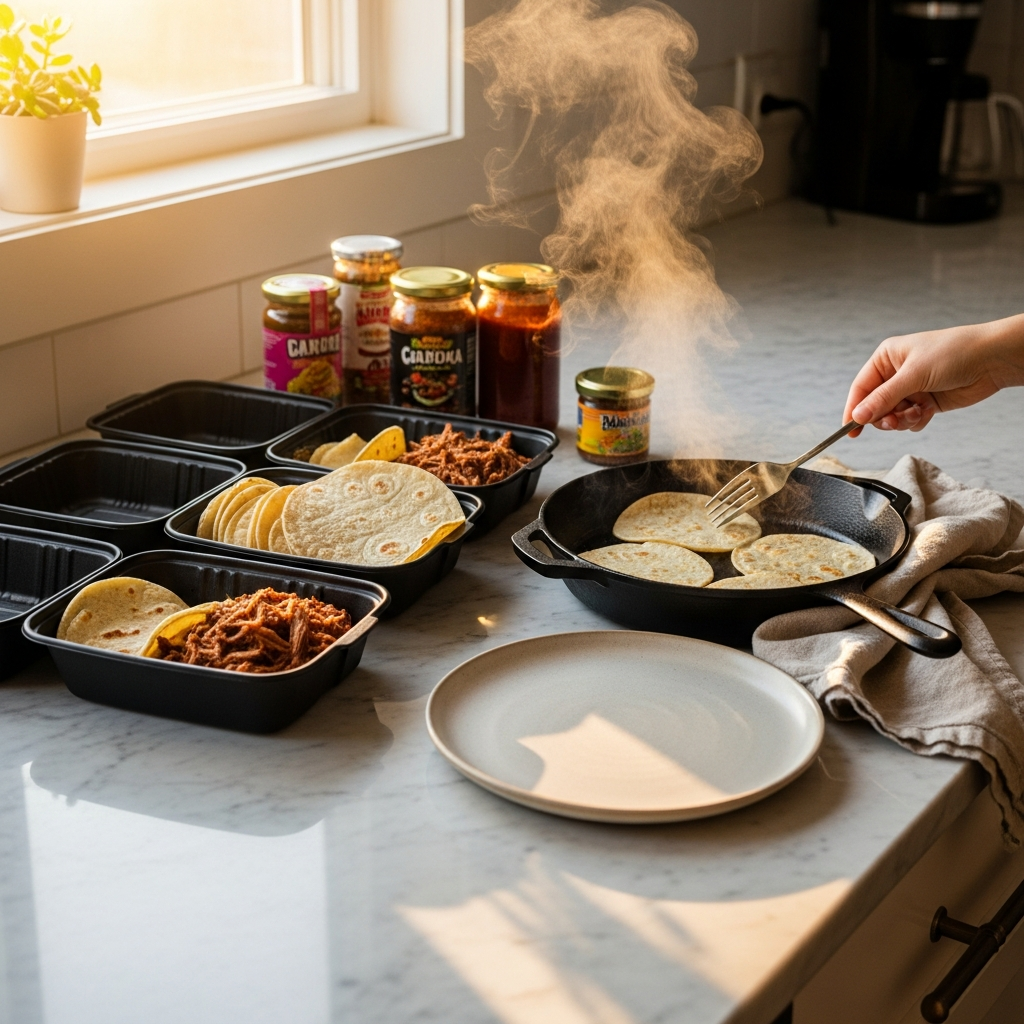
Begin with packing strategy. Ask for tortillas, fillings, and salsas to be packed separately whenever possible. This simple step prevents steam and juices from overwhelming the tortillas on the drive home. If you anticipate a longer commute along Route 59, crack hot containers slightly to vent steam. Keep salsas upright in a small bag or cup holder so they do not leak and dilute flavors. When you arrive, move components out of takeout containers and onto plates or into shallow bowls; letting steam escape quickly keeps everything crisp and lively.
Storage Basics for Busy Naperville Evenings
Sometimes we plan to eat right away and life intervenes. If dinner is delayed, refrigerate components within a reasonable window to maintain quality. Store proteins and beans in shallow containers so they cool evenly. Wrap corn tortillas in a clean towel or parchment and place them inside a resealable bag to prevent drying. Keep garnishes—cilantro, chopped onion, radish, slaw—in separate containers so their moisture does not seep into other items. Labeling containers can help households with staggered schedules, ensuring everyone finds the right salsa and fillings without rummaging.
How long do leftovers last? In general, reheated tacos shine when enjoyed within a couple of days. Shredded meats like barbacoa or chicken tinga hold especially well because you can rewarm them gently with a spoon of their own juices. Grilled items such as carne asada are best the next day at most, since repeated heating can toughen them. Fried fish is the most fragile; if you must save it, separate the fish from the tortillas and re-crisp it in a hot oven or air fryer for a minute or two, then rebuild with fresh garnishes.
Be thoughtful with salsas. Fresh pico de gallo is vibrant on day one but can water out in the fridge. Strain liquid before using leftovers, then add a squeeze of lime and a pinch of salt to restore zip. Tomatillo salsas tend to keep their brightness well, while creamy salsas may thicken; a few drops of water and a quick whisk bring them back to a drizzling consistency. Pickled onions and escabeche are sturdy and can actually improve overnight, making them handy flavor boosters for day-two tacos.
Reheating Tortillas the Right Way
The tortilla sets the tone. For corn tortillas, a dry, preheated skillet is ideal. Heat each tortilla until it loosens, just begins to toast, and releases a corn perfume. Stack them in a towel to keep warm and supple while you reheat fillings. If you need to use a microwave, wrap two or three tortillas in a damp paper towel and heat in short bursts, checking frequently to avoid gumminess. For flour tortillas, a brief toast on a hot surface keeps them pliant with a hint of char.
If you are feeding a crowd, use the oven. Wrap stacks of corn tortillas in foil and warm at a moderate temperature until steamy; then move them to a towel-lined basket. Avoid overheating, which can dry tortillas and make them brittle. In winter, when indoor air is dry in Naperville homes, a covered basket helps lock in humidity so tortillas stay tender through the last taco.
Reviving Fillings without Drying Them Out
Gentle heat is your ally for most proteins. Shredded meats love moisture: heat them in a small pan with a spoonful of their juices or a splash of broth, covered, until hot and relaxed. Then uncover briefly to reduce excess liquid if needed. For carne asada or other grilled cuts, aim for a quick sear on a hot skillet to refresh the edges without cooking the center to stiffness. If you are reheating carnitas, spread the meat in a thin layer and let it sizzle; the fat will render and crisp the exterior while the inside stays tender.
Seafood demands extra care. Reheat fish gently in the oven or air fryer just until warm and crisp on the outside; too much heat dries it quickly. Pair with cool slaw or pico to restore contrast. Vegetables vary—roasted squash and mushrooms rewarm beautifully, while delicate greens or thinly sliced peppers are better added fresh on day two. Beans are forgiving; simmer with a splash of water to loosen texture and adjust seasoning at the end.
Assembly Order and Temperature Harmony
The sequence in which you build your tacos matters. Warm tortillas first and keep them in a towel. Then reheat proteins and beans so the core of the taco is hot. Add room-temperature garnishes next—cilantro, onion, radish—so their aromas bloom. Finish with salsa right before serving. This order ensures the taco reads warm overall with lively contrast, preventing the muddled flavors that happen when cold salsa hits a lukewarm filling.
If you are packing lunch for the office near the 95th Street Library or North Central College, consider assembling components separately and building at your desk. A quick warm-up in the office microwave for the protein and a brief steam of the tortillas wrapped in a damp napkin will carry you surprisingly far. Bring lime wedges in a small container; a squeeze at the end does more for freshness than almost anything else.
Handling Takeout in Naperville Weather
Our climate adds complications. In summer, do not leave tacos sitting in a hot car after pickup—heat wilts herbs, steams tortillas, and dulls salsas. In winter, cold air makes tortillas stiff and concentrates salt perception. Move food indoors promptly, and do a gentle reheat before assembling even if the drive was short. When picnicking along the Riverwalk, store components in insulated bags and assemble only what you will eat in the next few minutes. These small logistics keep your tacos bright and structurally sound.
For family nights with staggered arrivals, keep proteins warm in a low oven, tortillas wrapped in a towel-lined basket, and garnishes chilled but not icy. That setup lets everyone build fresh tacos on their own schedule while maintaining the right temperatures. It also takes pressure off the cook and turns dinner into an easygoing, interactive experience.
Flavor Fixes for Day-Two Tacos
Leftovers can be exciting with a few targeted adjustments. Add acidity to wake up reheated meats: lime, pickled onions, or a tomatillo salsa with a lively tang. If textures feel soft across the board, introduce crunch with thin-sliced radishes or a quick slaw. When flavors seem flat, salt may not be the answer; a tiny drizzle of good salsa or a squeeze of citrus often restores balance more elegantly.
Do not overlook aroma. Warming tortillas releases a corn fragrance that primes your palate. Charring a jalapeño on the stovetop for a minute or two before chopping it into a salsa brings smoke that reads as complexity. Even reheated beans perk up with a sprinkle of chopped cilantro at the end. These aromatic cues tell your brain to expect freshness, and the rest of the meal rises to match.
Special Cases: Breakfast and Office Reheats
Breakfast tacos travel well if you plan. Scrambled eggs prefer gentle heat; rewarm them slowly with a dab of butter or oil so they stay tender. Potatoes regain life with a quick roast in a hot pan. Build with warm tortillas, then add salsa and herbs just before eating. For office lunches, a compartmentalized container is your friend. Keep tortillas in a separate pouch, protein in a microwavable cup, and garnishes in a small lidded box. Two minutes of prep at your desk yields tacos that taste far better than their humble surroundings suggest.
FAQ
Q: How should I store leftover tortillas? A: Wrap them in a clean towel or parchment, place in a resealable bag, and refrigerate. Warm briefly on a dry skillet to restore softness and aroma before serving.
Q: My pico de gallo got watery overnight. What can I do? A: Strain the liquid, add a squeeze of lime, and a pinch of salt. The refreshed acidity will bring the salsa back to life.
Q: What is the best way to reheat carnitas? A: Use a hot skillet and spread the meat thin so it crisps as the fat renders. Add a spoon of cooking juices at the end if it needs moisture.
Q: Can I freeze taco fillings? A: Many shredded meats freeze well in small portions. Thaw gently in the fridge, then rewarm with a splash of broth. Avoid freezing delicate fried fish or fresh salsas.
Q: Why do reheated tacos sometimes taste saltier? A: Cooling changes how we perceive salt. Reheat thoroughly and add lime or a bright salsa to rebalance flavors before adding more salt.
Q: How do I pack tacos for a picnic at the Riverwalk? A: Keep components separate in insulated containers, assemble on the spot, and eat immediately so tortillas stay warm and garnishes crisp.
Make Takeout Shine
Naperville’s taquerias make it easy to bring home food that feels lively and generous. With smart storage and gentle reheating, those tacos can taste like they just left the line. The next time you plan dinner, peek at the menu, order a mix of favorites, and give yourself a couple of minutes to assemble with care. You will taste the payoff in every warm, vibrant, perfectly balanced bite.