Ask around Naperville where to find the most soulful tacos and you’ll hear a common refrain: follow the chefs who treat technique like a love language. Authentic Mexican tacos aren’t about nostalgia alone; they’re about craft—nixtamalized corn that becomes fragrant tortillas, chiles toasted just to the edge of smoky, and braises that whisper of patience. Our local cooks carry family stories into their kitchens, and those stories end up on our plates, one warm tortilla at a time.
I first learned to pay attention to the little details while standing near an open prep table watching masa transform under practiced hands. The cook rolled golf ball–sized portions, pressed them into disks with just enough texture to catch the light, then laid them on a hot comal where they puffed gently before settling back into themselves. That was the moment I understood why reading a menu never tells the whole tale. Authenticity lives in motion—in the press and puff, the toast and simmer, the way cilantro is chopped as if each leaf matters.
Masa and the heart of the tortilla
When chefs in Naperville talk about authenticity, they often start with corn. Good masa tastes alive, with a subtle sweetness and mineral depth from nixtamalization. If you’ve ever taken a bite of a corn tortilla and felt like the flavor wrapped the filling instead of just carrying it, chances are the kitchen put real care into the masa. Even flour tortillas, when made thoughtfully, have a gentle pull and a warm wheat aroma that feels deliberate rather than incidental.
Authentic tacos rely on this foundation to do quiet but important work. A tortilla should bend without breaking, hold saucier fillings without disintegrating, and deliver the scent of the comal on the nose. Watch for those tiny brown freckles; they’re a sign that the heat kissed the surface just right. In Naperville’s best spots, tortillas are treated like fresh bread, not an afterthought.
Chiles, spice, and the language of salsas
Authenticity also lives in the way chiles are handled. Toasting a guajillo until its color deepens and the kitchen fills with a raisin-like aroma, blending tomatillos while they’re still warm so the salsa turns a luminous green, or frying a puree briefly to round out the edges—all of these gestures tell you the chef is listening to tradition. A salsa roja should bloom from earthy to bright, while a salsa verde should feel like morning, clean and slightly tart. When you spoon one over carnitas or mushrooms, the taco starts to sing in two voices.
Heat is never the point on its own. The best local chefs let the depth of chile flavor lead, then invite heat along like a supporting musician. That’s why you can enjoy a taco layered with a habanero salsa and still taste the pork’s sweetness or the roasted complexity of peppers and onions. Nuance, not volume, is the sign you’re in the right kitchen.
Braises and grills that tell time
An authentic taco is a lesson in patience. Barbacoa simmered until it yields without surrendering texture, cochinita pibil stained with annatto and perfumed with citrus, tinga of chicken cooked down to a saucy tangle—these are the flavors that make you slow your bite. On the grill side, asada gains its personality from a marinade that marries garlic, lime, and a bit of chile, followed by a sear hot enough to caramelize the edges without drying the interior.
Local chefs often talk about listening for doneness. A pot of carnitas shifts from a lively bubble to a gentle murmur as the fat renders and the meat confits. A comal hums differently when a tortilla is ready to flip. These are the cues passed down through kitchens, and you can taste them in tacos that arrive at your table perfectly balanced, their juices dancing with a fresh squeeze of lime.
Garnishes that matter
It’s tempting to think of onions, cilantro, radishes, and lime as quick add-ons, but in authentic tacos, they’re part of the structure. Onion provides crunch and brightness to cut richness. Cilantro brings a green, almost citrusy note that ties salsa to meat. Radishes pop like little exclamation points, especially with fatty fillings. And lime—well, lime wakes the whole thing up. In Naperville’s kitchens, you’ll notice how carefully these garnishes are handled: onions rinsed to tame their bite, cilantro chopped just before service, radishes sliced thin enough to shatter delicately.
Cheese has its place too, particularly crumbly varieties that add salinity without blanketing the other flavors. A dollop of crema can temper heat and add a silky finish, though the best chefs deploy it like a painter’s brushstroke rather than a coat of paint. Everything is measured, everything considered.
Vegetables as a proving ground
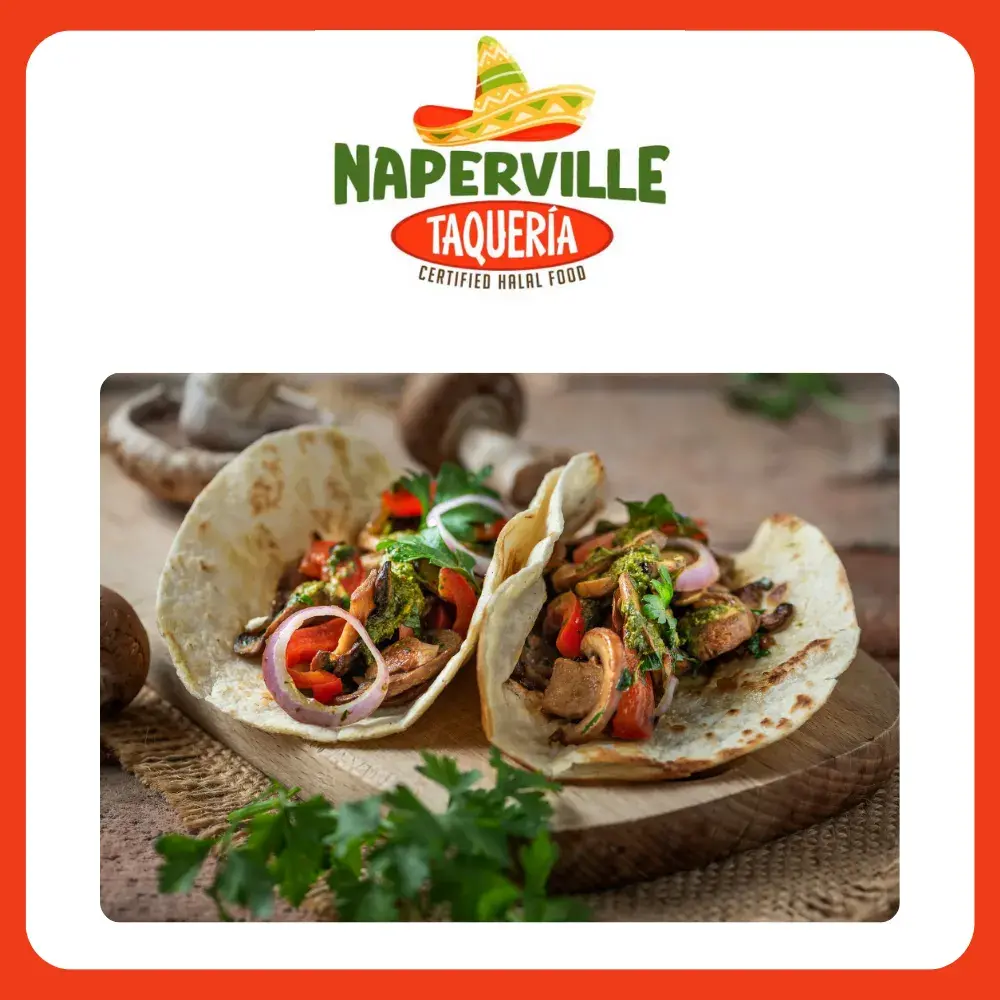
One of the quiet truths about authentic cooking is that vegetables reveal a chef’s touch. In Naperville, I’ve had vegetable tacos that rival any meat option: rajas silky with roasted poblanos and onions, mushrooms browned until their edges crisp, squash seared to bring out its sweetness but kept firm enough to hold its shape. When the vegetables shine, you know the kitchen respects the traditions of balance and restraint.
These tacos also offer a platform for salsas to show off. A bright tomatillo salsa on rajas tastes like a conversation between smoke and morning dew. A deeper red on mushrooms suggests campfire and earth. Paired with a warm corn tortilla that still carries the scent of the comal, you have a taco that feels honest and complete.
Naperville neighborhoods and the taco table
Authentic tacos weave themselves into the fabric of local life. After-school pick-ups turn into impromptu dinners. Weekend errands segue into lingering plates at a small table near a window fogged with steam. Along the Riverwalk and in west-side storefronts, you’ll spot the same subtle signs of seriousness: stacks of tortillas kept warm but not soggy, salsas replenished often, cooks trading glances that say, “Now.” When you notice that kind of choreography, sit down—you’re in a place that cares.
What I love most is how these kitchens welcome questions. Ask about the day’s braise, and someone will happily tell you how long it’s been going. Wonder whether to choose corn or flour, and they’ll steer you based on the filling’s juiciness. That generosity is part of authenticity too; it’s an invitation to join the story.
Choosing your tacos like a chef
When I order, I try to think like the person at the stove. If the grill sounds lively, I start with asada. If the air smells sweet and citrusy, I look for cochinita pibil. When a red salsa tastes layered instead of merely hot, I pair it with carnitas so the richness and heat can dance. Sometimes I’ll glance at the posted specials or take a second look at the menu for a regional nod—something Yucatecan or Pueblan that hints at a family’s roots.
Balancing the plate matters too. I like to mix one slow-braised taco with one grilled, then add a vegetable option to reset my palate. Two or three tacos eaten with attention will tell you almost everything you need to know about a kitchen’s soul. And if you find yourself thinking about a particular taco days later, follow that memory back—it’s the most reliable compass to authenticity there is.
Frequently Asked Questions
What makes a taco “authentic” in Naperville?
Authenticity shows up in technique and restraint: well-made tortillas, properly handled chiles, balanced salsas, and meats cooked with patience. It’s less about strict rules and more about honoring methods that let each element speak clearly.
How can I tell if the tortillas are made with care?
Look for warmth, flexibility, and aroma. Corn tortillas should have a gentle corn sweetness and faint toasty spots from the comal. Flour tortillas should be soft with a light chew and a fresh, wheaty scent.
Which fillings showcase authentic technique best?
Slow-braised options like barbacoa, cochinita pibil, and tinga highlight patience and seasoning, while grilled asada reveals marinade balance and searing skill. Well-executed vegetable tacos are also a strong authenticity signal.
How spicy are authentic salsas?
They range from mild to hot, but the best prioritize flavor over pure heat. You should taste the character of the chiles, the acidity of tomatillos or tomato, and the seasoning that rounds it all out.
Is it okay to ask questions about the food?
Absolutely. Authentic kitchens near Naperville often welcome curiosity, and cooks are happy to recommend tortilla types, salsa pairings, or the day’s most expressive braise. It’s part of the community spirit.
How many tacos should I order?
Two to three tacos give you enough variety to understand the kitchen’s style without overwhelming your palate. Mix a braise with a grilled option and add a vegetable taco for balance.
Ready to taste the craft of local chefs?
Start simple: choose a classic braise, a grilled favorite, and a bright salsa, then eat slowly enough to notice how the flavors evolve. When you’re curious about what to try next, consult a thoughtful menu, follow your senses, and let Naperville’s chefs guide you to the tacos you’ll be thinking about tomorrow.