Ask around any Naperville office or neighborhood group chat and you will hear the same confession: the second half of a burrito often becomes dinner, a late-night snack, or tomorrow’s lunch. That is part of the format’s charm. A well-made burrito can span meals if you store it properly and reheat it with a little care. Whether you are hustling between meetings on Washington Street or riding the Metra home after a long day, knowing how to protect structure, flavor, and moisture will reward you bite after bite. If you are planning ahead, it helps to peek at a local kitchen’s menu and consider which fillings travel and reheat the way you like to eat.
First principles: cool, wrap, and separate
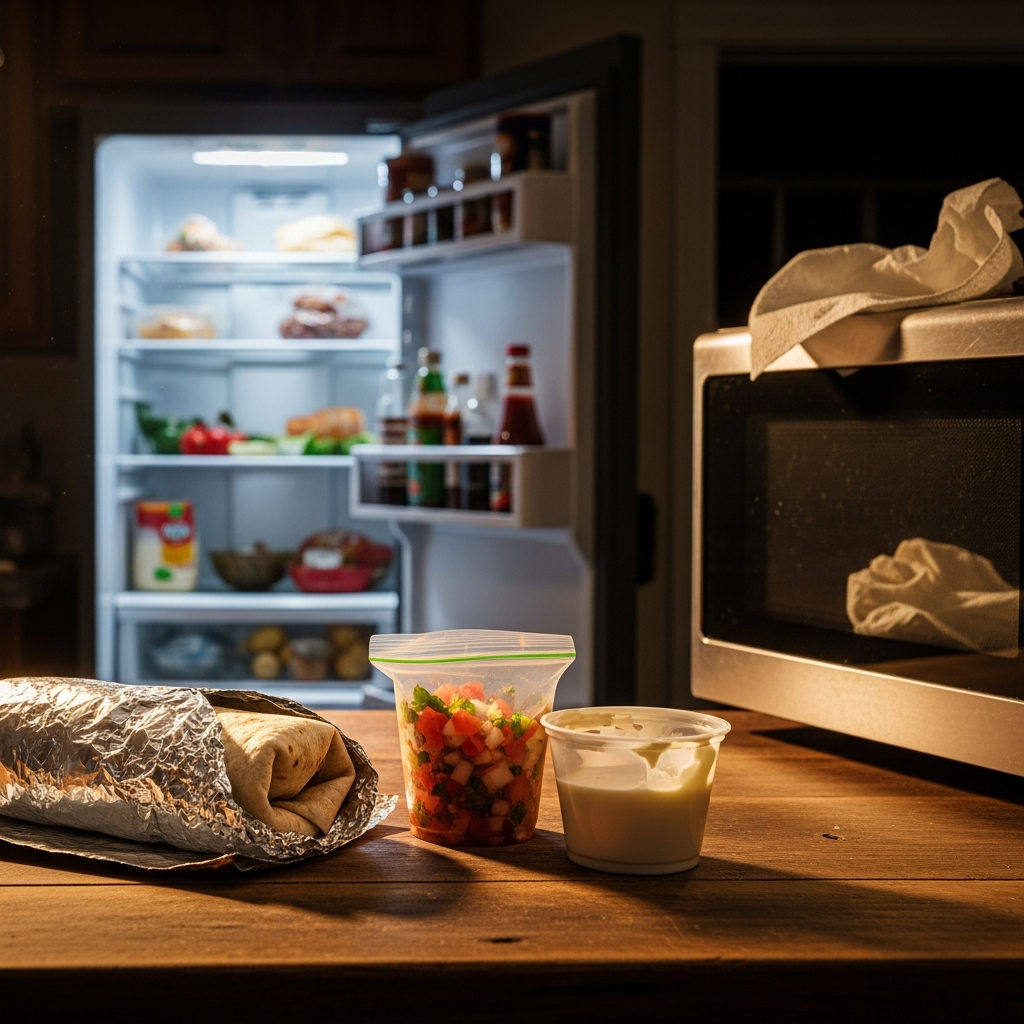
Heat and moisture are the main forces that determine how well your leftovers will perform. As soon as you decide to save part of your burrito, wrap the uneaten portion snugly. If possible, separate wet components like pico de gallo or crema into small containers so they do not steam the tortilla or make the rice mushy. Let the wrapped burrito cool to room temperature before refrigerating; sealing it while it is still piping hot traps steam that will turn the tortilla limp.
For short holds—say, you are finishing a meeting before eating—keep the burrito wrapped in foil to retain warmth but crack the top slightly so steam can escape. For longer holds, a paper layer beneath the foil helps wick away a touch of moisture without drying things out completely.
Refrigeration done right
In most cases, burritos keep well in the fridge for a day or two when wrapped tightly. Place them on a shelf rather than in the door, where temperatures fluctuate. If you have separated cold elements—lettuce, pico, avocado—keep them in their own containers so they remain crisp. This small bit of organization makes reheating simpler and more precise when you are hungry later.
For breakfast burritos with eggs, the same rules apply. Keep sauces on the side, secure the wrap snugly, and give it time to cool before it goes into the refrigerator. You will taste the difference in texture the next day.
Microwave method: fast and careful
The microwave is convenient, especially when you are back at your desk near Jefferson Avenue and only have a few minutes. The risk is uneven heating and a steamed tortilla. To avoid that, unwrap the burrito, place it on a microwave-safe plate, and cover it with a slightly damp paper towel. Heat in short bursts—30 to 45 seconds—rotating the burrito between intervals until warm throughout. The damp towel reduces drying, and the pauses allow heat to distribute so you do not end up with a scorching edge and a cool center.
After microwaving, give the burrito a minute to rest so heat carries through. If you separated cold elements earlier, add them now so they keep their crunch and brightness. A quick squeeze of lime or a spoonful of fresh salsa will wake up flavors dulled by refrigeration.
Oven method: best for structure
When you have time, the oven is your friend. Preheat to a moderate temperature, unwrap the burrito from any plastic, and rewrap it in foil. Warm it on the middle rack until heated through, then open the foil for the last few minutes to let the tortilla dry slightly and regain a pleasant chew. This approach is especially good for dinners at home after a long afternoon of kids’ practices and errands around town.
If you want a little extra texture, place the unwrapped burrito directly on a preheated baking sheet for the final minutes so the contact with hot metal crisps the underside. Keep an eye on it; you are aiming for pliant, not brittle.
Skillet method: quick crispness
For a hands-on approach, a skillet provides fast, controlled reheating with an appealing exterior. Warm a dry pan over medium heat, then add the burrito seam-side down. Cover with a lid for a minute to help heat penetrate, flip, and repeat. If you like a bit more char, let it sit uncovered for a final minute per side. This method is a favorite for those who miss the just-off-the-griddle feel of a fresh wrap.
For breakfast burritos, the skillet shines. Eggs reheat gently, potatoes regain their texture, and the tortilla develops that toasty note that pairs well with coffee on a cool Naperville morning.
Freezing for the future
Some burritos freeze better than others. Rice, beans, grilled meats, and sautéed vegetables generally do well; lettuce, pico, and avocado do not. If you plan to freeze, assemble with freezer-friendly components and wrap tightly in plastic, then foil. Label with the date. When ready to eat, thaw in the refrigerator overnight before reheating in the oven or skillet. This approach is useful for make-ahead breakfasts or weeks when your schedule is packed with school events and meetings.
Texture management is key after freezing. Add fresh elements—shredded cabbage, crisp lettuce, or a spoon of bright salsa—after reheating to restore balance. Little touches like a squeeze of lime can make a frozen-then-warmed burrito feel almost new.
Avoiding common pitfalls
Two errors show up again and again: trapping steam and rushing heat. Steam softens the tortilla, smears textures, and dulls flavors. Always let hot burritos vent briefly before long storage, and when reheating, avoid sealing moisture in for too long. As for rushing, high heat may char the exterior while the center remains cool. Gentle, patient warming produces better results and protects structure.
The other pitfall is forgetting to separate sauces. Even a small container of crema or salsa set aside can transform the reheated experience by reintroducing freshness right before you eat. It is a habit worth forming if you regularly stretch one burrito across two meals.
Reheating on the go
Naperville’s pace means a lot of meals happen between tasks. If you are near a communal break room with a microwave, the damp-towel method is a lifesaver. If you only have access to a toaster oven, keep the burrito loosely wrapped in foil and warm it gently, unwrapping for the last couple of minutes. For park picnics, a well-wrapped burrito tucked next to a warm thermos can stay pleasantly toasty until you find your spot by the river.
On winter days, consider carrying reheated burritos in an insulated lunch bag to shield them from the chill. Small tricks like these keep a treat from turning into a disappointment before you take the first bite.
Frequently asked questions
How long can a burrito stay fresh in the refrigerator?
Generally, one to two days is ideal for flavor and texture. After that, tortillas tend to soften too much and fresh elements lose their snap. Keep sauces separate to prolong quality.
What is the best reheating method for maintaining structure?
The oven or a covered skillet works best. Both methods rewarm the center gently and give the tortilla a chance to regain pleasant chew without steaming it limp.
Can I freeze any burrito?
Choose fillings that freeze well—beans, rice, grilled meats, and sautéed vegetables—and avoid fresh greens and pico. Wrap tightly and label. Thaw overnight in the refrigerator for best results.
How do I fix a dried-out burrito after reheating?
Add moisture back with fresh salsa, a squeeze of lime, or a small spoon of crema. Pairing with crisp greens also helps restore balance after a dry reheat.
Is the microwave always a bad idea?
No. Used in short bursts with a damp towel and a brief rest afterward, it can reheat effectively. Just be mindful of steam and add cold elements after microwaving to maintain contrast.
When you are ready to put these tips to work, trust a local kitchen that cooks with care, plan your leftovers with intention, and take a quick look at the menu so you can choose fillings that store and reheat beautifully for your Naperville day ahead.