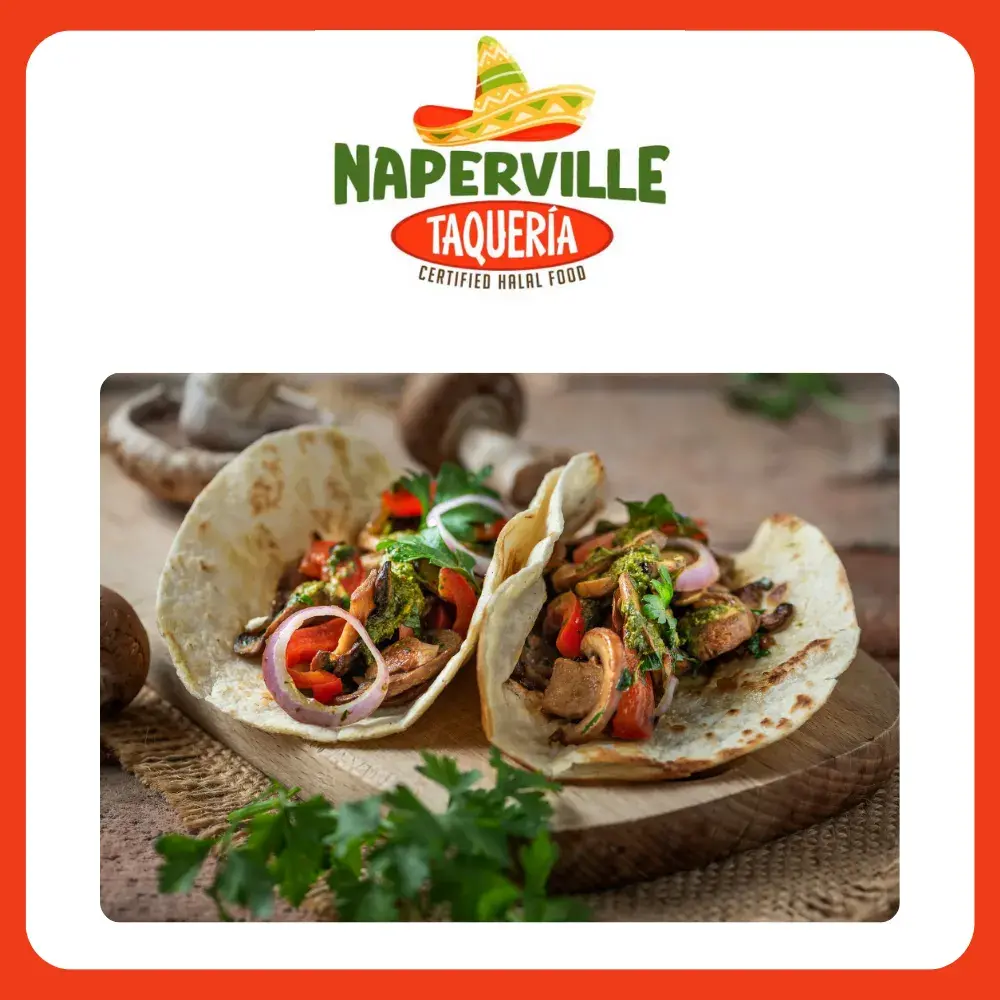
In Naperville, tacos halal have become an everyday bridge between flavor and values. Families gather after soccer practice near 95th Street, coworkers unwind in the glow of downtown lights, and students from North Central College find quick comfort between classes—all looking for food that’s vibrant, trustworthy, and easy to share. Yet even in a city that prizes standards, halal service brings specific challenges. The good news is that local kitchens are meeting those challenges with practical, thoughtful solutions. If you want to see how a well-run spot turns principles into plates, a quick glance at the menu often reveals just how intentional the operation really is.
Halal, at its heart, is about permissibility, cleanliness, and respect—for animals, ingredients, and the diners themselves. Translating those principles into the fast-moving world of tacos demands clarity and discipline. On a busy Friday night in Naperville, tickets stack up, families ask for refills of salsa, and the grill hisses nonstop. Maintaining halal integrity in that environment requires systems that are both sturdy and flexible.
Issue: Cross-contact in tight kitchens
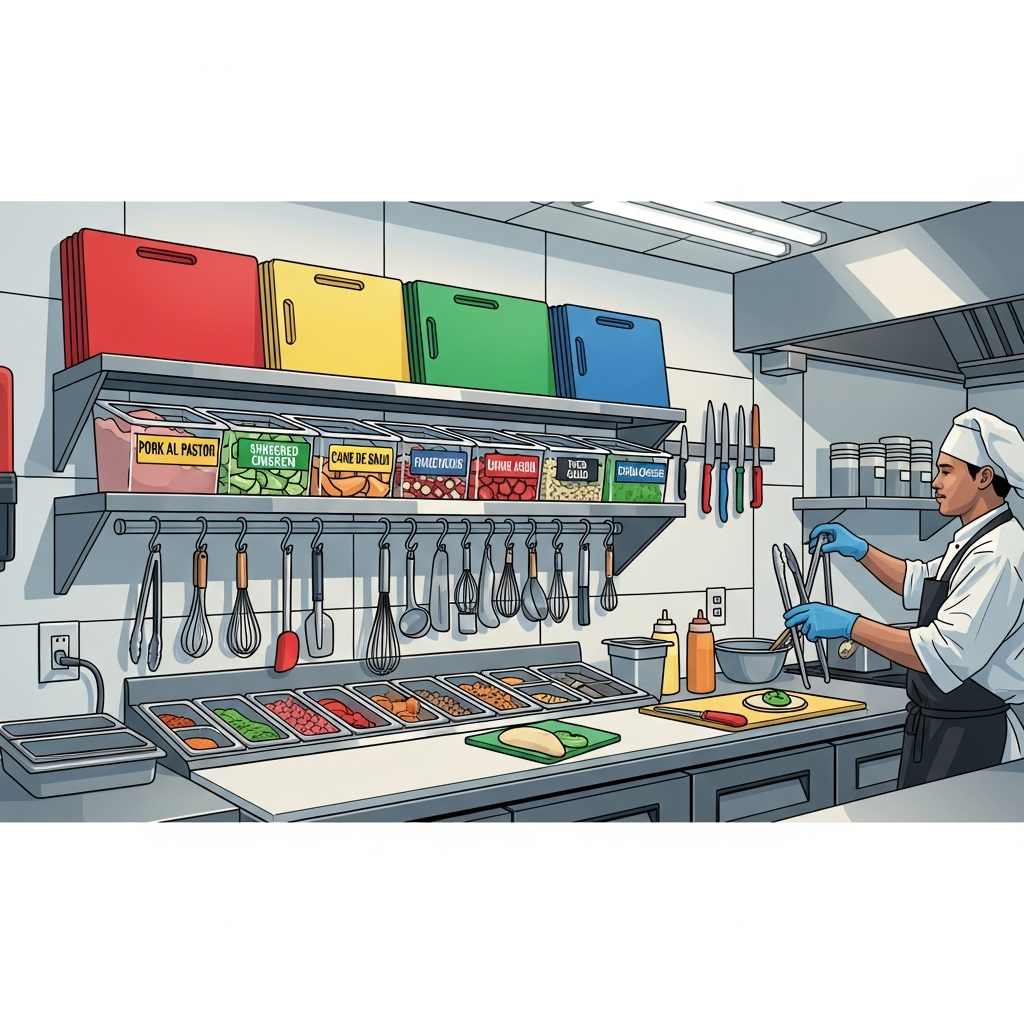
Many taco shops operate in compact spaces, and even larger restaurants can feel tight when the dinner rush hits. The risk is that halal ingredients might brush against non-halal items or share tools. In real life, that can be as small as a pair of tongs used absentmindedly for the wrong pan or a cutting board that wasn’t swapped in time.
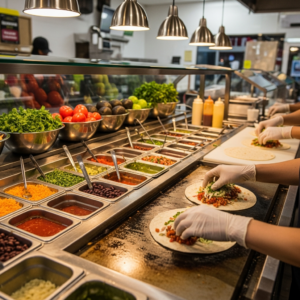
Solution: Smart kitchens in Naperville address this with dedicated, clearly labeled tools and storage, plus thoughtful station design. Color-coding and shelf maps remove guesswork, and training ensures new team members understand not only what to do but why it matters. A culture of calling out and correcting in the moment—without blame—keeps standards high even when the line is long.
Issue: Supplier verification and consistency
Restaurants rely on suppliers to uphold halal standards, and any break in that chain undermines trust. Deliveries can fluctuate, documentation can lag, and specials can tempt a kitchen to experiment with new vendors without proper checks.
Solution: Diligent operators build relationships with vetted suppliers and create a paper trail that’s easy to audit. When a product is out, they resist quick swaps that compromise integrity. Managers maintain a shortlist of alternative vendors whose credentials are already verified, ensuring the taco you love on Tuesday is the same taco you get on Saturday.
Issue: Training during staff turnover
Like any dining town, Naperville experiences seasonal shifts in staffing. Rushing a hire onto the line without thorough training is a fast way to introduce mistakes, especially around storage, tools, and cleaning.
Solution: Restaurants that succeed with halal tacos treat training as a daily practice, not a one-time event. They use checklists, shadow shifts, and refreshers that make protocols second nature. Veteran employees take pride in mentoring newcomers, which elevates the whole team and steadies the guest experience.
Issue: Communication with guests
Sometimes a diner’s question about halal status is met with vague assurances rather than clear answers. That uncertainty can turn a promising first visit into a last visit.
Solution: The simplest fix is also the strongest: transparency. Staff should be able to explain sourcing, prep protocols, and how the kitchen prevents cross-contact. Clear signage and calm, specific language transform concern into confidence. When a guest asks if a filling is halal, a good reply explains the supplier, the dedicated tools, and where the item is stored—not just “Yes, it’s fine.”
Issue: Balancing speed and care
Tacos thrive on momentum. A quick sear here, a warm tortilla there, and the handoff to the dining room happens in minutes. But speed can pressure teams into shortcuts if systems aren’t solid.
Solution: Naperville kitchens that excel set up mise en place like a playbook. Salsas are batched with labels and dates, tortillas are staged near a dedicated warmer, and proteins are cooked to order within a predictable window. These routines keep food moving without eroding halal integrity or flavor. Efficiency, in this context, is the friend of quality.
Issue: Menu clarity for mixed groups
When a table includes halal diners, vegetarians, and friends with varied spice tolerances, ambiguity on the menu makes ordering slow and stressful. Nobody wants a game of twenty questions just to build a shared plate.
Solution: Thoughtful menus use clear descriptions and heat cues. They explain which fillings are halal-certified, which are vegetarian, and how to adjust salsas without derailing the dish. That guidance is especially helpful in Naperville, where many meals include kids or out-of-town guests new to the scene. A concise line or two can turn confusion into excitement.
Issue: Maintaining freshness during peak hours
During the dinner rush, it’s tempting to over-prepare proteins or let garnishes sit too long, which flattens the eating experience. Nobody should bite into a tired tortilla or a limp slaw.
Solution: Successful operations portion thoughtfully, rotate aggressively, and empower staff to discard past-prime items without hesitation. They time tortilla warming to the ticket, keep salsas refrigerated until needed, and lean on grill marks and bright acids to refresh the palate. The result is tacos that taste alive even when the dining room is packed.
Issue: Navigating special requests
Customization is part of taco culture, but special requests can introduce complexity. A diner might ask for dairy-free crema, a no-onion garnish, or a mix-and-match plate that strains the line’s flow.
Solution: The fix is planning, not refusal. Teams create simple scripts and prep backups—like a neutral, dairy-free sauce or a prepped onion-free pico—that satisfy frequent requests without bogging down the kitchen. When requests exceed what’s reasonable, a calm, clear explanation preserves goodwill while protecting the line.
Issue: Seasonal supply gaps
Midwest seasonality is a gift, but it also creates gaps. A late frost or a rainy spell can pinch produce availability right when a dish becomes popular, and winter can nudge menus toward sameness.
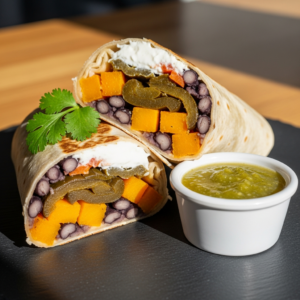
Solution: Menus that flex with the calendar fare best. In summer, kitchens highlight herbs and tomatoes; in fall, roasted peppers and squash take the stage. Specials bridge the gaps and keep diners engaged, ensuring halal integrity stays constant while flavors evolve.
Issue: Educating the next generation of diners
Kids and teens might be new to halal dining and unsure what to order. A bad first experience—too spicy, too unfamiliar—can set the wrong tone.
Solution: Gentle on-ramps help. Servers can suggest a grilled chicken or bean taco with a mild salsa, then invite a small taste of something bolder. Parents appreciate menus that flag family-friendly options, and young diners grow into confident regulars.
Real-world habits that build trust
All the solutions above depend on habit. In Naperville’s best halal taco spots, habits look like this: a cook swapping tongs automatically, a manager checking deliveries before the rush, a server confirming a guest’s preference and repeating it back. Guests may never see those moves, but they feel them in the ease of the meal.
When the system works, the food tells the story. Tortillas arrive warm and fragrant. Proteins taste freshly seared or gently braised. Salsas pop with cilantro and lime. And the dining room buzzes with the contented energy that keeps a place busy through winter and bursting at the seams come summer.
What diners can do
Local diners play a role in strengthening halal service. Asking specific, respectful questions helps teams share their knowledge. Offering clear feedback—what you loved, what could be brighter—guides menu tweaks. And recommending spots that do it right encourages others to raise their game, which is how a community like ours evolves together.
FAQs
What does “cross-contact” mean in a halal taco kitchen? It refers to halal ingredients touching non-halal items or tools, which compromises permissibility. Preventing it requires separate storage, dedicated tools, and vigilant training.
How can I tell if a restaurant takes halal seriously? Look for confident, specific answers to your questions. Staff should be able to describe suppliers, storage, and prep protocols without hesitation.
Do halal tacos limit creativity? Not at all. Halal defines boundaries for sourcing and prep, but within those lines, chefs in Naperville are creating vibrant, seasonal, and cross-cultural tacos.
Why do some spots run out of a popular item? Responsible kitchens will 86 a menu item rather than compromise standards. Running out can be a sign of integrity, particularly if a verified supplier delivery is delayed.
How spicy are halal tacos in Naperville? Heat levels vary by salsa and seasoning. Many kitchens offer layered heat—smoky, bright, or warm—so you can find a comfortable profile.
What’s the best way to try something new? Ask for a taste of a salsa or a recommendation for a seasonal special. A quick scan of the menu can also reveal limited-run fillings worth a detour.
If you’re ready to enjoy tacos that respect your values without sacrificing flavor, bring your appetite to a spot that prizes systems and hospitality. Settle in, take a breath, and explore the menu. In Naperville, well-made halal tacos are more than a meal—they’re a promise kept.