The sound of perfection: a sizzle you can hear from the sidewalk
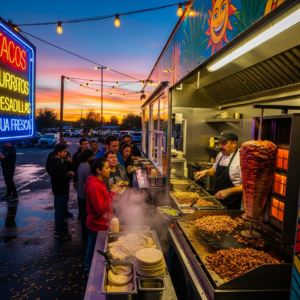
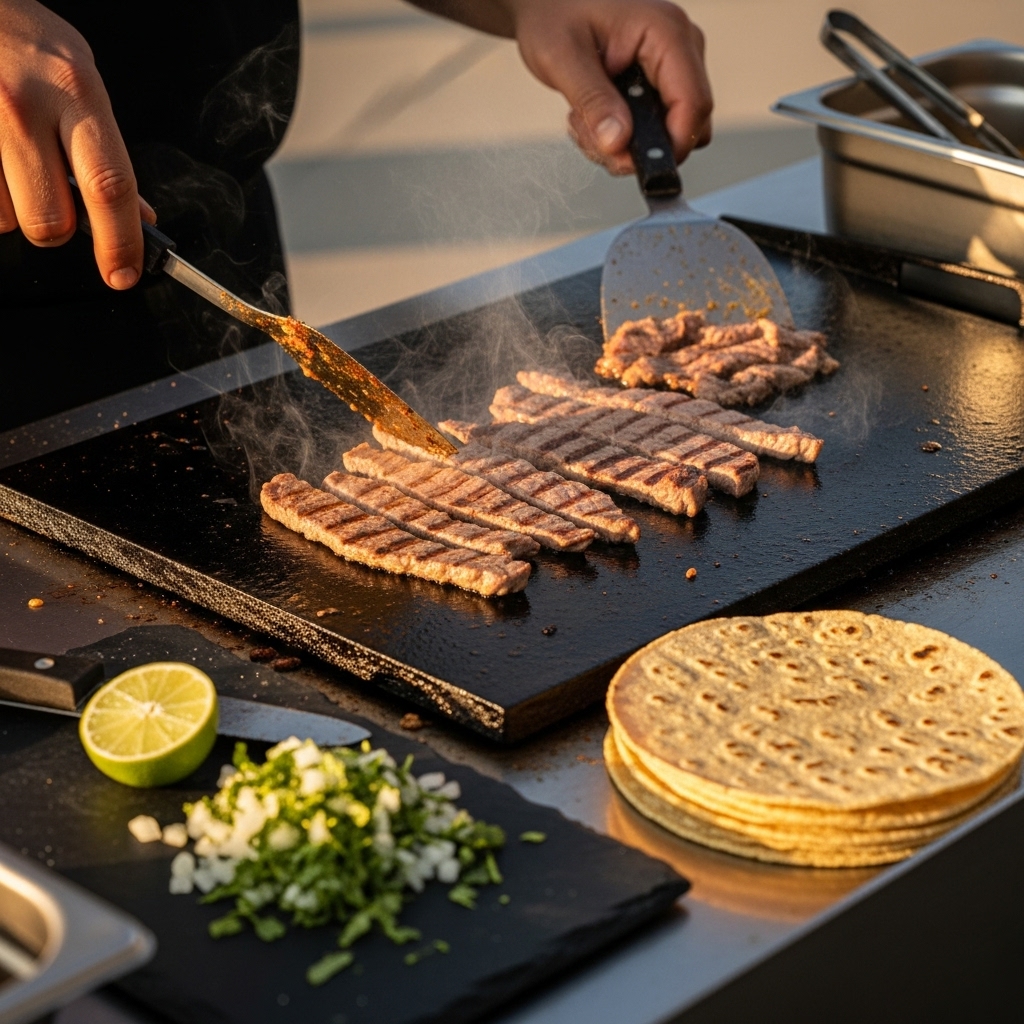
In Naperville, there’s a particular evening soundtrack that always gets my attention: the close, rhythmic sizzle of carne asada meeting a hot plancha. It’s followed by the soft slap of tortillas and the bright percussion of a lime wedge hitting a cutting board. Carne asada tacos are a simple idea executed with focused craft, and when done right they turn a regular weeknight into a small celebration. If you’re walking through downtown and you catch that savory aroma riding the breeze from Washington Street toward the Riverwalk, let it lead you to a seat, a plate, and the kind of balance only a well-seared taco can deliver. Start with a glance at the menu to set your course, then let the grill do the talking.
Carne asada is all about the interplay of heat, time, and cut. Thin-sliced beef meets a surface hot enough to mark it quickly. The goal isn’t just browning; it’s creating a lace of crisped edges that snap lightly under your teeth while the interior stays supple. A good marinade respects the meat rather than disguising it—citrus to lift, garlic to ground, and just enough spice to keep your palate engaged without stealing the show. When the grill master flips the meat at just the right second, you get those tiny beads of rendered fat that glisten like applause.
The first taste confirms what your nose already knew: char carries flavor further than mere heat. Combine that char with a tortilla that’s still holding the memory of the comal and a salsa tuned to your mood, and you’re in the realm of perfection—unfussy, precise, and immensely satisfying. Carne asada tacos don’t need flourish. They need attention, confidence, and a lime wedge ready for duty.
What to expect from truly well-grilled asada
Texture tells the story. Proper asada has a tender bite that yields without going soft. The edges should crisp just enough to add contrast. That contrast is what makes the whole taco sing when paired with onion and cilantro. The fresh garnish isn’t just tradition—it’s smart design, cutting through richness and setting up each bite like a well-edited sentence.
Seasoning shows up in the quiet details. Salt lands evenly, pepper is present but never loud, and the marinade’s citrus component evaporates on the grill into a faint perfume rather than a wet blanket. When you fold the tortilla and bring the taco to your mouth, the aroma should arrive a half-second before the bite. That delay weaves anticipation into flavor.
And then there’s the tortilla. It needs a little freckling, a gentle warmth, and enough pliability to cradle the beef without cracking. Start with a small piece of tortilla by itself; if the corn is expressive, you know the plate will work. Asada is unforgiving of a bad tortilla—fortunately, Naperville kitchens that focus on the grill also tend to respect the masa.
From marinade to flame: the steps that matter
In a town that appreciates both technique and tradition, cooks treat marinade as an invitation rather than a command. Citrus or vinegar brightens. Garlic adds a bass note. A touch of chile or cumin might appear, but restraint is the mantra. The meat rests just long enough to take on flavor without becoming mushy. When it hits the heat, the marinade steps back and the grill steps forward, coaxing sugars to the surface for a lacy crisp.
Heat management is the next chapter. The plancha should be hot enough to sear immediately—no gray zones, no steaming. Cooks listen as much as they watch. The sound of a good sear is tight and focused, not sputtery. A flip comes at the first sign of caramelization, and a rest—short but essential—lets juices reorganize so the tortilla doesn’t wear them. All of this happens quickly, but not hurriedly, the way a practiced musician plays a familiar riff.
Finally, slicing. Cut against the grain to shorten fibers and ensure tenderness. Good cooks adjust the direction instinctively based on how the meat was laid down. It’s an act of respect for the eater and a final opportunity to make sure the taco will eat as beautifully as it photographs.
Pairing salsas with precision
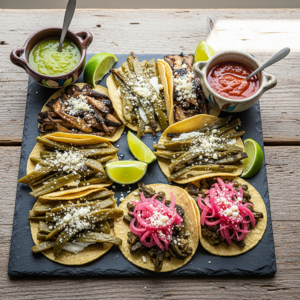
Carne asada thrives with two salsa partners. A roasted roja runs parallel to the char, deepening and lengthening its flavors. A tomatillo verde diverges, cutting through with acid and herbaceous zip. If there’s a salsa macha on offer, use it like an exclamation point—a little texture, a lift of heat, and a nutty echo that lingers. In all cases, think about timing. First bite without salsa, second bite with a conservative spoonful, and then adjust. The right salsa does not erase the meat’s voice; it hands it a microphone.
Onion and cilantro are the rhythm section. Their crisp bite and clean fragrance give structure to the song the beef and salsa are singing. Radish adds staccato crunch if it’s available, and a lime wedge—freshly cut, never tired—adds brightness on demand. The beauty of asada is that you can compose your own balance one bite at a time.
Mid-meal planning for perfection, again
Somewhere around your second taco, you’ll be tempted to plan your next visit. That’s a good instinct. Asada rewards repetition and minute comparison—today’s char versus last week’s, roja now versus verde then. While you’re savoring the moment, let your mind skim the menu for a supporting cast on your return: maybe rajas that pair well with asada’s warmth, or shrimp for contrast. Part of the fun is building a small tasting flight from one visit to the next.
Bring a friend who calibrates flavor the way you do, or one who doesn’t—the conversation gets lively either way. You’ll trade notes about texture, heat, and lime usage, and probably trade half a taco, too. This is the kind of food that invites opinion and rewards attention without ever feeling fussy.
Asada in the context of Naperville
Naperville’s downtown adds a layer of pleasure to asada that goes beyond the plate. The walk from the Riverwalk to a table, the shared recognition of familiar faces, the quick chats with staff who remember your preferences—these are the little rituals that turn great tacos into a tradition. The city’s pace lends itself to lingering just long enough to notice the last wisp of steam rise from the tortilla before you pick it up.
Seasonality matters here, too. On cooler nights, the warmth of asada feels like a small hearth. In summer, the char and lime cut through the heat and pair with the evening air. Either way, the grill’s voice is steady, and the taco tastes like it belongs to this block at this hour.
Frequently asked questions about carne asada tacos
What cut of beef makes the best asada? Thin cuts with prominent grain—like skirt or flank—excel because they take to marinade well, cook quickly, and slice beautifully against the grain. The key is even thickness and a high-heat sear. The result is tenderness with character, not a uniform softness that loses interest after the second bite.
How do I know the grill is hot enough?
Listen for a tight sizzle when the beef hits the plancha and watch for instant browning without pooling juices. If you see steam and gray meat, the heat is too low. A good grillman tests by feel and sound; in a well-run kitchen, the first flip reveals lacy browning, not a pale surface.
Which salsa should I start with?
Begin with none for the first bite to assess the seasoning and char. Then add a small spoon of salsa verde if you want lift, or a roasted roja if you want depth. Adjust by alternating; many asada lovers find that switching between verde and roja across bites keeps the palate engaged all the way through.
How important is the tortilla for asada?
Crucial. A fresh corn tortilla with a bit of freckling and a soft, elastic bend will carry the asada without competing. If the tortilla cracks or tastes flat, the experience suffers. Good kitchens treat tortilla work as seriously as the grill, and you can taste that respect in the harmony of the final bite.
Can carne asada be enjoyed by those who prefer lighter meals?
Yes, especially when you control garnish and salsa. Keep onions and cilantro lively, use lime generously, and lean on a bright verde to keep the overall profile lifted. Two tacos can feel satisfying and balanced rather than heavy, particularly when the meat is cut thin and cooked quickly.
Is reheating asada tacos a good idea?
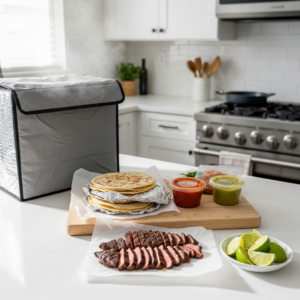
They’re best at the moment of cooking, but if you must, reheat components separately. Warm the tortilla on a dry skillet and give the meat a brief, high-heat reintroduction to recapture some char. Assemble just before eating. Still, nothing beats the immediacy of fresh asada; the grill’s signature fades with time.
Grill-side conclusion
If you’re after carne asada tacos grilled to perfection, Naperville delivers with the kind of care that turns simplicity into something memorable. Follow the sound of the sizzle, trust the char, and build each bite with a steady hand on salsa and lime. When you’re ready to plan the next round, or to decide which supporting tacos will accompany your asada, skim the menu for inspiration and let the grill guide you home to a plate that tastes exactly like you hoped it would.