Why Good Tacos Go Wrong—and How to Make Them Right
Naperville loves its tacos, but even in a city full of savvy diners, problems pop up. A tortilla tears on the first bite. A salsa overwhelms the filling. Takeout turns to steam and sogginess on the ride home from a Riverwalk stroll. These aren’t failures of taste so much as gaps in technique. The good news is that each issue has a practical fix you can apply whether you’re eating on a patio downtown, grabbing a quick lunch between meetings, or assembling dinner at home while the kids finish homework.
Think of tacos like a well-planned workout. Success depends on warm-up, balance, and timing. When you approach them with that mindset, the common pitfalls of texture, heat, and structure become easy to manage. With a few tweaks, your tacos will go from good to great—and stay that way from the first bite to the last.
The Soggy Tortilla Problem
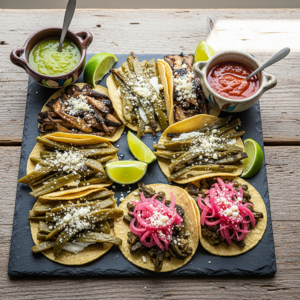
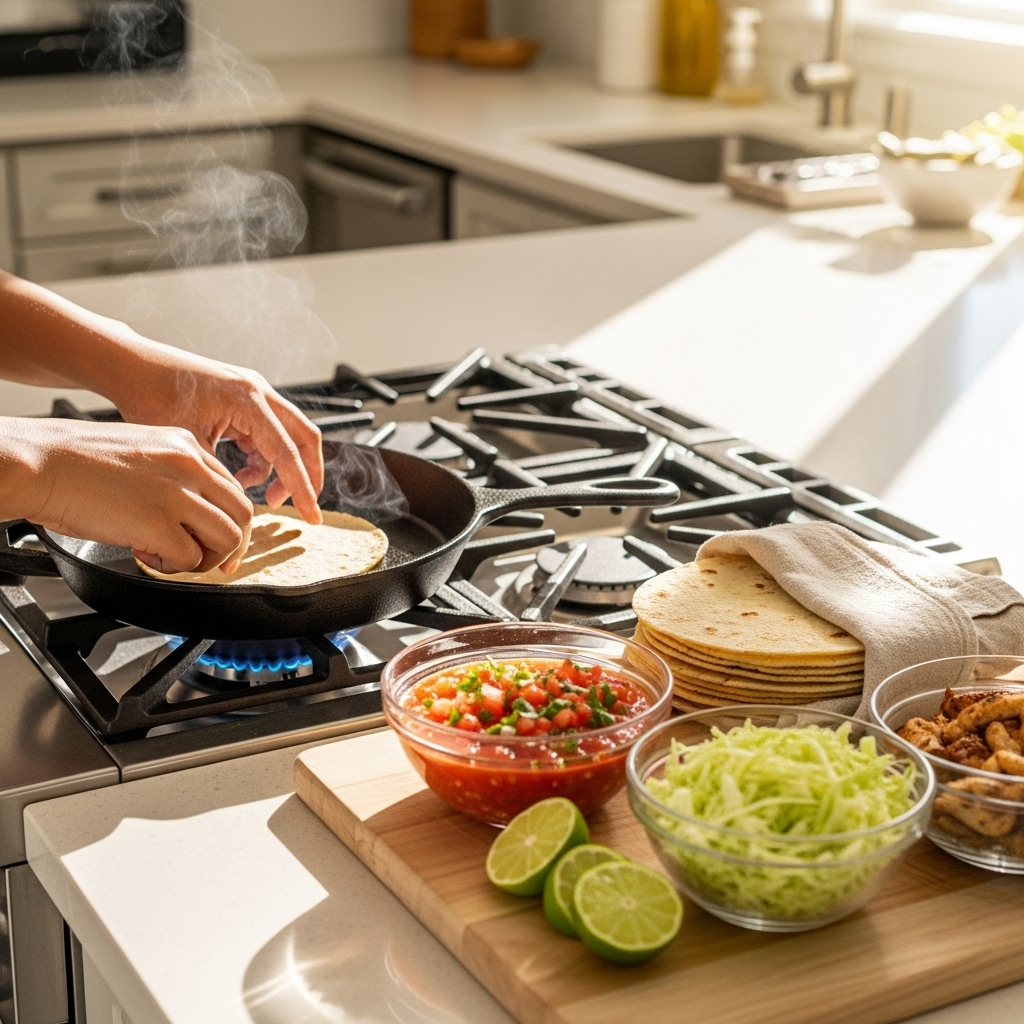
We’ve all unwrapped a taco that looked perfect only to find the tortilla collapsing under the first bite. The culprit is usually moisture imbalance and temperature. Juicy fillings and cold garnishes combine in a closed container, creating condensation that soaks the tortilla. The fix starts before the first bite. Keep hot and cold components separate during travel whenever possible, and rewarm tortillas briefly on a dry pan to drive off any surface moisture. At assembly, layer wisely: protein first as an anchor, then crunchy elements, finishing with salsa so excess moisture doesn’t sit directly on the tortilla.
If you’re at home, a double tortilla can help with very juicy fillings. Lightly overlapping them spreads the load and catches drips. It’s not a crutch; it’s a strategy, much like wearing layered gear on a windy day along the DuPage. The goal is to preserve bite integrity without losing the lusciousness that makes tacos so satisfying.
Flavor Overload and the Lost Filling
Another common issue is letting loud toppings drown out the core. A heavy hand with a fiery salsa can blur the nuances of a carefully cooked protein, while too much crema can mute acidity and make a taco feel flat. The solution is proportion and contrast. If your filling is rich and slow-braised, choose a bright, acidic salsa and go light on creamy elements. If the filling is lean and delicate, you can afford more body in your toppings. Taste a dot of salsa before committing; it’s easier to add than remove.
Don’t forget salt and acid. A squeeze of lime can unlock flavors you thought were missing. When a taco seems dull, it’s often calling for acid rather than more heat. That tiny correction can turn a so-so bite into a memorable one without piling on extra ingredients.
Heat Mismatch
Heat isn’t a contest; it’s a setting. Many people order a salsa that’s too hot for the rest of the meal, and the result is numbness rather than nuance. If you love heat, aim for salsas that also bring flavor—smoke, fruit, or herbs—so you get layers rather than a single burn note. If you’re heat-sensitive, look toward salsas with tomatillo or citrus that deliver brightness without the sting. The fix is to match heat level to filling and mood. After a long afternoon at a youth tournament, a refreshing salsa will feel restorative; a blistering one may not.
When ordering for a group, include a range of heat levels and let people build to their preference. That simple courtesy preserves the experience for everyone, turning potential conflict into discovery as friends trade bites and compare notes.
Tortilla Tearing and Structural Weakness
A torn tortilla makes for messy, frustrating eating. Often the tortilla wasn’t warmed properly, or it cooled off before assembly. The fix is simple: warmth equals flexibility. A quick pass on a dry skillet or comal softens and strengthens corn tortillas, and a brief rest stacked in a towel keeps them supple. If you’re dealing with flour tortillas, a gentle warm-up keeps them pliable without drying out. Avoid overfilling, which forces the tortilla to stretch beyond its limits and split along the fold.
Layering also matters. Place sturdier ingredients closest to the tortilla—grilled meats or beans—then top with lighter vegetables and herbs. This arrangement distributes weight and moisture so that the first bite has structure rather than collapse.
Takeout Timing and Texture
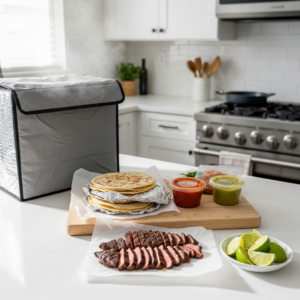
Naperville’s active rhythm means tacos often travel—from downtown counters to patios, parks, or home kitchens. Time in a closed container invites steam to soften ingredients. The fix is a hybrid approach: request or plan to keep certain elements separate, then assemble on arrival. Warm tortillas quickly at home and add salsa last. If you know the drive will be longer, choose fillings that hold texture well—grilled chicken, roasted vegetables, or beans—and save especially juicy options for when you can eat sooner.
If you arrive home to tortillas that feel sleepy, don’t panic. A dry skillet brings them back to life in under a minute, restoring aroma and flexibility. Treat it like a technical timeout that changes the momentum of the meal.
Imbalanced Meals and Post-Meal Sluggishness
Tacos are deceptively efficient, but a meal built entirely from heavy fillings can leave you ready for a couch nap. Balance is the fix. Pair one rich taco with a lighter, vegetable-forward option. Use bright salsas to cut through fat. Choose toppings that bring texture—cabbage or radish—so each bite wakes you up rather than slows you down. Naperville’s lifestyle favors food that lets you get back to the Riverwalk or to your kids’ practice without feeling weighed down.
Drink water, particularly if you’re enjoying spicy salsas. Hydration isn’t just for workouts; it keeps flavors clear and your body happier after a satisfying meal.
Underseasoned or Overseasoned Fillings
Sometimes the issue is seasoning drift. A filling can taste different once it’s in a tortilla with toppings. Before adding more salt, try lime; acid often brightens flavors enough to reduce the need for additional seasoning. If a taco feels overly salty, lean on fresh elements—cilantro, onion, cabbage—to bring balance. The fix is targeted adjustment rather than overcorrection. Small tweaks yield big improvements.
For home cooks, taste at every step. Season the filling, then consider how toppings will alter the final bite. A salsa with significant salt content, for example, should prompt a lighter hand on the protein’s seasoning.
Overcrowded Orders and Lost Variety
We’ve all been tempted to order every interesting taco on the board. The result can be a table where flavors blur together and no single taco shines. The fix is to curate. Choose a mix that contrasts in texture and flavor—one rich, one bright, one herb-forward—and give each space to be appreciated. This kind of editing turns a good meal into a memorable one, much like a coach selects the right lineup for the moment.
When ordering for a group, agree on a loose plan. Balance proteins and vegetables, vary heat levels, and avoid duplicating the same profile across the board. The table becomes a conversation rather than a chorus singing the same note.
Home Assembly Mistakes
At-home assembly is an art. Common missteps include over-saucing early, skipping the tortilla warm-up, and stacking wet elements directly on the tortilla. Fixes are straightforward: warm tortillas until aromatic, apply salsa sparingly at first, and use protein or beans as a moisture buffer. If you’re building for later, keep salsas and fresh herbs separate in the fridge until just before serving.
Another tip: slice garnishes to a size that matches the taco’s scale. Too-large pieces of lettuce or onion create awkward bites and make fillings slip. Smaller cuts integrate better, so every component contributes without stealing the spotlight.
Group Dining Dynamics
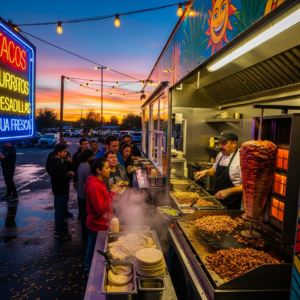
In Naperville, meals often involve teams, neighbors, and family friends. The issues aren’t only technical; they’re social. Heat tolerance varies, dietary needs differ, and arrival times are rarely synchronized. The fix is communication. Offer a spread that respects variation, label salsas clearly, and let people assemble when they’re ready. A bit of patience during a busy night downtown goes a long way too. Everyone enjoys the meal more when the pace is unhurried and the vibe stays friendly.
Sharing tips has become part of the culture. Someone will show a newcomer how to fold the tortilla just so, another will recommend a salsa pairing, and soon the table is swapping mini-lessons. It turns potential frustration into a sense of community.
Learning from the Seasons
Naperville’s seasons coach us in what to crave. On hot summer evenings, crisp, bright tacos feel right. In the depths of winter, slow-cooked fillings with a spark of pickled onion comfort without dulling the senses. If your taco doesn’t match the weather, it can feel off. The fix is choosing flavors that align with the day. It’s the culinary equivalent of wearing the right gear for a run along the river—simple common sense that makes everything better.
When to Explore and When to Lean on Classics
Exploration is part of the fun, but it helps to anchor your order with a known favorite. One adventurous choice at a time keeps the table grounded. When curiosity strikes, check the menu and identify a salsa or filling you haven’t tried. Pair it with two reliable picks so you can appreciate what’s new without losing momentum if it’s not your immediate style.
Over time, you’ll build a personal playbook of combinations that work. That familiarity makes ordering smoother when the kids are hungry or when you’re racing the clock between events.
FAQ: How do I keep tacos from getting soggy during the drive home?
Separate hot and cold components, rewarm tortillas on a dry skillet, and add salsa last. If fillings are very juicy, double up corn tortillas for support without sacrificing flavor.
FAQ: What’s the best way to fix a taco that tastes flat?
Try a squeeze of lime before adding more salt or heat. Acid brightens flavors and can restore balance in a single step. Then add salsa slowly until you hit the sweet spot.
FAQ: How can I order for a crowd with different preferences?
Curate a balanced spread: vary heat levels, include vegetable-forward options, and label salsas. Let guests assemble to control moisture and spice, minimizing waste and maximizing enjoyment.
FAQ: Why do my tortillas tear?
Cold tortillas lack flexibility. Warm them until pliant, keep them stacked in a towel, and avoid overfilling. Layer heavier ingredients closest to the tortilla for structural support.
FAQ: What’s an easy improvement for takeout tacos?
Finish at home. Warm tortillas, refresh with lime, and add delicate garnishes right before eating. The difference in texture and aroma is immediate and worth the minimal effort.
When you’re ready to turn fixes into habits and enjoy consistently great tacos—whether on a park bench, a patio, or at your own table—glance at the current menu, plan a balanced lineup, and make your next meal the one that sets the standard.