The Little Mistakes That Derail a Great Taco
If you cook or order tacos around Naperville as often as I do, you start noticing patterns. Most disappointments come from a handful of avoidable pitfalls—soggy tortillas, under-seasoned fillings, imbalanced toppings, and rushed assembly. The good news is that small changes pay big dividends. Whether you’re hosting after a Riverwalk picnic or grabbing a quick bite between errands on Washington Street, steering clear of these missteps will keep your tacos lively, balanced, and memorable. And if you like to plan your choices before heading out, glancing at a local taqueria’s menu can help you sidestep common ordering traps.
Think of tacos as a simple equation: quality tortilla plus well-seasoned filling plus bright, textural accents. Get those parts right, and everything else feels forgiving. Miss one, and even good ingredients can taste flat. The following lessons come from years of cooking at home, trading tips with neighbors, and paying attention to what local pros do well.
Pitfall: Soggy or Cracked Tortillas
Nothing sabotages a taco faster than a tortilla that splits or steams into mush. The fix begins with heat. Warm tortillas quickly on a hot skillet or directly over a low flame until pliant and fragrant. If you’re serving a crowd, stack warmed tortillas in a clean towel to hold heat and control moisture. For corn tortillas that feel fragile, doubling up can help—though if they’re freshly made and properly heated, one is often enough.
Moisture management is equally important when you order takeout. Keep hot fillings and cold garnishes separate, and assemble on arrival. If the restaurant packs tacos fully dressed, eat them promptly. At home, drain juicy fillings briefly before assembly and place crisp elements like slaw on top so they don’t weigh down the tortilla.
Pitfall: Underseasoned or Overseasoned Fillings
Napervillians love bold flavor, but it’s easy to miss the mark. Underseasoned fillings taste dull; overseasoned ones overwhelm. The solution lies in layering. Season proteins at each stage—salt early for penetration, then add spices judiciously as you cook. Toasting ground spices for a few seconds in the pan before adding liquid wakes them up. For chiles, bloom them in oil or blend rehydrated dried pods for deeper character. Finish with acid—lime, vinegar, or a tangy salsa—to brighten without adding heaviness.
If you’ve gone too far, you can still recover. A quick cabbage slaw mellows salty or spicy fillings. A spoonful of beans adds creaminess to harsh heat. Balance is the north star; every element should support, not compete.
Pitfall: Imbalanced Toppings
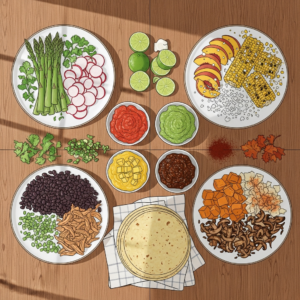
Too many rich toppings turn tacos cloying, while too few leave them austere. Aim for a trio of contrasts: something bright (salsa or pickled onions), something crisp (slaw or radishes), and something cooling (a light crema or diced avocado). This balance helps smaller portions feel satisfying and keeps flavors clear. It also stretches pricier ingredients—music to any host’s ears in a town where weekend schedules fill fast and budgets have to flex.
When dining out, read descriptions closely. If a taco already includes a creamy element, you may not need extra cheese. If it’s heavy on sweet notes, ask for a tangier salsa to counterbalance. Curating your toppings is part of the craft.
Pitfall: Neglecting the Tortilla’s Quality
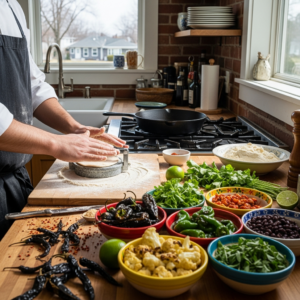
Many home cooks spend all their energy on the filling and then grab any tortilla available. Quality matters. Seek out good corn tortillas with real corn aroma, and store them sealed to prevent drying. Warm flour tortillas just long enough to restore suppleness, not so long that they turn leathery. If you’re feeling ambitious, try pressing your own tortillas on a weekend; the jump in flavor and texture will reset your expectations.
Restaurants that griddle tortillas to order instantly stand out. That detail signals intention and should be a factor when you decide where to eat. If you can’t taste the tortilla, you’re missing a third of the taco.
Pitfall: Overcrowding the Tortilla
Generosity is admirable, but overstuffing leads to messy bites and muddled flavor. Two to three ounces of filling is plenty for a standard corn tortilla. The point is to taste everything in one bite—corn, protein or vegetables, salsa, and a crisp accent. If you want a heartier plate, build multiple tacos rather than one overloaded one. This approach also keeps temperature and texture in the sweet spot.
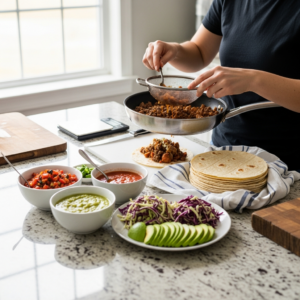
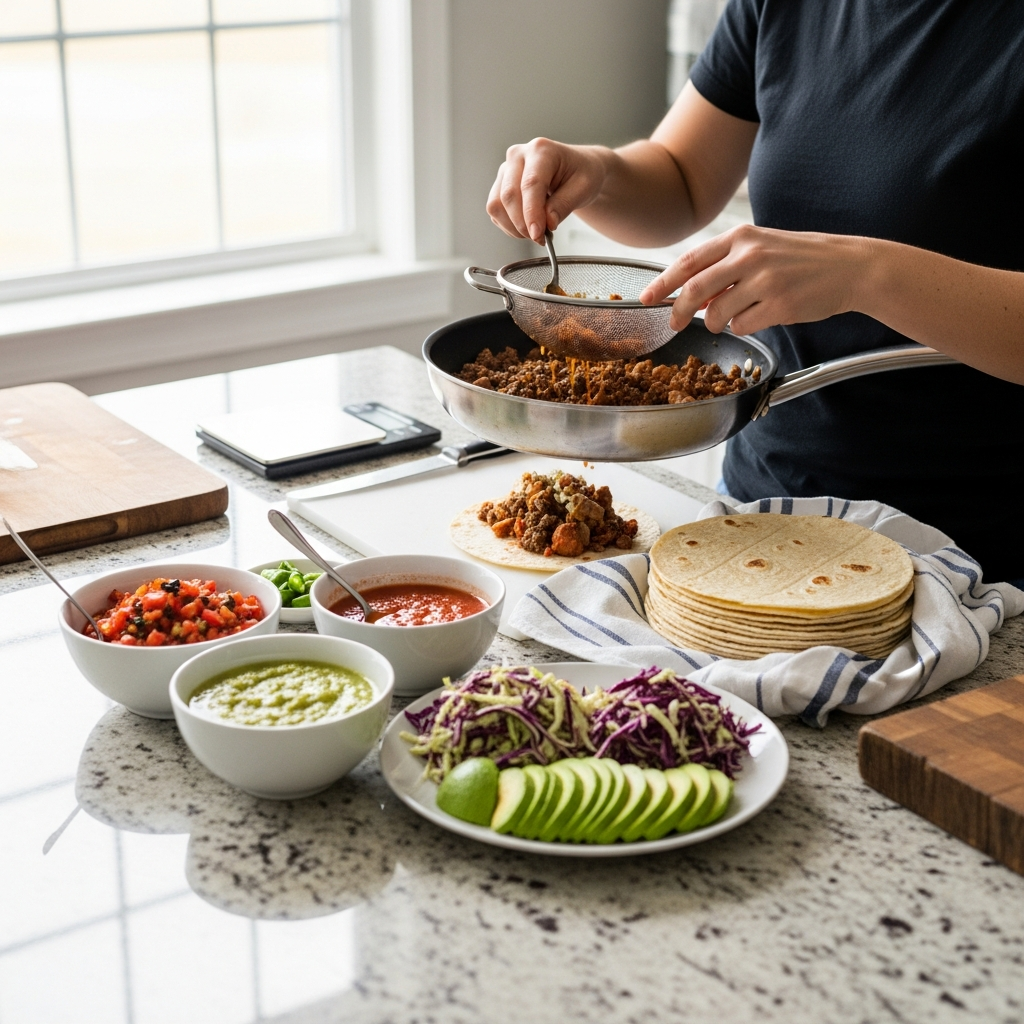
At gatherings, put out smaller spoons for self-serve fillings to cue portion size. People intuitively follow the tools you provide, and your tacos will hold together beautifully as a result.
Pitfall: Forgetting Temperature and Timing
Temperature is a quiet hero in taco success. Warm tortillas meet hot fillings and cool, crisp toppings. If everything is the same temperature, the experience flattens. Stagger your prep so the protein hits the pan last, tortillas warm just before serving, and garnishes stay chilled. At home, this sequencing is the difference between a decent meal and a memorable one.
For takeout, rewarm components separately rather than microwaving whole tacos. A quick skillet reheat revives proteins, and a minute on a hot surface refreshes tortillas. Add the cold elements at the very end so they remain lively.
Pitfall: One-Note Heat
Spice should elevate, not punish. If all your heat comes from one source—say, a single hot salsa—you’ll miss out on complexity. Blend types of heat: a mild roasted salsa for warmth, a few jalapeño slices for freshness, or a dash of a brighter, fruit-forward sauce. In Naperville’s varied households, this approach keeps everyone happy because people can calibrate their own plates.
Remember that salt and acid change your perception of heat. A squeeze of lime can make a salsa feel more vivid while smoothing its edges. Use that to your advantage when you’ve misjudged the Scoville scale.
Pitfall: Disregarding Dietary Needs
Taco nights should feel welcoming. Cross-contact with gluten, dairy, or nuts can sideline guests and dampen the mood. Keep tortillas in separate stacks if you’re offering corn and flour, label salsas that contain allergens, and use clean tongs for each component. At restaurants, clarity on these points builds trust and loyalty, and many Naperville spots have become admirably proactive.
When hosting mixed groups, set up assembly in zones: warm items on one side, chilled garnishes on the other, and a clearly marked area for allergen-sensitive components. This isn’t fussy—it’s thoughtful, and it ensures everyone has a good time.
Pitfall: Skipping Acid and Freshness
Richness without brightness gets heavy fast. Citrus, pickled elements, and fresh herbs provide the lift that makes tacos craveable. If a bite feels flat, your first move should often be lime and a pinch of salt. A handful of chopped cilantro or a quick pickle of onions can rescue a near-miss, turning a serviceable taco into a lively one.
When ordering, note which tacos come with slaw or pickled items and consider adding them where missing. Small tweaks honor the cook’s intent while tailoring the plate to your palate.
Pitfall: Ignoring the Power of Planning
A little forethought prevents many mishaps. If you have a packed evening between work and practices at Frontier Sports Complex, prep a salsa and slaw in the morning and marinate proteins the night before. Set a reminder to pull tortillas from the fridge so they’re ready to warm. Restaurants plan for rushes by par-cooking components and finishing to order; home cooks can borrow that playbook to stay calm when guests arrive hungry.
Planning also extends to where you dine. Reviewing a menu helps you decide which combinations align with your preferences and dietary needs. You’ll order strategically, avoid overkill, and leave satisfied.
Turning Lessons into Better Taco Nights
The beauty of tacos is how forgiving they are once you understand the rhythm. Heat your tortillas properly. Season in layers and finish with acid. Balance richness with crunch and freshness. Respect dietary needs so everyone feels welcome. Keep portions in check so each bite sings. These aren’t rules so much as habits, and after a few dinners they become second nature.
In Naperville, where neighbors swap recipes as often as they swap lawn tools, small improvements spread quickly. Share what you learn, ask questions at markets, and pay attention to the details that make your favorite restaurants special. Soon enough, your routine taco night will look and taste like the best version of itself—simple, generous, and consistently delicious.
Frequently Asked Questions
Q: How do I keep takeout tacos from getting soggy? A: Separate hot and cold components, assemble just before eating, and rewarm tortillas briefly on a dry skillet to restore texture.
Q: What’s the single biggest mistake home cooks make? A: Neglecting the tortilla. Warm it properly and choose quality; everything else tastes better instantly.
Q: Can I rescue an over-salted filling? A: Yes. Add unsalted beans or vegetables to dilute, and finish with lime juice or a tangy salsa to rebalance.
Q: How much filling should go into one taco? A: Aim for enough to taste every element in a single bite—typically a modest scoop, with room left for salsa and a crisp garnish.
Q: How should I handle allergens when hosting? A: Label components, use separate utensils, and keep sensitive items apart. Clear organization prevents cross-contact and eases stress for guests.
Ready to Build Better Tacos Tonight?
If you’re eager to put these fixes into practice, set out your components in order, warm those tortillas right, and let freshness lead the way. For inspiration that suits your next gathering, browse a local menu, pick a balanced lineup of fillings and salsas, and serve tacos that taste like Naperville at its best—welcoming, thoughtful, and full of flavor.