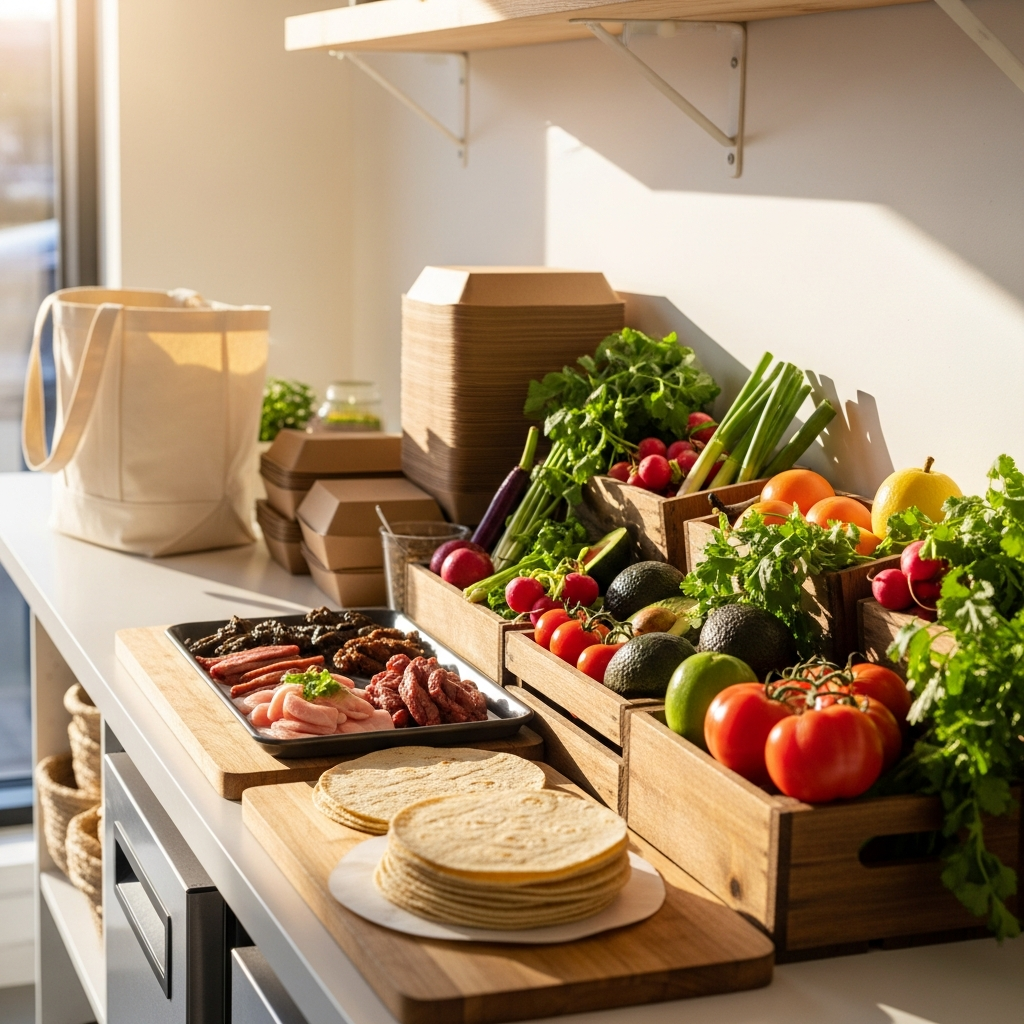
Naperville’s taco culture isn’t just about flavor; it’s also about choices that ripple beyond the table. From how corn is grown for tortillas to where the vegetables and proteins come from, every decision along the way carries an environmental footprint. You can taste the difference when sourcing is thoughtful, but you can also feel good knowing your meal reflects the values of a community that cares about its river, parks, and neighborhoods. As someone who watches the local food scene closely—from the bustle of the farmers market to quiet kitchen prep before a busy weekend rush—I’ve seen how small shifts in purchasing and packaging add up to meaningful change.
The easiest way to spot those choices is to start with the menu. Items that showcase seasonal produce, responsibly caught seafood, or beans and vegetables as main players usually hint at a kitchen paying attention to impact. Ask a few questions, and you’ll often learn about relationships with nearby farms, efforts to reduce waste, or steps to cut down on unnecessary packaging. None of this has to come at the expense of taste; in fact, the tacos that celebrate great ingredients tend to be the most delicious.
The tortilla’s origin story
A taco’s footprint begins with the tortilla. Corn tortillas rooted in traditional nixtamalization—where whole dried corn is treated with an alkaline solution—can be both flavorful and mindful when the corn is sourced responsibly. Some kitchens are moving toward regionally grown corn or masa from producers who prioritize soil health and biodiversity. Fresh-pressed tortillas also reduce the need for preservatives and long-distance transport, cutting a small but real slice of emissions and packaging.
Flour tortillas, when used, benefit from the same scrutiny. Smaller sizes minimize waste, and a focus on quality ingredients over shelf-stable additives supports better farming practices upstream. When a taquero toasts any tortilla to order, they often use less sauce to compensate for texture, which indirectly trims resource use in the aggregate.
Vegetable-forward choices reduce footprint
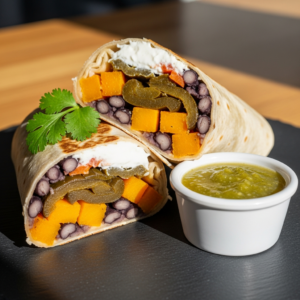
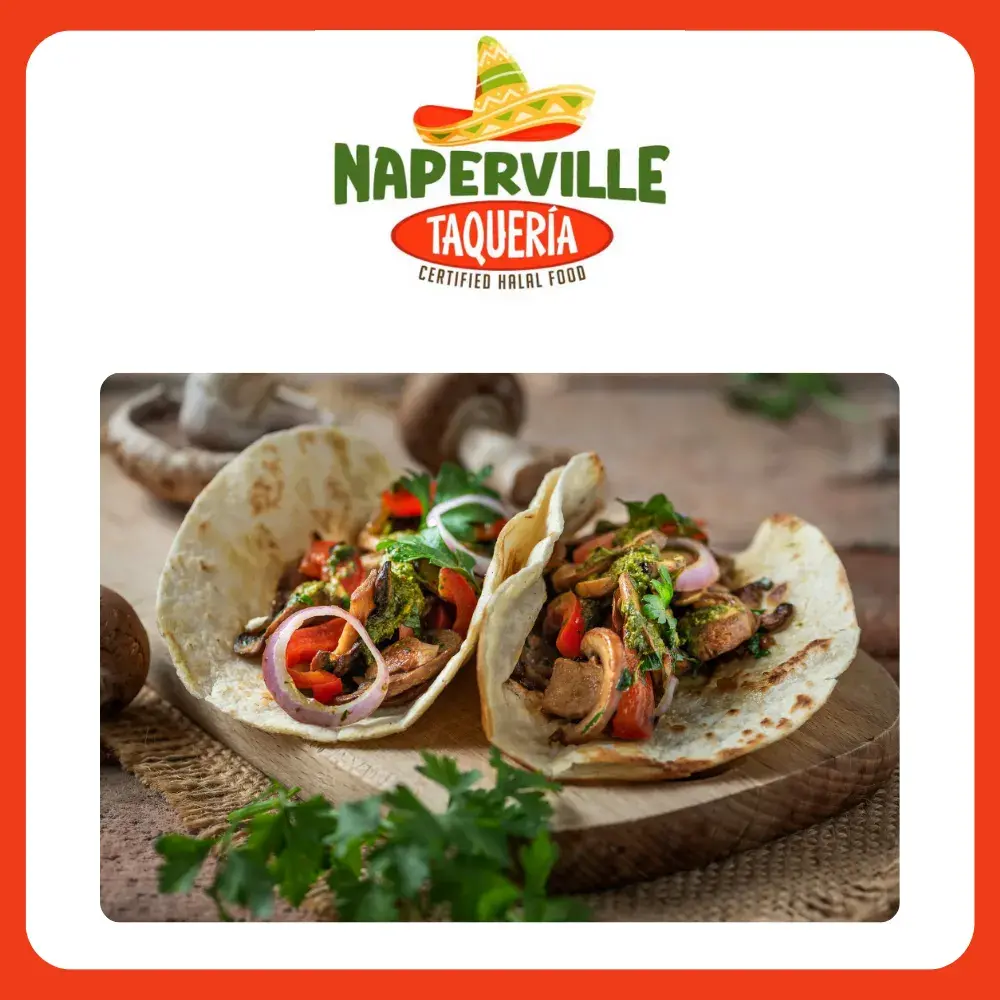
Plant-based tacos are environmental heavy hitters for the right reasons. Beans, mushrooms, squash, and seasonal vegetables typically require fewer resources to produce than animal proteins. In Naperville, this aligns naturally with the farmers market cadence: sweet corn and tomatoes in summer, sturdy greens and squash in fall and winter. When kitchens build tacos around these ingredients, they support regional agriculture and reduce the distance food travels to your plate.
Even when meat is on the table, vegetable volume can carry the dish. A taco that pairs a modest amount of steak with roasted peppers and onions, for example, spreads impact while enhancing flavor and texture. The result is a meal that feels abundant without leaning too heavily on resource-intensive components.
Responsible meats and better seafood
Beef, pork, and chicken each come with different environmental profiles, and Naperville diners are increasingly curious about how those proteins are raised. Restaurants that prioritize suppliers focused on animal welfare, feed efficiency, and land stewardship can lower the footprint of their meat offerings. While certification labels vary, clear communication from the kitchen about sourcing practices is a reliable signal that someone is paying attention beyond the invoice.
Seafood presents its own set of choices. Firm, responsibly caught fish that hold up well in tacos make sense for both texture and sustainability. By choosing species with healthy populations and mindful harvest methods, kitchens protect ocean ecosystems while serving a product that travels and cooks predictably. Diners notice when fish tastes clean and cooks evenly, and they return for that consistency.
Seasonality as an environmental strategy
Menus that follow the seasons aren’t just exciting; they’re efficient. When tomatoes are bursting at the farmers market, it takes less energy to get them to a Naperville kitchen in peak condition. In cooler months, leaning into storage crops like squash or onions reduces the need for distant imports. Seasonality also fights waste: produce at its best is easier to sell and more satisfying to eat, which keeps leftovers out of the bin.
This approach dovetails with variation in salsas and toppings. A roasted salsa that uses peppers abundant in late summer is not only delicious—it’s logical. When winter arrives, a warm, cooked salsa riff can rely on pantry staples and preserved ingredients, keeping the emphasis on flavor rather than air-freighted freshness.
Packaging: small changes, big difference
We’ve all seen how takeout has grown in Naperville, and packaging is where environmental intentions meet reality. Restaurants moving toward recyclable or compostable containers and minimizing single-use extras make a visible dent in waste. Providing sauces on the side in right-sized containers prevents soggy food while reducing the temptation to overfill—fewer half-used tubs end up in the trash. Napkins and utensils on request only, rather than by default, cut waste further without hurting hospitality.
Diners can help by planning ahead. If you regularly picnic along the Riverwalk, keep a small kit with reusable napkins and a container or two; it takes little effort and noticeably shrinks your waste footprint. Bring condiments back home for future use rather than tossing them, and condense packaging before it reaches a public bin to reduce overflow.
Energy and water in the kitchen
Behind the scenes, the stoves and sinks matter. Efficient equipment, careful water use, and smart batch cooking reduce resource consumption. For taco operations, hot griddles and grills that hold heat consistently cook faster and more evenly, meaning less wasted product. When proteins are marinated and cooked in thoughtful batches, kitchens can prevent overproduction while ensuring that each taco is assembled to order—fresher food, less waste.
Dishwashing practices also add up. Consolidating runs and using high-efficiency machines cuts water and energy. Even something as simple as labeling prep containers to avoid needless rewashing keeps resources in check. You won’t see these details from the dining room, but you taste the results when food arrives freshly cooked and properly handled.
Transportation and the last mile
How food reaches Naperville affects its footprint. Sourcing from nearby farms or regional distributors shortens the supply chain, limiting fuel use and handling. Once in town, the final mile—delivery to your home or a short drive to the Riverwalk—matters too. Choosing pickup when convenient or bundling errands reduces stop-and-go trips. If you live close enough to walk or bike on a nice day, that Riverwalk stroll doubles as part of the experience and trims emissions to nearly zero.
For restaurants, efficient delivery routes and insulated, reusable carriers help maintain food quality and reduce packaging waste. When drivers carry multiple orders along a common route, the environmental math improves noticeably compared to one-off sprints across town.
Waste reduction and upcycling
Smart kitchens find second lives for trim and leftovers. Yesterday’s roasted vegetables can become today’s taco special when handled safely and creatively. Citrus peels can be zested into salsas or syrups; herb stems can flavor broths; bones can enrich stocks that later moisten braises. These practices respect ingredients and the effort behind them, and they shrink the trash bag at the end of the night.
Guests can pitch in by ordering what they’ll finish and storing leftovers properly. Separate sauces and tortillas when you get home, and rebuild the next day with a quick skillet warm-up. You’ll avoid food waste while enjoying a surprisingly fresh second act.
Community connections
Environmental impact improves when relationships strengthen. Many Naperville restaurants know their farmers by name and adjust menus when those partners have a bumper crop or a lean week. That flexibility keeps money in the local economy and reduces the need for long-haul substitutions. It also fosters accountability: when purveyors and chefs talk often, they solve problems—like packaging changes or delivery timing—that reduce waste for everyone involved.
Diners are part of that loop. Ask where the fish came from or whether the squash is local, and you’ll signal that sourcing matters. You don’t have to interrogate; simple curiosity encourages better practices. Over time, those questions shape buying habits more than any poster on a wall could.
Balancing ideals with enjoyment
Sustainability works best when it remains joyful. A taco built around seasonal vegetables or responsibly sourced fish should taste like celebration, not sacrifice. In practice, the environmental choice is often the one that sings on the plate: a fresh-pressed tortilla, a salsa made from peak produce, herbs clipped moments before service. When flavor leads, good habits follow because people want to repeat them.
Perfection isn’t the goal. Progress is. A kitchen might switch to better packaging this month and refine its seafood list next season. Diners might choose a plant-forward option once a week or request fewer single-use extras. Stack these small wins across a community the size of Naperville, and the difference becomes visible in cleaner bins, happier suppliers, and meals that feel even more connected to home.
Mid-meal reflections
Halfway through a taco spread with friends, I like to check which plates disappeared first. It’s almost always the ones that feature seasonal vegetables or a clean, well-cooked fish. That observation sends me back to the menu looking for the next dish that follows the same logic: quality ingredients, smart handling, and minimal waste. It’s an easy way to keep sustainability front-of-mind without turning dinner into a lecture.
FAQ
Are corn tortillas more sustainable than flour?
It depends on sourcing and processing. Corn tortillas made from responsibly grown corn and traditional nixtamalization can carry a smaller footprint, especially when the masa travels a short distance. Flour tortillas can be mindful too when made with quality ingredients and minimal additives. Fresh, local, and preservative-light products generally reduce impact.
Which taco fillings have the lowest environmental footprint?
Plant-based fillings like beans, mushrooms, squash, and seasonal vegetables usually have the smallest footprint. When you choose these as the star or pair them generously with a modest portion of meat, you lower resource use without sacrificing flavor or satisfaction.
Does sustainable seafood really make a difference?
Yes. Selecting species with healthy populations and responsible harvest methods protects ecosystems and ensures consistent, high-quality fish for the plate. Diners notice the difference in texture and taste, which keeps demand aligned with better practices.
Is eco-friendly packaging worth the effort?
Absolutely. Compostable or recyclable containers, utensils on request, and right-sized sauce cups reduce waste without hurting the experience. When paired with smart packing that prevents sogginess, you also cut food waste—a double win for the environment.
How can I support better sourcing as a diner?
Ask simple questions about origins, order seasonal items, and favor vegetable-forward options more often. Bring minimal reusable gear for takeout or picnics, and request only the extras you’ll use. Your habits send clear signals that shape purchasing over time.
Ready to eat with your values in mind?
In Naperville, sustainability and satisfaction belong on the same plate. Choose tacos that highlight seasonal produce, responsibly sourced proteins, and mindful packaging. When you’re planning your next order, browse the menu, invite a friend for a Riverwalk stroll, and enjoy a meal that tastes like our town at its best—today and for seasons to come.