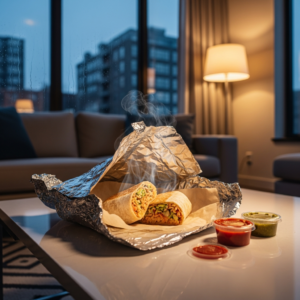
On any given afternoon in Naperville, you can watch the rhythm of the city pulse along the Riverwalk, where families, joggers, and coworkers out for a quick bite meet in the easy middle ground of a shared table. In that scene, tacos often play the role of peacemaker and crowd-pleaser, bringing together a remarkable range of tastes, dietary preferences, and cultural backgrounds. Before the first bite even lands, the scent of warm tortillas and citrus-laced salsa lowers the shoulders and invites conversation. If you have ever wondered why this seemingly simple hand-held meal is so beloved, it helps to start by seeing tacos not just as food, but as a format—one that can be nutritionally balanced, culturally expansive, and socially connective. And if you are already hungry, browsing a thoughtfully curated taco menu is the quickest way to visualize that balance coming to life.
Naperville’s health-minded residents often talk about eating well as a daily practice made easier by smart choices, not denial. Tacos fit neatly into that approach. Consider a warm corn tortilla as a foundation: naturally gluten-free, portion-friendly, and layered with fiber from whole-ground masa. Add lean proteins like grilled chicken, seared fish, slow-simmered beans, or roasted seasonal vegetables, and you have a plate that feels celebratory without asking you to bend your long-term goals. Where some meals hide their richness behind heavy sauces, tacos broadcast their ingredients openly, nudging you to compose each bite with intention. A spoon of pico de gallo brightens the palate without excess oil, a scattering of cabbage adds crunch and phytonutrients, while fresh lime takes the place of added salt by waking up flavor receptors with natural acidity.
There is a reason nutritionists in our area often encourage building plates around color and texture. Vibrant salsas in shades of verde, roja, and mango-orange practically advertise the vitamins they carry, and when you combine them with cilantro, onion, and crisp lettuce or radish, you are feeding your microbiome with variety, not just volume. Even classic slow-cooked meats become health-forward when portioned sensibly within tacos, since the tortilla keeps each serving grounded. When you choose to enjoy two or three tacos, you intuitively balance protein, carbs, and fats, making tacos a stealth ally for folks tracking macros without wanting to eat like they are tracking macros.
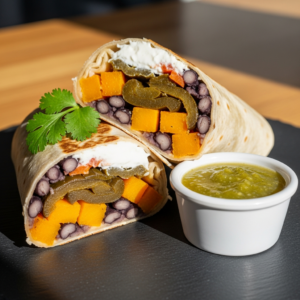
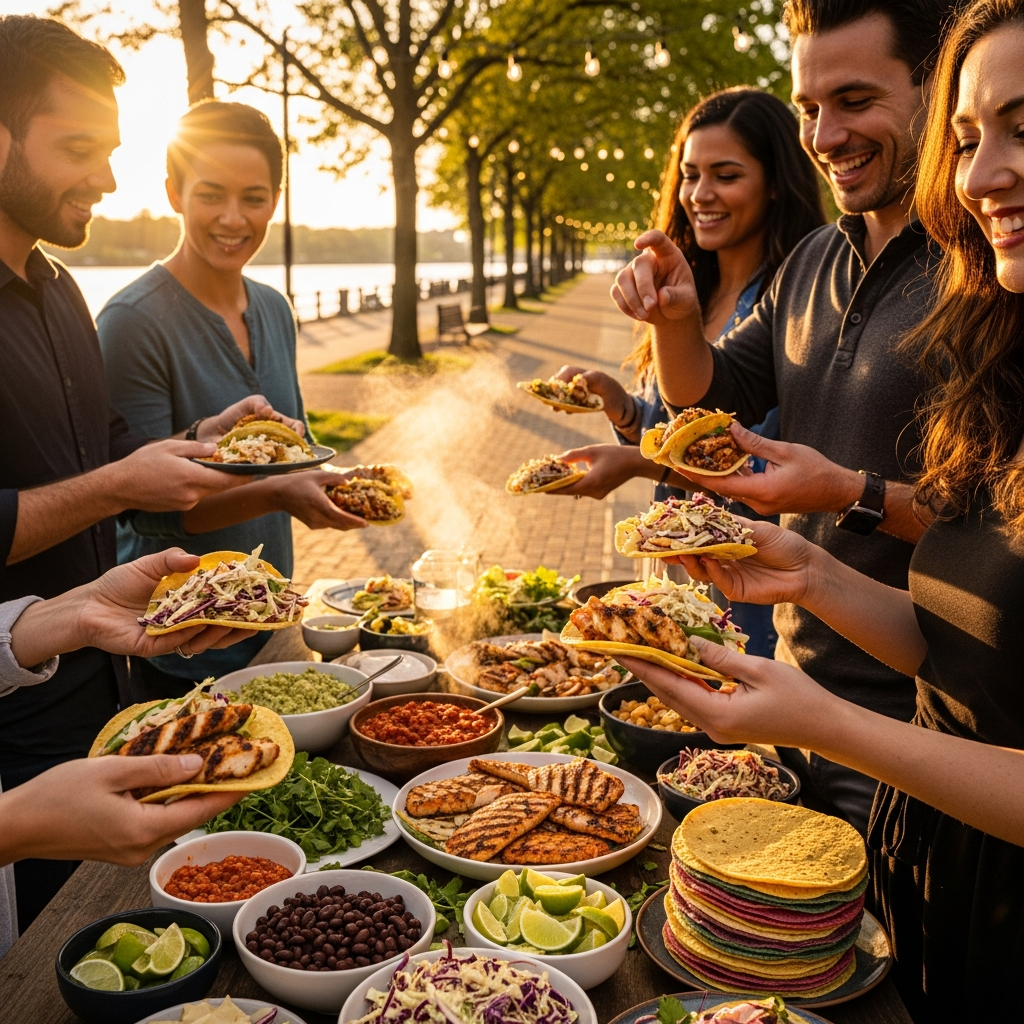
What makes this even more relevant in Naperville is how our community eats together. Between youth sports practices in Knoch Park, post-service gatherings on Sunday, and quick lunches near the train station, tacos make it easier to align the needs of groups. The same table can accommodate a vegetarian friend who wants black beans and charred peppers, a pescatarian opting for grilled mahi with cabbage slaw, and someone chasing a high-protein day with adobo-marinated chicken. No one feels like a special request. This, too, is a health benefit—because social ease reduces the friction that leads to skipped meals, rushed choices, and the stress that so often undermines good intentions.
There is a mental wellness angle as well. We sometimes underestimate how much eating with others improves mood, resilience, and a sense of belonging. A shared taco night at home or a spontaneous stop at a taqueria after a walk on the Riverwalk becomes a ritual of connection. The very act of assembling a taco together—passing a lime wedge, choosing a salsa, offering the last tortilla—slows the pace of the meal and mirrors the communal bottoms-up nature of Naperville itself, where neighbors check on one another and kids grow up with a village around them.
Much of that spirit shows up in how local restaurants partner with schools and nonprofits. Tacos have an approachable, celebratory quality that makes them perfect for fundraisers, team dinners, and neighborhood block parties, and when those events feature locally sourced greens or seasonal squash from area markets, the nutritional story becomes one of regional pride, too. Farmers know their produce is highlighted, and diners taste the difference in each bite. Health, in this sense, is not just about nutrients—it is about knowing what we eat, where it comes from, and who benefits when we choose it.
From a culinary perspective, tacos also encourage moderation without deprivation. The natural cadence of eating one taco at a time invites you to check in with your hunger instead of racing through a giant plate. If you want heat, you add salsa. If you crave creaminess, a touch of avocado satisfies quickly due to its healthy fats. If you are cutting back on sodium, you lean into lime juice and herbs. Naperville’s active residents who cycle the DuPage River Trail or hit the gym near 95th Street often mention how satisfying tacos feel post-workout because they deliver the protein and carbohydrates you need without leaving you sluggish.
Culturally, tacos in Naperville tell stories. Some of our taquerias are run by families who carry regional traditions from Mexico—Jalisco-style marinades, Yucatán-inspired pickled onions, or Michoacán carnitas—while others experiment with seasonal Midwestern produce or global spices. The result is a culinary landscape that keeps the city curious and open. When we try a new filling or a different tortilla, we are practicing the small act of exploration that, over time, makes a community more welcoming. That openness is a form of health too, the kind that thrives on empathy and shared experiences.
Parents will appreciate that tacos are a surprisingly effective way to introduce kids to vegetables and new flavors. Because the format is familiar and handheld, children feel in control of what goes into each bite. You can place mild salsa next to a fruit-forward slaw and watch a hesitant eater become a co-creator. In Naperville’s schools, educators and nutrition staff often talk about “building confident eaters,” and the taco’s playful assembly lines up perfectly with that goal.
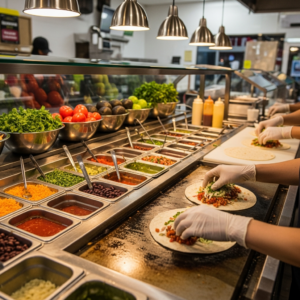
For those mindful of allergens, tacos can be adapted with care, particularly when kitchens are transparent about ingredients. Corn tortillas help many avoid gluten; grilled proteins and vegetables avoid breaded coatings; and salsas rely on whole ingredients rather than hidden additives. Asking questions at the counter becomes easy when the food is made to order in full view. That visibility cuts through guesswork and fosters trust, which is why taco spots so often inspire loyal followings among families with specific dietary needs.
In the flow of a busy week, tacos are also an ally for time management. A quick, nutritious lunch on Washington Street or a relaxed evening after a day at Centennial Beach can both revolve around the same format, customized within minutes. Because tacos are modular, leftovers from dinner can reinvent themselves the next day without losing quality—charred vegetables, a few slices of steak, or a spoonful of beans tucked into a fresh tortilla over lunch feels like a seamless continuation of eating well.
In the center of town, the dining scene evolves constantly, and tacos have followed suit with creative toppings, bright salsas, and a renewed emphasis on masa quality. When you explore a local spot’s offerings, a curated taco menu reads like a wellness plan disguised as a craveable lineup: lean options next to indulgent treats, vegetarian choices standing shoulder to shoulder with seafood and slow-braised favorites, all portioned in a way that encourages balance. The ritual of mixing and matching keeps meals exciting while staying aligned with long-term habits.
Community benefits ripple outward from there. When local taco shops source produce from regional suppliers, they shorten supply chains and invest in the area’s economy. Dollars stay in town, growers gain reliable partners, and diners taste the difference in freshness. Even small decisions—like offering housemade salsas in reusable containers or encouraging tap water over single-use bottles—accumulate into a culture of care. Naperville has always been a city that prizes stewardship, and the way its food community approaches tacos is no exception.
Seasonality plays a role, too. In summer, bright corn, tomatoes, and herbs star in tacos that feel like sunshine—perfect after a walk under the dappled trees near the Millennium Carillon. In colder months, braised meats and roasted root vegetables offer warmth that carries you from the library to an evening at home. This seasonal rhythm helps residents stay connected to the Midwest’s cycles, making healthy choices feel natural rather than forced.
There is also a generosity to tacos that resonates with Naperville’s giving spirit. Whether you are dropping off a dozen for a neighbor who just welcomed a new baby or setting out a spread for a club meeting, tacos travel well and invite people to serve themselves. That autonomy respects different appetites and preferences, reducing waste because everyone builds only what they will eat. It is a small but real way of caring for one another.
As a local who has watched this city grow, I believe tacos succeed here because they mirror Naperville’s strengths: diverse yet cohesive, efficient but unhurried, health-conscious without being joyless. They encourage us to see mindful eating as something delicious, communal, and sustainable. On busy days, I have seen professionals use a lunch break to reset with a couple of tacos and a short walk along the Riverwalk, returning to work focused and energized. On weekends, I have watched families linger, trying new salsas, sharing bites, and catching up in that unstructured time that builds strong relationships.
Frequently Asked Questions
Are tacos a healthy choice for everyday meals?
They can be. Choose corn tortillas for a naturally gluten-free base, lean proteins like grilled chicken or fish, and plenty of vegetables for fiber and micronutrients. Use salsa and lime to boost flavor without relying on heavy sauces. Portion size comes built in, so two or three tacos often deliver a satisfying balance of protein, carbohydrates, and fats without weighing you down.
How can I make vegetarian or vegan tacos feel hearty?
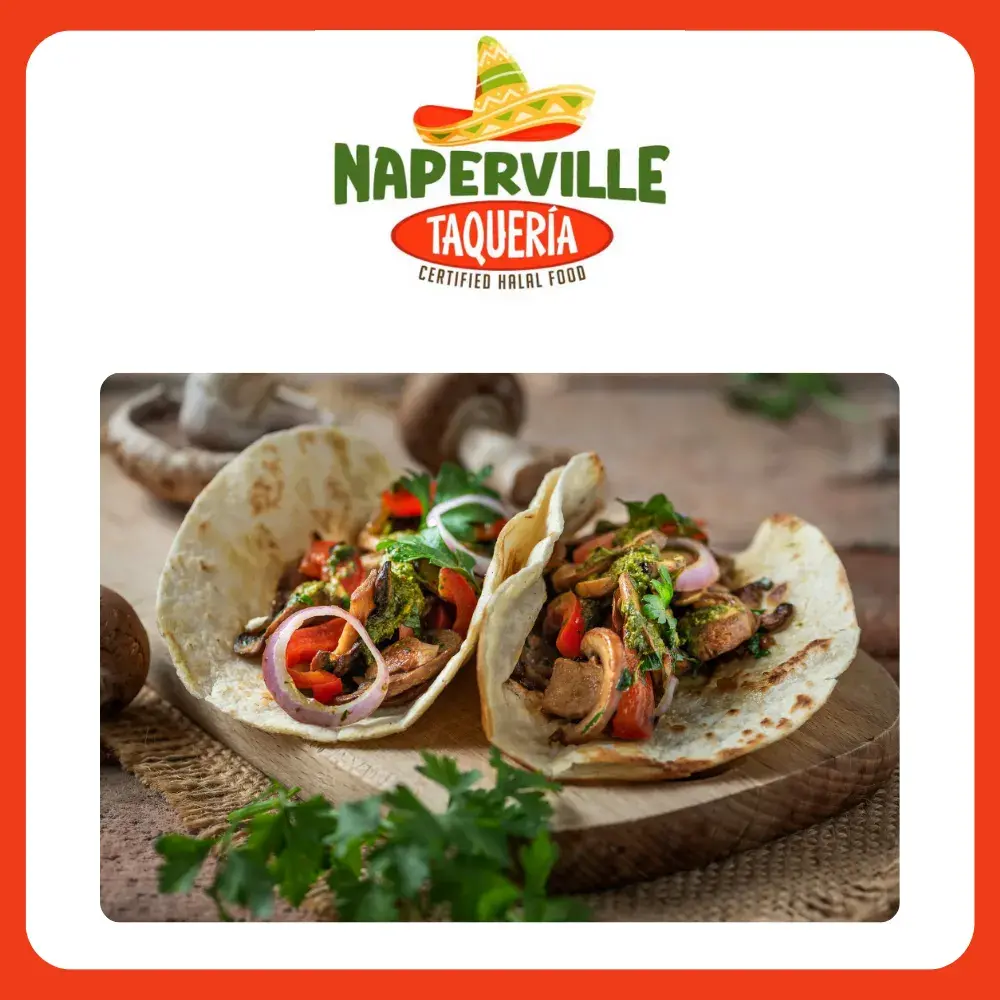
Combine textures and flavors. Roasted cauliflower or mushrooms offer meaty bite, while black or pinto beans provide protein and fiber. Add crunch with cabbage or radishes and brightness with salsa verde and lime. Avocado contributes satisfying healthy fats, helping the taco feel complete and satiating.
What is the best way to handle spice for a mixed group?
Serve heat on the side. Keep a mild base—grilled proteins or beans—then offer salsas at different heat levels. That way, spice lovers can dial up with chile de árbol or habanero while others enjoy milder pico de gallo. The modular nature of tacos lets everyone customize to taste without separate cooking.
How do tacos support community events in Naperville?
Tacos are approachable, easy to serve, and quick to customize, which makes them ideal for fundraisers, team dinners, and neighborhood gatherings. They also spotlight local produce when in season, connecting diners to area growers and reinforcing the city’s emphasis on community partnerships and wellness.
Any tips for keeping tacos balanced when I am hungry after a workout?
Lead with a protein like grilled chicken or fish, add a bean-based taco for extra fiber, and load on vegetables for micronutrients and water content. Include avocado or a small sprinkle of cheese for healthy fats, and finish with lime for freshness. You will leave satisfied without feeling sluggish.
If you are ready to turn good intentions into delicious action, explore the local taco scene, mix and match fillings, and treat each meal as a chance to nourish both body and community. For ideas that will meet you where you are—whether quick lunch or family dinner—browse the menu, choose a couple of favorites, and make today’s table the starting point for your next Naperville story.