You pick up tacos downtown, cross the Washington Street bridge with the DuPage River glinting below, and by the time you pull into your driveway in south Naperville the once-crisp edges have gone soft. Or maybe you’re hosting friends after a weekend run near Rotary Hill, and the first round is perfect while the second loses steam. Every Naperville taco lover has been there. The good news? With a few smart habits, you can keep tacos fresh, crisp, and vibrant at home—whether you’re feeding a family on a school night or laying out a spread for neighbors. If you’re deciding what to bring home tonight, a quick glance at a trusted taqueria’s menu can help you choose fillings and toppings that travel and reheat especially well.
First, remember that tacos are a structure as much as a flavor. Moisture management, heat, and timing are the three levers you can control. In restaurant kitchens along Jefferson and Chicago Avenue, cooks think about these details constantly—how to keep tortillas pliant but strong, how to balance juicy fillings with crisp edges, and when to add sauce so it kisses the tongue rather than soaks the base. Home eaters can borrow the same mindset and see big improvements immediately.
Start strong: packing smarter from the pickup counter
Think of the ride home as a miniature steam bath. Closed containers trap vapor that softens crisp textures fast. If you’re grabbing takeout in downtown Naperville and heading to Ashbury, Tall Grass, or far north near 5th Avenue, ask for wet toppings on the side and for containers to be slightly vented. Many shops already do this, but a friendly ask ensures it. Keep hot items flat in your car to prevent pooling juices, and avoid stacking containers that press tortillas into fillings.
Prefer flour tortillas for delicate fillings and corn for juicier ones. Flour’s flexibility helps prevent tears, while corn’s texture pairs beautifully with griddled foods and holds up when doubled. If the kitchen offers house-pressed corn tortillas, take them—they usually rewarm better, giving you a fighting chance against the clock between downtown and your kitchen.
The reheat trifecta: skillet, oven, air fryer
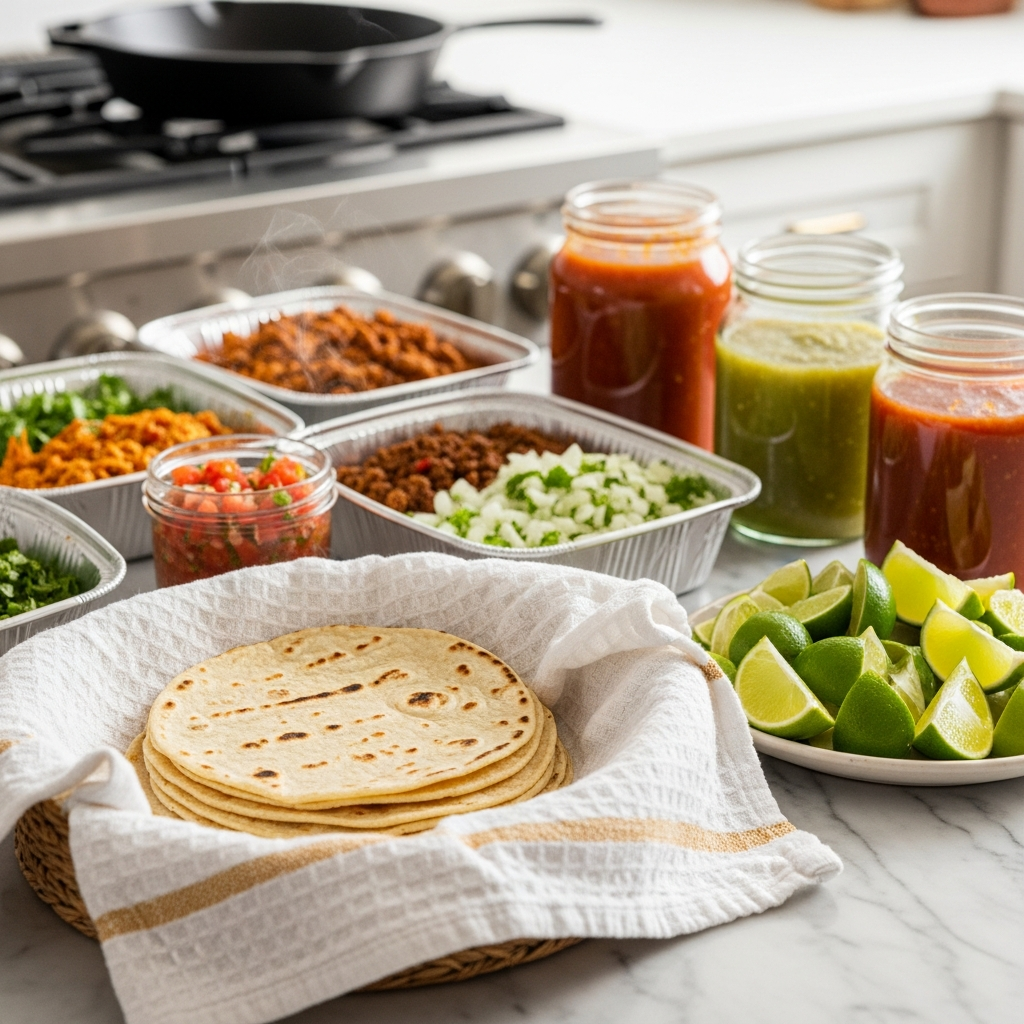
At home, aim to revive texture, not just temperature. A dry, hot skillet is the most universal tool for tortillas and proteins. Warm tortillas one at a time until they soften and blister slightly; stack them in a clean towel to keep heat without trapping steam. Proteins benefit from a brief sizzle in the same pan to wake up fat and crisp edges. If you’re feeding a crowd, set the oven to around medium heat and park a baking sheet inside; as you finish tortillas on the skillet, slide them onto the warm sheet to hold without sweating.
For crispy birria, carnitas, or griddled cheese edges, the air fryer can be a revelation. One minute at high heat restores the shatter that went missing in the car. Don’t overdo it—too long dries out the center. If you don’t own an air fryer, a hot oven with convection achieves a similar effect. The microwave should be your last resort for tortillas; it injects steam, turning them gummy within seconds.
Assemble with intention
Order matters. Start with the driest components: meat or beans first, then vegetables with minimal moisture, then spoon on salsas or crema right before eating. If you love onion-cilantro mix, dab it in rather than piling it on; those little bits can hold a surprising amount of water. When you’re making a round two for the table, assemble immediately before passing; the longer a dressed taco sits, the faster it slumps.
For super-juicy fillings like birria or al pastor, consider doubling corn tortillas. It’s a small insurance policy that keeps the structure intact. When you want that nearly-fried edge you get in restaurants, brush tortillas with a whisper of oil before they hit the pan. The result is a gentle crisp that resists sauces better and feels indulgent without heaviness.
Choose fillings that travel well
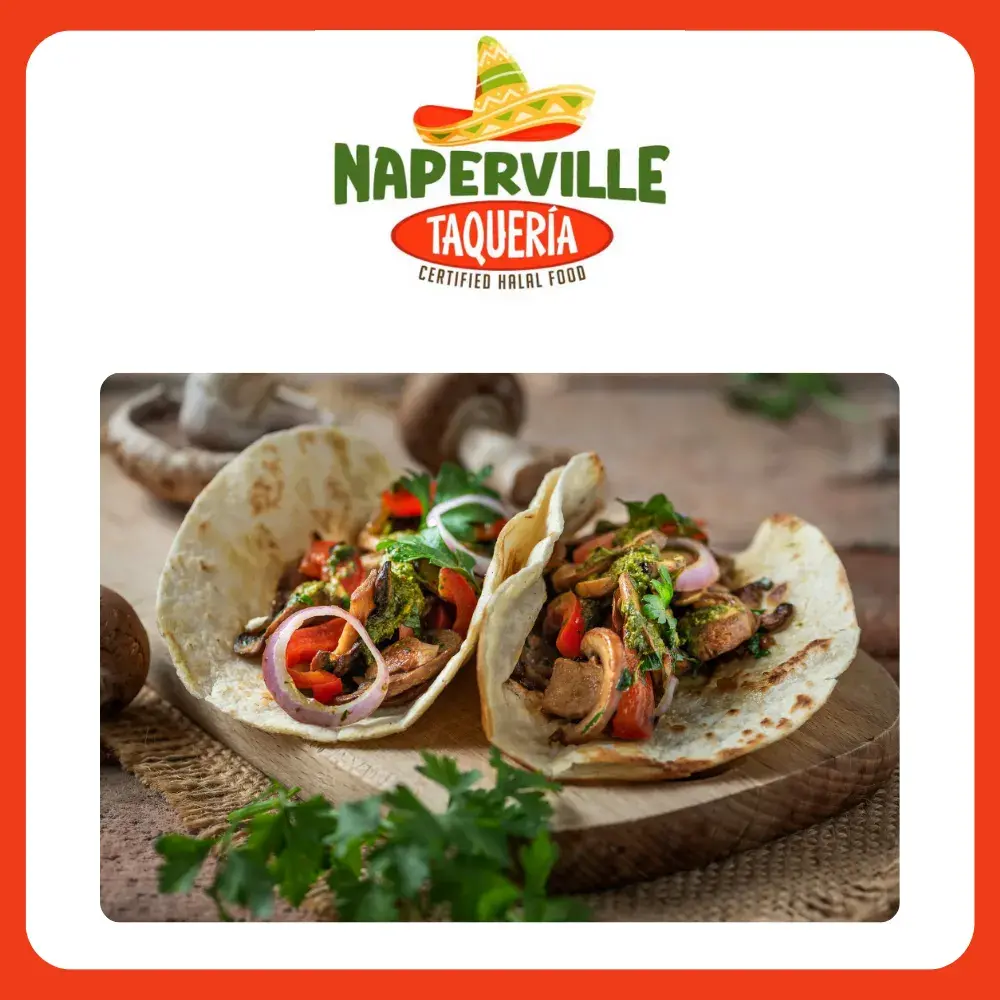
Some toppings are simply better travelers. Grilled chicken holds texture longer than batter-fried fish. Slow-cooked meats like barbacoa or carnitas reheat gracefully, especially if you wake them up in a hot pan. Vegetables that caramelize—peppers, onions, mushrooms—bounce back better than water-heavy veg that go limp fast. Salsa roja and tomatillo-based sauces endure the ride more happily than ultra-chunky picos if you can’t assemble immediately upon arrival.
When you’re debating between options in line, a quick look at the shop’s menu can steer you toward offerings the kitchen expects people to take home. If you see notes like “salsa on the side” or “crispy finish,” you’re in safe territory for travel.
Holding tacos for a crowd
Hosting after a 95th Street Library event or a weekend game? Think in stations. Warm tortillas live wrapped in a towel in a low oven to stay pliant without steaming. Proteins sit in a skillet on the lowest flame, just enough heat to keep them lively without drying out. Salsas and crema wait in small bowls with spoons and lids nearby, so guests can dress their tacos just in time. It’s not fancy, but it preserves the soul of a taco far better than pre-assembling and letting everything slump.
If you anticipate pauses—greetings at the door, kids running in and out—portion fillings into smaller containers. Replenish the line with fresh, warm batches rather than exposing the whole tray to the air at once. That rhythm mirrors how restaurants cook to order, and it keeps your second and third rounds as good as the first.
Picnics and Riverwalk evenings
For outdoor meals, portability and texture become a balancing act. Pack tortillas and fillings separately in insulated bags. Slip a small skillet or a portable griddle into your kit if you’re ambitious, but even without heat you can protect texture by wrapping warm tortillas tightly in a towel-lined container and keeping salsas cold in separate jars. Assemble on site. If you crave crunch, pack a small container of pickled onions or shredded cabbage; both deliver snap without relying on fragile fried elements.
Wind and weather matter. On hot days, keep proteins shaded and salsas chilled; on cool evenings, rotate tortillas from the warm stack frequently so they don’t firm up. The goal is steady, small refills rather than one big assembly rush that leaves half the table waiting while their tacos slump.
Leftovers without letdowns
Day-after tacos can be a joy if you store and reheat them wisely. Separate everything. Proteins and vegetables go in one container, tortillas wrapped in a towel then slid into a bag, and salsas in jars. The next day, wake proteins in a hot pan, steam-towel the tortillas briefly over the skillet’s heat, and rebuild. A little fresh herb or a squeeze of lime makes leftovers taste intentional rather than second-best.
For breakfast, chop last night’s fillings and fold into eggs for quick breakfast tacos. It’s a Naperville weekend staple at my house after early errands, and it turns a practical habit—separating components—into a guaranteed great start to the morning.
Texture boosters and last-minute rescues
Keep a few tools handy: lime wedges, a small jar of pickled onions, and a mild tomatillo salsa. Lime reawakens tired flavors, pickled onions add crunch and lift, and tomatillo brings moisture without sogging the tortilla. If your tortilla still tears, transfer the filling to a fresh, well-warmed one rather than trying to nurse a broken base. You’ll save the meal instead of chasing a mess.
If crispness is nonnegotiable—say you’re craving that quesabirria edge—consider finishing assembled tacos quickly in a hot pan. Place them seam-side down for a touch to seal, then flip for a brief kiss of heat. The cheese, if present, melts into a glue that holds everything tidy while delivering that café-style bite.
Tortilla choice and care
Corn brings flavor and a satisfying chew, but it demands heat to perform. Flour is forgiving and folds without complaint. In Naperville’s humidity swings, both benefit from a proper warm-up. Store tortillas wrapped and away from the fridge if you’ll use them the same day; chill or freeze longer-term, then rewarm gently to restore flexibility. A light brush of oil before the pan can add durability that pays off on the second round of serving.
Family-friendly flow
With kids, tacos perform best as a build-your-own bar. Keep heat on the side, and let small hands assemble just before eating. It keeps plates neat and spirits high. For adults who prefer extra spice, set out a hotter salsa but encourage a first bite without it to appreciate the core flavors. That pause is often enough to prevent over-saucing that wrecks texture.
When to cook at home versus order out
If texture is your top priority, consider cooking at home during the rainiest weeks or the coldest snaps when takeout suffers from condensation or long drives. At home, you control heat and timing. On nights you crave a break, choose fillings known to travel well and give them that last-minute skillet finish when you walk through the door. Either way, your tacos stay lively, and dinner keeps its momentum in a busy Naperville evening.
Frequently Asked Questions
What’s the single best way to keep tacos from getting soggy?
Assemble at the last moment. Warm tortillas properly, keep wet toppings separate until you’re ready to eat, and avoid sealing hot food in airtight containers. Those three steps fend off the steam that ruins texture.
How should I reheat tortillas?
Use a hot, dry skillet until they soften and lightly blister. Stack them in a towel to hold. Avoid the microwave whenever possible; it makes tortillas gummy. For a little resilience, brush with a whisper of oil before the pan.
Which fillings travel best?
Grilled chicken, carnitas, and barbacoa are reliable. Sautéed mushrooms and peppers reheat well too. Batter-fried items are delicate; if you order them, ask for sauce on the side and be ready with a quick hot-pan finish at home.
Can I keep a taco bar warm for an hour?
Yes, if you separate and cycle components. Hold tortillas warm and wrapped, keep proteins on low heat, and let guests dress tacos themselves. Refresh small batches often rather than exposing everything at once.
What’s the best tool for reviving crisp edges?
An air fryer is quick and effective, but a very hot skillet or oven with convection also works. The key is short bursts of high heat so you crisp the outside without drying the center.
How do I save a torn tortilla mid-meal?
Transfer the filling to a freshly warmed tortilla rather than fighting the tear. If the filling is juicy, double up corn tortillas for support. A quick resear in a hot pan can help seal edges on cheese-melted styles.
Bring back the crunch—every time
Good tacos at home are less about tricks and more about rhythm: warm, assemble, enjoy, repeat. Protect texture by managing steam, lean on a hot skillet or air fryer for quick rescues, and choose fillings that play nicely with travel. When you want fresh ideas or need help deciding what to pick up, scan a local taqueria’s menu, select a couple of travel-proof options, and give them the just-in-time finish they deserve. Your table will taste the difference, and so will your nights along the Riverwalk.