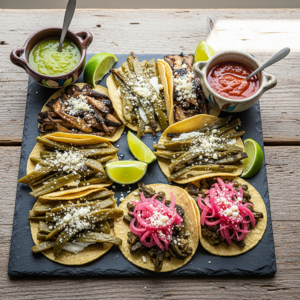
Every taco in Naperville tells a story—not just of flavor, but of footprint. From the farms that raise our proteins to the containers that carry dinner home, each choice shapes the environmental impact of a meal. Living here means enjoying the DuPage River trails, the city’s parks, and the lively downtown; it also means caring about how our habits affect those shared spaces. This guide looks at tacos through a sustainability lens, offering practical ways to cut waste without cutting joy. And if you’re curious how different proteins and toppings might fit your eco-minded plans this week, a quick visit to the taco menu can help you map options to your goals.
Let’s start with sourcing. You can taste the difference when pork and beef come from well-managed Midwestern suppliers. Shorter supply lines usually mean less fuel, better freshness, and less waste at the restaurant level. Seasonal thinking helps, too. In summer, tomatoes and peppers arrive bursting with flavor, which means kitchens can do less to coax taste from them—fewer steps, less energy, cleaner results. In colder months, menus often lean on techniques like roasting dried chilies and slow-braising tougher cuts, which use steady heat but reward you with concentrated flavor and very little trim waste.
Smart proteins and portioning
Not all proteins carry the same footprint. Braised cuts like carnitas and barbacoa often come from parts of the animal that might otherwise be underused, which is a win for nose-to-tail cooking. Grilled chicken can be a lower-impact choice per serving and reheats beautifully, reducing the chance you’ll toss leftovers. Seafood requires attention; when you order it, try to plan the meal so it’s eaten fresh, minimizing the risk of waste. Right-sizing portions is equally important. Many of us over-order “just to be safe,” then end up with a fridge full of food that loses its luster by day two. Order what you’ll enjoy today and tomorrow, not what fits in the biggest to-go bag.
Restaurants do their part by tracking demand, prepping in thoughtful batches, and finding creative uses for trim. Onion stems and cilantro roots can flavor stocks; day-old tortillas can become chips when handled safely; salsa bases can be adjusted depending on which produce is peaking. These practices aren’t just frugal; they keep waste out of bins and flavor in your meal.
Packaging with a purpose
Packaging is where diners feel sustainability most directly. The trade-offs are real. Fully sealed containers keep food hot but trap moisture; compostable boxes breathe but may soften quickly in humid weather. The sweet spot often involves mixed materials: a breathable base with a secure lid and thoughtful use of parchment to separate wet and dry elements. If you’re taking tacos home across town, ask for proteins and tortillas packed separately. This reduces sogginess and keeps you from dumping a container you can’t revive later.
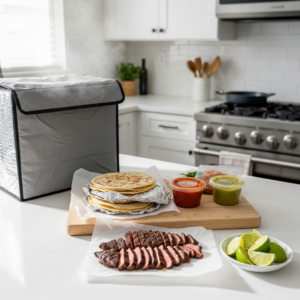
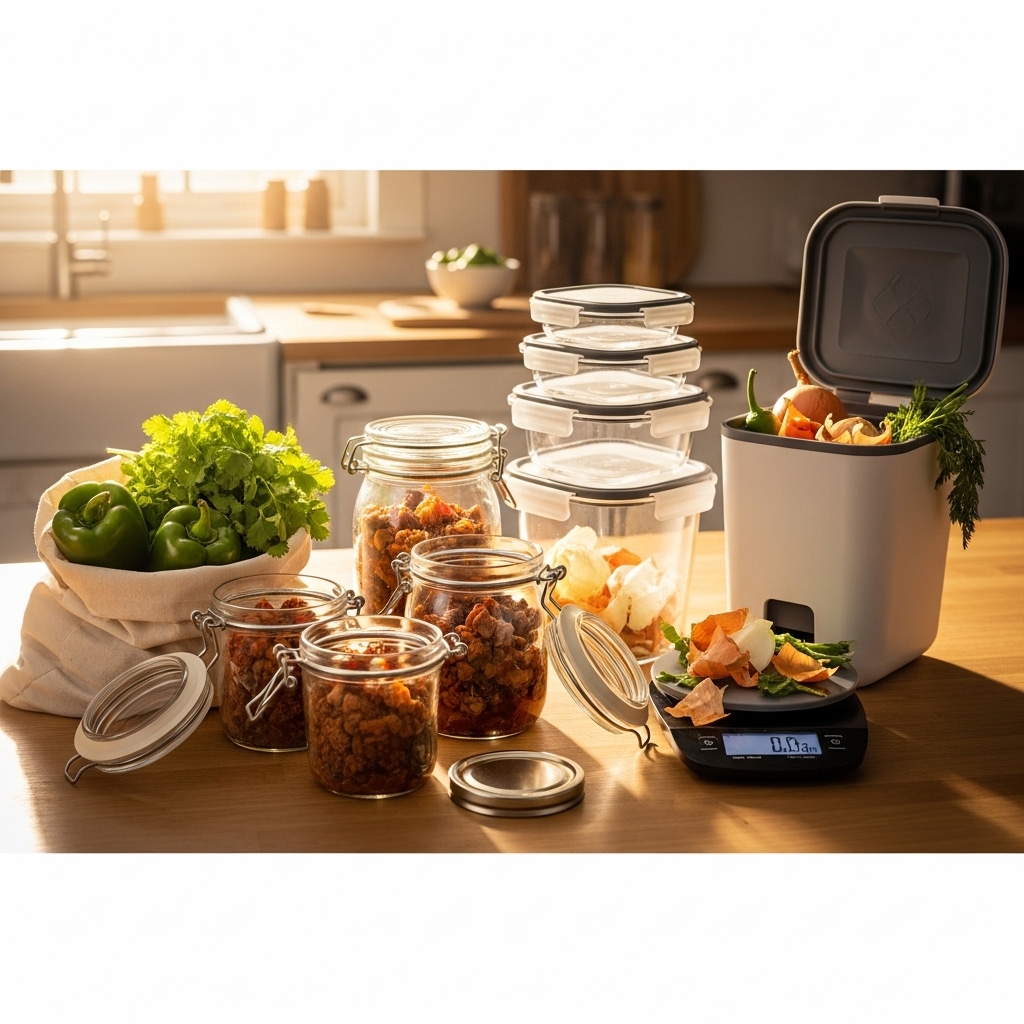
Reusables are even better when practical. A small insulated tote in your car turns into an instant heat-and-moisture buffer. Sturdy, washable containers at home can store leftovers more effectively than single-use packaging, which often doesn’t seal perfectly after the first open. If a restaurant offers an option to skip utensils or extra napkins, consider saying yes—you likely have what you need at home.
Recycling and composting basics
Recycling rules change over time, and contaminants can make an entire bin unusable. Rinse salsa cups before you toss them into the recycling bin if they’re accepted. Greasy cardboard might not be welcome; check whether your local guidelines accept it. Compostable packaging only delivers on its promise if it goes to the right place. At home, you can compost lime wedges and herb stems if you have a system; even small habits, like scraping onion ends into a countertop bin, keep organic waste out of the trash.
Don’t forget liquids. Salsa water, melted ice, or leftover broth shouldn’t go down storm drains. Pour them into the sink where they’re treated appropriately. It’s a small act with a big cumulative impact, especially in neighborhoods near the Riverwalk where runoff matters.
Energy in the kitchen
On the restaurant side, steady, thoughtful heat beats constant high-blast cooking. A well-seasoned plancha maintains temperature with less energy than a pan that’s constantly cycling. Batch roasting and braising maximize oven loads and reduce overall energy use per taco. At home, reheating with a skillet or oven is often more efficient—and better for texture—than an overlong microwave session that leaves you unsatisfied and reaching for something else, effectively doubling the energy footprint of the meal.
Menus can support this, too. Dishes that lean into slow techniques provide depth without constant attention, freeing up burners and minimizing peak-demand spikes. If you’re choosing between options, consider the leftovers. Foods that reheat well cut down on second-day waste and the energy needed to cook something else from scratch.
Water and cleaning practices
Water use is another dimension where small changes add up. In a professional kitchen, soaking and scraping before washing reduces the load on dishwashers. At home, a quick wipe of plates before they go into the dishwasher keeps cycles efficient. Choose cloth towels over endless paper when you can; they’re easy to wash with existing laundry and keep paper waste down. If you’re planning a taco night with lots of small bowls for toppings, consolidate where possible. Fewer dishes mean less water and less energy without sacrificing the fun of a shared spread.
For produce, washing in a basin instead of under a running tap saves gallons over time. It’s also gentler on delicate herbs like cilantro, which means you’ll lose less to bruising and waste less overall.
Transportation and the last mile
How you get to your tacos matters. Walking downtown for dinner or bundling errands so a taco stop fits into an existing route is an easy win. If you’re driving, keeping the trip short and avoiding idling picks up both environmental and quality points—hot food arrives faster and tastes better. For delivery, consider the distance and group orders with neighbors when it makes sense; one trip beats three.
Packaging again comes into play on the ride home. A slightly open bag that lets steam escape can preserve texture, meaning you’re less likely to discard soggy items. A towel wrapped around a foil pack insulates without trapping too much moisture. Those little adjustments preserve taste and reduce waste down the line.
Menu design and seasonal thinking
A smart menu evolves with the calendar and with community habits. In spring and summer, when local produce sings, kitchens can spotlight fresh salsas and quick-grilled veggies. In fall and winter, dried chilies, roasted roots, and slow-simmered meats take center stage. This alignment keeps waste down—ingredients arrive at their peak and find their way into multiple dishes, minimizing scraps and maximizing satisfaction. When you’re scanning options, think about what’s abundant and what travels well that day. A bit of alignment goes a long way.
Specials are another lever. Chefs use them to capture one-off opportunities, like an abundance of ripe tomatillos or a great delivery of mushrooms. Ordering a special is a vote for nimble, low-waste cooking; it allows the kitchen to match supply precisely to demand.
Community habits and shared responsibility
Naperville takes pride in clean parks and lively streets. Guests along the Riverwalk notice how tidy it feels, and that culture starts with residents. Bringing a small bag for trash when you picnic, wiping a bench if you spill salsa, and packing out what you pack in are simple habits that keep the space welcoming. In neighborhoods, setting out your recycling properly and helping a neighbor understand sorting rules can raise the bar for the whole block.
Educating kids helps, too. Let them see how to separate compostables from recyclables, and show them how leftovers become tomorrow’s lunch. When kids feel ownership, they remind the adults—often with glee—when a lime wedge misses the right bin.
Measuring and improving
Progress starts with noticing. If you find yourself tossing the same items after every taco night—half a container of crema, a mound of wilted lettuce—adjust your orders or serving style. Ask for smaller sauce cups or fewer tortillas if they consistently go unused. Restaurants welcome that kind of feedback; it saves them money and saves waste. Keep a running list of what your household actually eats, then order accordingly. Over time, your taco routine will become both tastier and more efficient.
Putting it together at home
When you host taco night, set up stations with conservation in mind. Place proteins and tortillas in the center, then loop salsas and garnishes around. This flow encourages people to take a tortilla first, then meat, and add toppings mindfully, which cuts down on stray spoonfuls that end up as fridge fossils. Keep a small “save bowl” on the counter for bits of chopped onion or cilantro left in prep cups; those can go into eggs the next morning instead of the trash.
We’ve all had that moment when a container of wilted greens goes from the fridge to the bin. To avoid it, portion delicate items in smaller containers and only bring out what you need. The rest stays cold and crisp for tomorrow’s meal. Store limes whole and uncut until right before serving; they keep far longer and stay juicier, eliminating the need to buy extra and toss what dries out.
FAQ
Q: What taco fillings produce the least waste at home?
A: Braised meats and roasted vegetables store and reheat well, reducing the chance you’ll throw leftovers away. They’re also flexible in second-day dishes.
Q: How can I cut down on single-use packaging?
A: Bring a small insulated tote, skip extra utensils and napkins, and transfer leftovers to reusable containers at home for better seals and less waste.
Q: Do compostable containers always help?
A: They help when they reach a composting system. If not, prioritize minimal packaging and correct recycling to make the biggest immediate difference.
Q: What’s the most eco-friendly way to reheat tacos?
A: Use a skillet or oven to revive texture efficiently. Avoid long microwave sessions that yield poor results and tempt you to cook something else, doubling energy use.
Q: How can I keep outdoor meals along the Riverwalk low-impact?
A: Pack reusable water bottles, bring a small trash bag, and choose foods that hold up without extra packaging. Leave your spot cleaner than you found it.
Q: Are specials a smarter choice environmentally?
A: Often, yes. Specials help kitchens use what’s abundant or time-sensitive, which reduces waste and highlights peak ingredients.
Q: What should I do with leftover limes and herbs?
A: Store limes whole and uncut; wrap herbs in a damp towel in the fridge. Use extras in breakfast or drinks the next day to keep them out of the bin.
When you’re in the mood for a meal that tastes great and aligns with your values, choose thoughtfully, handle food with care, and speak up about packaging preferences. For ideas that fit the season and your plans, browse the menu, pick a spread that will be savored—not wasted—and enjoy knowing that every excellent taco can also be a small vote for a cleaner, kinder Naperville.