The Taco as a Naperville Story
Ask five Napervillians what tacos mean to them and you’ll hear five different stories: a cherished family recipe made every Sunday, a quick bite before a concert at North Central College, a favorite stop along a weekend Riverwalk stroll, or a reliable way to feed a crowd after youth sports. That diversity of experiences is precisely why tacos matter here. They’re not just handheld meals; they’re vessels for memory, migration, creativity, and community. If you’re curious about how local taquerias shape those experiences, spending a few minutes with a neighborhood spot’s menu often reveals more about Naperville’s culinary identity than a dozen think pieces ever could.
What stands out in Naperville is how tacos bridge the old and the new, the traditional and the inventive. In a suburb known for its family-friendly sensibility and bustling business corridors, tacos manage to feel both comforting and modern, equally at home at backyard block parties and date nights. They’ve become a shorthand for gathering and generosity, an easy way to share food in settings that don’t demand formality but still encourage care and craft.
Roots and Routes: How Tacos Traveled Here
Naperville’s growth brought an influx of residents with varied backgrounds, tastes, and cooking styles. Tacos carry histories—recipes passed down through generations and adapted to new ingredients available in the Midwest. Along the way, those recipes meet local produce, suburban schedules, and American culinary curiosity. The result is a conversation on the plate: heritage techniques blended with seasonal practicality, all folded into a warm tortilla.
This cultural blend is why tacos feel personal. A neighbor might recall their grandmother’s carne deshebrada while adding a local twist with Illinois sweet corn charred on the grill. Another family might celebrate birthdays with fish tacos that lean on Great Lakes sensibilities, using crisp slaw and tangy crema to evoke summer on the water. Food culture emerges in these small acts of adaptation and memory.
Everyday Rituals and Shared Tables
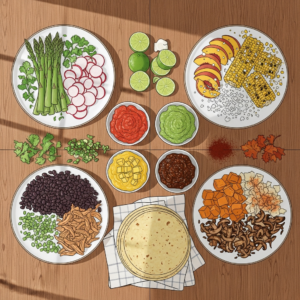
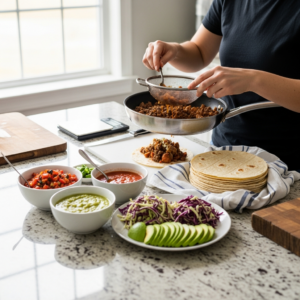
Food culture isn’t only about noteworthy restaurants; it’s about everyday rituals that create continuity in our lives. In Naperville, tacos are practical weeknight dinners that invite everyone to the counter to assemble their own plate. That ritual—passing bowls of salsa, squeezing lime wedges, debating the merits of corn versus flour—becomes a weekly intermission from our busy routines. Kids learn knife skills while chopping cilantro; teens experiment with heat levels; parents get to cook once and please many preferences. Over time, these micro-moments knit neighborhoods together.
The power of tacos to ease hospitality can’t be overstated. When new neighbors move in, a taco night is inclusive and unintimidating. Dietary needs are easy to accommodate because the format is modular. Gluten-free guests choose corn tortillas; vegetarians load up on beans, grilled vegetables, and zesty salsa verde; omnivores mix and match. The outcome is conviviality without culinary compromise.
Innovation Without Losing the Thread
Naperville’s creative streak shows up on taco menus without erasing tradition. Chefs and home cooks tinker—roasting tomatillos for a smokier verde, pressing tortillas from masa made with heirloom corn, or pairing slow-braised meats with quick-pickled vegetables. You’ll see Korean-inspired short rib next to chicken tinga, or charred cauliflower tacos capped with a nutty salsa macha beside a classic al pastor. Innovation here feels respectful; it acknowledges origin while embracing the curiosity of a suburb that welcomes newcomers.
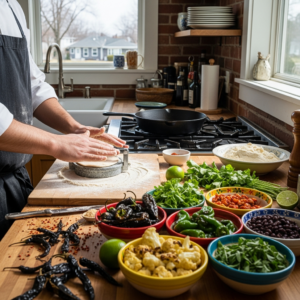
That respect expresses itself in the little things: toasting dried chiles before blending, balancing acidity with sweetness in a pineapple salsa, or warming tortillas just long enough to make their edges supple and aromatic. The attention to detail elevates a simple meal into something reflective of care—a value Napervillians carry into schools, parks, and civic life.
Markets, Seasons, and the Midwest Lens
Local markets and seasonal patterns help define Naperville’s taco identity. In summer, the farmers market at 5th Avenue offers tomatoes that want to be pico de gallo and peppers destined for the grill. Autumn brings squash and apples, which turn into unexpected but winning fillings and slaws. Winter nudges us toward slow-cooked beans, chiles, and tender braises. Through every season, tacos adapt, proving again that food culture is shaped as much by climate and commerce as by memory and tradition.
Shopping locally isn’t just an ethical choice; it’s good flavor sense. When ingredients taste like themselves, you don’t need to rely on heavy sauces or gimmicks. A squeeze of lime and a pinch of salt over a charred ear of corn tucked into a tortilla will give you more satisfaction than a fussy, overwrought plate. That confidence and restraint are part of Naperville’s maturing palate.
Small Businesses and Community Ecosystems
Behind every memorable taco is a network of people. There are the folks who mill corn or source tortillas, the farmers who bring crates of tomatillos to market, the cooks who prep before sunrise, and the servers who remember your favorite salsa. In Naperville, supporting tacos often means supporting a web of small, interdependent businesses. That ecosystem keeps dollars circulating locally and builds resilience in times of uncertainty.
Community events make this ecosystem visible. Food truck gatherings, cultural festivals, and school fundraisers turn tacos into ambassadors. They’re portable, quickly assembled, and beloved by all ages—a fundraiser’s dream. With every bite, residents meet vendors, learn about regional styles, and feel the city’s culinary story unfold in real time.
Education by Way of the Tortilla
Tacos double as a teaching tool. Parents introduce kids to new textures and flavors—radishes, pickled onions, roasted poblanos—without pressure. Home cooks experiment with toasting spices, hydrating dried chiles, or blending salsas from scratch. In classes and demonstrations at community centers, instructors show how a handful of techniques unlocks dozens of variations. Learning happens one tortilla at a time, and confidence follows quickly. When families feel capable in the kitchen, they cook more often, eat together more consistently, and pass those habits forward.
Just as significantly, tacos teach cultural literacy. Understanding the roots of al pastor or the nuances of salsa roja encourages respect for the people and places from which these dishes come. That curiosity travels beyond the plate, shaping how we talk about food, heritage, and belonging in a diverse suburb.
Affordability and the Democratization of Taste
Tacos have always been democratic. They welcome modest budgets and fine palates alike. In Naperville, that accessibility amplifies their cultural importance. A memorable meal doesn’t require rare ingredients; it asks for attention to detail and the willingness to let simple components shine. A tortilla warmed until pliant, a thoughtfully seasoned filling, a crisp slaw, and a bright salsa—these things cost little, but they mean a lot. In a community where schedules are packed and resources vary, tacos provide an equitable path to good eating.
Affordability also invites experimentation. When ingredients are reasonable, cooks take risks. A batch of salsa verde that’s a little too spicy becomes a learning moment, not a budget crisis. Over time, those experiments drive the local food culture forward, inspiring new combinations that feel distinctly Naperville.
Hospitality, Identity, and Belonging
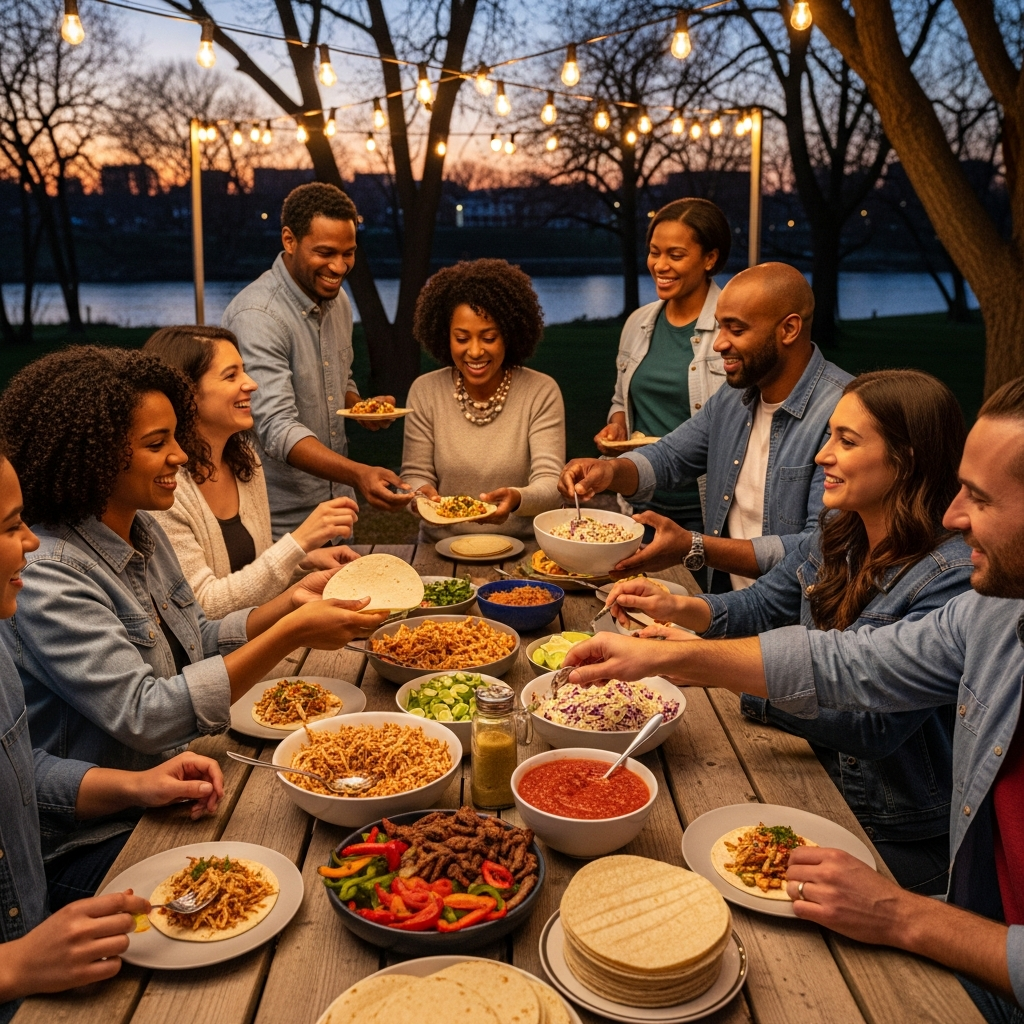
Some foods are easier to share than others, and tacos excel at hospitality. They invite participation: one person warms tortillas while another slices limes; someone mixes a quick cabbage slaw; a friend brings over a roasted salsa. The table becomes collaborative. People linger, build a second taco, trade bites, and tell stories. It’s the kind of unhurried interaction that community leaders hope for and families treasure.
That sense of belonging matters in a suburb known for its parks and programming. Food that encourages conversation helps neighbors feel rooted. Whether after a day at Centennial Beach or an evening concert outdoors, tacos bring people back to the table with ease.
Digital Menus, Real-World Choices
In an age of online ordering and quick decisions, how we choose our tacos says a lot about our tastes. Many Napervillians preview options before heading out, zeroing in on proteins, salsas, and tortillas that fit the evening’s mood. Skimming a local menu can influence where friends meet and what they try. That digital gateway becomes part of the culture, guiding trends while revealing which classics endure.
The beauty of that ritual is how it keeps discovery alive. A new salsa becomes the talk of a weekend gathering; a seasonal filling shows up at the next potluck. Sharing links, photos, and tips online echoes the conversations happening at kitchen counters and picnic tables. Digital and physical communities feed each other, and tacos sit happily at the center.
Respecting Origins While Celebrating Local Flavor
As tacos flourish, so does the responsibility to honor their origins. Cultural appreciation asks us to credit the traditions that made these foods possible and to recognize the work that goes into every tortilla and slow-cooked filling. In Naperville, that respect looks like learning, listening, and celebrating the cooks who keep technique alive. It also looks like adapting thoughtfully—using seasonal Midwestern produce without erasing the heart of the dish.
When we get this balance right, we create a food culture that’s both inclusive and rooted, one that welcomes influence while maintaining integrity. Tacos remind us that culinary identity can be plural and cohesive at once, as long as we value both the story and the flavor.
Looking Ahead: Tacos as a Compass
Where do we go from here? If the past few years are any guide, Naperville’s taco culture will continue to thrive by leaning into quality, seasonality, and community. Expect to see more house-made tortillas, more playful salsas, and more collaboration among small vendors. Anticipate home cooks pushing into new techniques, swapping recipes, and inviting neighbors to taste-test. Each small step builds a larger narrative about who we are and how we eat together.
And when questions arise—about sourcing, sustainability, nutrition, or tradition—tacos provide a steady compass. Keep the tortilla warm, the flavors balanced, the conversation open, and the people at the center. The rest follows.
Frequently Asked Questions
Q: What makes tacos such a good fit for Naperville’s food culture? A: Their flexibility and approachability. Tacos accommodate different diets, celebrate seasonal produce, and foster easy hospitality, all of which align with how Napervillians live and gather.
Q: Are tacos more about tradition or innovation here? A: Both. You’ll find deep respect for traditional techniques alongside inventive fillings and salsas. The harmony between old and new is part of our local signature.
Q: How can I support the local taco ecosystem? A: Shop at markets, learn about tortillas and salsas, and engage with small businesses. Sharing recommendations and attending community food events also keeps the scene vibrant.
Q: What should I look for when choosing where to eat tacos? A: Clues like house-made tortillas, balanced salsas, and seasonal specials signal care and craft. Previewing a spot’s menu can help you pick a place that matches your mood and preferences.
Q: How do tacos encourage community? A: They’re easy to share, quick to customize, and perfect for gatherings. The format invites conversation and collaboration, making it simple to welcome new neighbors and old friends alike.
Ready to Taste, Share, and Celebrate?
If you’re inspired to explore the flavors that make Naperville’s taco culture special, invite a few friends, choose a mix of classic and seasonal fillings, and let the evening unfold. When you want fresh ideas to spark your next get-together, browse a local menu, gather ingredients that speak to the season, and build tacos that tell your Naperville story—one warm tortilla at a time.