Cooking Burritos at Home, the Naperville Way
Cooking burritos at home in Naperville isn’t about playing restaurant; it’s about learning the few techniques that turn simple ingredients into something deeply satisfying. Once you understand how tortillas want to be warmed, how beans like to be seasoned, and how salsa shapes every bite, you can improvise nightly. The rhythms of our town—weeknight practices, early morning commutes, and slow Sunday afternoons—lend themselves to burrito cooking, because the format is flexible. Make a pot of beans on the weekend, marinate a protein in the afternoon, and assemble just before you’re ready to eat. If you need inspiration on combinations that sing, a quick look at a local taqueria’s menu can give you ideas worth bringing into your own kitchen.
Home cooking is also where you discover your preferences. You’ll realize you like a thinner smear of beans but extra onion. You’ll learn to keep lime at the ready and to measure salsa not by the spoonful but by the way it wakes up the rice. And because Naperville has both busy weekdays and lazy weekends, you’ll find ways to adapt burritos to your energy level—slow-cooked carnitas when you’ve got time, skillet-seared chicken when you don’t.
Building Blocks: Beans, Rice, and Tortillas
Start with beans, the heart of a comforting burrito. If you cook dried beans, soak them overnight and simmer with onion, bay leaf, and a pinch of salt; finish with a spoon of oil or butter for silkiness. Canned beans work too—warm them with garlic and a splash of water until they loosen, then mash lightly with the back of a spoon. The goal is spreadability and flavor, not paste. Keep seasoning gentle so your salsa can shine later.
Rice is there for structure and contrast. Rinse it until the water runs clear, then cook with a little garlic and a squeeze of lime at the end. You want distinct grains that will mingle with beans but won’t turn mushy. In Naperville winters, when we crave extra comfort, a tomato-tinted rice can feel especially cozy; in summer, a simple lime rice tastes bright against grilled vegetables or carne asada.
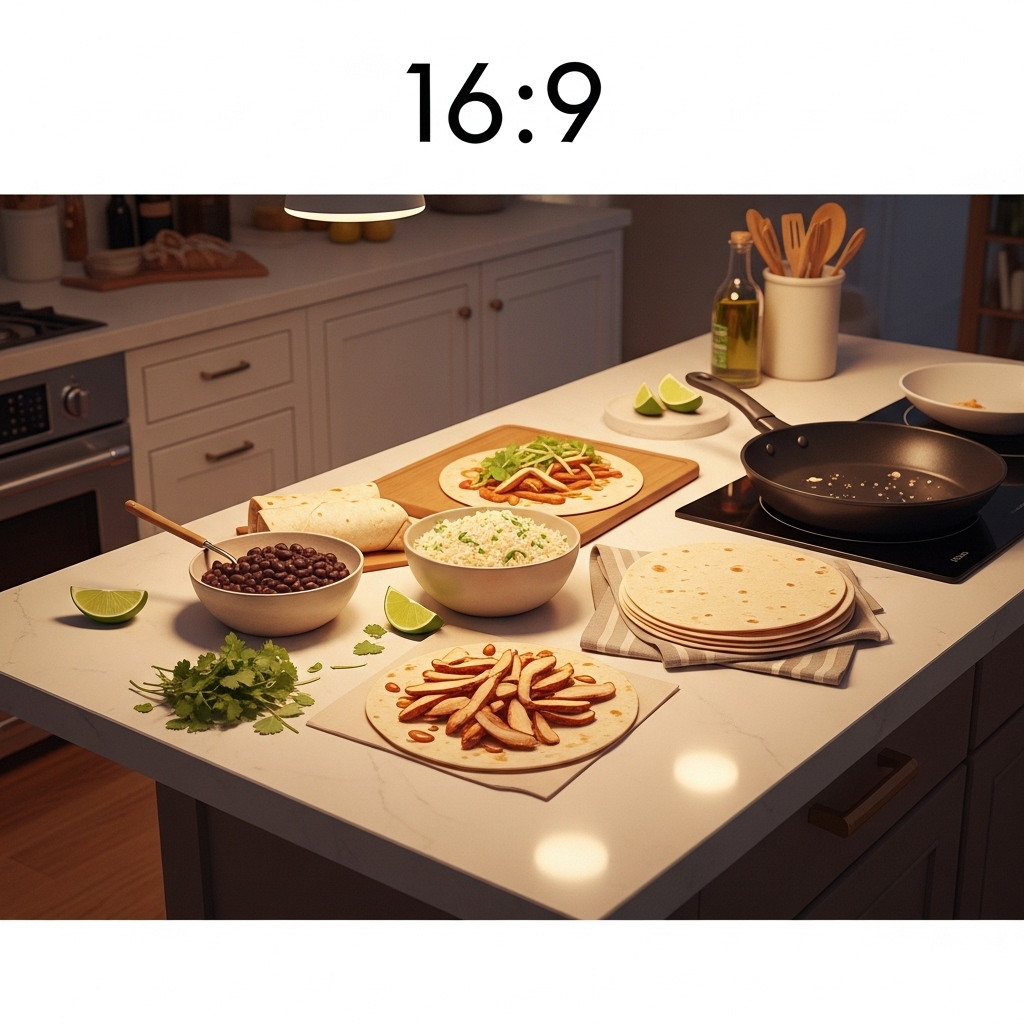
Tortillas are where many home cooks discover the difference between good and memorable. Warm them just before assembly. A hot, dry skillet gives you control; 10–20 seconds per side until they are pliable and aromatic. Stack them in a clean towel to hold heat while you work. If you have a gas range, a quick pass over the flame can add a hint of char, but be gentle—too much heat can make the tortilla brittle. The mission is flexibility without tears.
Proteins for Every Schedule
On slow days, let the oven or slow cooker do the heavy lifting. Carnitas can be as simple as pork shoulder seasoned with salt, citrus, and a bay leaf, cooked low and slow until tender. Shred, then crisp portions in a skillet before assembling. For steak, marinate skirt or flank with lime, garlic, and a touch of oil, then grill or sear quickly for a char that stands up to beans and rice. Slice thinly against the grain to keep bites tender.
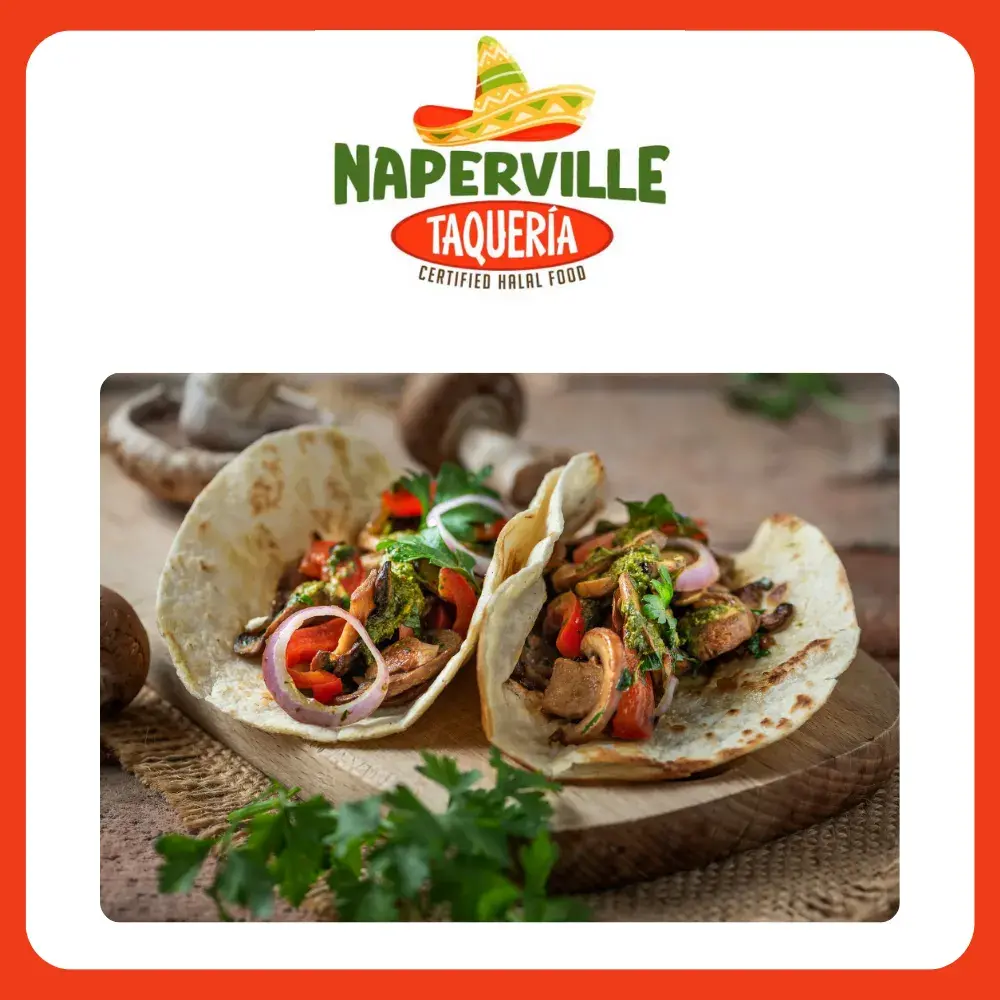
On busy nights, think quick: pollo asado from boneless thighs sears fast and stays juicy. Season with paprika, cumin, garlic, and lime; cook hot until you see golden edges. For a vegetarian option, mushrooms treated like steak—sliced thick, seared until mahogany, then finished with lime—bring satisfying depth. Beans on their own can be a star too; finish them with a knob of butter or a splash of good olive oil for richness that feels restaurant-level without the fuss.
Salsas: Your Flavor Architecture
Salsa is not a condiment at home—it’s a structural element. A tomatillo salsa made in a blender with roasted tomatillos, jalapeño, and cilantro adds brightness that cuts through richer proteins. A roasted tomato salsa brings smoke and sweetness that nestles into carnitas and steak. A fresh pico de gallo offers crunch and acid; it’s best added at the end so it stays lively. Keep at least one salsa mild and one medium in the fridge; that way everyone at the table can calibrate their heat without cooking separate meals.
The other trick is restraint. Add enough salsa inside to keep the burrito moist and flavorful, but not so much that the tortilla softens. You can always serve more on the side for dipping. When you want to see what combinations work, browsing a taqueria’s burrito menu can spark new pairings you might not have tried—like pairing roasted salsa roja with grilled vegetables or using salsa verde on chicken with a handful of crunchy cabbage.
Assembly Technique That Changes Everything
Lay the warmed tortilla on a board with the warmest side facing you. Smear beans in a wide stripe down the center, leaving clean borders at the edges. Add rice in a thinner line; think of it as a scaffold rather than a mound. Place protein over the rice so its juices can run into those grains. Spoon salsa along the length rather than in one pile—it ensures an even experience. Add onion and cilantro for freshness, and a squeeze of lime directly over the fillings, not the tortilla.
For the fold, tuck the short edges in first to corral the fillings, then roll from the side closest to you, keeping gentle pressure to compress the burrito without squashing it. Set the seam side down in a warm skillet for 30 seconds to seal. This last step is a home cook’s best friend. It turns your burrito from just-assembled into ready-to-travel—even if the distance is only from counter to table.
Breakfast and Brunch Burritos
Naperville mornings deserve burritos too. Scrambled eggs pair beautifully with chorizo or sautéed vegetables. Cook potatoes in small cubes until crisp and season simply with salt and pepper. Add a mild salsa or even a spoonful of green chili to keep the eggs lively. If you’re feeding a crowd before a Saturday game, assemble and wrap burritos, then keep them warm in a low oven. The trick is to avoid wet fillings; keep salsas on the side until serving to preserve tortilla structure.
For a lighter start, try black beans with eggs, avocado, and pico. If you want dairy, queso fresco crumbles give salt and tang without heaviness. These mornings are when the Riverwalk calls, and a neatly wrapped burrito feels like a portable breakfast nook you can take to a bench by the water.
Vegetarian Momentum
Vegetarian burritos at home benefit from texture play. Roast sweet potatoes until the edges caramelize, sear mushrooms hard for chew, and add a layer of quick-pickled onions for punch. Beans provide creaminess; rice, as always, gives structure. Cabbage slaw tossed with lime and a pinch of salt adds snap without added moisture. Finish with salsa verde and a little cilantro, and you’ve built a burrito that has as much personality as any meat-filled version.
When summer produce peaks, grill zucchini and corn and fold them in with black beans and a roasted salsa. In winter, lean on pantry staples: canned beans simmered with garlic, jarred roasted peppers, and a simple oven-roasted tray of onions and potatoes can assemble into something unexpectedly comforting.
Make-Ahead and Freezer Wisdom
A practical Naperville trick is to build a small stash of freezer burritos for nights when meetings run late or snow slows everything. Assemble burritos with slightly less salsa, cool completely, wrap tightly in foil, and freeze. Reheat in a 325-degree oven, still wrapped, until heated through, then crisp the seam on a skillet. Keep salsas fresh in the fridge to add after reheating. This approach protects tortilla integrity and lets you reclaim time when you need it most.
If you’d rather prep components, cook a pot of beans, a pan of rice, and a batch of salsa on Sunday. During the week, you can sear a quick protein and assemble in minutes. That modular approach suits Naperville’s schedules, letting you pivot from quick solo dinners to family meals without a new grocery run.
Entertaining with Burritos
Burritos are low-drama entertaining. Set out warm tortillas wrapped in a towel, keep beans and rice hot on the stove, and offer two salsas. Guests assemble their own, which keeps the host out of the weeds and the conversation flowing. If you want to add a flourish, warm each assembled burrito on the plancha for guests, seam down to seal, then a quick flip to polish the top. It’s theater and practicality in one move.
In warm months, this can spill onto the patio. The scent of grilled steak mingles with lime in the air, kids pass around bowls of pico like treasure, and suddenly you have a scene that feels both grounded and celebratory. Burritos carry that kind of energy without requiring you to vanish into the kitchen.
Troubleshooting Common Burrito Issues
If a burrito keeps tearing, your tortilla might be under-warmed or overfilled. Warm it longer and reduce the rice slightly. If the center feels dry, you may be skimping on beans or lime; adjust those first before adding more salsa. If the burrito feels heavy, lighten the rice portion and add crunchy elements like cabbage or radish. Small changes make outsized differences in the final bite.
For heat calibration, remember that spice can always be added but not removed. Keep a medium salsa inside and a hotter one at the table. This allows spice lovers to climb without pushing everyone else off the ladder. Over time, you’ll memorize your family’s heat map and season instinctively.
FAQ: Naperville Home Cooks’ Questions
Here are the answers I share most often when neighbors ask how to bring restaurant-level burritos to their own kitchens.
How do I keep homemade burritos from getting soggy?
Use spreadable but not wet beans, distinct rice, and moderate salsa inside. Seal the seam on a hot skillet and keep extra salsa on the side. If you’re holding burritos, wrap in foil and keep warm in a low oven rather than stacking them in a closed container, which traps steam.
What tortillas should I buy?
Look for fresh flour tortillas that feel soft and smell clean. When possible, choose smaller packs so you can use them within a few days. Warm immediately before assembly and keep them wrapped in a towel to preserve heat and flexibility.
Can I make good vegetarian burritos without specialty ingredients?
Yes. Beans, onions, potatoes, and canned peppers can be combined into a satisfying filling. Focus on texture—sear vegetables hard for browning—and bring the dish to life with lime, cilantro, and a lively salsa.
What’s the best protein for busy nights?
Boneless chicken thighs are forgiving and quick. Season, sear hot, slice, and serve. Rotisserie chicken can also stand in; warm briefly with a splash of salsa to keep it moist. For red meat lovers, thinly sliced steak from a hot skillet is the fastest path to bold flavor.
How do I freeze burritos without ruining the tortilla?
Let assembled burritos cool completely, wrap tightly in foil, and freeze. Reheat in the oven in the same foil so moisture redistributes gently. Finish the seam on a hot skillet for structure just before serving.
Hungry to Cook Tonight?
Trust your instincts, warm your tortillas with care, and keep a bright salsa within reach. Whether you’re cooking for one or feeding a crowd, your kitchen can deliver the same comfort you seek at a favorite counter. For flavor ideas and combinations, take a minute to browse a local taqueria’s full menu, pick a pairing that excites you, and bring that energy home to your next Naperville burrito night.