Behind every great taco in Naperville is a line of equipment working in quiet harmony: a plancha that hisses with each tortilla press, a fryer that returns to temperature like a metronome, a hood system that keeps the air crisp, and refrigeration that hugs safe temperatures despite a dinner rush. For guests, the magic is the aroma and heat of the food. For operators, the magic is maintenance. In our Midwest climate—where lake-effect chills give way to humid summers—care routines aren’t optional; they’re the guardrails that keep service smooth and flavors true. If you’ve ever scanned a taqueria’s keyword and marveled at the consistency of the output day after day, you’re appreciating the invisible discipline of equipment upkeep.
The plancha: the heartbeat of the line
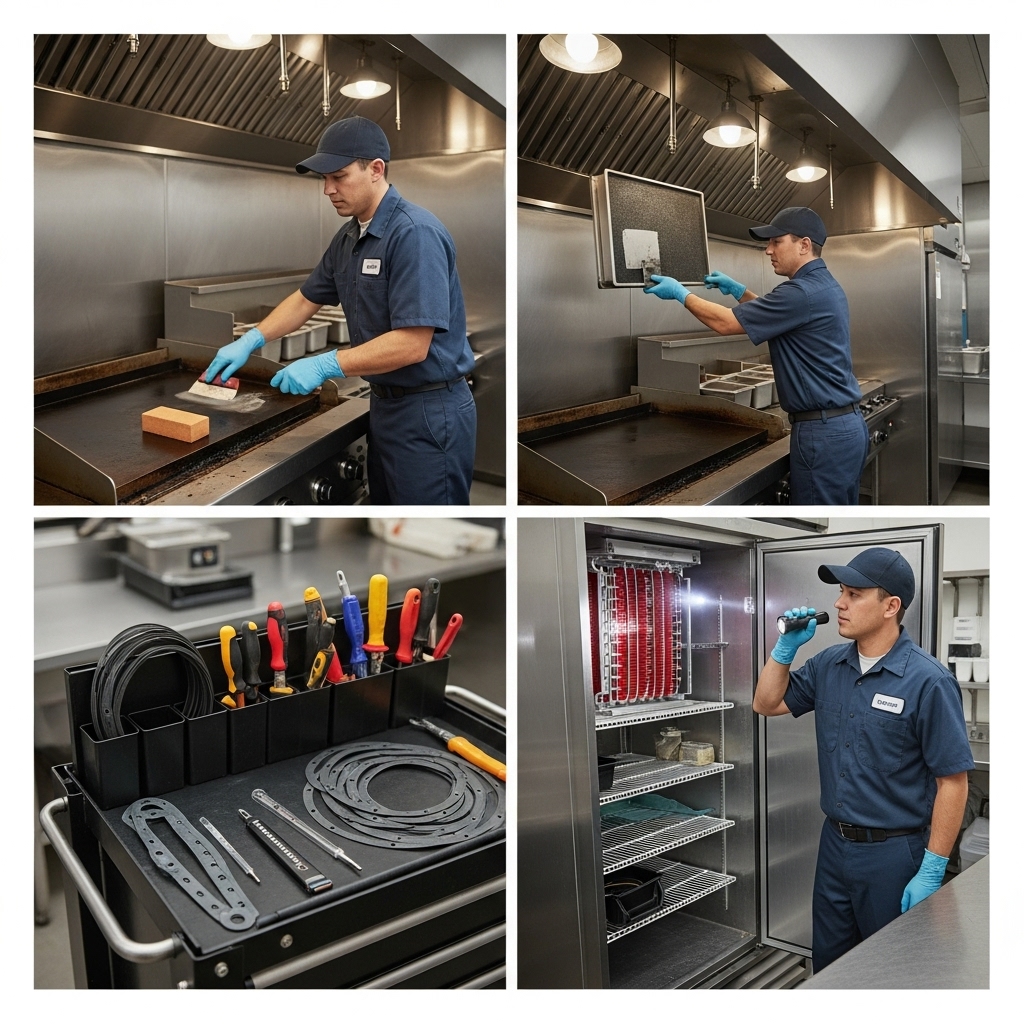
A reliable flat-top is essential. It needs even heat, responsive recovery, and a surface that stays clean without losing seasoning. Daily scraping, end-of-night degreasing, and periodic deep cleaning prevent carbon buildup that can char tortillas or create off-flavors. In Naperville’s winters, when doors open and close constantly and cold air rushes in, recovery time matters even more. A well-maintained thermostat and properly seated baffles keep temperatures steady so steak sears instead of steams and tortillas blister instead of turning limp.
Seasoning is a balance. Too little and food sticks; too much and you’re tasting yesterday’s service. Operators train cooks to read the surface like a map—hot spots, cooler lanes for finishing, and a clean zone to rest proteins. That knowledge combines with maintenance to deliver consistent results across lunch surges and late-evening snacks.
Fryers: crisp, not greasy
Great chips and crispy fillings rely on oil that’s clean, filtered, and replaced on schedule. Skipping a filtration cycle might not show in one batch, but it compounds quickly—slower recovery, darker color, and a stale flavor that shadows everything it touches. In winter, when guests cluster indoors and the fryer runs hard, vigilant monitoring prevents overload. In summer humidity, keeping lids on during downtime helps avoid condensation that can cause dangerous splatter.
Calibration checks matter, too. A fryer that reads 350°F but cooks like 320°F forces longer dwell times and soggy results. Simple verification with a calibrated thermometer, plus attention to basket loads, keeps output snappy. Staff learn to listen—bubbles that sound sluggish can signal oil past its prime before color gives it away.
Tortilla presses and warmers
Whether pressing masa in-house or managing a steady stream of purchased tortillas, presses and warmers need regular cleaning and alignment checks. Residue can scorch and add bitterness. Warmers should hold a gentle heat without steaming the stack into collapse. In Naperville’s drier winter air, tortillas can lose moisture more quickly, so operators adjust holding times and rely on quick turnover. In humid summers, the risk flips—too much moisture can sap structure. Routine checks keep the holding environment in the sweet spot.
Ventilation and air balance
Hood systems do heavy lifting. Filters collect grease, fans move volume, and make-up air balances the room so doors don’t feel like wind tunnels. Dirty filters strain motors and increase fire risk. Scheduled wash cycles—daily for baffles, weekly or monthly for deeper elements depending on volume—are non-negotiable. In cold months, the balance of exhaust and warm make-up air keeps guests comfortable and prevents drafts along the line that can chill the plancha’s surface. In hot months, properly tuned systems keep cooks clear-headed and salsas safe in their cold wells.
Cold storage: the quiet guardian
Refrigeration rarely gets applause until it falters. Gaskets, door hinges, condenser coils, and evaporators all need attention. Dust on coils forces compressors to work harder, driving temperature swings that can dull herbs and weary greens. Door gaskets that don’t seal, especially after a week of hard service, leak cold air and invite condensation that leads to ice buildup. Routine wipe-downs, monthly coil cleaning, and quick gasket inspections save both energy and ingredients.
Prep coolers along the line deserve special care. Their lids and pans see constant motion, and staff should rotate wells to keep colder ingredients nearest the coldest zone. Thermometer spot checks confirm that salsa, crema, and chopped produce stay in the safe range even during dinner rushes with long open-lid stretches.
Water quality and descaling
Naperville’s water hardness can challenge equipment. Scale buildup on combi ovens (if used), steamers, and even coffee brewers reduces efficiency and can impart off-flavors. Inline filtration and scheduled descaling extend equipment life and keep flavors clean. When ice machines stay pristine and water tastes neutral, everything from beverages to boiled ingredients benefits.
Electrical and gas checks
Power and gas connections are the unsung backbone. Loose plugs, worn cords, or aging hoses create safety hazards and intermittent performance issues that masquerade as recipe problems. Quarterly inspections, especially before winter and summer peaks, catch small faults early. In storm season, surge protection and clear restart procedures help teams recover quickly after blips without losing prep or compromising safety.
Cleaning protocols that protect flavor
Not all cleaners are equal. Degreasers that work wonders on the hood can ruin a plancha’s seasoning if misapplied. Sanitizers must be strong enough to do their job but rinsed properly to avoid lingering scents that fight with the aroma of fresh tortillas. Color-coded cloths and tools prevent cross-use, and checklists make sure the close doesn’t rush what the next day’s opening depends on. Training here is flavor insurance.
Preventive maintenance calendars
The most successful taquerias in Naperville run on calendars as much as recipes. Weekly, monthly, and quarterly tasks—oil changes, filter swaps, coil cleanings, gasket checks—turn into habits. Logs posted near equipment keep accountability visible. When new team members join, they inherit a rhythm that makes the work feel normal rather than extra. Over time, that discipline preserves margins and keeps the guest experience consistent.
Waste management and sustainability
Grease traps and oil recycling aren’t glamorous, but they matter. Regular service prevents backups, odors, and surprise closures. Many operators partner with recyclers so used oil finds a second life. On the line, portioning and prep planning reduce waste while maintaining abundance at the counter. Sustainability shows up in small choices—reusable tasting spoons for the salsa line, composting where feasible, and packaging that protects food without excess material.
Staff training: from checklists to instincts
Good maintenance becomes muscle memory. Cooks learn to feel when a plancha is slightly off, hear when a fryer is struggling, and see when a prep cooler needs attention. That awareness grows from structured training, shadowing, and quick debriefs after service. When something fails, teams that diagnose calmly and communicate clearly bounce back faster, and guests feel the difference in how smoothly service resumes.
Vendor partnerships and spare parts
Reliable service partners are worth their weight in gold. Having a go-to technician who knows your layout, along with a small inventory of critical spares—thermocouples, gaskets, switches—turns potential downtime into a brief hiccup. Seasonal checkups before deep winter and peak summer catch weaknesses before they show up during a rush.
Documentation as a competitive edge
Keeping spec sheets, service logs, and warranty info organized speeds repairs and informs purchasing decisions. When you know the lifespan of a fryer’s heating elements or a cooler’s compressors, you plan replacements proactively. Documentation also trains future leaders; today’s line cook becomes tomorrow’s manager by learning not only how to cook but how to keep the kitchen humming.
Guest perception and the front-of-house link
Equipment care isn’t just a back-of-house issue. Clean lines, steady temperatures, and crisp air shape how guests feel the moment they step inside. Foggy cooler doors or smoky dining rooms erode trust. Conversely, the subtle shine of a well-scrubbed plancha and the aroma of toasted corn tell customers that the kitchen is in control. That confidence turns first-time visits into long-term loyalty.
Resilience in Midwest weather
Snowstorms, heat waves, and sudden downpours stress systems and schedules. Savvy operators stage sand or mats at entrances to protect floors, monitor humidity to keep tortillas and chips crisp, and prep backup holding strategies during power blips. Communication with guests—clear ETAs for takeout, honest updates during weather events—keeps expectations aligned and protects the brand through tough days.
FAQ: How often should fryer oil be changed?
It depends on volume and filtration habits, but many kitchens filter daily and change on a schedule guided by color, smell, and performance tests. The goal is chips and fillings that taste clean and crisp every time.
FAQ: What’s the best way to maintain a plancha’s seasoning?
Scrape during service, degrease lightly at close, and re-season with a thin oil layer if needed. Avoid harsh chemicals on the cooking surface, and calibrate heat so seasoning bakes in rather than burns.
FAQ: How can a taqueria prevent smoky dining rooms?
Keep hood filters clean, maintain balanced make-up air, and train cooks to manage heat and oil load. Regular inspections catch declining performance before it affects guests.
FAQ: Why do tortillas sometimes feel dry in winter?
Low humidity accelerates moisture loss. Shorter holding times, proper warmer settings, and quick turnover keep tortillas supple. A brief reheat on the plancha can restore flexibility without drying.
FAQ: What spare parts are worth stocking?
Common wear items like thermocouples, pilot assemblies, gaskets, switches, and spare tongs or scrapers. Having them on hand shortens downtime and protects service during peak hours.
If you measure the health of a kitchen by how quietly it runs, maintenance is the music. For Naperville taquerias, that means consistent care, smart partnerships, and daily habits that protect flavor and service. When you’re ready to experience how that discipline tastes on the plate, take a minute to check the keyword, then stop by and enjoy a meal powered by equipment that’s tuned like an instrument.