Running a taqueria in Naperville means dancing with a fast-moving crowd and a four-season climate. One hour it’s a pre-game rush from the fields at Knoch Park; the next it’s an after-theater drift from Wentz Concert Hall; then comes a wave of families fresh from the Riverwalk. To keep pace, a kitchen needs more than great recipes. It needs systems—daily habits, seasonal adjustments, and a staff culture that treats maintenance as part of hospitality. Think of upkeep not as a chore but as the backstage craft that makes the tortilla steam, the salsa sing, and the dining room feel like a warm welcome on a cold night. A quick glance at the menu shows the promise to guests; maintenance is how you keep that promise during the busiest hours.
In Naperville, expectations are high. Residents trust schools, parks, and services to run well, and they bring the same standards to dinner. A taqueria that holds its edge through winter salt and summer humidity earns loyalty the way a well-kept trail earns runners: by being reliably ready. The good news is that maintenance isn’t magic. It’s rhythm, attention, and teamwork focused on the details that matter most—heat, freshness, flow, and safety.
Griddle Care: The Heartbeat of the Line
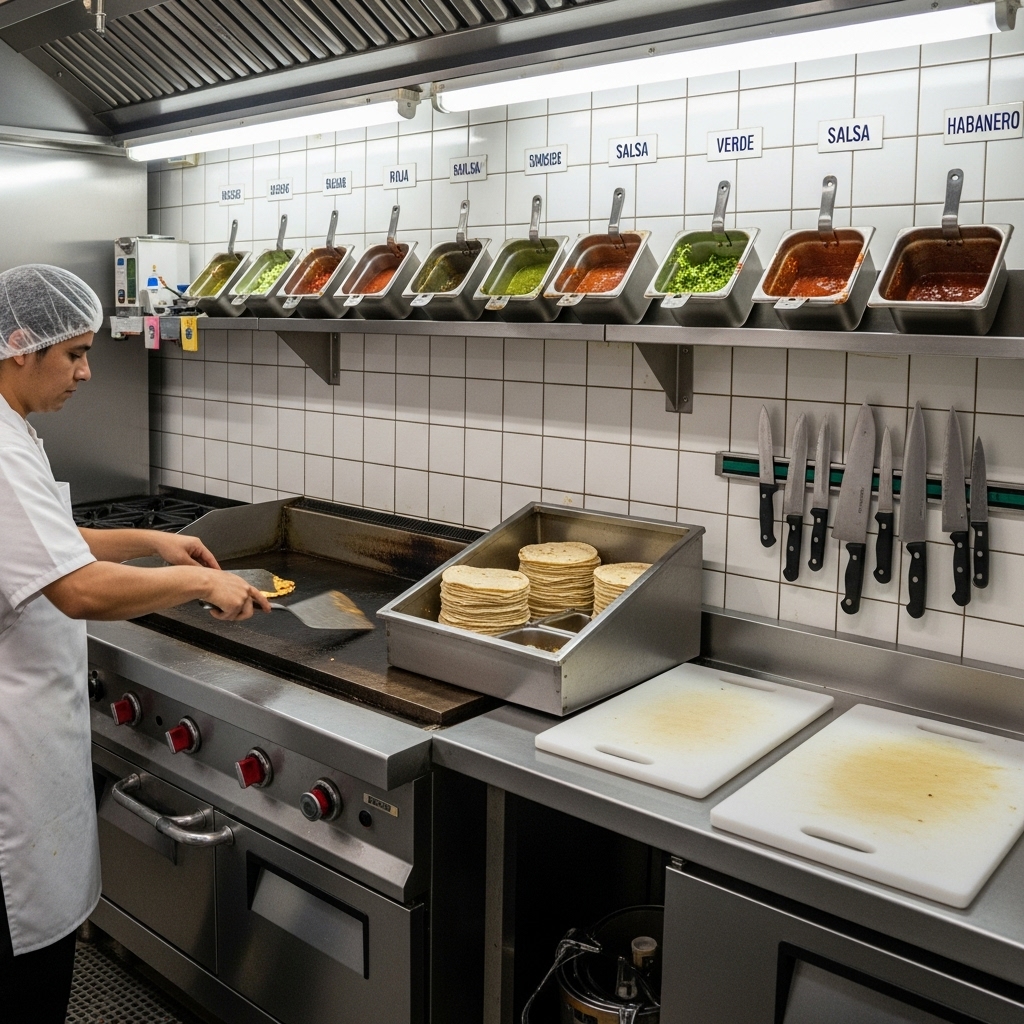
Everything good in a taco begins with heat. The griddle takes the brunt of service and deserves respect. Daily scraping during shifts keeps residue from burning and turning bitter, while end-of-day cleaning preserves a clean surface for tomorrow’s tortillas and proteins. In a town where winter sends folks scurrying inside for warmth, the griddle becomes a communal hearth; its consistency shapes your reputation. Monitor hot and cool zones, and train staff to rotate tortillas through sweet spots so every taco leaves the line tender-warm and pliant.
Regular checks on thermostats and gas flow prevent surprises during a Friday rush. Keep a spare scraper and a backup igniter within reach, and teach the team to spot signs of uneven heat early. A quiet fix at 4 p.m. saves a chaotic scramble at 6:30.
Tortilla Warmers and Holding Wisdom
The difference between a good taco and a great one can be thirty seconds in a warmer. Tortillas need enough heat to stay supple, but not so much that they steam into sogginess. Create a rotation pattern that matches ticket volume, and avoid stacking beyond what you can serve immediately. In Naperville’s dry winter air, tortillas cool quickly; use insulated containers and mindful timing to bridge the walk from line to table. On humid summer days, a touch more ventilation prevents sticking. Staff should treat tortillas like they treat guests: with attention and gentle handling.
Label warmers by purpose—one for immediate service, another for brief holding—so new team members internalize the cadence. Small touches like these keep the line smooth when the dining room hums.
Salsa Stations: Freshness at Speed
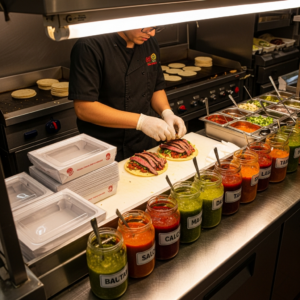
Salsas are your signature, and freshness is the signature of a well-maintained station. Prep in small, frequent batches to maintain color and brightness, especially on busy nights when containers turn quickly. Train staff to taste and adjust throughout service—limes vary, peppers swing in heat, and tomatillos shift with the season. Clear, dated labels keep rotation honest and prevent confusion when hands change at shift swaps.
Set up a tidy mise en place: clean spoons for each salsa, dedicated containers for garnishes, and a habit of wiping edges between guests. These practices aren’t fussy; they’re signals of care that diners feel. In Naperville’s competitive dining scene, that felt care is what brings people back.
Ventilation and Winter Readiness
Cold months test ventilation systems. Doors open and close, coats sweep in gusts of air, and the griddle adds warmth and aroma to the room. Keep filters on schedule, and inspect hoods before the first real cold snap. A well-balanced system keeps smoke in check without stripping the room of the comforting scent that invites second rounds. Mind the entryway: mats, door sweeps, and a quick wipe routine protect floors from salt and slush, keeping guests safe and the front of house presentable.
Staff training matters here. Empower the team to call for quick maintenance when the hood sounds different or a draft becomes noticeable. Small corrections prevent bigger issues, and a safe, comfortable room is a form of hospitality as tangible as a warm tortilla.
Summertime Tempo and Food Safety
Summer brings long lines and high turnover, which can strain cold stations. Calibrate coolers to maintain safe temperatures even with frequent door openings. Keep backup containers of garnishes chilled and ready to swap, and rotate items often to maintain snap and color. On outdoor dining days, assign a roving check: someone who scans the line for items that need replenishing, wiping, or refreshing. The aim is a steady hand on the wheel so service feels effortless, even when the dining room is packed after a day at Centennial Beach.
Hydration for staff is part of maintenance, too. A team that drinks water and takes micro-breaks stays sharper with knives and tongs, and fewer mistakes make their way to the pass.
Knife Edges, Cutting Boards, and Prep Flow
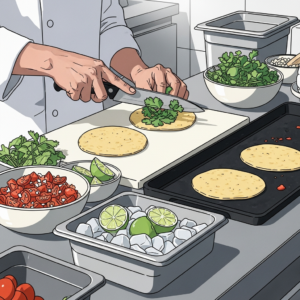
A taqueria’s music is prep: the rhythm of chopping onions, cilantro, and peppers into consistent, brilliant pieces. Sharp knives are safer and faster, and color-coded cutting boards keep flavors clean. Build a sharpening calendar—weekly touch-ups, with deeper maintenance monthly—and train the team to flag a blade before it gets dull. The payoff shows up in every garnish and in the confidence of newer cooks learning good habits from the start.
Prep flow benefits from clear zones. Keep raw proteins away from ready-to-eat components, position trash and compost within easy reach, and design pathways so staff don’t cross under pressure. In a tight kitchen, inches matter. Reclaim them with thoughtful layout and relentless tidying during lulls.
Dish Area Discipline
The dish station is the engine room that keeps the rest of the ship moving. When it falters, everything backs up. Set standards for scrape, rinse, and rack that even the busiest nights can sustain. Rotate racks to maximize drying, and review chemicals and temperatures regularly so sanitation stays reliable. In winter, when gloves and coats make staff movements bulkier, keep pathways clear so the dish crew can hustle without risk.
Consider a quick pre-close reset: five minutes before last call, the team consolidates, wipes, and re-stocks. That small ritual turns an exhausting shutdown into an orderly one and safeguards the start of the next day.
Smallwares: The Quiet Backbone
Tongs, ladles, spoons, and squeeze bottles are the tools diners never see but always feel. Label and count them. Create a backup bin so no one has to hunt during a rush. Replace worn squeeze bottles before the caps crack and compromise cleanliness. In Naperville’s busy pattern—after-school spikes, weekend surges, and late-night drifts—these quiet details stabilize the line and conserve energy for the moments when intuition matters most.
Periodic audits catch what daily routine misses. A five-minute scan of drawers and shelves can save a twenty-minute scramble later, and the stress you avoid is contagious in the best way.
Floor and Entryway Care
Naperville’s seasons show up on the floor. Salt, slush, and mud ride in on boots; summer dust blows in when doors stand open. Mats at thresholds and a quick-sweep habit during service keep messes from spreading. Wet-floor signs aren’t just compliance; they are customer care. Train staff to notice the moment a surface shifts from safe to slick and to act without waiting for a manager. A clean entry sets the tone for the meal and respects guests who navigated weather to get there.
Inside the kitchen, anti-fatigue mats reduce strain during long shifts and help staff stay nimble. Clean them routinely so debris doesn’t build up underfoot. Comfort supports consistency, and consistency is the soul of maintenance.
Equipment Logs and Light Preventive Care
A simple log book—digital or paper—turns maintenance into a shared language. Note when filters are changed, when burners are adjusted, when a gasket looks tired. Small preventive steps extend the life of equipment and minimize surprise failures during peak times. In a town where diners expect reliability, a quiet repair at 10 a.m. beats an emergency at 6 p.m. every time.
Vendor relationships matter, too. Knowing who to call and having model numbers handy speeds fixes. Post critical contacts where every shift lead can find them. It’s common sense, but in the pace of service, common sense loves a checklist.
Training as Ongoing Maintenance
People are the core of any maintenance plan. Onboarding should include not only recipes and service steps but also the why behind cleaning, labeling, and temperature checks. Cross-train so everyone can cover a station in a pinch. In Naperville’s family-friendly dining culture, guests feel the difference when a team moves as one—lines shrink, mistakes drop, and the room relaxes.
Recognition fuels consistency. Celebrate the station that stayed spotless during a rush or the cook who spotted an equipment issue early. These small nods create pride, and pride shows up in the food.
Middle-of-Service Resets
Busy kitchens benefit from planned micro-resets. Every hour, assign two minutes to wipe, restock, and re-label as needed. These pauses pay back in speed and accuracy. They’re also morale boosters: a breath, a sip of water, a quick regroup. If a lull appears, use it to sharpen a knife, refresh a salsa pan, or swap a cutting board. The dining room feels the effect even if they never see it.
When you feel the wheels start to wobble—tickets stacking, voices rising—call a reset. It’s not a sign of weakness; it’s the maintenance mindset in action, keeping quality high under pressure.
Front-of-House Alignment
Maintenance shines at the counter and on the floor, too. Clear signage reduces repeated questions and speeds ordering. A tidy salsa bar signals freshness; a well-lit pickup shelf prevents mix-ups. Staff who sweep, wipe, and restock without prompting tell guests, silently, that the place is cared for. In a community that values order and warmth in equal measure, those cues resonate.
Communication between front and back keeps the machine humming. If a salsa runs hotter than usual or a protein is nearing its peak, the counter team can guide guests in real time. That guidance isn’t just customer service; it’s a way of preserving the kitchen’s best work through smart recommendations.
Waste, Compost, and Community Standards
Naperville residents notice stewardship. Thoughtful waste sorting, measured prep to avoid overage, and donation plans for safe surplus reflect well on a taqueria’s place in the community. While every operation has constraints, small habits—labeling dates, tracking trends, adjusting batch sizes—reduce waste and align with local values. Clean bins and regular removal keep odors down and workflow pleasant, especially in summer.
Staff buy-in grows when they understand the why. Share the story: less waste means more resources for quality ingredients and equipment, which translates into better meals and smoother service.
Frequently Asked Questions
What’s the single most important maintenance habit in a taqueria? Consistent cleaning and care of the griddle. It influences tortillas, proteins, and pace, and sets the tone for the rest of the line.
How do you keep salsas tasting fresh during long rushes?
Prep in smaller, more frequent batches, label clearly with times, and taste-adjust as peppers and limes vary. Keep spoons clean and edges wiped to signal care.
Any tips for preserving tortilla quality in winter?
Warm in batches that match your pace, use insulated containers for short holds, and train staff to move tortillas promptly to the pass. For takeout, separate hot and cool components and advise guests on a quick skillet refresh.
How can a team maintain standards when the line is out the door?
Build micro-resets into the hour, cross-train staff, and lean on clear labeling and station organization. Small, steady habits prevent big breakdowns.
What front-of-house details matter most to guests?
Clear signage, a tidy salsa area, and a well-organized pickup shelf. These elements reduce friction and reinforce the sense that the operation is cared for.
Maintenance is hospitality in work clothes. If you’re ready to keep your kitchen humming through Naperville’s busiest nights, align your team, mind the details, and let consistency be your signature. Show guests you’re ready by reviewing the menu, syncing prep with demand, and sending out plates that prove a well-kept kitchen is the quiet engine behind every great taco.