Plant-based dining in Naperville has grown from a hopeful trend into a confident standard, and nowhere does it shine more vibrantly than in Mexican cooking. The cuisine’s backbone—corn tortillas, beans, rice, chiles, tomatoes, onions, and fresh herbs—naturally supports vegan choices without forcing substitutions that feel like compromise. When friends ask me where to find the best vegan Mexican food around town, I tell them to look for kitchens that treat vegetables with the same respect they give to slow-cooked meats: char that deepens sweetness, careful seasoning that highlights natural flavors, and salsas that add brightness and complexity. To plan a satisfying plant-based meal, a quick scan of the menu will reveal the vegetable-forward stars and the sides that can be built into a complete plate.
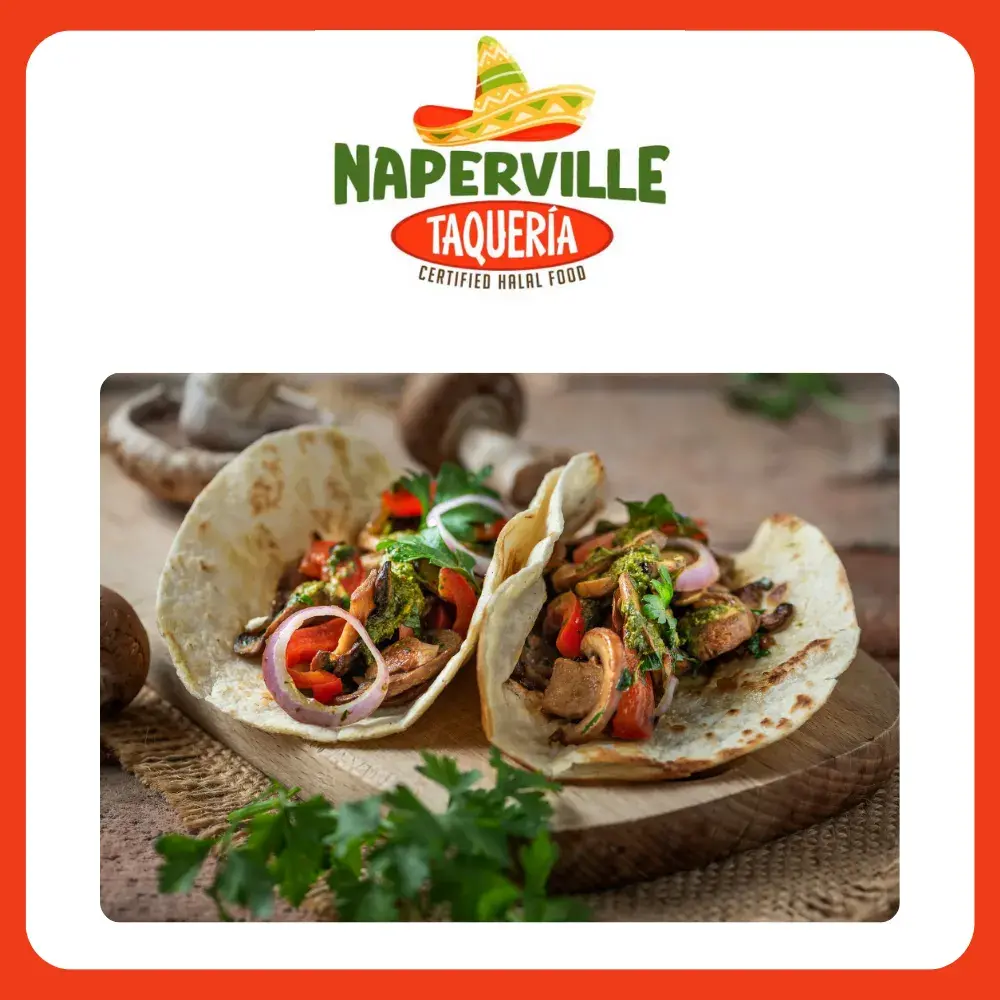
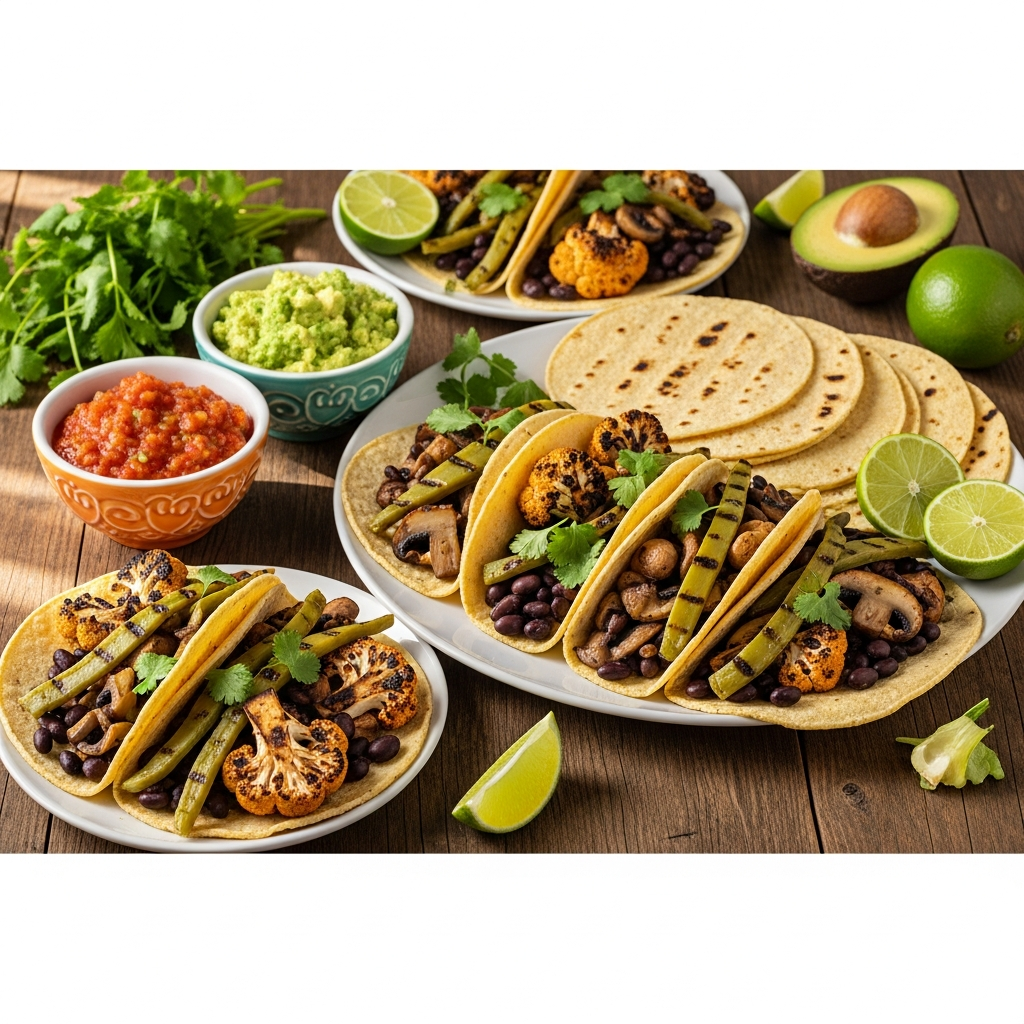
What I love about vegan Mexican dishes is how they flow across textures. You can build a plate that feels hearty, fresh, and layered without leaning on heavy creams or rich cheeses. A warm corn tortilla with a tangle of sautéed mushrooms, a spoonful of black beans, and a bright tomatillo salsa delivers comfort without weight. Swap in cactus—nopales—for a gently tangy, almost citrusy bite that wakes up your palate. Add grilled peppers and onions for sweetness and aroma, a handful of cilantro for snap, and lime to tie it all together. The result feels intentional and deeply satisfying, not like a workaround.
Building a Vegan Plate That Sings
Start with the foundations that Mexican cooking does best. Corn tortillas should smell faintly sweet and earthy; beans should be seasoned with care so they stand on their own; rice should be fluffy with defined grains. From there, layer vegetables handled with technique—mushrooms seared until their edges crisp, zucchini with a light char that concentrates flavor, rajas of roasted poblano peppers bound by their own silky texture. These elements combine into tacos, bowls, or plates that invite customization bite by bite.
Salsas are your palette. A roasted red salsa brings smoke, a tomatillo salsa offers tang and brightness, and a creamy avocado-based salsa adds body without dairy. Pico de gallo contributes snap and a raw freshness that plays beautifully against cooked elements. With these tools, you can tailor each taco or spoonful to your mood, dialing heat and acidity while keeping everything plant-based.
Respect for Masa: The Vegan Constant
Whether you’re a longtime vegan or just exploring, the tortilla is your best friend. Fresh corn tortillas offer aroma, structure, and a subtle sweetness that frame vegetables elegantly. Naperville kitchens that take masa seriously are easy to spot: tortillas arrive warm, pliant, and slightly toasty at the edges. When you build vegan tacos on that foundation, you don’t miss a thing. The tortilla becomes both vehicle and flavor, bringing cohesion to roasted vegetables and beans without overshadowing them.
For a little variety, consider sopes or huaraches if available. Their thicker corn bases create a hearty platform for beans, nopales, potatoes, sautéed mushrooms, and an array of salsas. You get contrast between a crisp exterior and tender interior, which makes every bite feel substantial and complete.
Protein, Plants, and Satisfaction
Beans do a lot of heavy lifting in vegan Mexican meals, and Naperville restaurants coax surprising depth from them. Black beans often carry a hint of garlic and bay; pinto beans can feel almost buttery when cooked patiently. Together with rice and tortillas, they create a trio that satisfies on its own. Add grilled vegetables, spiced potatoes, or soyrizo, and you have the makings of a plate that fuels without weighing you down.
Don’t overlook jackfruit prepared to mimic the tenderness of slow-cooked fillings. Done right, it pulls into strands that soak up salsa beautifully. I also love when kitchens roast cauliflower until it picks up toasty edges and a gentle sweetness—tucked into a warm tortilla with a squeeze of lime and a spoon of salsa, it hits every note: bright, savory, and textured.
Customizing with Confidence
The best vegan experiences come from communicating with the team. Let your server know you’re eating plant-based, and ask which components are made without animal products. Many Naperville kitchens prepare rice with vegetable stock and keep lard out of beans, but it’s always worth confirming. If a dish typically comes with crema or cheese, most places will happily leave them off or swap in extra salsa or avocado. The spirit is collaborative, and the result is a plate that lines up perfectly with your preferences.
Cross-contact matters to some diners, and restaurants understand. If you need tortillas warmed on a separate surface or want to double-check how a sauce is thickened, ask kindly and you’ll usually find the staff prepared with answers. That clarity builds trust and makes each subsequent visit easier.
Ordering Like a Local Vegan
I like to structure a vegan Mexican meal around contrast: something warm and roasty, something bright and raw, something with gentle heat, and a finishing touch of acidity. That might look like grilled mushrooms and peppers tucked into tortillas, pico de gallo spooned over the top, a green salsa on the side, and a wedge of lime within reach. If I’m especially hungry, I’ll add a side of beans and rice and use them to build a few extra bites. The rhythm of assembling, tasting, and adjusting keeps the meal lively from first bite to last.
For lunch, a bowl built on rice and beans with a colorful array of vegetables lets you eat well while keeping the day on track. For dinner with friends, a platter of tortillas, salsas, and multiple vegetable fillings turns the table into a collaborative space where everyone creates their own ideal combination. That interactivity is part of what makes Mexican food such a natural home for vegan dining.
Seasonality and the Market Basket
Vegan Mexican food shines when it follows the seasons. In late spring and summer, grilled zucchini, charred corn, and bright tomato salsas make plates feel sunlit and fresh. As the weather cools in Naperville, roasted squash, caramelized onions, and warm spices bring comfort. Many local kitchens source produce thoughtfully, and you can taste the difference when vegetables arrive at peak flavor. Even a simple taco becomes a small celebration of what’s best right now.
Salsas ride the seasons, too. You’ll notice tomatillo salsas snapping with extra brightness when the fruit is in perfect form, and roasted red salsas deepening in character as chilies hit their stride. Paying attention to those shifts adds a dimension to vegan dining that goes beyond ingredients into the cadence of the year.
Dining Out, Takeout, and Hosting at Home
Vegan Mexican meals adapt seamlessly to any setting. Dining in gives you the benefit of tortillas from the griddle to the table with only a short breath of air between. Takeout travels well when components are packed separately, and a quick warm-up at home restores heat and texture. Hosting friends? Set out a spread of tortillas, beans, rice, grilled vegetables, and a few salsas. Invite everyone to build tacos the way they like. The format encourages conversation and makes dietary differences feel easy rather than complicated.
Leftovers are tomorrow’s gift. Beans deepen overnight, salsas settle, and roasted vegetables hold up with a gentle rewarm. You might find that your second-day taco, built from the same components, tastes even more integrated and mellow.
Frequently Asked Questions
What are the best vegan proteins in Mexican cuisine?
Beans are the classic choice, with black and pinto leading the way. Soyrizo offers spice and chew, and jackfruit provides a tender, pull-apart texture ideal for saucy preparations. Mushrooms, cauliflower, and potatoes also deliver satisfying substance when handled with care.
How can I be sure a dish is fully vegan?
Tell your server you’re eating plant-based and ask about common touchpoints like lard in beans, stock used for rice, and dairy-based toppings. Most kitchens can confirm components and adjust a dish by omitting crema or cheese and adding extra salsa or avocado instead.
Do corn tortillas always fit a vegan diet?
They typically do, especially when made from masa harina and water. Still, it’s wise to confirm that no animal fat is used in preparation and that tortillas are warmed on a surface free from cross-contact if that’s important to you.
What salsas work best for vegan tacos?
Tomatillo salsas add brightness, roasted red salsas bring depth and smoke, and avocado-based salsas contribute creaminess without dairy. Pico de gallo adds a raw crunch and freshness that complements cooked vegetables beautifully.
How do I build a balanced vegan Mexican meal?
Think in layers: a comforting base of tortillas, rice, and beans; a roasty or charred vegetable element; a bright raw accent; controlled heat from salsa; and a finishing touch of acidity. This structure delivers variety and satisfaction without relying on animal products.
If you’re ready to explore plant-based dishes that celebrate tradition and seasonality, open the menu, choose a few vegetable-forward stars, and let a Naperville favorite show you how vibrant vegan Mexican food can be. Warm tortillas, colorful salsas, and thoughtfully cooked produce are waiting to turn tonight’s dinner into something you’ll talk about tomorrow.