When Naperville neighbors gather around a plate of tacos—on a sunlit patio near the Riverwalk or at a cozy table on a breezy fall evening—the focus is usually flavor. But more and more, our community is also asking a thoughtful question: what is the environmental footprint of this beloved meal? The answer isn’t a single number; it’s a story of ingredients, sourcing, packaging, energy, and the everyday choices we make. The encouraging part is that in a city like ours, small shifts add up quickly. If you’re curious about how to align your cravings with your values, begin with a look at a local taco menu through a sustainability lens, and then carry those insights to your table, whether you dine in or take it to the Riverwalk.
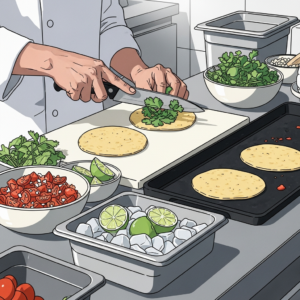
Understanding impact starts with the tortilla, the humble stage for every taco. Corn tortillas are typically made from masa harina, derived from nixtamalized corn. Their footprint includes how and where the corn is grown and processed, as well as transport to Naperville. Flour tortillas, while soft and beloved by many, introduce wheat and often fats that have their own agricultural and processing factors. Neither is inherently good or bad; context matters. Local kitchens that source from producers closer to home or use masa made in-house can reduce transport emissions and offer a fresher product. Choosing corn can also support those seeking gluten-free options, helping avoid separate packaging and extra trips that might otherwise increase waste.
Proteins and their planetary profiles
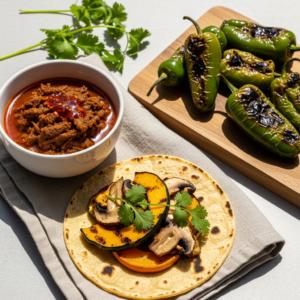
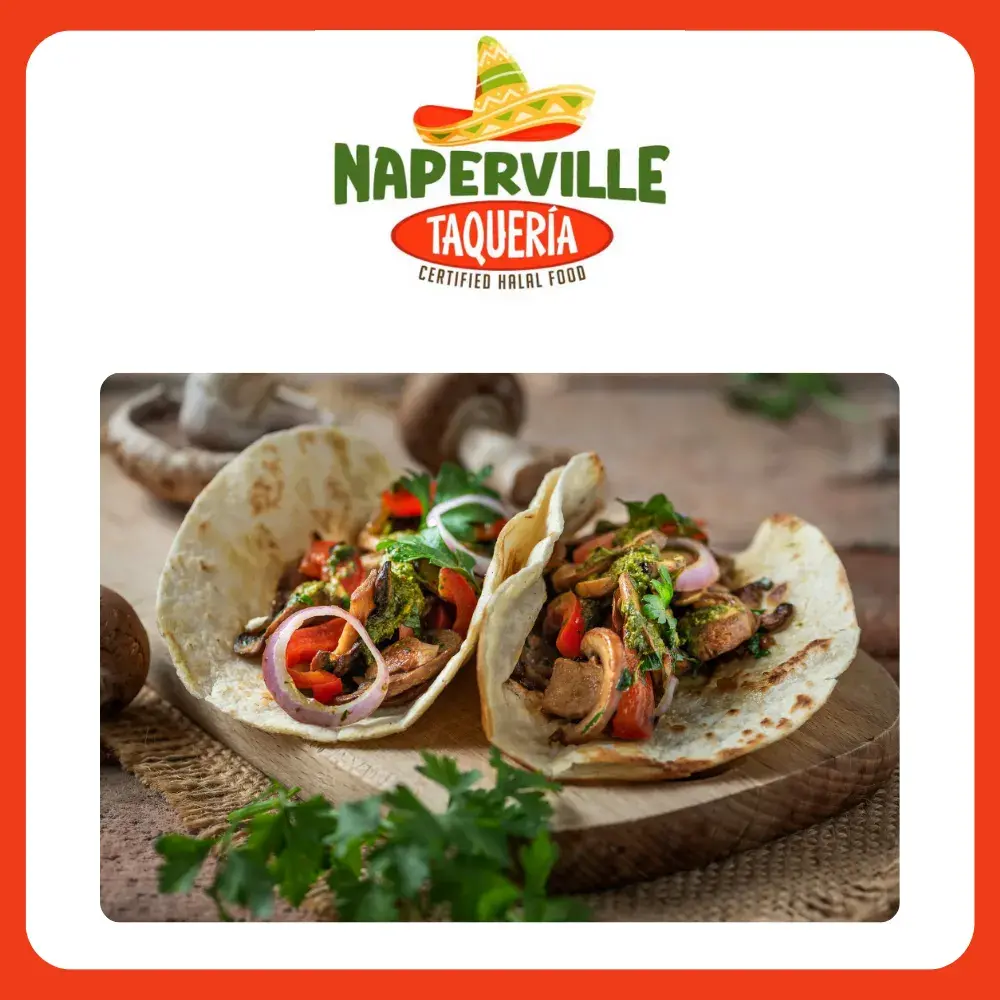
Protein choice is arguably the biggest environmental lever in a taco. Slow-braised beef or pork delivers comfort and depth but carries a higher resource demand upstream. Poultry often sits in a middle ground, while fish, when sourced responsibly, can be a lighter-footprint choice depending on species and catch method. Plant-based fillings—beans, mushrooms, squash, peppers—generally require fewer resources and can be grown closer to home during Midwest seasons. In practice, many Naperville diners find a satisfying balance by mixing choices across a meal: one traditional protein taco paired with a vegetable-forward option, a strategy that reduces impact without sacrificing joy.
Portion size and preparation also shape footprint. A smaller serving of a resource-intensive protein, enriched with bright salsas and crunchy slaws, satisfies cravings while lowering demand. Grilling and roasting can concentrate flavor without extra fats or packaging-heavy sauces. The more kitchens lean on herbs, acids, and chile complexity, the less they need to rely on ingredients that travel far or require heavy processing.
Produce, seasonality, and the flavor-energy equation
Tomatoes, onions, tomatillos, cilantro—these vegetables and herbs define a taco’s freshness. Their environmental story includes water use, transport, and seasonality. In Naperville, we taste the difference when kitchens ride the Midwest calendar. Peak-summer tomatoes need less energy to grow and ship compared to out-of-season imports, and they burst with flavor that reduces the temptation to pile on extras. In fall, roasted squash and peppers deliver warmth and depth. In spring, radishes and tender greens lend snap and color. When chefs build tacos around what’s naturally abundant, plates become more sustainable by default, and diners notice the vibrancy that comes from produce picked at its best.
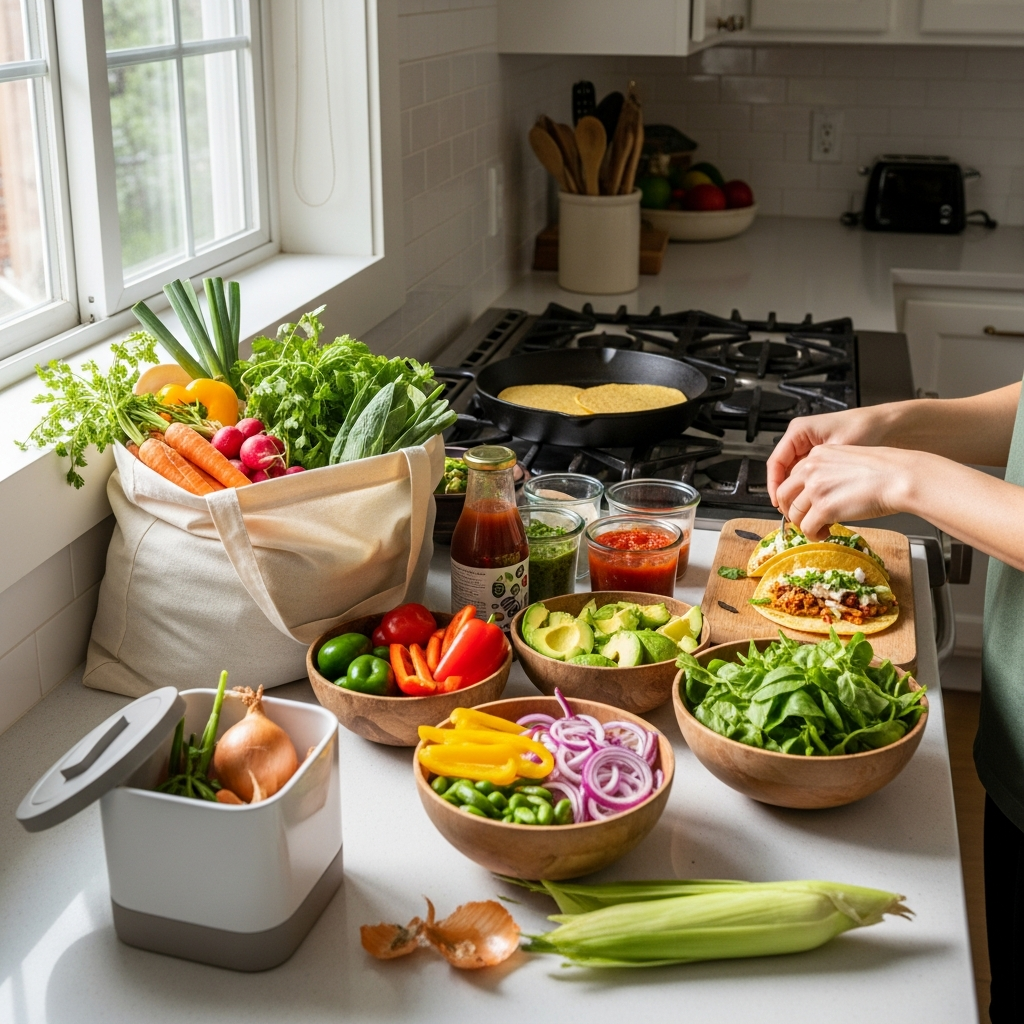
Waste management ties into produce, too. Early prep that trims efficiently, composting of peels and stems where possible, and creative use of edible trimmings—think charred scallion tops blended into salsa—keep more nutrients on the plate and less in the bin. Diners play a role as well: ordering realistically, sharing sides, and embracing freshness over excess ensures that what’s grown is eaten, not discarded.
Packaging and the takeout dilemma
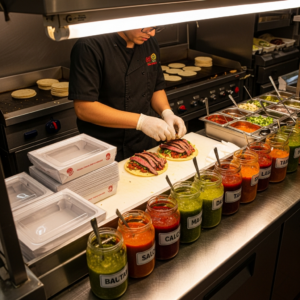
Naperville’s love of the Riverwalk and neighborhood parks means takeout is a regular part of our taco culture. Packaging choices, therefore, matter. Recyclable or compostable containers, paper over plastic when feasible, and minimal single-use packets reduce waste. Consolidating salsas into a few reusable containers, or opting for salsa served in-store when dining in, eliminates extras that too often end up in the trash. Carry your own tote or insulated bag for larger orders; it’s a small habit that prevents a pile of bags from accumulating at home.
Temperature management influences both enjoyment and efficiency. Keeping hot and cold components separate until assembly preserves texture, reducing the impulse to discard soggy tortillas or wilted slaws. Smart packing cuts down on napkins and liners that would otherwise be needed to soak up messes, all while improving the eating experience under a shade tree or along the quarry.
Energy use and kitchen practices
Behind the counter, sustainability is as much about process as product. Efficient burners and planchas, well-maintained refrigeration, and thoughtful prep schedules save energy. Batch-cooking items like beans and braises during off-peak hours can reduce strain on the grid, while grilling to order keeps waste low. Kitchens that standardize portions reduce overcooking and ensure consistent quality, two outcomes that lower both energy use and food waste. Staff training on proper storage—keeping herbs crisp, tortillas sealed, and proteins cooled safely—extends the life of ingredients, preventing loss before a dish even reaches the line.
In Naperville, where many taquerias are family-run or closely tied to the community, these practices often emerge organically. Owners invest where they can, adopt new tools gradually, and learn from peers. Guests help by being patient during busy moments and by celebrating the places that choose greener options. The market listens, and small signals from diners—praising reusable containers or favoring seasonal specials—encourage broader adoption.
Transportation, distance, and the local loop
Another lever sits quietly in our daily routines: how we get to our tacos. Walking or biking to a downtown spot from nearby neighborhoods, or consolidating errands along Route 59, trims the transport footprint of a meal. Choosing a place near the Riverwalk for a picnic dinner can turn a car trip into a sunset stroll. These shifts may seem minor in isolation, but multiplied across thousands of meals, they shape a city’s emissions profile. Consider inviting friends to meet at a central location or planning a taco night after an activity you’re already doing downtown; the efficiencies stack up without sacrificing any fun.
Local sourcing fits into the same loop. When feasible, kitchens that buy produce from nearby growers benefit from shorter transit times and fresher flavor. Even when full local sourcing isn’t possible, using seasonal Midwest ingredients lowers miles traveled and supports regional agriculture. Diners notice the taste, and the reduced transport energy becomes part of the meal’s quiet footprint.
How to order with the planet in mind
A practical approach begins with curiosity. Scan the specials for seasonal vegetables, ask whether a grilled option is available for your favorite filling, and consider mixing one plant-forward taco into your order. Choose corn tortillas when you want a naturally gluten-free base that’s often lighter, and lean on salsas and lime to amplify flavor. If you’re taking your meal to go, decline extra utensils you don’t need and consolidate condiments to avoid a handful of single-use cups. And think about your path home—turn dinner into a walk by the river or combine the pickup with another errand.
Menus can be guides and teachers here. When a restaurant highlights the provenance of its produce or calls out a special that celebrates local harvest, it’s giving you a map for lower-impact choices. Browsing a thoughtfully assembled Naperville taco menu often reveals which items lean seasonal or grill-forward, making it easier to choose a plate that tastes great and treads lightly.
Myths, realities, and the middle path
No single ingredient guarantees a perfect footprint, just as no favorite is off-limits. Environmental responsibility is less about purity and more about patterns. If you love a slow-braised meat taco, enjoy it and perhaps pair it with a vegetable-driven counterpart. If you crave a creamy element, balance it with a bright, herb-forward salsa. Progress looks like a city full of diners making slightly better choices most of the time. That’s a standard Naperville can meet, given our blend of conscientious neighbors and creative kitchens.
Likewise, perfectionism can backfire. Long detours to chase one ideal ingredient may erase the benefit. So can over-ordering in the name of efficiency. The sweet spot is a habit that fits your life: order thoughtfully, savor completely, and waste as little as possible. Over seasons, those habits compound and become part of our shared culture.
Does choosing corn or flour tortillas affect environmental impact?
Both have footprints tied to agriculture and processing. Corn tortillas are typically simpler and can align with gluten-free needs, potentially reducing packaging complexity. Flour tortillas introduce wheat and often fats. Context—sourcing, transport, and kitchen practices—matters more than a single label. Favor freshness, minimal waste, and seasonality for the biggest gains.
Are plant-based tacos always the greener choice?
Plant-based fillings generally require fewer resources, especially when they feature seasonal produce. But cooking methods, sauces, and transport also factor in. A roasted mushroom taco with local greens likely has a lighter footprint than an out-of-season import heavy on packaging. Aim for plant-forward frequently, and let the seasons guide you.
What’s the best way to reduce takeout waste without sacrificing convenience?
Bring a tote, decline extra utensils, consolidate condiments, and keep hot and cold components separate to preserve texture. Reuse sturdy containers at home, and choose dine-in when you plan to linger. These simple steps cut trash and improve the eating experience.
How does seasonality improve both taste and sustainability?
Produce harvested in its natural window needs less energy to grow and transport, and it tastes better. Summer tomatoes, fall squash, spring radishes—each brings peak flavor that lets kitchens rely on herbs, citrus, and chiles instead of heavy, travel-intensive sauces.
Can small choices from diners really influence restaurant practices?
Yes. Consistent requests for seasonal specials, praise for reusable or recyclable packaging, and enthusiasm for plant-forward options signal demand. Restaurants listen, adjust purchasing, and invest where they see support. In a town as engaged as Naperville, diner feedback moves the needle.
Is it possible to enjoy rich, traditional tacos and stay environmentally mindful?
It is. Consider portion size, pair a richer taco with a plant-based option, and let salsas and herbs add excitement. Savoring every bite and minimizing waste does as much good as any single ingredient swap.
If this conversation inspires you, turn insight into action on your next meal. Walk to a neighborhood spot, invite a friend to share a table, and choose a combination that mixes seasonal produce with a favorite classic. Let a clear, well-marked menu guide you to grill-forward plates and bright salsas. With each small, delicious choice, Naperville becomes a little greener—and dinner tastes even better for it.