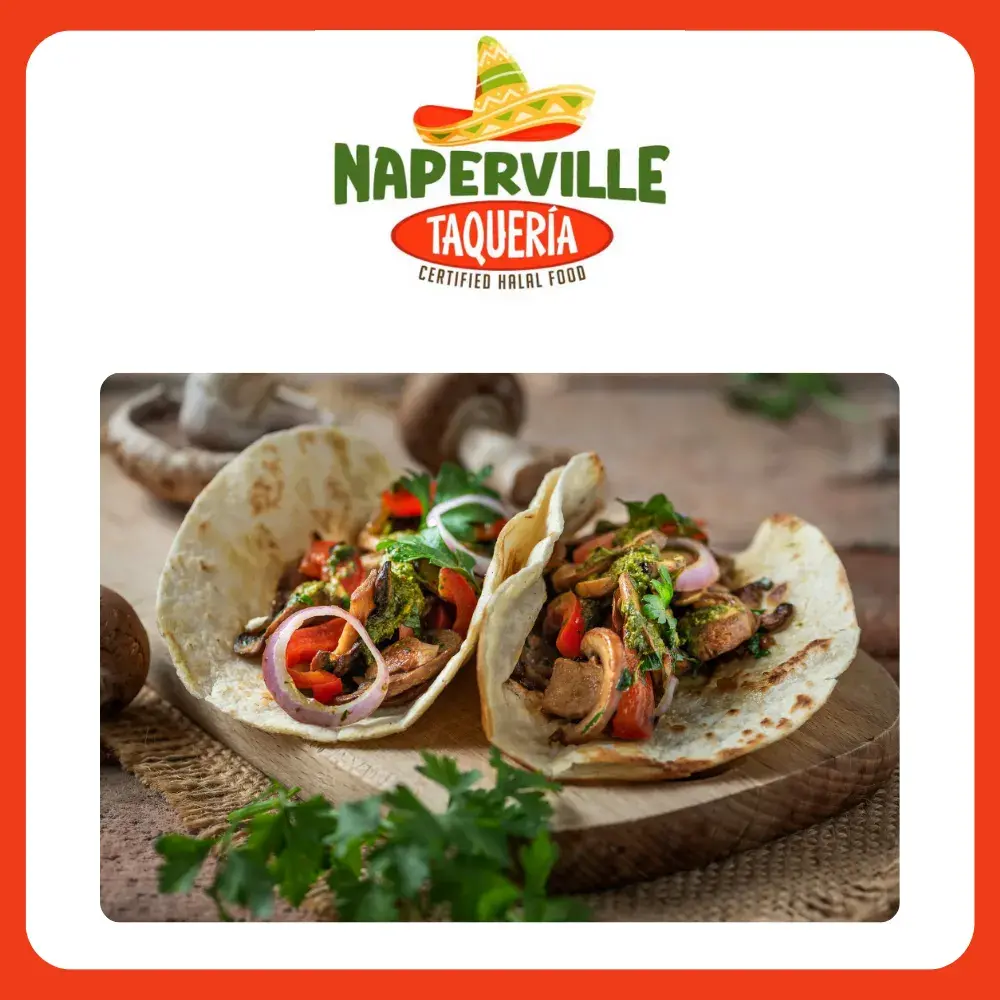
Walk into a great taqueria in Naperville and the first thing you notice is not on the wall or in the music—it is in the air. Warm corn, citrus, a whisper of smoke from the plancha, and that bright hit of chopped cilantro tell you the kitchen is paying attention. Freshness and quality are not marketing words in this town; they are the practical, everyday disciplines that separate a good taco from the kind that can hold your week together. Maintaining that standard is a craft shaped by Naperville’s rhythms—lunch rushes downtown, after-practice pickups near 95th Street, and steady weekend families drifting in from the Riverwalk. The kitchens that thrive here know that quality is built at every step, from sourcing and storage to the second a tortilla meets the heat.
For diners, you can read a kitchen’s priorities in the little signals: the soft fragrance of the tortilla stack, the sheen on fresh-cut pico, the quiet confidence with which a cook flips a steak at just the right moment. And if you like to plan your own perfect stop, a quick look at the menu can hint at how the team balances seasonality with everyday favorites. What follows is a peek behind the scenes—how Naperville taquerias build and guard freshness and how those choices land on your plate.
Sourcing with intention
Freshness starts far from the line. Relationships with produce suppliers, tortilla makers, and regional purveyors determine how quickly ingredients move from field to prep table. In well-run shops, deliveries arrive in tight windows that match the pace of service, not an abstract schedule. Greens are selected for crispness and shelf life, tomatoes for flavor over appearance, and onions for the right bite without harshness. Proteins are chosen with consistency in mind, because predictable quality lets cooks season and sear with confidence.
Seasonal awareness is key. In late summer, tomatoes sing and show up boldly in pico, while cooler months nudge kitchens toward roasted profiles and deeper flavors. Smart buyers watch weather and supply notes so they can pivot the specials board accordingly. A taqueria that orders with intention is the one that serves you cilantro that smells alive and limes that actually taste like lime.
Cold chain discipline
Even the best ingredients falter without temperature control. Cold storage that is set, checked, and logged keeps greens crisp, dairy safe, and proteins at the right baseline. Walk-ins and lowboys are organized by temperature needs and traffic patterns: high-use items live up front to minimize door-open time, sensitive items sit where airflow is most consistent, and backups are labeled with first-in, first-out clarity. These are not glamorous details, but they are the scaffolding of freshness.
During service, cooks think in temperature zones. Prep moves quickly from cold to hot, proteins rest in a safe, warm window before the final sear, and finished tacos land hot but not steamy. The result is food that tastes lively rather than tired, and that holds together during a walk to the car or a few unhurried minutes at the table.
Prep that respects the clock
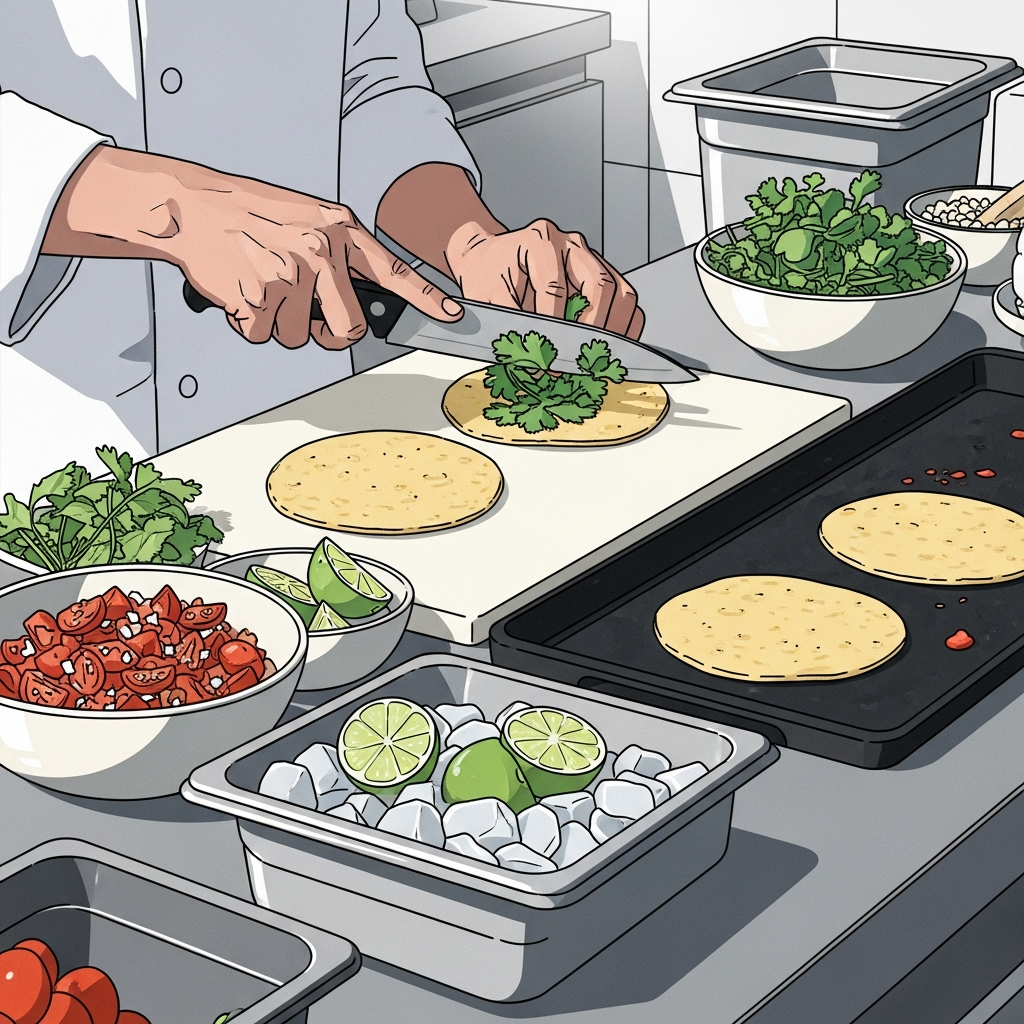
Quality depends on timing. Onions and cilantro are chopped close to service so they stay crisp and aromatic. Salsas are made in batches tuned to the day’s traffic, large enough for efficiency but small enough to stay bright. Carnitas are cooked to a point where they can be finished to order with a final crisp, not left to languish. Steak is marinated deeply but briefly enough to keep texture, and chicken sits in citrus and spice just long enough to carry flavor without turning mushy.
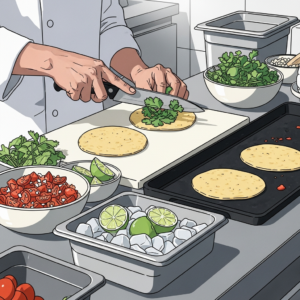
Knife work and mise en place matter. A tight station with sharp knives yields cleaner cuts and less bruising on herbs and vegetables. Tighter cuts mean better texture and more even seasoning. You taste that in every bite that snaps rather than sags.
Tortillas as a living ingredient
Freshness is nowhere more evident than in the tortilla. Great shops treat tortillas like produce: they breathe, warm, and rest. Whether made in-house or sourced from a trusted maker, tortillas are kept protected from drying out and warmed on a hot surface long enough to awaken their aroma without turning brittle. Some shops are moving toward heirloom corn or improved nixtamalization, a trend you will sense in the deeper corn perfume and gentler fold. The press-and-rest rhythm is precise, and a disciplined warm-up right before assembly keeps structure and softness in balance.
For travel, a light toast can create a fine skin that resists sogginess while staying pliable. That small move can be the difference between a beautiful first bite at home and a taco that wilts too soon.
Salsas tuned like instruments
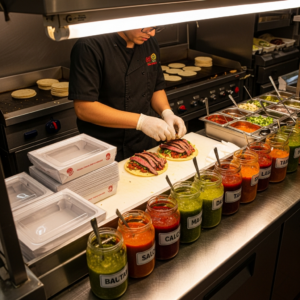
A kitchen’s palate shows itself in the salsa lineup. Roasted tomato rojas that carry warmth without muddiness, tomatillo verdes that brighten without becoming sharp, and dried-chile salsas that deliver toast and perfume rather than bitterness are marks of care. Freshness here is about timing and temperature: letting roasted items cool just enough before blending, seasoning in stages, and tasting right before service. Peppers vary from week to week; the best teams adjust salt and acid with a steady hand so the balance stays true.
When a salsa bar is compact and confident rather than sprawling, you know the kitchen is focusing on what tastes best now. That focus keeps each option distinct and lively so your taco gets exactly the lift it needs.
Rhythms of the line
At peak, the line is a metronome. One cook warms tortillas, another assembles, a third finishes proteins to order. Clear stations prevent overhandling, which preserves texture and temperature. Meat rests briefly so juices stay put; salsas are added in just the right measure so they cling rather than flood. The final handoff feels calm even when the ticket rail is long, because the system protects each step from being rushed or forgotten.
That rhythm also saves freshness for takeout. Orders are staged so the final warm press on tortillas happens just before pickup, and packaging is chosen to guard heat without trapping steam. When you pop the lid at home, you should meet a plate that still feels newly made.
Quality checks you can taste
Behind every smooth service is a set of checks that has nothing to do with paperwork and everything to do with taste. Before the doors open, someone tastes the salsas, checks citrus levels, and confirms that herbs smell bright. Protein batches are sampled for seasoning and texture. Tortillas are felt and bent. If anything is off—too sweet, too flat, too limp—the fix is immediate. This is a culture of attention more than a checklist, and it is what gives you confidence that Tuesday’s tacos will be as good as Saturday’s.
Guests feel these checks in consistent bites and in staff who speak clearly about what is tasting best. A confident line makes for a calmer dining room, because everyone can trust that the food is landing as intended.
Building for travel
In Naperville, takeout is part of real life, not a sideline. Quality-minded taquerias engineer builds to travel well. They manage moisture at every phase—resting meats, warming tortillas to the right point, and choosing salsas that add sparkle without soak. Packaging is vented just enough, and garnishes are portioned for structure. If a dish wants to be finished at home—a squeeze of lime, a spoon of salsa—the kitchen signals it so you can complete that last step and taste the dish as designed.
Practical touches matter in the car, too. Keep the box level, crack the lid for a breath at home, and assemble add-ons just before you eat. Those small moves ensure the care that left the kitchen arrives fully on your plate.
Training that turns standards into habits
Freshness is a team sport. New cooks learn how to read a tortilla’s readiness, how to judge the doneness of carnitas by sound and scent, and how to season salsas to the day’s peppers. Shadowing during peak hours builds instincts that recipes cannot capture. The better the training, the calmer the line—and the fresher the food—when the rush hits. Staff who taste, adjust, and communicate keep standards alive under pressure.
Guests notice this as coherence. Orders come out the same way across different shifts, and questions at the counter get clear, confident answers. When you ask what is tasting best, you get a genuine recommendation because someone just checked.
Listening to the neighborhood
Quality improves when kitchens listen. If regulars say the roja leaned too hot this week, the next batch gets a calmer hand with the chiles. If kids are asking for milder builds, the team keeps a gentle salsa in steady rotation. Feedback loops are fast in small spaces, and that speed is a friend of freshness. You end up with a menu that respects tradition but wears it lightly, adapting to what Naperville is actually craving in the moment.
These conversations are part of what makes a neighborhood taqueria feel like an extension of your own kitchen. You learn the kitchen’s rhythms; the kitchen learns yours; and the food meets you in the middle.
Seasonal shifts and special touches
Freshness has a calendar here. Late-summer produce leads to salsas that sparkle with ripe tomatoes and herbs. First cold fronts invite deeper roasts and slow-cooked comforts. Some kitchens bring in weekend pozole when the air turns sharp or spotlight roasted peppers that arrived perfect that week. These small adjustments make your usual order feel in step with the day outside and keep a sense of discovery alive even for regulars.
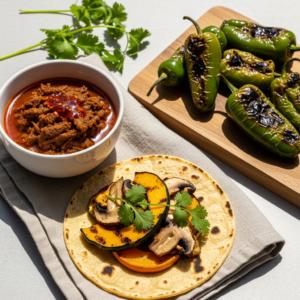
Specials also test ideas that, when loved, may find a permanent home. A slightly different marinade on chicken, a new take on a vegetarian filling, or a salsa negra that plays with smokier notes—these give the kitchen room to improve while staying grounded.
What you can do as a guest
Freshness is a partnership. If a line looks lively, have your order in mind, ask quick questions up front, and trust the staff’s guidance on salsas and timing. If you are taking food home, plan your pickup window so your first bite happens while the tortillas are still warm. Share feedback kindly and specifically; it helps the kitchen make precise adjustments that benefit everyone. Most of all, keep your curiosity alive—try the special, taste a new salsa, and let the team show you what is shining today.
FAQ
How can I tell if a taqueria is serious about freshness?
Use your senses. Smell warm corn and citrus as you step in. Look for herbs that gleam rather than wilt, salsas that look vibrant rather than flat, and tortillas that bend without cracking. Listen to the line: a steady rhythm suggests strong systems. Ask a quick question about heat levels; confident, specific answers are a great sign that someone tasted everything before service.
Why do some tacos travel better than others?
Tacos that travel well are built with moisture management in mind. Proteins are rested, tortillas are warmed to hold structure, and salsas are portioned to cling rather than run. Packaging vents just enough to prevent steam buildup. If your favorite spot lightly toasts tortillas for takeout, that is a clue they are thinking ahead so your first bite at home tastes freshly made.
What is the secret to consistently tender carne asada and juicy chicken?
It is not a secret so much as discipline: proper marinating, high-heat searing, and crucial resting. Good kitchens stage proteins in small batches during a rush so each portion gets the attention it needs. They also finish to order, which keeps texture lively. You feel the result when a bite cuts cleanly and flavors land in balance.
How do kitchens keep salsas tasting balanced when peppers vary?
By tasting and adjusting right before service. Peppers can swing in heat and perfume, so cooks fine-tune with acid and salt to keep a steady profile. Roasted components cool before blending to avoid bitterness, and fresh elements are added in stages so brightness remains. These small calibrations are why the same salsa can taste reliably itself week after week.
Are house-made tortillas worth seeking out?
They can be transformative when done well. House-made or carefully sourced tortillas that are warmed properly bring aroma, tenderness, and a subtle sweetness that change the entire taco experience. They also hold structure better when built and carried out, which protects the first bite. If you notice a deeper corn fragrance and an easy fold, you are tasting the difference.
What can I do at home to keep takeout tacos at their best?
Open the container briefly to vent, apply salsas just before eating, and enjoy while tortillas are still warm. Keep the box level in transit, and if you like a little heat, warm a pan for a quick kiss to the tortilla just before you bite. Small, mindful steps honor the care already in the food and pay off in texture and flavor.
How do Naperville taquerias maintain quality during a rush?
With systems and training. Stations are clear, responsibilities are defined, and small batches keep ingredients lively. Staff taste and communicate constantly so the line stays calibrated. The result is a fast-moving service that still feels precise—food that arrives quickly without the hurried taste of corners cut.
If you are ready to taste the difference that care makes, stop by your neighborhood spot and let the line cooks show you what freshness feels like. For a little inspiration before you go, browse the menu, then swing in for warm tortillas, bright salsas, and that first bite that tells you everything is working exactly as it should.