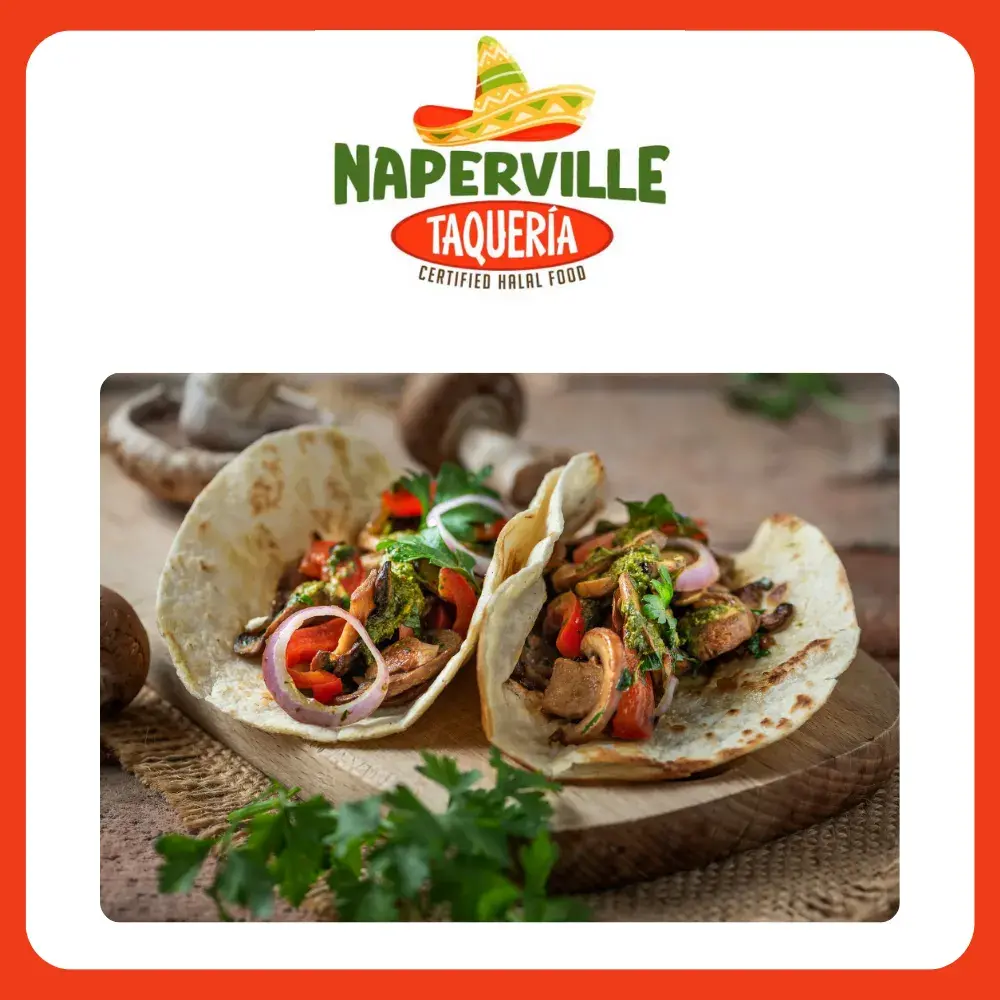
On weeknights in Naperville, when the Metra pulls in and minivans roll out of practices at Frontier Sports Complex, most families share the same question: what can we cook that is fast, fresh, and genuinely good for us? As a local who has watched our town’s kitchens hum after long school days and late shifts, I can tell you that tacos offer an everyday solution that feels celebratory without sacrificing nutrition. In fact, the healthiest eating pattern for a busy household often begins with a warm tortilla and a colorful spread of fillings. It helps that our neighborhood taquerias and home cooks alike keep the energy of the meal bright, adaptable, and friendly to every palate at the table. If you want a quick snapshot of how these ideas translate to real options, the easiest place to start is by peeking at the menu to see how simple building blocks transform into something balanced and satisfying.
How a Taco Becomes a Balanced Meal
When people hear “taco,” they may picture a treat. In Naperville kitchens, though, the taco is a blueprint for balance. The tortilla supplies energy-dense carbohydrates to power evening homework, instrument practice, and bedtime routines. Lean proteins—grilled chicken, roasted turkey, black beans, lentils, or responsibly sourced fish—offer the amino acids needed for muscle repair after a soccer match at Knoch Park. Vegetables and salsas bring fiber, vitamins, and phytonutrients that support immunity, a helpful edge when school colds are making the rounds. Add heart-smart fats from avocado or a drizzle of olive oil, and you’ve turned dinner into a practical nutrition lesson that tastes like a treat.
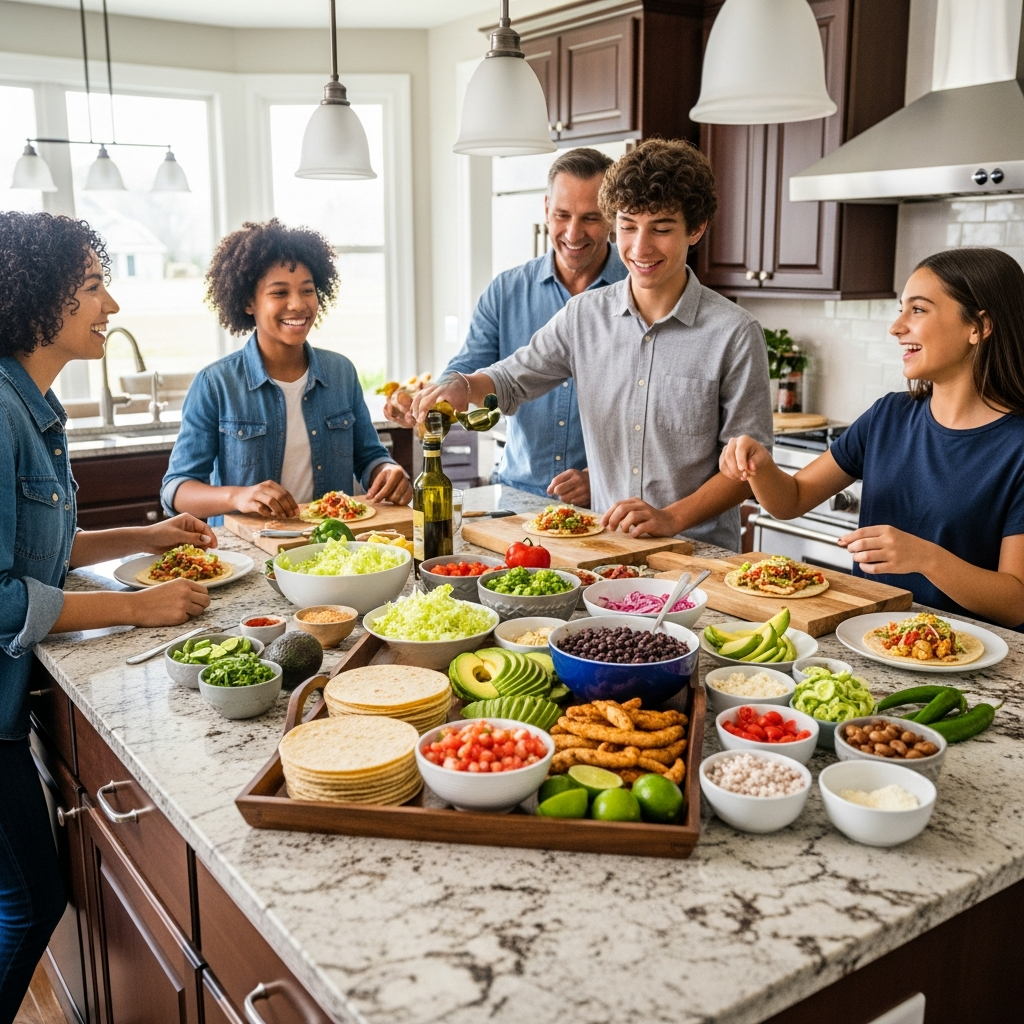
Because every family’s needs differ, the taco tray lets you adjust in real time. A teen athlete may double up on protein and corn tortillas for extra complex carbs. A younger child drawn to mild flavors might choose simple seasoned chicken with shredded lettuce. Parents juggling their own wellness goals can center the plate on grilled vegetables and beans without feeling like they’re eating “diet food.” Tacos make moderation intuitive: each shell is a portion, and each topping adds up to a complete, colorful plate.
The Naperville Advantage: Freshness and Familiarity
We’re fortunate here in Naperville to enjoy easy access to quality ingredients. Local markets and seasonal stands provide peppers, tomatoes, and greens that taste like they were assembled for salsa. Even in the colder months, good frozen and canned options—unsalted black beans, roasted corn, and tomatoes—turn a winter evening into a bright, vegetable-forward meal. Neighborhood stores carry whole-grain or corn tortillas that toast beautifully on a skillet. This combination of availability and familiarity makes it easier to cook more often, and when cooking becomes habitual, health follows naturally.
Familiar flavors lower stress in the middle of a hectic week. Kids who might balk at a new leafy green will happily crunch it inside a taco. Parents who want to stretch the week’s grocery budget can fold last night’s roasted vegetables into tonight’s dinner. Rather than battling over what’s on the plate, family members meet in the middle with a meal that invites personal choice without requiring a different dish for each person.
Protein Choices that Work for Real Schedules
Healthy tacos don’t demand elaborate prep. I’ve watched neighbors pick up a rotisserie chicken and shred it with a quick squeeze of lime, and I’ve seen families simmer a pot of beans on Sunday to fuel weeknight dinners. Fish fillets cook in minutes and pair perfectly with a cabbage slaw tossed in yogurt and lime. Extra-lean ground turkey, browned with onions and spices, makes a versatile base that kids recognize. Even tofu, when pressed and seared, takes on a crisp exterior that satisfies a craving for something hearty. Each of these building blocks delivers the protein you need for satiety and steady energy without the heaviness that can derail bedtime routines.
Nutrition-wise, the choice of protein can gently shape your meal’s health profile. Beans bring soluble fiber, which supports heart health and helps stabilize blood sugar. Fish offers omega-3s, which support brain function and mood, a subtle benefit on busy school nights. Lean poultry provides high-quality protein without excessive saturated fat. Combining options—say, black beans and chicken—lets you mix plant and animal proteins for complete nutrition and interesting textures.
Vegetables: The Flavor Engine and the Fiber Foundation
The real magic in a healthy taco is the produce. Salsa is essentially a vegetable delivery system, and every spoonful counts. Diced tomatoes, onions, cilantro, and jalapeño create layers of brightness. Roasted peppers introduce sweetness and a touch of smoke, especially welcome when winter settles over the Riverwalk. Cabbage slaw brings crunch while carrying vitamin C and K, and a squeeze of lime wakes up every bite. When you pile on vegetables, you naturally moderate richer elements like cheese and crema without feeling deprived, because the flavor and texture are already satisfying.
For families with selective eaters, consider offering a spectrum of mild to bold toppings. Start with shredded lettuce, tomato, and cucumber for those who prefer familiar flavors. Offer roasted sweet potatoes or zucchini for gentle sweetness. Keep pickled onions and spicy salsas on the side for the adventurous. When kids assemble their own plates, they’re more likely to add an extra spoonful of vegetables, and that habit turns into long-term nutrition wins.
Smart Carbs and the Tortilla Question
Tortillas deserve attention, because they frame the whole meal. Corn tortillas, common in many Naperville pantries, provide whole-grain benefits and a wonderful toasty note when warmed directly on a skillet. Whole-wheat tortillas offer fiber and a soft, pliable texture that is forgiving for tiny hands. Even traditional flour tortillas can fit a healthy pattern when paired with abundant vegetables and lean proteins. The simple act of warming tortillas properly—thirty seconds per side on a dry pan—improves aroma and texture, encouraging slower, more mindful bites that align with satiety cues.
Families watching carbohydrate intake can opt for smaller tortillas or try lettuce leaves as a cool, crunchy wrap. You can also create a taco bowl over a modest scoop of brown rice or quinoa, then add all the classic toppings. The goal isn’t to chase trends but to cultivate meals that feel sustainable. When the approach fits your life, you’ll repeat it; when you repeat it, it becomes health, not a phase.
Five-Minute Add-Ons that Boost Nutrition
Healthy eating hinges on small, repeatable actions. In Naperville kitchens, I’ve seen these five-minute upgrades make the difference between a decent dinner and an exceptional one. A quick yogurt-lime sauce boosts protein and reduces saturated fat compared to heavy cream-based toppings. A can of black beans, rinsed and warmed with cumin and garlic, adds fiber and iron. A pan of onions and peppers, cooked until sweet, invites extra vegetables into each bite. A handful of chopped cilantro delivers freshness without effort. These are low-lift, high-reward moves that layer nutrition into the meal.
Equally important is the ritual of the table. When families assemble tacos together—someone warms tortillas, someone stirs the beans, someone sets out the salsa—the meal becomes participatory. That shared ownership fosters better eating behaviors in children and eases the mental load for parents. By turning dinner into a small collaboration, you make it easier to cook at home more often, which is consistently linked with better overall nutrition.
Recovery Fuel for Youth Sports and Active Lifestyles
Naperville weekends are full of games, runs along the DuPage River, and practices under glowing field lights. Tacos slot perfectly into post-activity recovery because they deliver proteins for muscle repair, carbohydrates to replenish glycogen, and sodium from salsas or seasoned fillings to help restore electrolyte balance. A fish taco with slaw and avocado slices is light yet satisfying; a chicken-and-bean combo is sturdier without being heavy. Hydration gets an assist from the naturally salted elements in the meal. When you keep the flavors bright and the components simple, kids eat enthusiastically and recover faster for the next day’s activities.
For adults, tacos can be a heart-healthful option, too. Emphasizing grilled proteins, beans, vegetables, and avocado nurtures a Mediterranean-style pattern wrapped in familiar local flavor. This approach supports cholesterol management and blood pressure while keeping meals interesting enough to repeat week after week.
Making Weeknights Work: Prep Once, Eat Twice
Busy families thrive on repeatable rhythms. Consider roasting a sheet pan of vegetables—peppers, onions, cauliflower, and sweet potatoes—on Sunday. Portion some for tacos early in the week and save the rest to fold into eggs or salads. Cook a pot of beans and freeze half for later. Keep a small container of chopped cilantro and green onions ready to scatter at the last second. With these building blocks in your fridge, a healthy taco dinner is never more than a few minutes away, even when traffic on Washington Street stretches longer than expected.
It also helps to create micro-stations in your kitchen. One drawer holds tortillas and spices; one shelf keeps canned beans and tomatoes within easy reach; one crisper bin is reserved for taco-friendly produce. When everything has a home, the decision to cook feels lighter. The less friction between you and a wholesome dinner, the more likely you’ll skip last-minute takeout in favor of something fresher and more nourishing.
Mindful Indulgence and Flavorful Balance
Health is not about subtraction; it’s about proportion. A sprinkle of queso fresco, a spoon of crema, or a few crispy edges from a pan-seared tortilla can fit beautifully into a balanced meal when set against a generous base of vegetables and lean protein. Tacos teach this lesson naturally because each is a small composition. You taste the whole picture in a few bites, learning how lime brightens, how cabbage crunches, how avocado soothes heat, and how a little cheese punctuates without dominating. That attentiveness carries into other meals and snacks, shaping an overall pattern of mindful eating.
For families navigating allergies or dietary preferences, tacos are a diplomatic gift. Gluten-free corn tortillas, dairy-free toppings, vegetarian beans, and pescatarian fillets can share the same table without drama. The shared experience remains intact even when the fillings differ, which reduces the isolation that often accompanies special diets.
Naperville Flavor, Year-Round
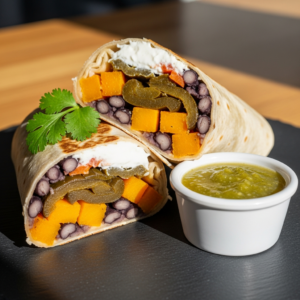
Seasonality keeps taco night exciting. In summer, tomatoes from local stands make salsas sing, and grilled zucchini lays a smoky foundation for lighter meals. Fall brings roasted squash and poblano peppers that feel cozy when evenings cool. Winter leans on citrus, jarred salsas, and pickled vegetables to add brightness when the sky is gray. Spring delivers tender greens and the first bursts of herbs, a natural reset after cold months. Let the calendar guide your topping choices, and you’ll find that eating well takes care of itself because variety becomes built-in.
On certain weeknights, the best choice might be to let someone else do the cooking. When you’re mapping out ideas, it can help to look at a thoughtfully curated set of options like a neighborhood taqueria’s menu for inspiration. You’ll see the same themes—protein, vegetables, texture, acidity—expressed in different ways, which can spark new combinations at home the next night.
Salsa as a Health Strategy
It’s worth pausing on salsa because it is the unsung hero of healthy tacos. A fresh pico de gallo is mostly vegetables, delivering hydration, vitamin C, and fiber. Roasted tomato salsas add a savory depth that reduces the need for heavier sauces. Salsa verde, driven by tomatillos, brings gentle tartness that awakens taste buds so smaller portions feel more satisfying. Spicier salsas can boost metabolism slightly and encourage slower eating as you take measured bites. When you keep two or three varieties in rotation, you keep interest high without loading meals with extras that don’t serve your goals.
If you prefer milder toppings, don’t overlook guacamole made with plenty of diced tomato, onion, and fresh lime. The combination of fiber and healthy fats promotes fullness, helping busy parents avoid late-night snacking after the kitchen is cleaned.
Food Safety and Family Confidence
Health includes safety, and tacos are a smart way to keep food handling simple. Small-batch cooking means you can heat only what you need, reducing the time perishable items spend in the temperature “danger zone.” Warm fillings to steaming, keep raw and cooked items separate, and store leftovers promptly. Because toppings are often served in small bowls, it’s easy to swap in fresh portions if dinner drags past the first wave of hungry kids. You’ll feel in control, which makes home cooking less stressful and more sustainable.
Leftovers make excellent next-day lunches. Pack components separately to preserve texture, then assemble just before eating. The variety and color will be a welcome change from the usual sandwich routine, and you can tailor each box to the eater’s preferences, reinforcing the inclusive spirit of taco night.
From Meal to Ritual
Perhaps the most surprising health benefit of tacos is cultural rather than nutritional. A taco night becomes a ritual that carves out time for conversation. At tables across Naperville—from townhomes near 95th Street Library to older homes west of the Riverwalk—families pause, pass the salsa, and talk. That social connection supports mental health, lowers stress, and reminds us that food is not just fuel but a shared experience. When dinner is easy to assemble, it’s easier to linger, and that extra fifteen minutes can do more for well-being than any single nutrient.
Over time, a modest, delicious, vegetable-forward taco routine shapes habits in kids and adults alike. You start to expect color on your plate. You reach for lime instead of extra salt. You recognize what “satisfied” feels like and stop chasing fullness that never quite arrives with ultra-processed snacks. Health emerges not from strict rules but from repeated, enjoyable choices.
FAQs
Note: The following questions reflect what I’m most often asked by Naperville neighbors looking to make taco night healthier while keeping it fun and practical.
What tortillas are healthiest for a family trying to eat better?
Corn tortillas are naturally whole-grain and offer a toasty flavor that complements most fillings. Whole-wheat tortillas are also a strong option with a soft texture many kids enjoy. The healthiest choice is the one that encourages you to load up on vegetables and lean proteins while enjoying the meal enough to repeat it weekly.
How can I make tacos work for a child who dislikes vegetables?
Start with vegetables that provide familiar textures and mild flavors—shredded lettuce, diced tomato, or cucumber—then gradually add roasted options like sweet potato or zucchini. Offer choices without pressure and let your child assemble their own taco. The autonomy encourages small experiments that add up over time.
Can tacos be part of a heart-healthy diet?
Absolutely. Focus on grilled fish or chicken, beans, avocado, and plenty of vegetables. Use modest amounts of cheese and choose salsa-based sauces over heavier alternatives. This pattern mirrors many heart-healthy principles while staying satisfying and easy to prepare.
What’s an easy way to add more protein without extra cooking?
Keep rinsed canned beans on hand. Warm them with cumin and garlic, then stir into cooked chicken or spoon alongside roasted vegetables. Greek yogurt whisked with lime makes a quick, higher-protein topping in place of crema.
How do I keep weeknight taco prep fast?
Batch-cook one or two elements on the weekend—beans, roasted vegetables, or a simple protein—then mix and match during the week. Store chopped herbs and a jar of salsa in the fridge. With these pieces ready, dinner becomes an assembly, not a project.
Are tacos a good post-practice meal for young athletes?
Yes. Tacos provide the protein, carbohydrates, and sodium balance ideal for recovery. Choose lean proteins, include a hearty vegetable component, and add a small portion of avocado for healthy fats. Encourage water alongside the meal to round out hydration.
What about sodium—do salsas and seasonings push salt too high?
Season thoughtfully and taste as you go. Fresh salsas often contain less sodium than bottled sauces, and a squeeze of lime can replace some salt while keeping flavors bright. Beans and proteins seasoned with spices rather than heavy sauces tend to stay within a reasonable range.
If this discussion has you craving a simple, nourishing dinner you don’t have to overthink, you’re not alone. Whether you want to cook at home or let a local kitchen handle the heavy lifting, take a look at the full menu, choose a colorful combination, and make tonight the start of a taco ritual that supports your family’s health with every bite.