Downtown Naperville changes mood with the time of day: morning coffee lines wind past shop windows, late lunches spill onto patios, and evenings glow with conversation. In the middle of that rhythm, tacos have evolved from a fast comfort into a canvas for craft. The newest trends are not about spectacle; they’re about refinement, community, and flavor that tells you exactly where you are. You can see it in how kitchens treat masa like a living ingredient, in how salsas lean into regional peppers, and in how pickles and herbs cut through rich, slow-cooked meats. If you want a quick lens on how these trends show up on the plate, browse a thoughtful menu and you’ll notice patterns hiding in plain sight: balance, brightness, and a respect for both tradition and play.
The Masa Movement: Tortillas with Character
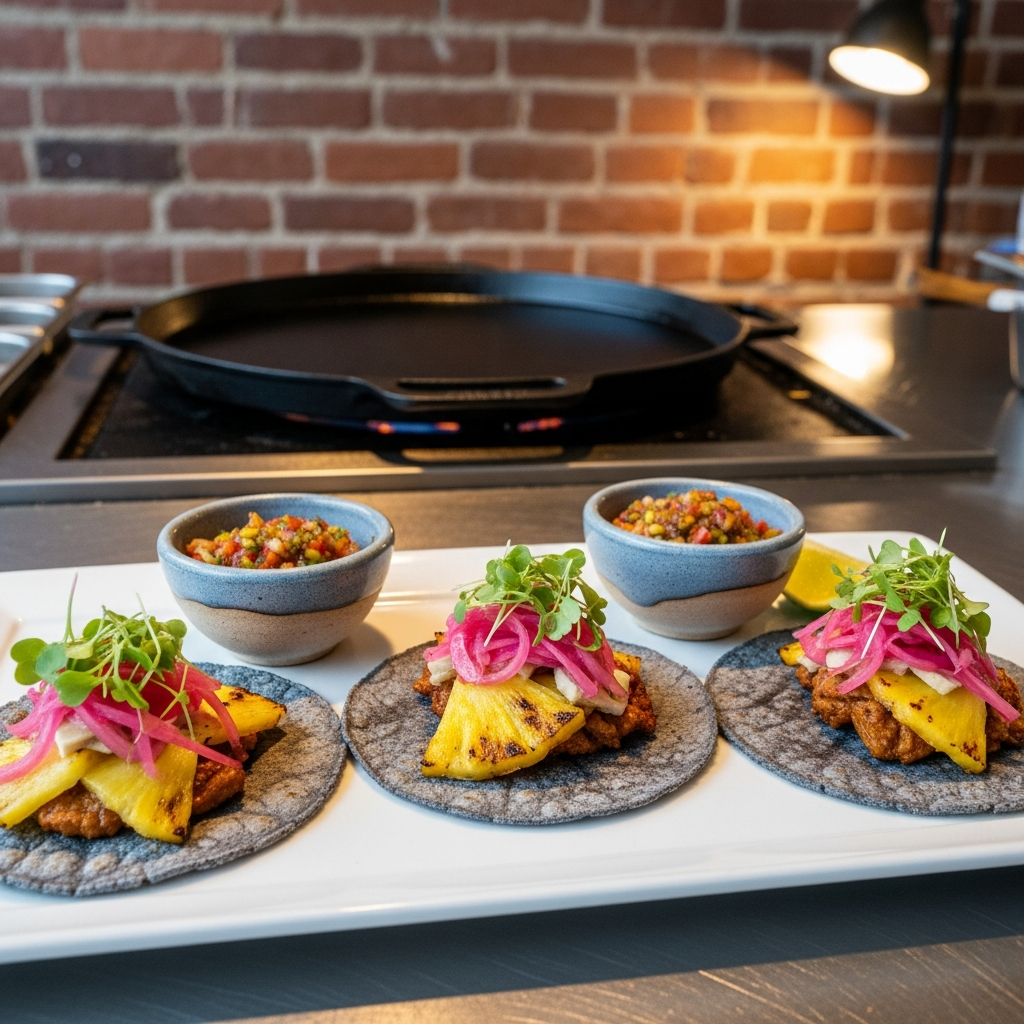
One of the most exciting shifts is attention to the tortilla itself. More downtown kitchens are treating masa with the seriousness it deserves—hydration timed to the minute, careful pressing, and a hot surface that kisses the dough just long enough to bloom aroma without drying the interior. The result is a tortilla that contributes flavor and texture rather than serving as a neutral container. Some spots experiment with blue corn for an earthy, slightly sweet note; others blend heirloom corn varieties to bring nuance that stands up to assertive fillings. For the diner, this means the first bite snaps with warmth and corn perfume, setting the tone for everything that follows.
At home, cooks mirror this trend by seeking out higher-quality tortillas and learning to warm them properly. A dry pan, a few seconds per side, a towel to rest—simple steps that transform the experience. The better the tortilla, the simpler the filling can be, which aligns with broader trends toward minimalism and ingredient clarity.
Fire, Smoke, and the Return of the Plancha
Another visible trend is the prominence of the plancha and open flame. Downtown kitchens are leaning into char and smoke to add dimension without heaviness. You’ll taste it in charred pineapple on al pastor, blistered jalapeños folded into salsas, and vegetables kissed by heat until sweet. The technique respects produce while extracting maximum flavor, a nod to sustainability and a quiet rejection of over-saucing. The plancha’s flat, fiercely hot surface creates those crisp, savory edges that make even a humble mushroom taco feel luxurious.
Home cooks follow suit with cast-iron pans and backyard grills, discovering that a quick sear unlocks depth that slow simmering can’t. This is trend as education: once you taste the difference, it becomes part of your toolkit.
Vegetable-Forward Thinking Without Compromise
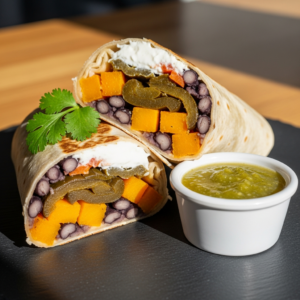
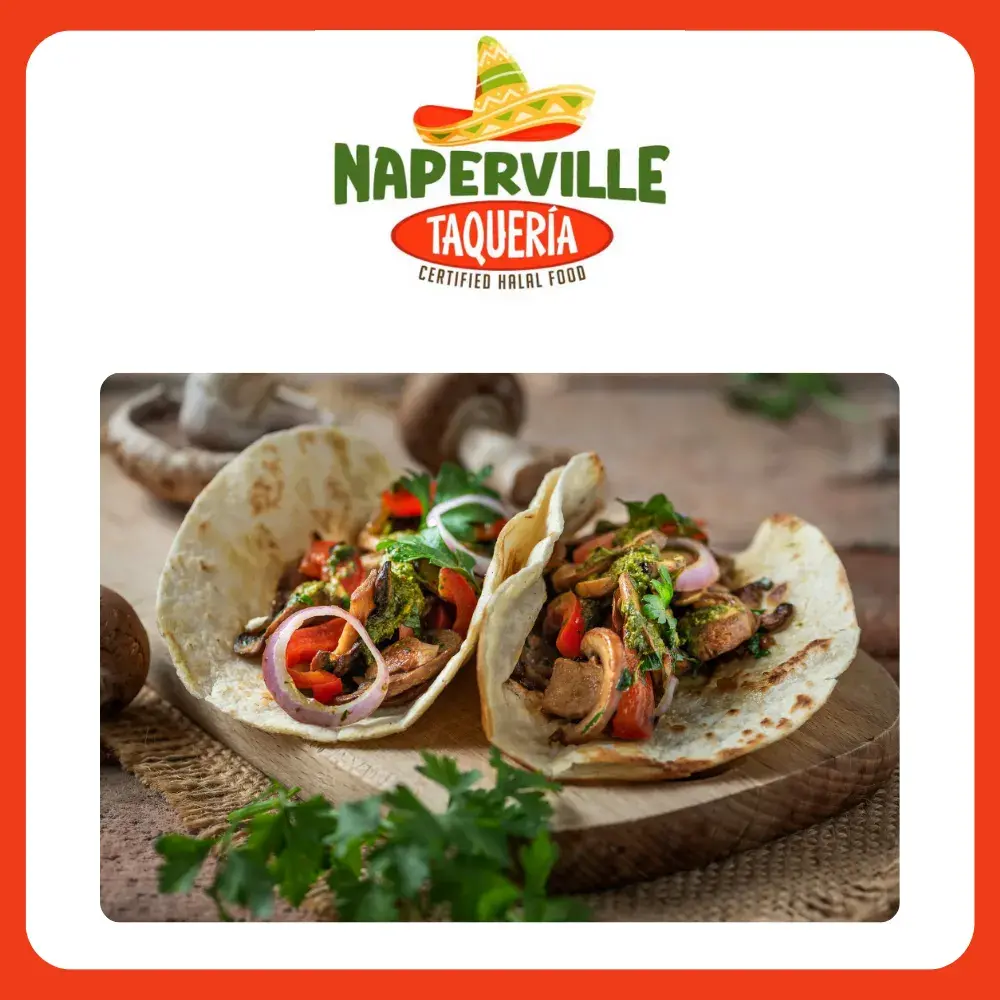
Vegetable-focused tacos aren’t an afterthought anymore; they are a draw. Chefs build layers with roasted squash, seared mushrooms, and bright slaws, then use nuts, seeds, or beans to supply richness. The key is technique. Proper browning gives mushrooms the savor of steak. A tart salsa verde balances the sweetness of roasted carrots. Pickled onions add crunch and lift, making every bite feel composed. This approach appeals to vegetarians and omnivores alike, not because it is virtuous, but because it is delicious.
The broader trend is toward optionality—menus where a diner can move between meat and vegetable tacos without feeling like they’re switching categories. That flexibility reflects downtown’s varied crowds, from business lunches to date nights to family outings.
Regional Salsas and Pepper Literacy
Salsa has graduated from a generic red or green to a vocabulary of regional styles. You’ll find Oaxacan-influenced chiles bringing smoke, tomatillo-forward verdes with a bright snap, and raw salsas that taste like a garden in July. Pepper literacy is part of the fun: guajillo for gentle warmth and color, ancho for raisiny depth, arbol for quick heat, and habanero for a tropical glow. Downtown menus increasingly annotate heat levels and flavor notes, treating salsa like wine—choose based on what you’re eating and what you like.
For diners, this means greater control. A delicate fish taco becomes a new experience with a citrus-charged salsa, while a rich beef taco wakes up under a tangy, herbaceous green. You’re not just adding heat; you’re calibrating the entire dish.
Pickles, Acidity, and the Art of Contrast
Contrast is the quiet engine of great tacos, and downtown chefs are using acidity as their steering wheel. Quick pickles show up everywhere: onions blushing pink, carrots with a gentle crunch, jalapeños tamed but still lively. A squeeze of lime at the last second remains a signature move, but now it’s joined by vinegar-kissed slaws and herb-laced dressings that keep rich proteins from feeling heavy. The effect is a cleaner finish that encourages a second taco, then a conversation about why it tasted so balanced.
Acidity also supports moderation. When a dish feels bright and complete, you need less of it to feel satisfied. That balance is part of why lunch crowds can indulge without the afternoon slump as they head back to work or stroll the river.
Sustainable Sourcing and Nose-to-Tail Respect
Sourcing matters downtown. You see it in the way kitchens talk about their tortillas, their produce, and their proteins. More places are highlighting sustainable fish, pasture-raised meats, and local herbs during peak season. Respect for the ingredient often shows up as respect for the whole animal, with lesser-known cuts marinated and grilled to tenderness. Nose-to-tail thinking brings variety to menus and teaches diners to value flavor over prestige cuts, a win for sustainability and culinary interest alike.
It’s not preaching; it’s practice. When a taco tastes incredible because the chef treated a humble cut with care, you internalize the lesson. You carry it home the next time you shop or plan a meal.
Two-Handed Crunch: Texture as a Trend
Texture has stepped into the spotlight. Crispy cheese fricos hugging a tortilla, chicharrón-like crackles from seared edges, and tender centers that contrast with bright slaws—these elements turn a bite into a small drama. The trend isn’t maximalism; it’s clarity. Each element has a job. The tortilla gives chew, the filling gives body, the salsa gives lift, and the garnish provides punctuation. When texture is tuned, a taco feels composed, not crowded.
At home, texture awareness means warming tortillas correctly, not over-saucing, and adding a crisp element—shredded cabbage, radish, or a quick pan of peppers—to keep things lively.
Low-ABV Pairings and the Rise of Refreshment
Another downtown pattern is an interest in lighter, refreshing pairings—sparkling waters with lime, nonalcoholic cocktails that mirror the brightness of the plate, and beers chosen for crispness rather than weight. The mood is about staying present, not foggy, and letting the meal carry the moment. It suits the riverfront pace, where many diners wander after they eat or head to a show with energy intact.
This trend folds neatly into lunch as well, where a balanced taco and a bright drink make for a meal that feels celebratory but doesn’t derail the afternoon. You leave feeling better than when you arrived, which is the most powerful marketing of all.
Community Tables and the Social Shape of Dining
Trends aren’t just flavors; they’re formats. Downtown spots increasingly embrace communal seating and counter-order models that keep service flowing and the social temperature warm. Tacos fit that model naturally. You can order a couple now, a couple later, share bites, and compare salsas. It turns dinner into an activity without forcing it. The food encourages curiosity and generosity, and the space reinforces both.
For families and friend groups, this makes downtown dining more flexible. You can accommodate different appetites and preferences without pressure, which keeps the focus on the experience rather than logistics.
Learning from Menus: Navigating Choice with Confidence
The best way to read trends is to read menus closely. Notice how proteins are described—grilled, braised, seared—and how salsas are named. Look for cues about tortillas, pickles, and herbs. A concise, well-edited menu reveals a kitchen’s point of view, and downtown Naperville’s point of view right now is clear: quality ingredients, technique-forward cooking, and a love for brightness and contrast.
Once you learn to see those patterns, ordering becomes intuitive. You match a richer protein with a tangy salsa, pair a delicate fish with a gentle, citrusy verde, and add a crisp slaw when the rest of the plate leans soft. You start to play along with the kitchen instead of ordering blindly, and the meal becomes a collaboration.
Bringing Trends Home: Practical Takeaways
If you’re inspired to cook, start with tortillas worth celebrating and don’t rush the warming step. Use high heat to add char to vegetables and pineapples, lean on quick pickles for lift, and keep two salsas on hand—a raw pico and a roasted red. Treat beans with respect: season them, add aromatics, and let them be more than a side. Choose one texture accent per taco so the bite feels designed. These small moves echo what downtown kitchens are doing at scale.
Above all, taste as you go. The habit that separates good from great tacos is iterative seasoning—salt, acid, heat—applied with restraint. That attention pays off, and once you’ve internalized it, you carry it to any cuisine you cook.
FAQs
Here are practical answers to the taco-trend questions I hear most often from downtown diners and home cooks.
What’s the big deal about making tortillas in-house?
Fresh, well-made tortillas contribute flavor, aroma, and texture. They allow simpler fillings to shine and elevate the entire experience. It’s the difference between a container and a core ingredient.
How do I add restaurant-level char at home?
Use high heat, a dry cast-iron pan, and avoid crowding. Let vegetables and proteins sit undisturbed long enough to develop color before flipping. Finish with a squeeze of lime to emphasize the smoky notes.
Are vegetable tacos really satisfying?
Yes—if you build them with technique and contrast. Brown your vegetables, add a protein-rich element like beans or nuts, and finish with a bright salsa and something crisp. Satisfaction comes from composition, not just protein quantity.
Which salsas should I keep on hand?
A raw pico de gallo for freshness and a roasted tomato salsa for depth cover most bases. Add a salsa verde when you want tang and a bit of heat. Rotate based on what you’re cooking.
How do I balance rich meats?
Use acidity and crunch. Pickled onions, lime, and slaws cut through fat and keep bites lively. Choose a tortilla with character so the base holds its own.
Is downtown’s focus on sustainability noticeable on the plate?
It shows up as flavor and variety. Thoughtful sourcing and respect for whole animals bring in cuts and fish that taste great when treated well, expanding options beyond the usual suspects.
Ready to taste the trends for yourself? Wander downtown with a curious appetite, and if you’d like a compass for your next order or your next home-cooked experiment, explore the full menu, pick a balanced trio, and let contrast, brightness, and great masa lead the way.