Eating With the Fox River Valley in Mind
Every meal tells a story about where ingredients come from and where their remnants go. In Naperville, that story is inseparable from the DuPage River, the Riverwalk’s elm-lined paths, and the neighborhoods that radiate out from downtown to 95th Street and beyond. Tacos—humble, joyful, and endlessly adaptable—can be a surprisingly effective lens for understanding our environmental footprint. A quick scan of a local menu reveals choices that ripple into fields, kitchens, and waste streams. As a longtime resident who has watched our dining scene mature alongside stronger sustainability efforts, I’ve learned that mindful taco habits support not just our appetites but the landscapes and waterways we love.
Environmental impact isn’t abstract here. It’s the clarity of the river after a storm, the health of our parks, the feel of summer air on the Riverwalk when traffic is light and patios are buzzing. When we talk about tacos, we’re talking about tortillas, fillings, salsas, and how each piece moves through supply chains and waste systems. That awareness leads to small, repeatable actions that add up across a community like ours.
The Tortilla’s Journey: Masa, Milling, and Miles
Start with the foundation. Corn tortillas made from nixtamalized corn have a heritage that stretches back centuries, and the modern environmental question is how that corn is grown and processed. Heirloom and regionally sourced corn can reduce transportation distances and preserve biodiversity, while careful milling practices cut down on waste and energy use. When tortillas are made close to where they’re served and warmed to order, the result is both delicious and resource-smart.
Packaging matters too. Tortillas that arrive in bulk with minimal, recyclable wrapping have a lower footprint than individually packaged stacks. In Naperville, where many families pick up takeout on weeknights, choosing restaurants that balance food safety with minimal packaging is a tangible way to vote for better systems. It’s not about perfection; it’s about consistent, better defaults.
Protein Choices and Climate Considerations
Protein is often the most consequential part of a taco’s footprint. Beef typically carries a higher greenhouse gas impact than chicken, pork, or plant-based proteins. That doesn’t mean there’s no room for tradition; it means variety is a climate ally. Rotating in grilled fish, chicken, beans, or vegetable-forward fillings cuts cumulative emissions across your monthly meals without feeling like sacrifice, especially when salsas and garnishes keep flavors bright.
Responsible sourcing also plays a role. Seafood that’s treated with respect—handled quickly, kept cold, and prepared with minimal waste—delivers both flavor and efficiency. In the Midwest, where seafood travels, restaurants that prioritize quality and careful logistics tend to reduce spoilage and energy use along the way. You can often taste that discipline in a clean, lively fish taco that doesn’t hide behind heavy sauces.
Vegetables, Seasonality, and Local Loops
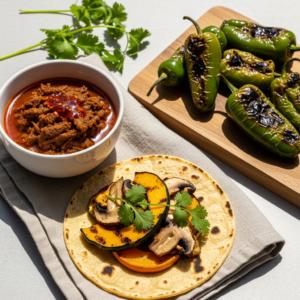
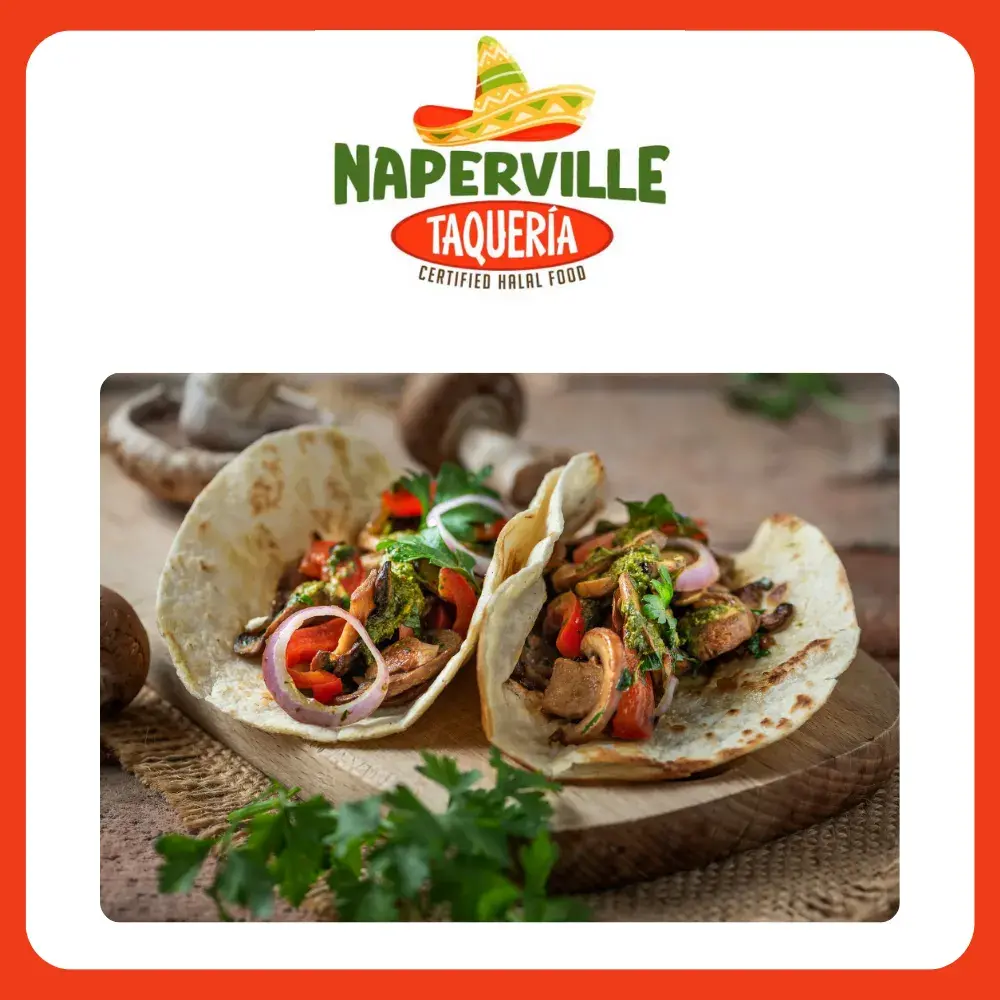
Vegetable-centric tacos are a quiet sustainability win. Roasted squash, peppers, onions, and cauliflower pair beautifully with corn tortillas and salsas while requiring fewer resources than most animal proteins. When those vegetables align with the farmers market calendar, transport distances shrink, freshness spikes, and waste decreases because produce lasts longer and gets used faster. Naperville’s appetite for seasonal eating has grown with our markets, and tacos are a natural outlet for that momentum.
Seasonal salsas, too, are planet-friendly. In summer, tomatoes and tomatillos grown closer to home can become vibrant sauces with fewer shipping miles; in colder seasons, roasted chilies and preserved elements like pickled onions help maintain interest without straining supply chains. The rhythm of the year becomes the menu’s metronome, and diners feel more connected to place with every bite.
Energy in the Kitchen: Smarter Heat, Smarter Workflows
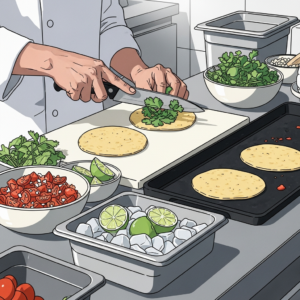
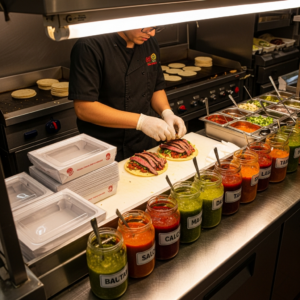
Kitchens are energy hubs. Griddles, burners, and ovens all consume power, and the most efficient taco operations choreograph heat carefully. Tortillas should meet the comal briefly and purposefully; proteins should move from marinade to sear to rest without idling; and salsas are often best made in batches that maximize the output of a single roasting session. When restaurants dial in these rhythms, they reduce energy use and increase consistency—benefits that savvy Naperville diners notice in cleaner, brighter flavors.
Front-of-house choices matter as well. Water service that’s available on request, streamlined POS systems, and efficient lighting contribute to a lower overall footprint without compromising hospitality. Taken together, these choices form the invisible backbone of sustainable dining.
Packaging, Plastics, and the Takeout Equation
Naperville loves its patios, but takeout is a permanent part of our routine. The environmental question is how to package tacos for travel while avoiding excess. Compostable or recyclable containers that actually perform—keeping tortillas warm and components separate—help minimize sogginess and waste. Offering condiments in right-sized portions avoids mountains of untouched packets, and keeping wet items separate reduces the chance of discarding a meal that went limp in transit.
As diners, we can help by declining extras we don’t need—sauces, utensils, napkins—especially for meals eaten at home. Small actions replicated across thousands of orders lead to meaningful reductions in waste, which you’ll see reflected in cleaner streets and lighter bins after weekend rushes downtown.
Food Waste: Designing for the Second Meal
One of the smartest sustainability strategies for tacos is planning their second life. Beans reheat beautifully; roasted vegetables slide into breakfast; extra salsa crowns a grain bowl. When restaurants and home cooks portion thoughtfully and provide clear storage guidance, leftovers get used rather than tossed. Naperville households are great at this kind of pragmatic planning, and it dovetails with our community’s appetite for efficient, satisfying meals during busy weeks.
On the restaurant side, prep that aligns with demand curves—more tortillas pressed during peak hours, fewer during lulls—reduces losses. Creative specials that use trim and surplus produce can be delicious and eco-savvy, turning potential waste into a weekend highlight.
Transportation and the Local Map
Transportation is a quieter contributor to a meal’s footprint, but it adds up. Choosing taco spots within walking distance of your downtown errands, bundling trips, or aligning a meal with a Riverwalk stroll consolidates car time and energy use. The density of Downtown Naperville makes these choices easy: you can meet a friend for tacos, browse a bookstore, and catch a performance without starting your engine again.
For restaurants, coordinating deliveries, optimizing routes, and working with suppliers who do the same can shrink behind-the-scenes miles. Those efficiencies often translate into fresher ingredients and tighter quality control—benefits that diners taste even if they never see the logistics.
Water, Cleaning, and the Backstage of Sustainability
It’s not just ingredients; it’s also what happens after service. Efficient dishwashing practices, eco-conscious cleaning products, and well-maintained equipment cut resource use and chemical runoff. In a town that treasures its waterways, every bit of improvement behind the scenes helps protect the DuPage River. Diners who notice clean, thoughtfully run dining rooms are seeing the public face of systems that likely extend into greener back-of-house routines.
Training staff to portion sauces correctly, track inventory, and rotate stock also reduces both water and food waste. The net effect is a kitchen that hums rather than sputters—better for the planet and better for your plate.
Community Education: The Friendly Feedback Loop
Sustainability sticks when it’s social. Conversations at the table—about why corn tortillas were chosen, how a vegetable filling can be just as satisfying, or which containers are truly recyclable in our area—build a culture of small, savvy decisions. Naperville’s strength is in how neighbors share information. When diners reward eco-conscious practices with loyalty, restaurants amplify those practices, and a virtuous cycle takes hold.
Schools, libraries, and community events also keep the conversation going. Cooking demos that highlight seasonal tacos, talks about food waste reduction, and neighborhood cleanups near the Riverwalk turn good intentions into habits that last.
Mid-Meal Mindfulness
In the middle of a busy day, slowing down to choose what’s on your plate with intention can feel luxurious—and powerful. A quick peek at a thoughtful menu helps you steer choices toward grilled proteins, seasonal vegetables, and salsas that rely on acidity rather than heavy sauces. Those micro-decisions reappear later as lighter bags on trash day and cleaner countertops after takeout nights. Multiply that across families from Cress Creek to Ashbury, and you can feel the difference in the texture of our town.
Mindfulness also means using what you order. If you realize halfway through lunch that you’re full, save the rest with an eye toward its next purpose. A leftover taco deconstructs easily into a bowl later, and salsas can brighten tomorrow’s eggs. Waste avoided is impact reduced.
Looking Ahead: What Sustainable Tacos Might Mean Next
The next wave in Naperville will likely deepen the focus on masa quality, vegetable-led specials, and durable, low-waste packaging. I expect more collaboration with regional growers, plus clearer labeling that guides diners toward lower-impact choices without lecturing. Technology—smarter ordering, accurate prep timing, and real-time feedback—will tighten operations and trim waste further. The result should be tacos that taste even more alive because the systems behind them are healthier and more precise.
Just as our Riverwalk was built through steady, collective effort, a greener taco culture grows one decision at a time. Everyone gets a role: cooks, diners, suppliers, city services. The outcome is tangible—cleaner parks, lighter bins, and meals that hum with clarity and care.
Frequently Asked Questions
Q: What’s the single easiest way to lower the environmental impact of my taco order?
A: Rotate in plant-forward tacos and grilled chicken or fish more often. Over weeks, shifting some meals away from higher-impact proteins meaningfully reduces your footprint without sacrificing flavor.
Q: Do corn tortillas have an environmental advantage?
A: Often, yes—especially when masa is milled locally or regionally, reducing transportation and supporting biodiversity in corn varieties. Quality corn also tends to mean better flavor, a win-win.
Q: How can takeout be more eco-friendly?
A: Choose restaurants that use recyclable or compostable containers that perform well, decline extra utensils and sauces you don’t need, and portion leftovers for a second meal to reduce waste.
Q: Are seafood tacos sustainable in a landlocked state?
A: They can be when sourcing and handling are careful, reducing spoilage and emphasizing freshness. Ask questions; places that handle seafood well are usually proud to explain their approach.
Q: What role do salsas play in sustainability?
A: Salsas built on seasonal produce and acidity can keep meals bright without relying on heavier, resource-intensive sauces. They also help leftovers stay appealing, reducing waste.
Q: How can families teach kids eco-savvy eating through tacos?
A: Use taco night to talk about seasons, leftovers, and sorting recyclables. Let kids help choose a vegetable filling and pack next-day lunches from dinner components—they’ll take pride in the process.
Ready to Eat With Naperville’s Landscape in Mind?
Invite a friend for a Riverwalk stroll that ends with tacos built from seasonal vegetables, balanced salsas, and thoughtful packaging. Start by browsing a conscientious local menu, then enjoy a meal that tastes like our town—bright, caring, and ready for tomorrow.