Even the most beloved taquerias in Naperville face their share of everyday hurdles. The city’s rhythm is quick, lunch windows are tight, and family evenings can turn from calm to crowded in a heartbeat. Between downtown’s walkable bustle and the steady hum near 95th Street, challenges appear at the counter, on the line, and in those crucial minutes between pickup and first bite. The good news is that experienced local teams have learned to anticipate most of them. If you have ever wondered why your favorite shop suddenly moves the line faster, why a salsa tastes smoother than last week, or how tacos can still hold together after a ten-minute drive home, you are witnessing solutions that have been quietly refined over many busy services.
Understanding these common issues—and the fixes that work—helps you order smarter and appreciate the craft humming behind each plate. It also means you can enjoy your meal more, knowing how much thought goes into serving a taco that tastes effortless. Peek at the menu and you will also see how offerings are designed to balance flow, flavor, and travel in a way that makes sense for the neighborhoods they feed.
Long lines and the lunch-hour crunch
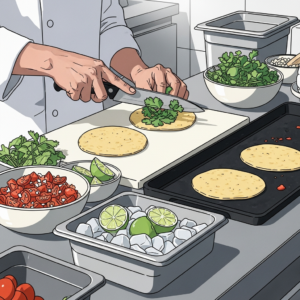
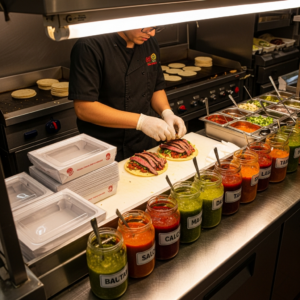
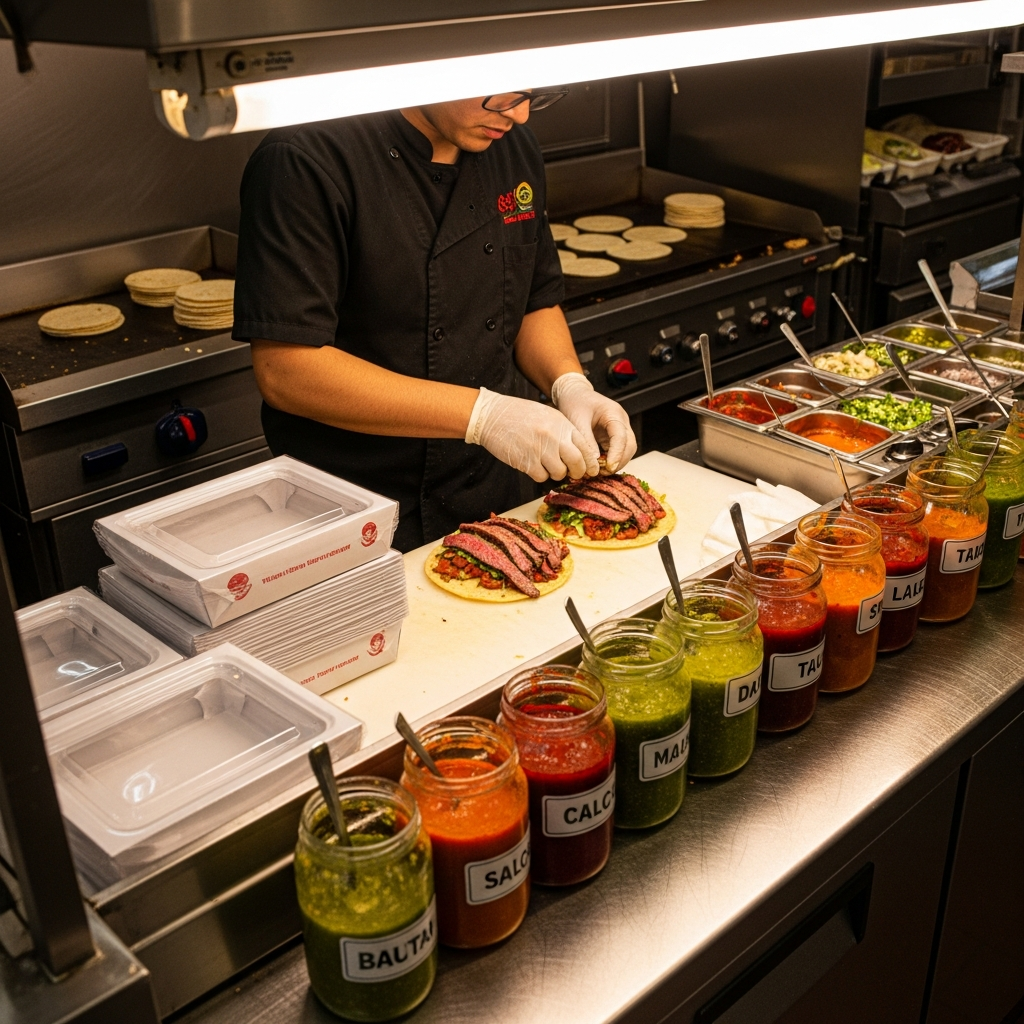
On bright days downtown or after school lets out, lines can stretch. A slow line erodes heat, mood, and trust. The best shops fight this on multiple fronts: staggering prep so slow-cooked items are finished just before the rush, assigning clear stations for the plancha, salsa, and assembly, and tightening the menu during peak windows so every movement counts. Guests feel the benefit as a steady, forward motion—no awkward pauses, no hunts for missing items, and no cold tacos waiting on a garnish. Behind the scenes, it is choreography: meat rests while tortillas warm, salsas are within easy reach, and hands know exactly where to go next.
As a guest, you can help the flow by deciding on your order while in line and asking quick questions early. Staff can then offer concise guidance—verde or roja today, extra lime or not—and move your order into the rhythm that keeps the kitchen singing.
Parking and pickup timing
Between errands on Ogden Avenue and weekend events downtown, parking can turn a quick pickup into a stress test. Many taquerias have set pickup shelves and explicit staging times so your order is still at peak when you arrive. Timing is a craft: proteins are rested so juices stay put, tortillas are warmed as you check in, and salsas are added with travel in mind. If you arrive early, staff may hold the assembly for a minute to preserve texture. If you arrive late, they may swap a tortilla or reheat judiciously. These micro-decisions protect the few minutes that determine whether a taco lands beautifully or not.
Call-ahead or online ordering windows are tuned to neighborhood patterns. That way, your ten-minute drive from south Naperville aligns with the last warm press of your tortillas, and the first bite at home tastes the way it should.
Keeping tacos intact during travel
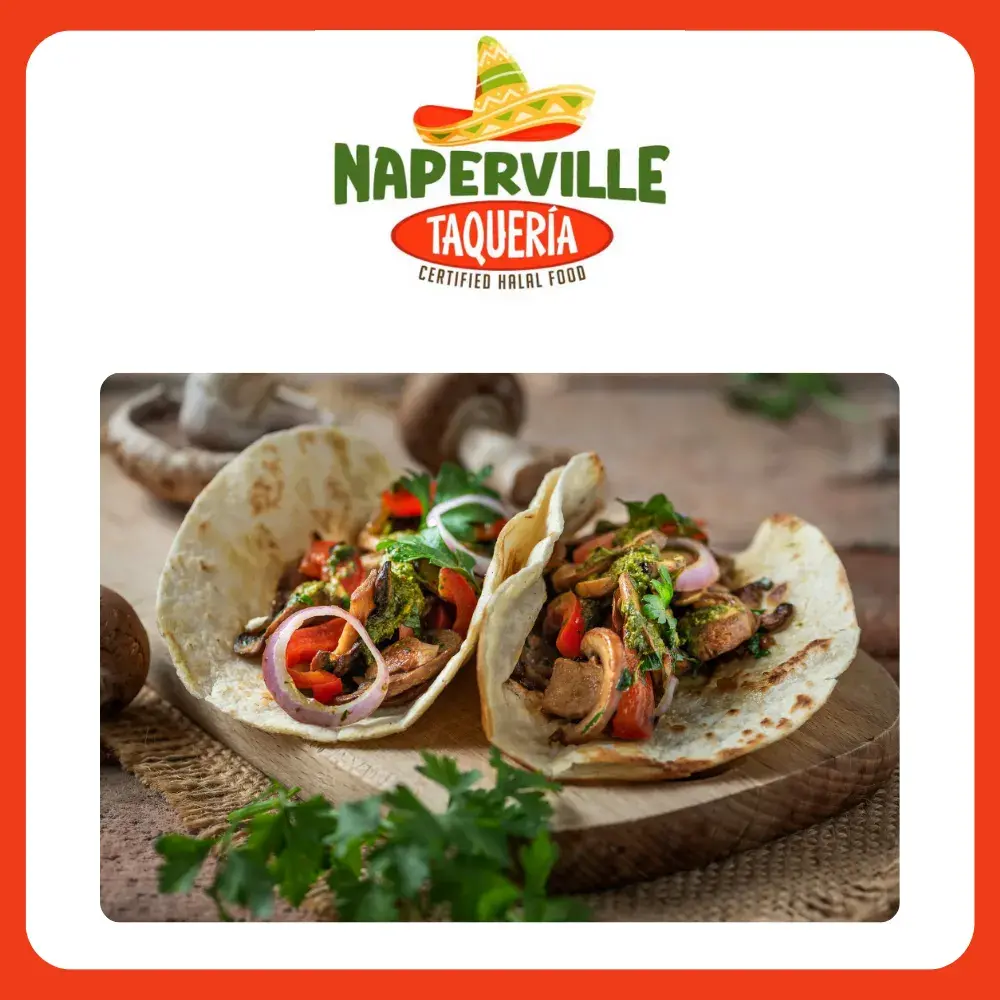
No one likes a soggy taco. This is where build strategy matters. Shops are layering salsas that cling rather than run, setting protein moisture correctly, and using tortillas warmed to the point of pliability without steam overload. Some lightly toast tortillas for travel resilience, creating a surface that resists soaking while staying soft. Garnishes are chosen for structure—shredded cabbage for crunch that lasts, onions and cilantro added in the right measure for freshness without wateriness. Containers are vented just enough to avoid condensation without losing heat. The result is a taco that makes it across town looking and tasting the way it did at the counter.
At home, open the lid, let steam escape for a breath, and then eat. That tiny step can make as much difference as any kitchen tweak.
Heat level confusion
Spice should be a note, not a siren. One common issue is uncertainty about salsa heat. Peppers vary by batch and season, and what was medium last week may be lively today. Good taquerias taste each salsa before service and adjust acid, salt, and roast to keep balance. At the counter, staff translate that day’s reality into clear guidance: bright and mild, warm and roasty, or toasty with a delayed kick. When that conversation happens early and plainly, guests land on the right pairing and leave happier.
If you are unsure, ask for a small taste or start with the verde and add heat slowly. A well-made salsa complements rather than dominates; you will know it is right when everything tastes more like itself.
Inconsistent protein texture
Rushed service can tempt shortcuts, leading to dry chicken, tough steak, or carnitas that lack crisp edges. The fix begins long before the rush. Proteins are marinated with enough time for penetration, not just surface flavor. They are rested properly so juices redistribute, and finishing techniques are consistent—quick sears for steak, careful pulling and a final toast for carnitas. During peak times, the best kitchens stage small, frequent batches rather than one big pan that goes dull. That way, every portion tastes like it was cooked for you, because it essentially was.
As a diner, you will notice the difference in how easily a taco bites through and how the flavors stay balanced from start to finish. It is the kind of consistency that keeps you from second-guessing your usual order.
Allergens and cross-contact worries
In a compact line, ingredients live close together, and guests reasonably worry about cross-contact. Experienced teams build the line to create natural barriers—dedicated utensils for salsas, separate containers for potential allergens, and clearly marked positions for finishing items. When you mention an allergy, the team can pivot to fresh gloves, a clean surface, and a direct path through assembly that avoids risk. Because menus are focused, staff know what is in each component and can answer questions confidently. Clarity and repetition, not luck, are what keep people safe.
Communication helps. Share your needs up front and let the staff confirm the plan. You will feel the difference in how calmly and carefully your order moves down the line.
Weather and patio challenges
Naperville weather can turn on a dime. A sudden breeze across the Riverwalk cools plates quickly; a hot afternoon pushes salsas toward droopy. Savvy taquerias adapt by warming plates a touch more when the air runs cold, tightening salsa textures during heat waves, and coaching guests toward combinations that will hold better in that moment. If the wind is up, staff might suggest slightly heartier builds; if the sun is blazing, they will lean you into brightness and crunch. Those micro-adjustments protect your experience against the elements we cannot control.
Takeout is part of the weather plan, too. On stormy days, the best shops pack smarter and cue pickup so your food spends less time waiting. That way, you are greeted by warmth and structure when you pop open the lid at home.
Overcrowded menus
It is tempting to be everything to everyone, but too many items slow the line and dilute quality. Naperville’s better taquerias fight bloat by focusing on core builds and a few thoughtful specials. This makes prep tighter, execution cleaner, and flavors brighter. As a guest, you benefit twice: you order faster and you eat better. A smaller, sharper lineup still offers variety because salsas and garnishes create a wide flavor lattice without overwhelming the kitchen.
If you catch yourself scanning a wall of options, look for house favorites and seasonal notes. Those are the dishes with the most care behind them, and they are likely to taste the way the kitchen hopes they will.
Miscommunications at the counter
During a rush, small misunderstandings compound—wrong salsa, extra onion when you asked for none, or a missed lime wedge. The cure is choreography and language. Clear questions, repeated preferences, and a final glance before the handoff catch most errors. Many teams echo the order back in concise phrases—protein, salsa, garnish—so the assembly line stays in sync. You will notice the difference when your tray lands exactly as requested, even after a busy stretch.
As a guest, speaking in that same rhythm helps. Lead with protein, name your salsa, mention changes cleanly, and confirm the count. You and the kitchen will meet in the middle, and the food will reflect it.
Balancing dine-in and takeout
A line that serves both tables and travelers has to pace itself like a good runner. Too much focus on one side and the other suffers. The solution is split staging: separate finishing lanes during peaks, or a dedicated handoff person who watches both clocks at once—the table’s and the car’s. You will see it when food for the room maintains heat and crispness while to-go orders arrive with structure intact. It is not magic; it is systems tuned over countless services and a team that stays calm when tickets stack.
As a diner, your part is simple: time your arrival with readiness texts or quoted windows and plan a short breath between pickup and first bite. That meeting in the middle protects texture and temperature, which are where tacos live or die.
Staff training and turnover
Great tacos come from muscle memory as much as from recipes. Training smooths the rough spots when new staff join the line. Smart shops keep a simple playbook: how to warm a tortilla, where each salsa sits on the spectrum, how long to rest each protein, and how to build for travel. Shadowing during peak hours and tasting before service keep everyone calibrated. You can taste the benefits in the confidence of each handoff and the evenness of every bite.
Guests sense that steadiness and return to it. Over time, the kitchen’s collective memory becomes part of the neighborhood’s comfort.
FAQ
How can I avoid long waits during lunch?
Arrive a little early or a touch late—before noon or after one-thirty—and know your order before you step to the counter. The best shops pace their line, but your timing helps you slip into the flow. If you are taking out, place your order ahead so the kitchen can stage it for peak freshness when you arrive.
What should I do if I am sensitive to spice?
Say so up front and ask which salsa is tasting gentlest that day. Peppers vary, and staff will know. Start with a tomatillo-based verde or pico de gallo, then adjust. A well-built taco does not need heat to taste complete; spice should complement, not dominate, the other elements.
How do I keep tacos from getting soggy on the way home?
Open the lid for a moment to vent steam, apply salsas gradually, and eat soon after pickup. If the shop lightly toasts tortillas for travel, that helps a lot. Keep containers level in the car and avoid stacking hot items that could steam each other. These small moves add up to a better first bite.
Why do some menus feel smaller than they used to?
Focused menus protect quality and speed. By concentrating on core items and a few specials, kitchens can prep more precisely, move faster during a rush, and plate food that tastes sharper. Variety still exists through salsas, garnishes, and rotating features, but the line stays efficient and flavors stay consistent.
What if I have an allergy?
Tell the staff as soon as you order. Good taquerias will switch gloves, use a clean surface, and route your build to avoid cross-contact. Because the team knows every ingredient, they can confirm safe choices. Clear communication and a compact menu make it much easier to serve you with confidence.
How do taquerias manage busy patios in unpredictable weather?
By adjusting heat, timing, and builds to the moment. On cold, breezy days, plates may be warmed a touch more and builds lean heartier. On hot days, salsas are tightened to stay crisp and garnishes shift toward items that handle warmth. Smart packing and staggered pickup protect takeout when storms roll in.
If you are ready to see how a well-tuned team turns common issues into a smooth, satisfying meal, visit your neighborhood spot and let them guide you. A quick scan of the menu will help you order with confidence, and the rest will take care of itself—warm tortillas, bright salsas, and a plate that reminds you why simple food, done right, always wins.