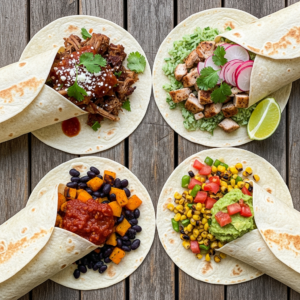
In Naperville, the seasons don’t just color the trees along the Riverwalk; they trace a flavor map across our plates. Burritos become a kind of compass you can carry in one hand, pointing to warmth in January and garden brightness in July. Over years of chilly walks, sunny picnics, and the occasional sprint through summer rain along Washington Street, I’ve learned that the best burrito is the one that listens to the weather. It’s a small kind of wisdom, but a meaningful one: when we align our fillings with the season, we eat better, enjoy more, and feel like we’re part of the rhythm that moves our town. If you’re curious where to begin, glance at the menu and consider how winter, spring, summer, and fall each suggest their own perfect combinations.
Winter in Naperville tests your commitment to warmth. The wind edges down Jefferson Avenue and finds you no matter how you wrap your scarf. This is when burritos become thermal blankets you can hold. Hearty proteins—slow-cooked carnitas, richly marinated carne asada, or a robust bean-and-mushroom combo—offer comfort that lingers long after you’ve brushed the snow from your sleeves. A flour tortilla, well-warmed on the plancha, releases a toasted aroma that hits like a friendly hello. Inside, choose brown rice for slow-burning energy and add grilled onions and peppers for sweetness and depth. Salsa roja or a smoky chipotle brings that campfire hum you want on a day when your fingers need coaxing to warm up. Keep wetter ingredients like pico toward the center to avoid a soggy edge if you’re taking a short walk to a park bench, and tuck your foil-wrapped burrito into an insulated bag to retain heat during transit.
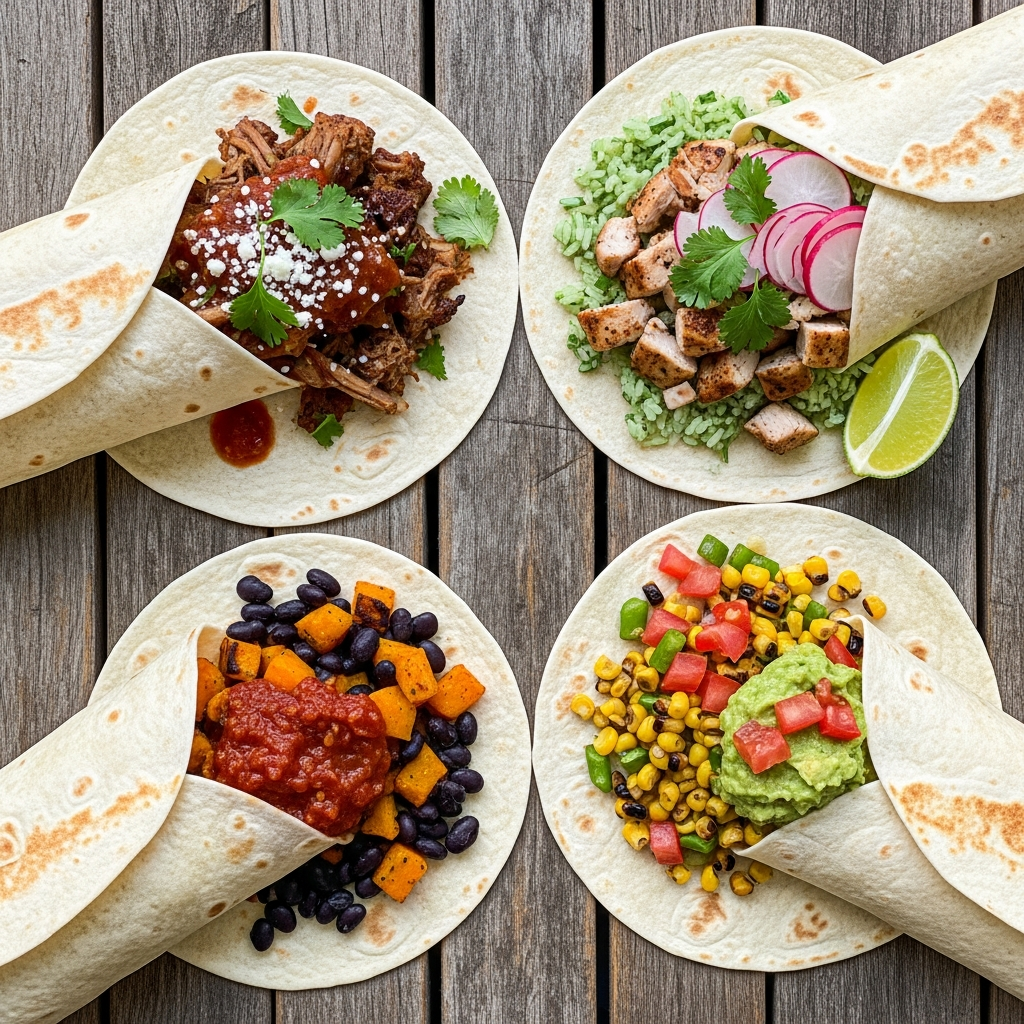
As winter tilts toward spring, our palates start to crave something brighter. The first consistently sunny afternoons on the Riverwalk feel like a whispered promise that green things are returning. In your burrito, reflect that shift by dialing up acidity and crunch. Think grilled chicken or sofritas for a lighter protein profile, then layer in crisp romaine, pico de gallo, and maybe a handful of radish slices for a peppery snap. Cilantro-lime rice amplifies the season’s lift, and salsa verde provides tang that wakes up your senses without burning them. You’ll notice you eat a little slower in spring, taking in the scenery while your food mirrors the clean, cool air. If you’re planning a picnic near Central Park, ask for salsas on the side so the tortilla keeps its structure while the sun does its gentle work.
By the time summer settles in, Naperville goes technicolor. Farmers Market stands overflow with tomatoes that taste like sunshine, sweet corn that barely needs cooking, and peppers in every shade of green. Burritos become a celebration of all that abundance. Choose a tortilla that can hold up—whole-wheat for a nutty backbone or a classic flour with a perfect blister. Inside, roasted corn, ripe tomatoes, and charred peppers do the heavy lifting, while black beans provide heft without heaviness. Grilled chicken or a plant-forward sofritas can float easily among all those fresh notes. A squeeze of lime and a generous spoon of salsa verde or pico de gallo complete the picture. When you’re headed to Rotary Hill for a blanket dinner, keep your burrito horizontal and rotate it as you eat so the juicier summer ingredients stay balanced from first bite to last.
Summer also invites playfulness with heat. While a winter burrito might lean on smoky depth, a hot July evening calls for brightness—jalapeño’s citrus zip or a light brush of arbol for a clean burn. Remember that high heat plus high moisture can slide quickly into sogginess, so keep creamy additions modest and rely on crunch to carry the texture. If you’re outdoors, consider asking for guacamole in a thin layer rather than a thick scoop to preserve snap under the sun’s warmth.
Then fall arrives, and everything tilts toward cozy again. The maples flare, the evenings sharpen, and we start to look for dishes that bridge daylight and sweater weather. In burritos, roasted squash or sweet potatoes make brilliant seasonal additions. Their natural sweetness pairs well with cumin and a touch of chipotle, while black beans or pinto beans bring the grounding bass note. Carne asada or a chile-rubbed turkey gives you that satisfying post-game or post-hike sustenance. Salsa roja or even a blended salsa with roasted tomatoes echoes the caramelized edges of fall produce. If you’re catching a football game at a local field, wrap the burrito tight, and tuck it into your jacket pocket between bites like a personal hearth.
Each season also nudges our approach to moisture. In winter, the cold saps warmth quickly, so slightly hotter fillings and a snug foil wrap keep the burrito cozy without steaming it into mush. In spring, you’ll want to guard against rain or sudden chill: position wet ingredients toward the center and fold the endcaps firmly so a gusty walk doesn’t redistribute your dinner. Summer’s big flavors carry plenty of juice, so a rice layer near the tortilla acts as a sponge; meanwhile, fall’s roasted vegetables can be rich, and a bright pico can cut through with the acidity you need to maintain balance.
Naperville’s activity calendar shapes burrito choices as much as the weather. During the school year, a compact, protein-forward burrito with modest salsa keeps kids energized through choir or practice. In the relaxed weeks of summer, a vegetable-lush burrito turns dinner into a picnic game where everyone swaps bites and argues (fondly) about which salsa is best. Autumn’s weekend hikes invite heartier versions that slip neatly into backpacks and taste amazing by a lakeside bench.
Portability is a year-round concern, and there are small tricks to keep the eating experience intact. Always request a warmed tortilla; it resists tearing in winter and stays flexible in summer. Ask for even layering rather than big dollops to prevent clumping. Rotate the burrito every few bites so no single seam takes all the stress. When you’re walking along Washington Street, keep the burrito horizontal in the bag so gravity doesn’t pool the juicier components at one end.
Flavor contrast is the throughline in any season. Brightness from lime or tomatillo salsa complements richness from beans, cheese, or guacamole. Heat should enhance, not dominate, especially in summer when your palate is already primed by the outdoor air and in winter when your senses crave depth more than burn. Texture deserves equal attention: raw crunch in spring and summer, char and caramel in fall and winter. That interplay is what makes a burrito feel composed rather than random.
If you’re ordering for a group, let the season guide your base decisions. In winter, a round of warm, red-salsa-leaning burritos will unify the table even when preferences differ. In summer, favor green salsas, pico de gallo, and fresh corn across the board so everyone gets a taste of the same sunshine. Offer a plant-based option alongside meat-based ones to keep the menu nimble and the conversations inclusive.
Leftovers behave differently across the calendar. In winter, reheat a half-burrito in a dry skillet and cover it briefly to coax warmth deep into the center; the contrast of a lightly crisped exterior and steamy interior is deeply satisfying. In summer, when your kitchen is already warm, a short skillet refresh without a lid keeps the tortilla from getting too soft. In all seasons, finish with a squeeze of lime or a spoon of fresh salsa to wake the flavors back up.
At its heart, seasonal burrito eating is about respect—for the weather, for the produce that sings right now, and for the ways we move through our town. It asks you to notice what your body wants on a given day and to trust that a simple format can hold a lot of nuance. The first bite of a winter carnitas burrito eaten on a bench with a view of the DuPage River’s icy edges tells a different story than a summer sofritas burrito shared on a blanket by Rotary Hill—and both stories are worth hearing.
Frequently Asked Questions
Q: What’s the best burrito strategy for a very cold day?
A: Choose a hearty protein, a warmed tortilla, and a salsa with smoky depth. Keep wetter toppings near the center, wrap tightly, and stash the burrito in an insulated bag to preserve temperature during your walk.
Q: How can I keep a summer burrito from getting soggy?
A: Use rice as a moisture buffer near the tortilla, ask for guacamole in a thinner layer, and rotate the burrito as you eat so juicy tomatoes and salsas stay distributed.
Q: What seasonal vegetables work best in burritos?
A: Winter loves grilled onions and peppers; spring leans toward crisp lettuce and radishes; summer shines with roasted corn and ripe tomatoes; fall welcomes roasted squash or sweet potatoes, balanced with a bright salsa.
Q: Are plant-based burritos satisfying across seasons?
A: Absolutely. Pair sofritas or mushrooms with beans for structure, lean on seasonal vegetables for character, and use salsas and lime to add lift. The result feels full and energetic without heaviness.
Q: How should I reheat a leftover burrito in different seasons?
A: In winter, use a dry skillet with a lid for thorough warmth; in summer, skip the lid to keep the tortilla from steaming. In every season, finish with a bright element to revive freshness.
Make the Season Delicious
Naperville gives you a new way to enjoy a burrito every few months. Let the weather and the produce guide your choices, lean into contrasts that feel good, and savor the details. When you’re choosing what to fold into your next wrap, browse the menu, pick what matches the day, and take that first, perfectly seasonal bite.