Seeing Beyond the Sizzle
Taquerias thrive on sensory appeal—the snap of a tortilla on the griddle, the scent of roasted chiles, the colorful rows of salsas. In Naperville, where neighborhood dining is part of daily life, these cues help us decide where to grab lunch between errands or dinner after a walk along the Riverwalk. But amid all that charm, how do you tell the difference between a truly high-quality taqueria and one that just looks the part? Local diners can trust their senses and a few reliable markers to make the call. A smart first step is to glance through the menu and see how tightly it’s curated—clarity often reflects confidence.
Quality is a chain of small decisions repeated consistently. Any weak link can diminish the experience. Fortunately, the signs are usually in plain sight if you know where to look and what questions to ask.
Issue 1: Tepid Tortillas
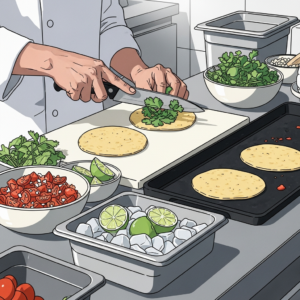
Let’s start with the foundation. A lukewarm, stiff, or brittle tortilla can flatten even the best filling. In a quality-focused Naperville taqueria, tortillas are warmed properly and handled gently so they arrive soft and flexible. If you notice tortillas cooling on the plate or cracking as soon as you pick them up, that’s a red flag. Ask nicely if the kitchen can refresh them—how they respond will tell you a lot. A good team will either fix it immediately or explain how they’re addressing the issue during a rush.
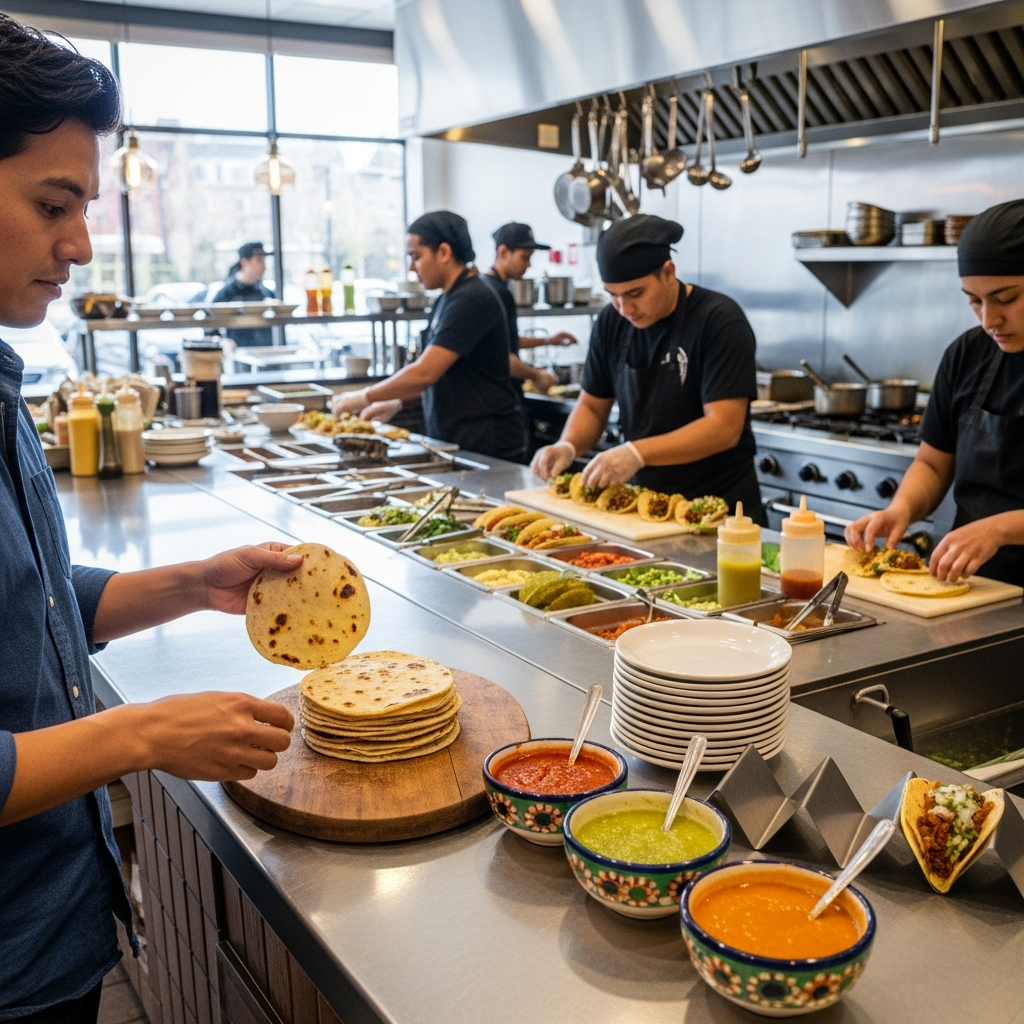
While you wait, watch how tortillas cycle through the kitchen. Are they being warmed to order? Do they rest briefly before service? These steps preserve texture and flavor.
Issue 2: Unbalanced Salsas
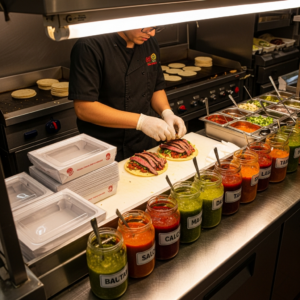
A great salsa carries brightness, heat, and depth. A common issue is salsa that’s either too sharp (all acid, no body) or too dull (all smoke, no lift). In Naperville’s best spots, salsas are tuned like instruments: roasted notes for warmth, raw elements for freshness, and a measured acidity to tie everything together. If every salsa tastes the same or feels flat, ask if there’s a special or a recent batch to try. Kitchens that care about quality love that conversation—it signals that flavor matters to you.
Another tell is texture. Overly watery salsas can soak a taco into submission; an overly chunky mix might overwhelm each bite. The sweet spot is a texture that clings lightly and complements the filling.
Issue 3: Overcooked or Underseasoned Proteins
Consistency with proteins separates the good from the great. Overcooking leaves meat dry and crumbly; under-seasoning makes every bite forgettable. A high-quality taqueria manages heat precisely and seasons with restraint so the character of each protein shines. For carne asada, you want a gentle char at the edges and juice in the center. For carnitas, look for tender shreds that taste gently seasoned rather than salty. For al pastor, expect balanced sweetness and spice with a pleasing char.
If you’re not sure, try a single taco first and adjust your order accordingly. Most teams appreciate guests who fine-tune their choices—it shows you’re paying attention to the craft.
Issue 4: Sluggish Lines and Fuzzy Communication
Quality shows up in process, not just on the plate. A chaotic line, unclear ordering system, or inconsistent pickup routine can sour an experience. Naperville taquerias that prioritize quality often have clear signage, a natural flow at the counter, and staff who explain the process to first-timers without making them feel rushed. If something goes wrong during a rush—an order ticket gets lost, for instance—listen for how the staff communicates. Calm, specific updates are a good sign.
This extends to takeout. Well-labeled containers, salsas packed thoughtfully, and tortillas kept warm all suggest a kitchen that respects the food from stove to table.
Issue 5: One-Note Menus Disguised as “Simple”
Simplicity is a virtue, but sameness is not. A menu that offers ten fillings but they all taste indistinguishable signals a deeper issue. High-quality taquerias keep menus focused while ensuring each item earns its place. Seasonal specials or a featured salsa often indicate a kitchen that’s engaged and proud of its work. If you like to plan ahead, peeking at the menu can help you spot signs of that engagement before you visit.
Issue 6: Neglected Details in the Dining Room
Clean, organized, and thoughtfully stocked stations reflect a team’s mindset. Naperville diners expect tidy tables, neatly arranged self-serve areas, and a general sense of order. If napkins, utensils, or salsa cups run empty for long stretches, or if tables aren’t being reset regularly, the kitchen may be under strain. It’s not about perfection; it’s about care. When teams reset quickly and stay attentive, you can trust they’re applying that same discipline behind the counter.
Listen, too. A kitchen with purpose has a rhythm that sounds coordinated, not frantic. Short, clear communications amid the sizzle tell you there’s a plan at work.
How to Spot Quality Quickly
Start with your nose. The aroma should match what you see: roasted chiles, warm corn, citrus, and the savory edges of grilling. Then, look at the tortillas—are they warm and pliable? Taste a salsa and check for balance. Finally, observe the team during the order: do they ask questions, offer guidance, and handle adjustments with ease? These small checks add up to a reliable snapshot of quality.
When something’s off, the most telling moment is how the staff responds. Do they offer to refresh tortillas, swap a salsa, or remount a taco that didn’t travel well? That quick, solution-focused posture is a hallmark of proud kitchens.
Why These Details Matter in Naperville
Naperville’s dining culture rewards care. Residents balance busy schedules with high standards, and the places that thrive are those that streamline the experience without diluting flavor or hospitality. A high-quality taqueria doesn’t just feed you well—it respects your time, your preferences, and the trust you place in a familiar counter. It becomes a reliable stop before a concert at the park, after a library visit, or between errands on 75th Street.
Over time, the best spots feel like extensions of our neighborhoods. They make it easy to bring visiting friends, feed a team after a game, or sneak in a quick lunch on the way back to the office. Those day-to-day wins are what turn a good taqueria into a beloved one.
FAQ
What’s the quickest way to evaluate a taqueria?
Start with tortillas and salsa. If tortillas are warm and flexible and the salsa tastes balanced and bright, you’re likely in good hands. Then notice how the staff communicates during ordering and pickup.
How do I ask for adjustments without being a bother?
Be specific and polite. Ask for a touch more char, a lighter hand with onion, or a recommendation for a milder or spicier salsa. Quality-focused teams appreciate clear preferences and respond well.
What if a dish isn’t right?
Say something right away. A good taqueria will fix it fast—refresh tortillas, swap a salsa, or remake a taco. Their response is as important as the fix; attentive teams build trust in these moments.
Do menus change often?
Many Naperville taquerias rotate specials or salsas seasonally. A glance at the current menu can reveal what’s new and which items the kitchen is especially excited about.
Is cleanliness a real indicator of kitchen quality?
Yes. Orderly, well-stocked stations and promptly reset tables usually mirror disciplined practices behind the scenes. It’s a practical window into how a kitchen operates.
Ready for a Better Taqueria Experience?
Naperville offers plenty of options, but the best experiences come from places that sweat the details. Trust your senses, ask questions, and notice how teams respond. When you’re ready to plan your next visit, take a quick look at the menu, then stop by with a friend and enjoy the kind of quality that turns a simple meal into a small moment of joy.