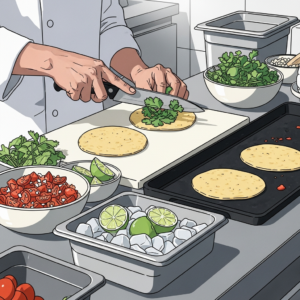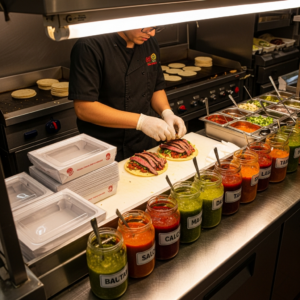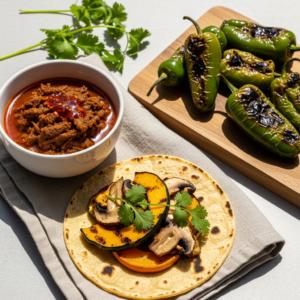
In Naperville, the places we count on most are the ones that fit easily into our daily routes. A neighborhood taqueria is one of those anchors, as familiar as the turn onto Washington or the first view of the Riverwalk at dusk. It is a room where the music is easy, the grill sizzles like steady rain, and the rhythm of service feels as natural as the way people step aside for strollers on a busy Saturday downtown. When a taqueria thrives in a neighborhood, it becomes more than somewhere to eat. It becomes a connector—a spot where teams gather after a win, where a quick takeout night becomes a small tradition, and where flavors tell the story of how this city welcomes people from everywhere and lets them feel at home.
For anyone who has stood by the counter while onions flash on the plancha and tortillas bloom with warmth, the appeal is obvious. Choices are clear, flavors are honest, and the welcome is sincere. If you are deciding where to head this week, take a look at the menu that sits behind the counter and in the hands of the cooks. You will notice it reflects the neighborhood itself—families who like a mellow salsa verde for the kids, office regulars who crave something brighter between meetings, and weekend explorers who want that bolder chile profile after a Riverwalk stroll. In other words, a neighborhood taqueria matters because it listens, and listening makes food better.
The daily rhythm that steadies a city
Naperville moves with a pace that changes by the hour. Mornings are for dog walkers and coffee runs along Jackson. Afternoons form soft lines of students near Jefferson, and evenings gather families at the parks off 95th Street. A good taqueria learns that rhythm and syncs with it. Orders are staged to move quickly right before the lunch surge; the team knows which days spill into longer dinners; the grill heats in anticipation of the first wave rather than reacting to it. That foresight matters. It keeps meals consistent and makes the space feel welcoming even when it is busy, because you can sense there is a plan humming in the background.
Consistency, in turn, builds trust. When you know that the al pastor will carry its signature citrus and spice, that the carne asada will land with a gentle char and a squeeze of lime, and that the tortillas will hold together like a promise, you stop worrying about what to order and start thinking about who you want to share it with. That small mental shift is powerful. It turns a restaurant into a habit and a habit into part of the story of how you live here.
Food as a neighborhood handshake
Walk into a neighborhood taqueria often enough, and the introductions never really stop. A cook tells you about a new salsa negra that got an extra roast on the chiles. Someone points out that the pico is particularly lively this week because the tomatoes came in just right. You hear about a favorite combination you would not have dreamed up—grilled chicken with the tomatillo salsa and a hit of lime—and suddenly that becomes your Tuesday order. These exchanges are more than friendly chatter; they are how a neighborhood tastes like a neighborhood. The menus do not change dramatically overnight. Instead, they calibrate gently to reflect the conversations happening across the counter.
That sense of shared authorship gives the food a different kind of meaning. You are not just choosing a dish; you are joining a dialogue that includes the cook who marinated the meats, the family who loves extra cilantro, and the student who swears by an extra splash of roja. It is a flavor language that belongs to this corner of town, and once you are fluent, you will notice when it is speaking particularly well on any given day.
Small kitchens, nimble hearts
Independence is an advantage. A neighborhood taqueria can shift with the weather, spotlighting a roasted salsa and braises when the wind blows cold across Naperville, then brightening things with fresh tomatillos and citrus when summer takes over the Riverwalk. If the peppers arrive hotter one week, the team adjusts the salt and acid to keep the balance. If corn is especially sweet, the tortillas get a little extra time on the heat to release that fragrant edge. None of this requires a committee. It is a conversation between cooks, ingredients, and the people who will eat the food later that day.
That nimbleness extends to hospitality. If your child needs something gentle, or you prefer an extra char on your carne asada, the request is not a disruption. It is a small way of saying, We see you, and we can make this yours. Over time, those gestures add up to a place that feels genuinely local—not because of a sign out front, but because the kitchen and the guests move in sync.
The social glue of a shared table
Neighborhood taquerias are often the backdrop for our in-between moments—the quick lunch after a dentist appointment on Gartner, the low-key dinner before a concert, the easy pickup after practice. In those moments, the food does something bigger than satisfy hunger. It creates a pocket of calm inside a busy day, a place where the biggest decision is which salsa to choose. That simplicity is its own luxury in a city where schedules stack up easily. You walk in, your shoulders drop, and you leave with something that tastes like it took more time than it did, because someone else was doing the careful work for you.
Those shared pockets add up to a sort of commons. You see regulars without needing to know their names, you bump into a neighbor you meant to text, and you realize you have been eating versions of the same meal during all sorts of life moments—first days of school, after big tests, when work was too heavy, when celebrations deserved a casual toast. A neighborhood taqueria becomes the shorthand for how a community takes care of itself on ordinary days.
Flavor that travels well
In Naperville, a lot of us live by the car clock. Pickups, drop-offs, short drives between errands—life rarely pauses. A neighborhood taqueria understands that reality and builds food to handle it. Tacos are assembled to keep structure on the move, salsas are portioned so they do not drown the tortilla, and packaging keeps heat without turning steam into sogginess. You can carry dinner across town and still taste the crisp edges on carnitas or the brightness of a tomatillo salsa. That kind of reliability makes the difference between merely convenient and truly satisfying.
The other side of this is knowing when to linger. When there is a breeze coming off the water downtown or a quiet stretch before the evening crowd, a taqueria gives you a reason to slow down. Sit, listen to the rhythm of the grill, and let the day reassemble itself while you eat something simple and perfect. That flexibility—to serve both the rushed and the unhurried—makes a neighborhood taqueria matter in ways a place designed only for speed never could.
Passing flavor forward
Neighborhood taquerias are also classrooms, though no one calls them that. Kids learn the names of salsas, how to add lime without overdoing it, and the difference between heat and flavor. Teenagers discover that cilantro is not just green confetti but a note that ties a bite together. Parents figure out the best combinations to keep everyone happy without complicating the order. Over time, families develop a shared vocabulary of taste, a small but lasting cultural inheritance that starts at a counter and finds its way to the dinner table at home.
And because a neighborhood spot is close by, visits are frequent enough to let that learning feel natural. You do not have to make a plan weeks in advance or cross town for something special. You just stop in, ask what is good today, and keep exploring. The kitchen, in turn, learns you—your needs, your favorites, your curiosity—and that two-way familiarity strengthens the fabric of the neighborhood.
Where decisions stay close to the stove
One of the most important reasons a neighborhood taqueria matters is that choices are made by the people who cook and serve you. If a salsa needs more smoke because the tomatoes are slightly sweeter this week, the team does it. If a marinade is leaning too bright, the cook adjusts the balance of citrus and spice. There is no delay, no request for approval. That immediacy keeps flavors honest and lets the kitchen keep pace with the raw materials of the day. It also means that when you share a preference or offer feedback, it goes straight to someone who can use it.
That loop—taste, adjust, serve, listen—does not just make better tacos. It makes a better place to eat. It encourages curiosity and pride, and you can taste both. Over time, you will trust that your food is the result of care, not coincidence, and that trust is what brings you back on the days when deciding where to eat feels like one decision too many.
Midweek habits, weekend joys
Ask a Naperville regular why they keep returning to their neighborhood taqueria and you will hear the same themes. It is easy, it is welcoming, it always hits the spot. But there is another layer: a sense that the place is part of how they organize a week. Wednesday lunch becomes a touchstone because it feels like fuel without fuss. Saturday dinner becomes a small celebration because it manages to be casual and special at once. When a meal fits both those roles, you have found something worth keeping close.
If you like to plan ahead—and most of us do by necessity—spending a minute with the menu helps shape those habits. You start to see how flavors match your week. Maybe roasted, heartier profiles land better on busy days, while bright, citrusy notes refresh the mood when you have time to unwind. That sort of pattern turns eating into a rhythm rather than a scramble.
FAQ
Why does a neighborhood taqueria feel more welcoming than larger places?
Because the scale is human. You talk to people who cook your food, and they talk back in the best way—by remembering your preferences, refining suggestions, and treating your meal as something personal. The room is sized for conversation, not for moving crowds. That closeness invites warmth, and warmth makes food taste better because it relaxes you long before the first bite.
How does a local taqueria adapt to Naperville’s seasons?
Small teams can pivot quickly. When peppers arrive with more heat, the salsa gets an extra thread of acidity to keep balance. When tomatillos are particularly bright, the kitchen leans on them for a salsa verde that sings. Cooler weather encourages roasted and braised notes, while summer brings lighter, citrus-forward flavors. The result is a menu that moves with the Riverwalk breeze and the first cold snap, not against them.
Is a neighborhood taqueria good for takeout on busy nights?
Yes, and that is part of why it matters. Food is built to travel without falling apart. Tortillas hold, salsas complement rather than soak, and packaging protects heat without turning everything to steam. That reliability eases stress on nights when you need dinner to be simple and good, not a compromise you tolerate.
How do taquerias handle different heat levels for families?
By guiding you. Staff will steer milder palates toward salsa verde, pico de gallo, or a creamy element, while pointing adventurous eaters to bolder chiles that bring toast and depth rather than blunt fire. Because menus are tight and ingredients are known, adjustments are smooth—no fuss, just the right balance for everyone at the table.
What should first-time visitors order?
Start with a taco trio that spans styles—something bright like pollo asado with lime, something rich like carnitas, and a classic like carne asada or al pastor. Taste salsas side by side, then lock in your favorite pairing. From there, ask about a house specialty or a weekend item. The kitchen will often light up when you try the dish they are especially proud of that day.
How does a neighborhood taqueria contribute to the local community?
Through presence and participation. Staff volunteer at school events, sponsor teams, and post flyers for neighborhood happenings. More importantly, they create a steady, affordable ritual for families and friends to gather. That constancy—open lights, friendly faces, reliable food—builds the everyday glue a neighborhood needs.
Can a neighborhood taqueria satisfy both traditionalists and experimenters?
It can, and the best ones do. Tradition shows up in well-made classics and careful technique. Experiment shows up in specials, seasonal salsas, and small twists that reflect what guests are asking for. Because choices stay close to the stove, the kitchen can explore without losing its roots, and guests can do the same.
When you are ready to make a neighborhood ritual out of great flavor, stop by your local spot and let the grill do the talking. If you want a nudge before you go, browse the menu for ideas, then swing in for a warm welcome, a plate that fits your day, and a reminder of why Naperville feels like home in the first place.