Cleanliness You Can Feel the Moment You Walk In
In Naperville, we value spaces that match our city’s pride—welcoming, well-kept, and thoughtfully run. A taqueria’s cleanliness is more than a first impression; it’s the foundation of trust. When you step inside after a stroll along the Riverwalk or a quick stop from errands on Route 59, the room should feel organized and fresh. Floors should be tidy, tables reset promptly, and counters free of spills. The air should carry the aromas of warm tortillas, grilled meats, and bright citrus, not lingering smoke or stale grease. Long before your first bite, cleanliness sets the tone for the experience. It’s a standard that Naperville diners recognize instantly, even as they glance at the menu to chart their order.
Cleanliness is not cosmetic; it’s operational. It speaks to training, leadership, and systems that keep the kitchen humming through the lunch rush and into dinner. When teams share a disciplined approach to prep, service, and reset, the dining room and the plate benefit equally.
Front-of-House Standards
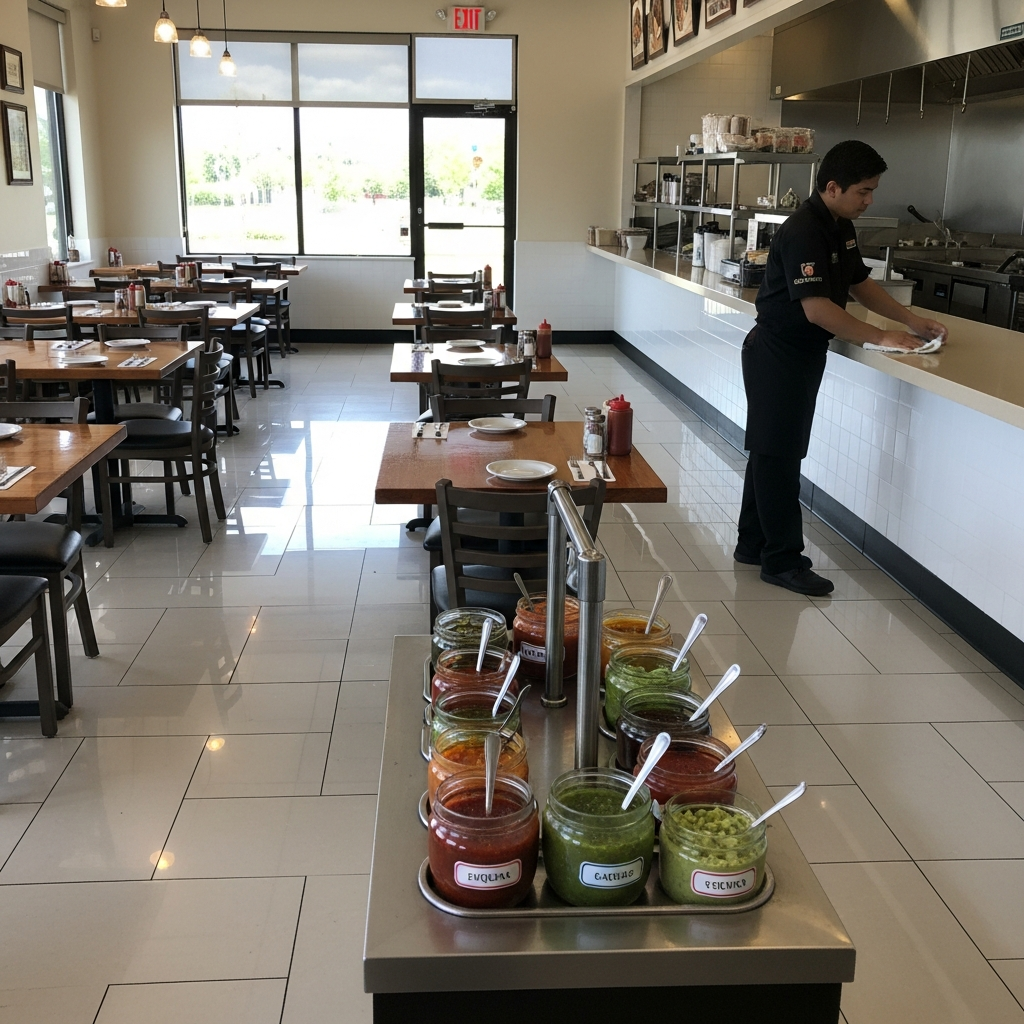
A well-run taqueria approaches the front-of-house like a stage that resets between scenes. Tables are wiped promptly with clean cloths; condiments and napkins are replenished before they run out; and trash receptacles are emptied frequently to prevent overflow. Doors and windows are clear of smudges, and floors are swept on a cadence that keeps traffic lanes safe and presentable even during peak hours. These habits contribute to a steady sense of calm, so guests can focus on flavor, not clutter.
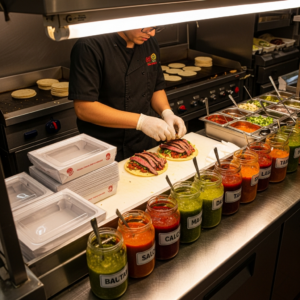
Signage also speaks volumes. Clear, neatly presented menus and ordering instructions reduce congestion and help first-time visitors feel comfortable. A tidy salsa station with properly labeled options and clean serving utensils is another hallmark of a disciplined operation. If you see staff tidying between guests and taking initiative to keep everything neat, you can trust the same care is happening behind the counter.
Back-of-House Discipline
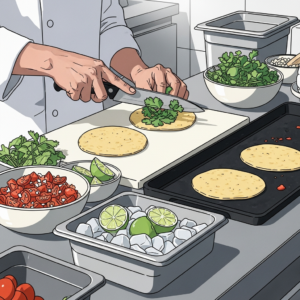
Behind the scenes, cleanliness starts with mise en place—everything in its place. Cutting boards should be rotated and sanitized, knives stored safely, and prep surfaces cleared regularly. Food storage areas must be labeled and dated, with raw and ready-to-eat items separated to avoid cross-contamination. Refrigeration temperatures are monitored, and holding units are cleaned on a schedule that prevents buildup. These practices are not just best-in-class; they’re essential to consistent, great-tasting food.
Ventilation matters, too. Properly maintained hoods and filters keep the kitchen air clean and reduce lingering odors in the dining room. You’ll notice the difference in the way the restaurant smells during the dinner rush: warm, savory, and inviting instead of heavy or smoky.
Handwashing, Gloves, and Food Safety
Nothing signals professionalism like visible food safety practices. Staff should have easy access to designated handwashing stations stocked with soap and paper towels. The rhythm of service should include frequent, proper handwashing—before starting prep, after handling raw proteins, and after any task that could introduce contamination. Gloves, if used, should be changed between tasks and never serve as a substitute for hand hygiene.
Look for cues like hair pulled back, clean uniforms or aprons, and minimal jewelry on prep staff. These details, while small, highlight a culture that treats cleanliness as non-negotiable.
Equipment Upkeep and Preventive Maintenance
Cooks rely on equipment that performs predictably. Grills, planchas, and fryers should heat evenly and be cleaned at schedules that balance performance with longevity. Dull knives or worn tongs can slow service and compromise precision; sharp, well-maintained tools speed the line and improve consistency. Refrigerators and coolers should seal properly and maintain steady temperatures; broken gaskets or condensation buildup are signs maintenance is overdue. In a city where expectations run high, Naperville diners rightly interpret tidy, well-kept equipment as a sign of a kitchen that takes pride in its craft.
Preventive maintenance is the unsung hero of cleanliness. Regular filter changes, descaling of dish machines, and scheduled deep cleans prevent the kind of last-minute scrambles that distract from service and flavor. When the basics are in order, the team can focus on making great food.
Thoughtful Waste and Allergen Management
Waste handling is another window into discipline. Trash and recycling should be separated and removed frequently, with bins placed strategically to support speed without inviting clutter. Staff should wipe down surfaces promptly and replace containers that show residue. For allergen management, clear labeling, separate storage, and careful handling protocols are essential. Even if a kitchen can’t guarantee allergen-free environments, teams can minimize risk by communicating openly and following well-defined procedures.
Guests notice this care in little moments—clean tongs at the salsa station, fresh spoons for each batch, and staff who are quick to swap utensils that fall or touch the wrong ingredient. These gestures earn trust.
Cleanliness and Speed Can Coexist
Some diners assume that a spotless restaurant must be slow or overly formal. Taquerias in Naperville prove otherwise. The most efficient lines are also the cleanest, because organization accelerates everything. When prep stations are tidy and labeled, cooks can assemble dishes with a musician’s confidence. When front-of-house flows make sense, guests move smoothly from order to pickup without bottlenecks. That clarity translates into shorter waits and hotter, fresher plates.
It’s no coincidence that the same places with gleaming counters serve tortillas that arrive warm and pliable, salsas that taste vibrant rather than muddled, and proteins cooked to the right doneness. Cleanliness and quality are twins.
What Diners Can Look For
As a Naperville local, you can spot cleanliness by following your senses and a few simple observations. The room should smell enticing, not stale. Surfaces should be free of sticky residue, and staff should clean spills quickly. Watch how the team handles utensils at the salsa bar—do they stay in their containers, and are they replaced regularly? Notice how takeout orders are packed: Are salsas sealed cleanly, tortillas kept warm, and proteins separated from garnishes that could wilt? These are all signs of a well-tuned system.
Don’t hesitate to ask questions. A professional team will explain how they sanitize, how often stations are reset, or how they prevent cross-contamination. If you have dietary preferences or concerns, clear answers delivered with confidence indicate good training.
Culture: The Real Engine of Cleanliness
Policies matter, but culture sustains them. In outstanding taquerias, every team member—from the person pressing tortillas to the person wiping tables—feels responsible for a clean, safe environment. Managers lead by example, jumping in to reset a station or wash hands alongside everyone else. That example becomes habit. In Naperville’s best-run kitchens, you can sense the pride: a steady cadence of small actions that keep the place humming without fanfare.
Culture shows up during the crunch times. When a rush hits, quality-focused teams don’t let standards slip. They move faster, yes, but they also stick to the basics—changing gloves, washing hands, resetting surfaces—because they know that cleanliness protects both flavor and the guest’s trust.
Why It Matters Here
In a community that prizes good schools, well-kept parks, and a vibrant downtown, we expect the same care from the places we eat. A taqueria’s cleanliness is part of how it belongs to Naperville—ready for families after a soccer match, professionals between meetings, or friends gathering before a show. That reliability is why locals return, and why visitors leave with a strong impression of our dining culture.
FAQ
What should I check first when I walk into a taqueria?
Scan tables and floors for tidiness, glance at the salsa station for clean utensils and labels, and notice the aroma. Clean, organized spaces with inviting scents are strong indicators that the kitchen is equally disciplined.
How often should stations and tables be reset?
During peak hours, teams should be resetting constantly—wiping, restocking, and clearing to keep the flow smooth. Between rushes, deeper resets should prepare the line for the next wave.
Is a spotless dining room enough to prove the kitchen is clean?
It’s a good sign, but not the whole story. Look for operational tells—handwashing stations in use, gloves changed between tasks, and organized prep areas visible from the counter. Those details confirm back-of-house discipline.
How do taquerias handle allergens responsibly?
By labeling ingredients clearly, storing potential allergens separately, and following strict handling protocols. While not all kitchens can guarantee allergen-free environments, transparent communication and careful procedures significantly reduce risk.
Does cleanliness slow down service?
Done right, it speeds it up. Organized stations, labeled storage, and disciplined habits remove friction, which keeps the line moving and food quality high.
Take the Next Step Toward a Cleaner, Better Meal
When you’re ready to experience the difference that disciplined cleanliness and maintenance make, stop by your neighborhood taqueria in Naperville. Bring a friend, trust your senses, and enjoy the ease of a well-run space. To plan your order in advance, browse the menu, then head over with an appetite—the team will handle the rest with care you can taste.