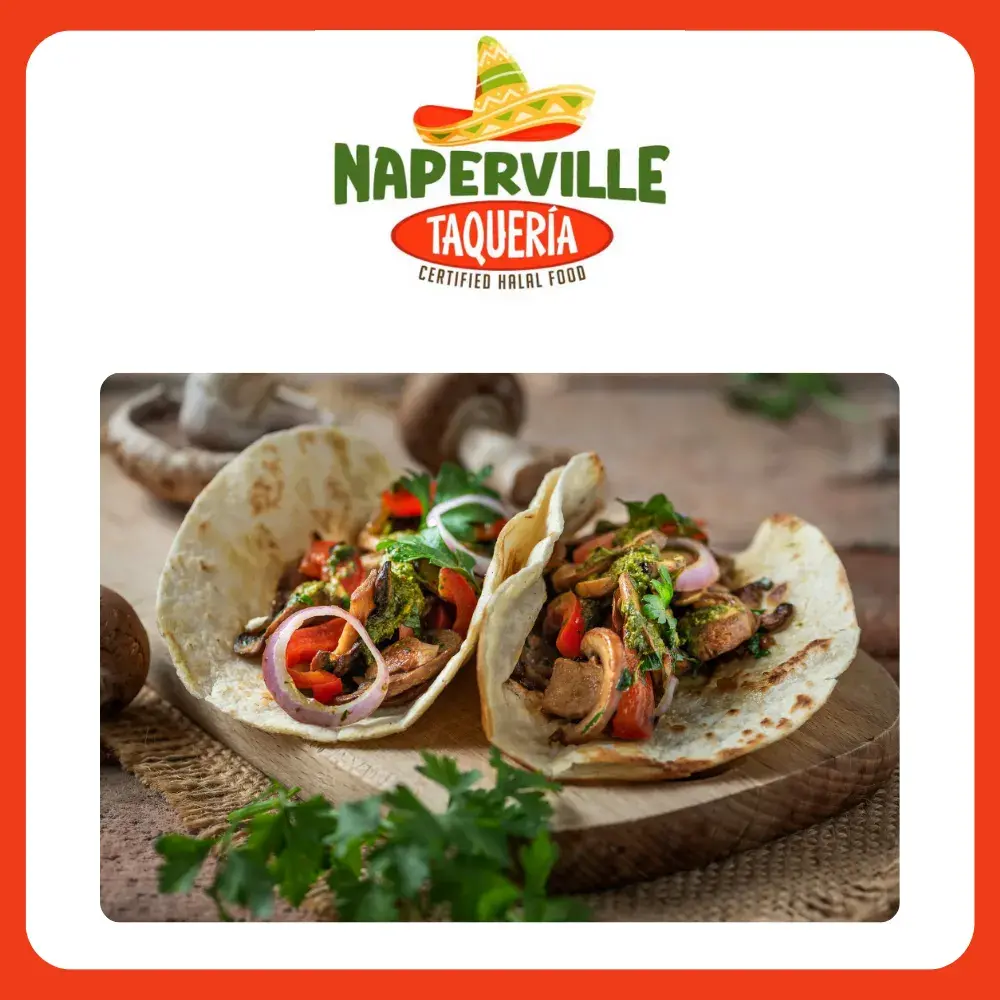
Naperville’s taco culture thrives on trust. We gather after walks along the Riverwalk, crowd patios when the first warm evenings arrive, and huddle into cozy booths when the wind turns sharp off the prairie. Through the seasons, what keeps us coming back to tacos halal is a blend of big flavor and careful practice. Freshness and safe handling aren’t add-ons; they’re the backbone of a great meal. If you’re curious how your favorite kitchens protect that promise—or how to bring the same care to home taco nights—a quick look at a local spot’s menu can spark ideas for balanced fillings, bright salsas, and smart pairings that start with good habits.
Halal standards shape the entire flow of an operation, from the moment ingredients arrive to the second your tacos hit the table. In a busy Naperville kitchen, that means storage zones are clearly marked, tools are dedicated, and staff know exactly how to move from grill to garnish without crossing lines. For guests, those invisible systems translate into food that tastes lively, feels light, and sits comfortably—whether you’re grabbing a quick lunch on Washington Street or settling into a long catch-up dinner with friends near 95th Street.
Freshness begins with sourcing
Safe handling starts before a single tortilla warms. Reputable halal suppliers provide documentation that travels with every delivery. Managers check labels, verify dates, and log temperatures the minute boxes arrive. Meats and produce get routed to the right shelves immediately, guarding against the kind of mishaps that lead to dull flavors and wasted effort.
In Naperville, where kitchens often receive deliveries multiple times a week, tight coordination matters. A chef may build specials around what’s peaking—fragrant cilantro, snappy radishes, and tomatoes that actually smell like summer. When ingredients are genuinely fresh, you need less intervention to make them sing, and that’s the point. Halal tacos taste best when the cook’s job is to reveal flavor, not disguise age.
Storage, prep, and the rhythm of the line
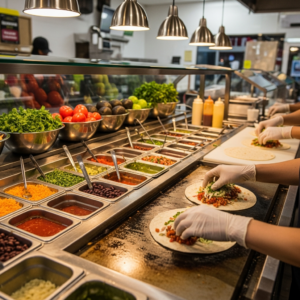
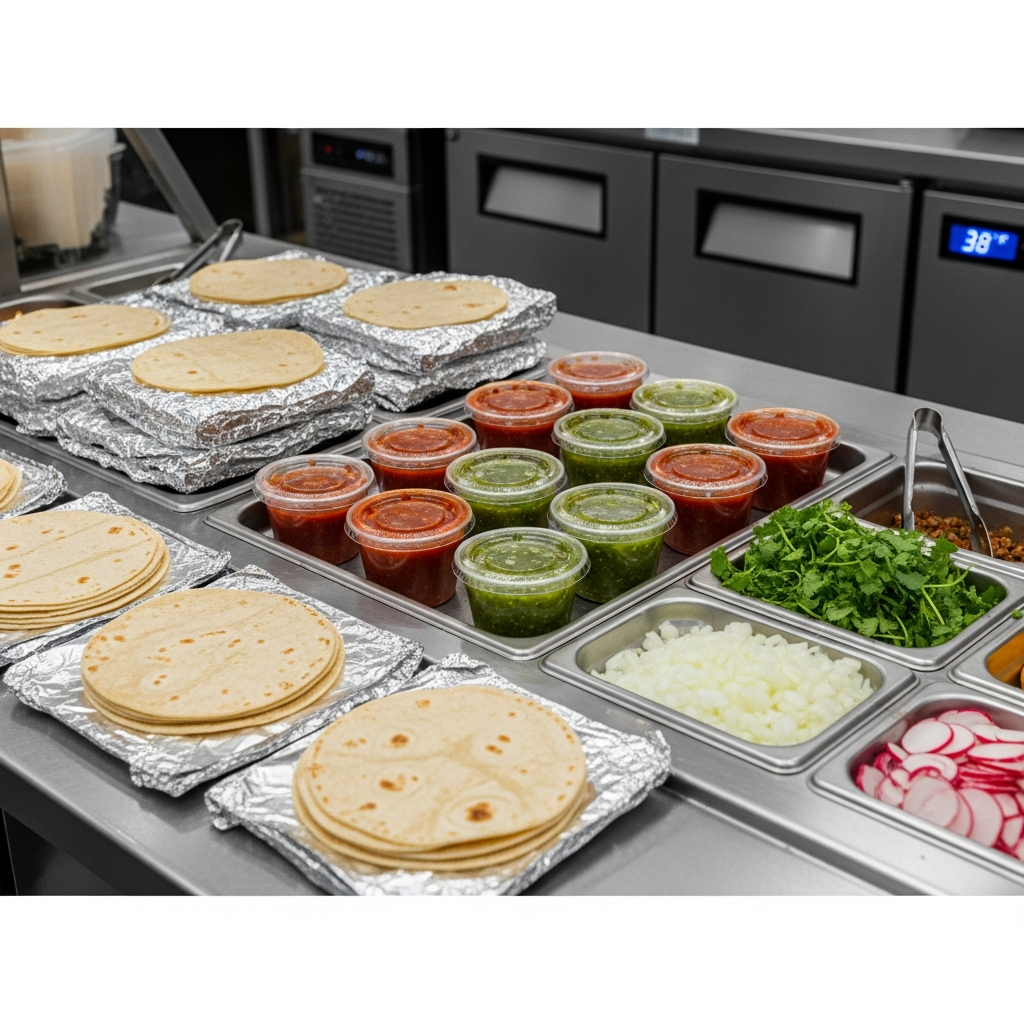
Walk the back-of-house at a well-run taco spot and you’ll notice a rhythm that feels almost musical. Storage zones keep halal proteins apart from anything that could compromise them. Color-coded boards and knives reduce guesswork. Prep cooks wash produce with care, then label and date containers so rotation stays tight. Everyone knows where everything lives, which is how a line keeps its balance even during the Friday dinner wave.
That orderliness protects flavor. When salsas are batched thoughtfully and chilled promptly, their brightness lasts. When tortillas are kept warm—not hot, not cold—they stay supple. And when proteins are cooked to order within a predictable window, they arrive juicy instead of dry or steamy. Safe handling isn’t just about avoiding problems; it’s the foundation of food that makes you want one more bite.
Heat, time, and the sweet spot of service
Tacos are fast food in the best sense: quick to assemble, quick to enjoy. The trick is hitting the sweet spot where heat and time meet. Proteins need enough sizzle to develop flavor, but they shouldn’t linger on a flat top so long they toughen. Tortillas want a short, focused warm to wake up aroma. Salsas should be added cold or room temperature so their acids brighten the whole bite.
For teams working within halal guidelines, these details are supported by checklists rather than guesswork. A cook warms tortillas as the protein rests. Another pairs each filling with its ideal garnish, mindful that a heavy hand dulls the effect. The guest experiences that orchestration as cohesion—the sense that every part of the taco was meant for every other part.
Preventing cross-contact without slowing down
Halal kitchens juggle two mandates: keep food moving and keep lines clear between what’s permissible and what’s not. Dedicated tools, separate storage, and a layout that prevents cross-contact are the starting points. Beyond that, communication saves the day. If a rush threatens to jumble steps, cooks call for a reset. If a tool strays, someone swaps it before the mistake becomes a problem. That culture is built on respect, and guests taste it in the calm that lingers in the dining room even when the ticket times are brisk.
Guests can help, too. When you order, share any needs up front—halal, vegetarian, dairy-free, onion-light. The right kitchen will appreciate the clarity and steer you toward combinations that shine without risk.
Takeout and delivery without losing quality
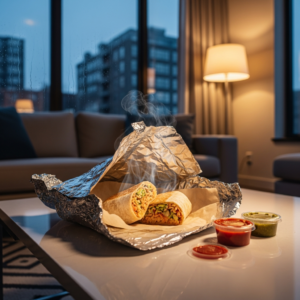
Naperville has learned to do takeout well, and halal taco spots are at the forefront. Packaging matters: ventilated containers keep tacos from steaming themselves soggy, and salsas ride alongside rather than on top so you can control moisture and heat. Clear labeling lets families distribute boxes quickly at home or on a picnic blanket near the Riverwalk.
Timing is part of safety, too. The faster food moves from kitchen to table, the less opportunity there is for temperature swings that sap flavor and freshness. If you’re picking up, arrive close to the quoted time. If you’re hosting a larger group, consider staggering orders so the second round is as lively as the first.
Home taco nights with halal care
You don’t need a restaurant kitchen to serve tacos that feel bright and safe. Start with verified halal ingredients and build your mise en place before anyone’s hungry. Wash, chop, and chill vegetables so they hold their crunch. Warm tortillas just before you eat, and keep them wrapped to retain moisture. Pair rich fillings with crisp garnishes and a squeeze of lime to wake everything up without leaning too hard on salt.
Leftovers deserve attention. Store proteins and garnishes separately in shallow containers so they cool quickly and evenly. Reheat gently to preserve texture—enough to bring back warmth and aroma, not enough to turn tender into tough. And when in doubt about an item’s peak, trust your senses; a great taco depends on brightness, and faded flavors don’t suddenly improve at the table.
Seasonality: the unsung safety tool
Seasonal cooking isn’t only about taste. When you build tacos around what the Midwest is giving you right now, you shorten the gap between harvest and plate. In July, that might mean salsas that glow with ripe tomatoes and sweet corn. In October, roasted peppers and onions anchor fillings that feel sturdy as the wind picks up along Washington Street. Shorter supply chains and fresher produce reduce handling risks and invite lighter seasoning, which in turn highlights the integrity of halal-sourced proteins.
Naperville’s farmers markets make it easy to remember this rhythm. Even if you can’t shop there every week, letting their offerings guide your choices at the grocery store helps you keep tacos tasting like they belong to the moment you’re eating them.
Training that turns safety into second nature
Great teams don’t rely on heroics. They rely on habits. New hires shadow veterans who explain not only what to do but why it matters—why a tortilla needs a brief warm, why a salsa should be chilled promptly, why dedicated tongs stay put. Managers back that culture with checklists and refreshers, especially during seasonal staff changes. That steady reinforcement is why a Tuesday lunch can taste as dialed-in as a Saturday dinner rush.
For guests, the outcome is steady confidence. When you order, you trust that the same care that guides sourcing and storage also shapes seasoning and service. You savor the taco in front of you and the conversation across the table, not the logistics behind the line.
Flavor as a sign of safety
One of the quieter truths about halal taco service is that food safety often tastes like clarity. When produce is crisp and herbs are perky, when proteins are juicy and lightly charred, when tortillas are supple rather than dry, your palate recognizes right away that the kitchen is paying attention. Sluggish flavors, wilting greens, or sauces that seem tired are signals to slow down and ask questions. In Naperville, where diners value both friendliness and standards, most restaurants welcome that dialogue and appreciate the chance to make things right.
FAQs
How do restaurants keep halal tacos fresh during a rush? They rely on prep discipline, aggressive rotation, and timing. Proteins are cooked to order within a set window, tortillas are warmed per ticket, and salsas stay chilled until service.
What’s the most important step for safe handling? There isn’t just one. It’s the combination of verified suppliers, separate storage and tools, careful prep, and staff training that turns guidelines into habits.
Can takeout tacos still taste lively? Yes. Ventilated packaging, separate salsas, and tight pickup timing preserve texture and brightness. Clear labels make at-home assembly quick so food doesn’t sit.
How should I store leftovers from a taco night? Keep proteins, tortillas, and garnishes in separate, shallow containers. Cool promptly, cover well, and reheat gently to revive aroma without drying things out.
Are halal tacos automatically healthier? Halal speaks to permissibility and process. Many halal taco kitchens also favor balanced seasoning, fresh herbs, and produce-forward garnishes, which often feel lighter and more energizing.
What can diners do to support safe handling? Share dietary needs clearly when you order, arrive on time for pickups, and offer feedback. Restaurants that care about halal integrity value that partnership.
If you’re craving tacos that honor both freshness and principle, make tonight the night to lean in. Call a friend, pick a cozy corner, and explore the menu with curiosity. In Naperville, the best halal tacos taste like care at every step—and they’re waiting for you.