Walk through Downtown Naperville at lunchtime and you can hear it in the mix of footsteps and conversation: our appetites are curious. Over the past few years, burrito culture in town has expanded from stalwart classics to an energized spectrum of options that reflects how we actually live and eat. Students, remote workers, families, late-shifters—everyone has found a pocket of the burrito universe that fits. The results show up in tortillas stamped with char, in salsas that carry both brightness and depth, and in proteins seasoned with a precision that respects tradition while inviting new ideas.
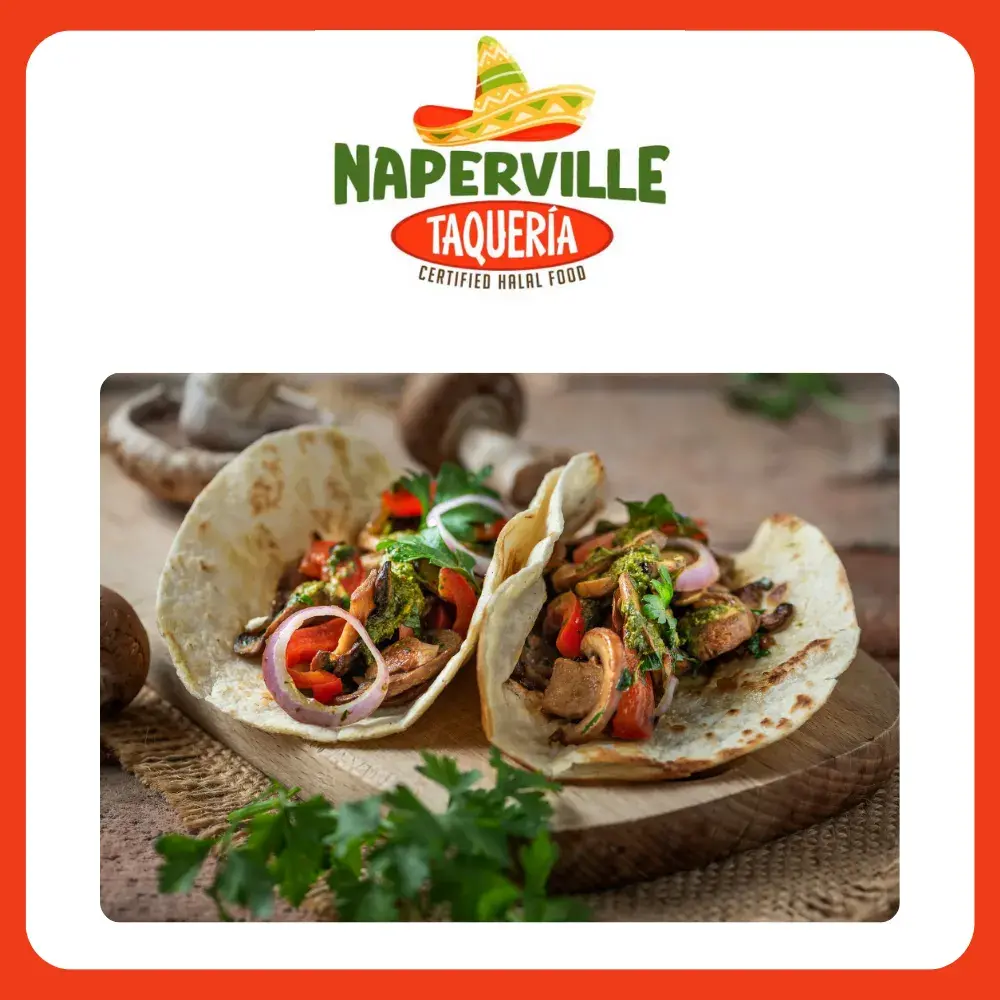
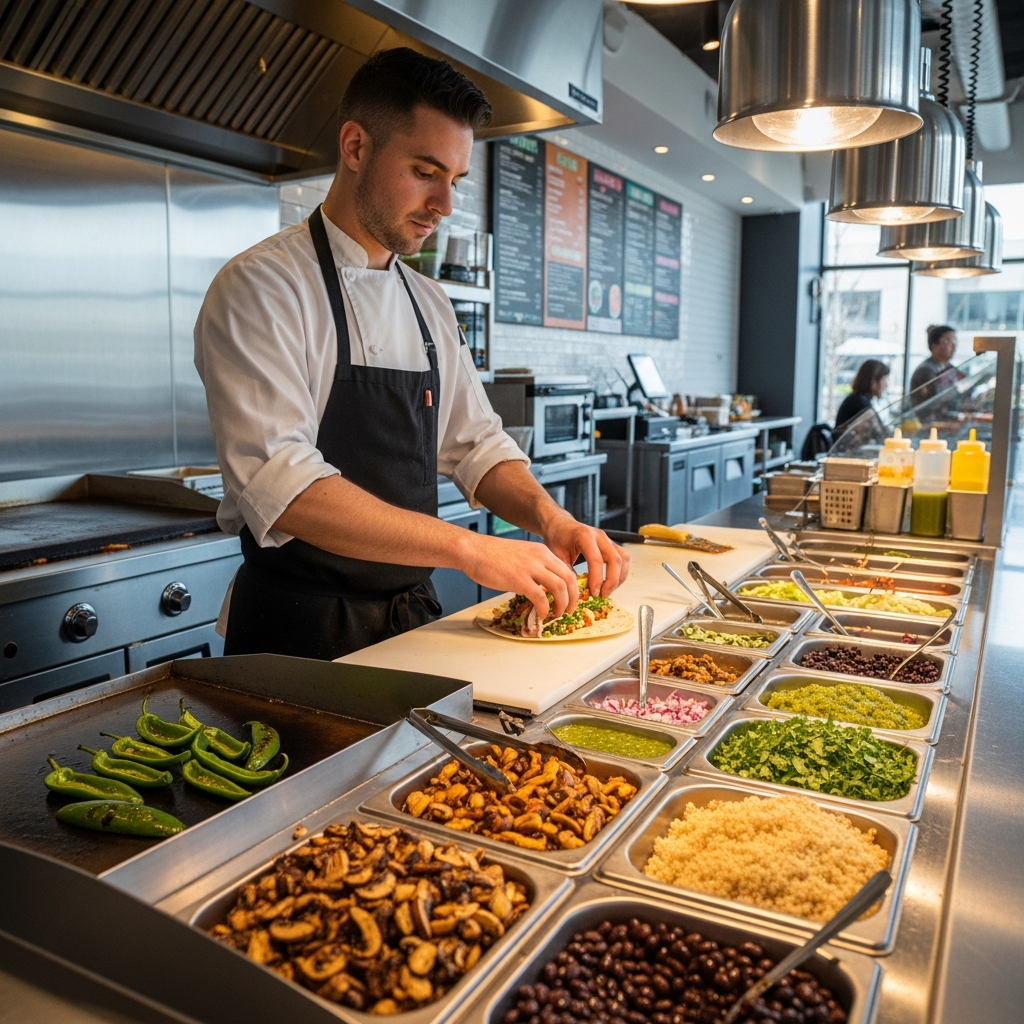
One of the strongest trends is plant-forward abundance. Instead of treating vegetarian or vegan fillings as afterthoughts, local kitchens are designing them to lead. Grilled zucchini, poblano, and mushrooms with a citrusy marinade create a savory core that satisfies even die-hard carnivores. Beans gain dimension with smoky chiles, and rice gets texture from roasted corn or quinoa. The effect is not about replacing meat; it is about composing flavor with the same care given to carne asada or barbacoa. The more plant-forward our diets become, the more refined these burritos get, proving that full-bodied taste does not depend on a single protein source.
Breakfast burritos also continue to surge, a nod to commuter life and an expanding definition of morning fuel. You see them on trains leaving the 5th Avenue Station and on benches near the Riverwalk before the day’s heat arrives. Scrambled eggs mingle with roasted potatoes, bright salsas, and occasional splashes of crema. The trend is not just popularity—it is precision. Tortillas are warmed just enough for pliability, fillings are layered to avoid sogginess, and heat levels are toned to suit early palates. These improvements show how Naperville’s kitchens respect the stakes of a breakfast that has to perform as well as it comforts.
Global crossovers are another defining influence. Without abandoning their roots, burritos now play with complementary pantry notes from Korean, Middle Eastern, and even Mediterranean traditions. Think a gentle brush of gochujang in a red salsa for humming depth, or pickled onions that skew toward sumac brightness. These are not gimmicks; they are careful nods that widen the lens. Diners in Naperville are open to that kind of generous experimentation because the base is familiar. A burrito can carry a new idea without asking for a vocabulary lesson at the table.
Tortilla innovation has quietly shaped the scene as well. You now taste flour tortillas with a touch of butter for tenderness, or blends that hold up to heftier fillings without turning leathery. Wheat and corn hybrids balance flavor and structure, and some kitchens offer hand-pressed alternatives for a nostalgic chew. The common thread is an attention to the wrap as a crucial ingredient, not merely an edible container. When the tortilla tastes good in its own right, everything inside lands more clearly.
Heat management has become more nuanced. Instead of a single all-purpose hot sauce, many Naperville spots tune spice across a palette: one salsa built for brightness and acidity, another for smoke, and a third for a slow, building warmth. This lets families and groups calibrate the experience bite by bite. At the table, you see people sliding their burritos through tiny pools of color, experimenting with combinations that suit the moment. The result is a more personal, interactive way to eat that keeps conversation lively.
Texture has moved to center stage. Chefs think in contrasts: creamy beans next to crisp romaine, tender protein alongside a scatter of roasted corn, or a swipe of guacamole that meets the snap of pickled jalapeños. The best burritos in town feel composed, like a song with bass and treble aligned. When you hold a wrap that retains its structure without collapsing, you are tasting the benefits of that attention. It makes a car-seat lunch or a Riverwalk picnic more enjoyable because each bite tastes deliberate.
Midday ordering habits reveal another trend: streamlined customization. Locals have favorite combinations and expect speed without sacrificing precision. Menus now highlight key decision points—tortilla, base, protein, salsa, extras—so you can build quickly and trust the outcome. This design-thinking approach reduces friction and encourages repeat visits because the learning curve flattens. Diners feel taken care of, not managed, and that goodwill travels fast in a city that listens closely to word of mouth.
In the middle of all this change, the role of online browsing has grown. Many folks check a restaurant’s menu before leaving the house or between meetings, locking in their order in seconds. That habit pushes kitchens to be clear, accurate, and enticing in how they describe fillings and salsas. Photography matters, but so do words that signal care: hand-griddled, slow-braised, charred, bright. It is a quiet feedback loop. The better restaurants communicate, the more confidently Naperville orders, and the more adventurous we become.
Sustainability also threads through burrito trends. Thoughtful packaging decisions—paper first, then foil for heat; avoiding unnecessary plastics; offering compostable options—reflect local values around waste and responsibility. Ingredient sourcing plays a role, too. When corn, beans, and peppers come from partners who prioritize quality and stewardship, the difference is edible. Diners adopt these values in everyday ways, often without calling them by name; they just notice when food and packaging feel aligned with what they care about.
On the culinary side, slow-cooking techniques maintain momentum. Carnitas that surrender at the nudge of a fork, barbacoa that keeps its fibers intact, and chicken kissed by the grill remind us that time is an ingredient. The trend is not toward novelty for its own sake but toward refinement. Even classics evolve as kitchens fine-tune seasoning, resting, and reheating to support takeout and travel without compromising texture.
The kids’ palate—often underestimated—has shaped menus too. Families need options that satisfy both cautious and curious eaters. That has led to burritos that deliver big flavor without overwhelming heat, and to clear signals about spice levels. A mild sauce does not have to be boring; it can be bright and herby, a gateway to bolder tastes later. As a result, family burrito nights have become smoother, with fewer negotiations and more shared bites.
Another notable shift is the celebration of freshness. You can taste it in salsas chopped to order, in lettuce cut just before service, in cilantro that smells like a summer garden. Kitchens schedule prep to chase the day’s demand curves, minimizing the time between cutting board and counter. The payoff is a burrito that feels alive—crunch where you expect it, creaminess that has not dulled, warmth that lasts the drive home.
Breakfast-to-dinner versatility shows up in workflow. Restaurants build lines to handle a morning surge heavy on eggs and potatoes, a noon wave anchored by protein-forward wraps, and an evening set that leans into deeper, slower flavors. This choreography supports Naperville’s varied schedules, from early gym-goers to late-shift nurses. The common denominator across these dayparts is the same: a burrito that respects the clock without rushing the craft.
Looking ahead, data-driven menus will likely become more common. Subtle adjustments—retiring a salsa that lags, promoting a seasonal star, refining tortilla size for better hand-feel—emerge from watching what locals actually order. Feedback loops between counter and customer will tighten. Expect burritos that feel eerily tailored to what you were craving before you could articulate it, because kitchens have learned to listen across time.
Despite innovation, the heart of the trend story is continuity. Burritos continue to be about generosity, balance, and satisfaction you can hold in your hand. Naperville’s tastes are adventurous but grounded, and the best wraps honor both sides of that personality. When you bite into a burrito that is warm, bright, textured, and stable enough to finish on a Riverwalk bench, you are tasting a city in sync with itself.
What trend has most improved takeout burritos in Naperville?
Attention to structure. Warming tortillas correctly, layering beans and rice for stability, and calibrating moisture from salsas have made burritos travel better. The result is fewer soggy wraps and more meals that taste as composed at home as they did at the counter.
Are plant-based burritos genuinely satisfying?
Absolutely. Thoughtful seasoning, grilling, and texture contrast make plant-forward wraps full-bodied and compelling. When vegetables are treated as stars instead of substitutes, even meat lovers find themselves ordering them again.
How spicy are current burrito styles?
Spice levels have become more customizable. Instead of one-size-fits-all heat, you will find salsas designed for brightness, smoke, or gentle warmth. That lets families order together without sacrificing individual preferences.
What is new with tortillas?
Expect better flour blends, hybrids that balance flavor and durability, and hand-pressed options where space and workflow allow. The focus is on tenderness, slight toastiness, and strength—so the last bite holds up as well as the first.
How do I keep up with new options without standing at the counter deciding?
Browse the menu before you head out or while you wrap up a meeting. Familiarize yourself with seasonal specials or new salsas, then order with confidence when you arrive. It keeps the line moving and your lunch aligned with your cravings.
If you are hungry to taste what is next in Naperville, this is the moment to lean in. Try the plant-forward wrap, explore the toasted tortilla, request the smoky salsa, and trust the kitchens that have earned your loyalty. When you are ready to make your next move, check the menu, pick the trend that speaks to you, and enjoy a burrito that keeps our city’s palate moving forward.