Even the most beloved foods have off days, and in a town that moves as quickly as Naperville, a burrito that does not cooperate can feel like a personal betrayal. Maybe the tortilla split on your drive down Washington Street, or a lake of salsa soaked the bottom before you reached a Riverwalk bench. The good news is that most burrito problems are not mysteries; they are patterns. Once you understand how moisture, heat, structure, and timing interact, you can prevent the usual suspects from turning a great idea into a lunch you eat with a fork.
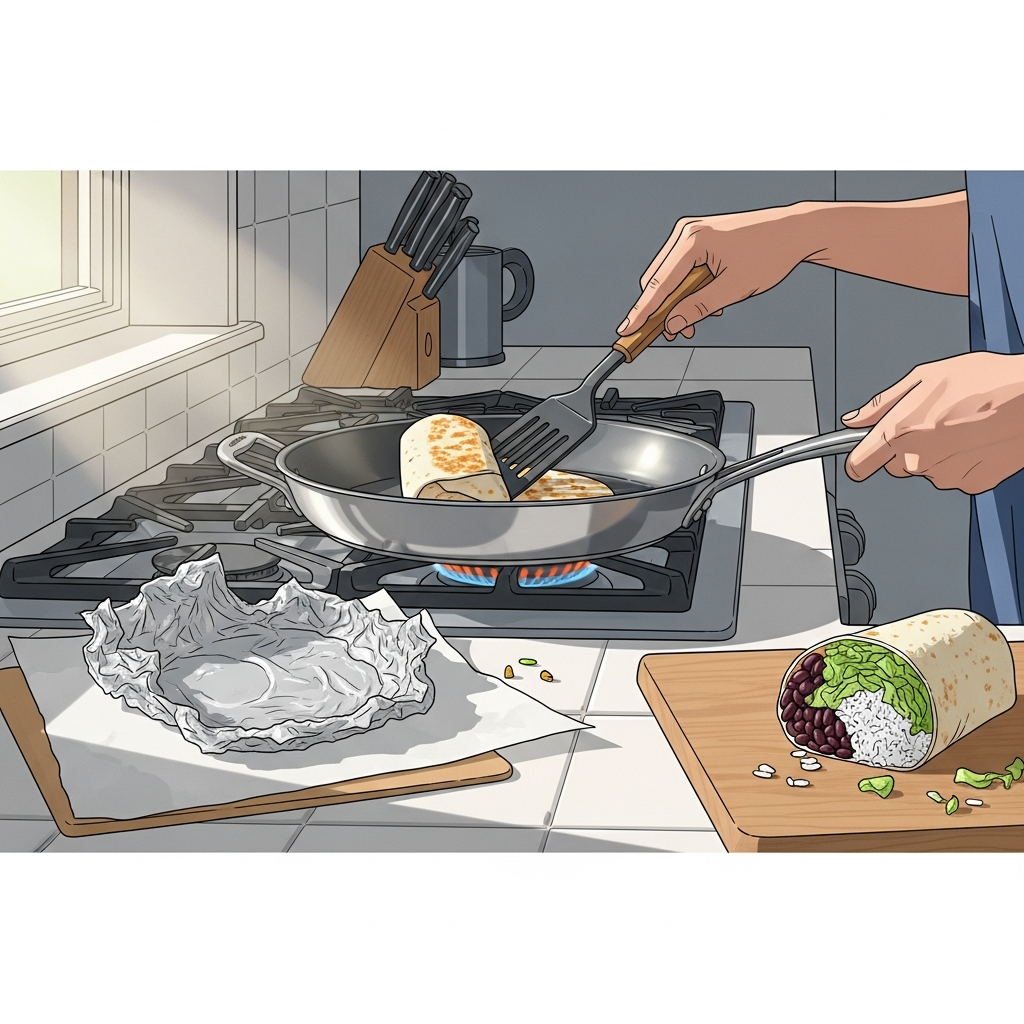
Start with the tortilla, because everything else depends on it. If your wrap tears or chews tough, chances are it was either too cold, over-steamed, or overstuffed. A tortilla warmed briefly on the griddle becomes flexible and slightly toasted, which helps it resist moisture from beans, rice, and salsa. In a rush, some places may warm it unevenly, leading to fragile spots that split under pressure. When you pick up in Naperville and plan to eat on the go, ask for a well-warmed tortilla and pay attention to the first fold. That initial tuck locks the structure, and a tight first wrap often predicts a tidy last bite.
Sogginess is the most common complaint, especially for commuters who order near lunch and eat back at a desk off Diehl Road. The villain is usually pooled moisture from salsas or juicy proteins. Layering matters: beans laid first provide a drier cushion for rice and meat, while salsas and crema should be distributed thinly rather than pooled in one spot. If you know your drive includes a few lights on Ogden Avenue, ask for wet components on the light side, or request a little less crema so the burrito arrives balanced, not drenched. Paper-first, foil-second wrapping allows a bit of steam to escape while holding heat, a small yet crucial insurance policy.
Cold centers happen for predictable reasons too. When fillings vary wildly in temperature—scorching meat next to cool guacamole—the middle can read as lukewarm. That gap grows if the burrito sits during a long phone call or a quick errand. To counter this, some shops stage ingredients so the warm items contact each other and the cooler garnishes sit closer to the edges. As a diner, you can help by eating sooner when possible and by keeping the burrito insulated on the ride. If you are reheating later, aim for gentle, even heat: low-oven or skillet warm-ups maintain texture better than a microwave blast.
Overstuffing is the hidden saboteur. Naperville hospitality runs generous, and that can mean a burrito so full that it loses integrity. Generosity reads better when it respects geometry. A solid burrito forms a uniform cylinder with a little give when you press it; it should not bulge. If you find that generous fillings compromise the experience, ask for a slightly larger tortilla or consider splitting the order into two slimmer wraps. You will enjoy cleaner bites and a structure that holds until the last crumble of rice.
Flavor imbalance plagues even tidy burritos. You might get a wrap that looks perfect but tastes flat, or one where a single ingredient dominates. Balance depends on proportion and distribution. Acid from pico de gallo, fat from guacamole or cheese, heat from salsa, and ballast from beans and rice must converse, not crowd each other out. If you favor bright flavors but keep ending up with heavy bites, ask for extra pico and a touch less rice. If you crave richness, lean into guacamole or crema, but keep an acidic partner close so the burrito stays lively rather than sleepy.
Texture is just as important as flavor. A burrito should not be all soft. Crunch from romaine or pickled onions and snap from grilled peppers give your jaw something to do and signal freshness. The trick is protecting those crisp elements from steam. If you are carrying the burrito to Rotary Hill for a picnic, request crunchy garnishes just before the final fold so they are insulated by warmer components rather than smothered. Eat sooner rather than later when crunch matters most.
Spice surprises can derail lunch for mixed groups. Naperville families often share across generations, and what thrills one person can floor another. Clear salsa labeling and on-the-side options help, but so does a baseline order that sits at medium, with a small container of hotter sauce for the brave. When everyone is eating in the car after practice at Frontier Sports Complex, a predictable heat anchor keeps the peace while still leaving room for a happy tear or two from the heat lovers.
Midday logistics also complicate things. If you pick up a burrito before a string of errands between 75th and 95th, it may sit in the car longer than you planned. Heat trapped in a sealed environment turns steam into condensation, softening the tortilla. Crack the window shade on the situation by letting a little air escape. Paper under foil venting is ideal; a quick unwrap and rewrap during a red light can salvage texture without sacrificing warmth. It is a small ritual with a big payoff at that first bite.
Ingredient temperature management matters in winter. Leaving a burrito on a cold passenger seat can chill the tortilla faster than you think. Keep it close to your body or under a light layer so it benefits from residual warmth. If you are delivering to a friend near Tall Grass, tuck the burrito upright so gravity does not push sauces toward one end. Arrive with a wrap that still looks composed, not lopsided.
Reheating deserves its own attention. The microwave is fast but can turn tortillas rubbery and make fillings weep. A better approach is to remove any chilled salsas, warm the burrito low and slow in a toaster oven or skillet, and add the cool garnishes back after. If you do use a microwave, short bursts with a damp paper towel can help, followed by a minute in a dry skillet to resurface the tortilla. The aim is to return the burrito to its original equilibrium of warmth and texture.
Salt creep is another subtle issue. Multiple seasoned components can add up to more salt than you intended. If you finish a burrito and feel parched, dial back by choosing either a richly seasoned protein or a salt-forward salsa—not both at once. Request a lighter hand with salty garnishes like certain cheeses, and let herbs, lime, and fresh vegetables carry the brightness.
On the flip side, blandness signals missed opportunities. Sometimes this is a case of timid salsa or underseasoned rice. Ask for a tasting note before committing: is the salsa this week brighter or smokier? Kitchens appreciate engaged diners, and you will get a burrito that feels tuned to your palate rather than defaulted to the middle.
Structural leaks make people reach for a fork halfway through. They often start where the seam meets wet components. Rotating your burrito as you eat keeps stress distributed and helps the seam dry slightly from contact with warm rice and protein. Holding the wrap with the seam facing up during the first few bites also buys you integrity, much like keeping a paper cup lid seam angled correctly prevents drips.
Families with young kids face the “crumb cascade.” Tiny grains of rice can tumble onto car seats and coats. Ask for a touch more bean and a touch less loose rice for young eaters; the burrito stays cohesive and the cleanup stays manageable. Halving the burrito crosswise and wrapping each piece individually also helps little hands manage heft.
Finally, remember that burritos are forgiving when communication is clear. In Naperville’s best shops, small requests are welcomed because they help the kitchen serve you better. Say you’re taking the burrito to a Riverwalk picnic and want extra crunch protection, or that you’ll eat in the car and prefer a tighter wrap. These specifics translate into technique—crisper lettuce added later, a second turn on the griddle, a firmer first fold—that pays off in your first and last bites.
Why did my tortilla split before I got to the Riverwalk?
It was likely under-warmed or overfilled. A brief griddle warm makes tortillas elastic, and careful layering prevents pressure points. Next time, request a well-warmed tortilla and a firm first fold for a durable wrap.
How can I keep my burrito from getting soggy during errands?
Ask for paper under foil to vent steam, go lighter on wet ingredients, and keep the wrap upright. If the drive stretches, a quick unwrap-rewrap can release built-up moisture without cooling the contents too much.
What is the best way to reheat without ruining texture?
Remove cool salsas, rewarm gently in a toaster oven or skillet, and reapply fresh components after. If you must use a microwave, use short bursts with a damp towel, then crisp the tortilla for a minute in a dry pan.
How do I manage spice levels for a mixed group?
Order a medium baseline and add a side of hotter sauce for heat lovers. Clear labeling and on-the-side salsas let everyone calibrate without surprise, which is crucial when eating in the car or at the sidelines.
What should I do if my burrito tastes flat?
Add acidity or herbs. Ask for brighter pico, a squeeze of lime, or a more vibrant salsa. Reducing heavy elements slightly—less rice, a lighter hand with cheese—can also free up flavors to shine.
When you are ready to trade frustration for satisfaction, a few smart choices will transform your next wrap. Share your plans with the kitchen, eat with the seam strategy in mind, and savor a burrito built to withstand errands, weather, and real life. For a head start on the combinations that work best, skim the menu, choose with confidence, and take your next bite knowing it will be better than the last.