There is a special comfort in picking up a warm burrito in Naperville and knowing it will still taste great when you finally sit down. But freshness is not just a matter of luck; it is technique. From winter commutes that chill the passenger seat to summer evenings that turn the car into a greenhouse, our local conditions test a burrito’s structure, temperature, and spirit. The good news is that a little planning protects flavor and texture, whether you are carrying dinner from Washington Street to a backyard on 95th, or saving half of lunch for a late-night snack after a Riverwalk stroll.
Start with smart ordering. If you expect a gap between pickup and the first bite, tell the kitchen. A quick note—“I’m driving to South Naperville and will eat in twenty”—prompts small adjustments that pay off: a tortilla warmed a touch more for elasticity, crunchy garnishes added later in the build, or salsas distributed thinly for even moisture. When you are choosing fillings, a quick look at the menu helps you plan a burrito that fits your timeline. Beans and rice cushion heat, grilled proteins hold warmth without weeping, and crisp romaine or onions retain snap when protected from steam.
Packaging matters more than most people realize. The best practice is paper first to absorb steam, foil second to lock in heat. If you expect a long ride down Ogden Avenue, ask for a slightly looser outer wrap so air can escape. At home, resist the urge to unwrap immediately; let the burrito rest for a minute so pressures equalize. If you will eat outdoors—say, by the DuPage River—bring a napkin to wick up any surface moisture before your first bite. These tiny rituals preserve the tortilla’s integrity, which is the gatekeeper to everything else that tastes good.
Temperature is the next pillar. Burritos enjoy the same gentle care you would give good bread: warm rather than hot, rested rather than suffocated. In winter, keep the bag inside your coat or on a seat warmer set low, but avoid pressing directly against the heater vent, which can dry the tortilla. In summer, shield the burrito from intense sun; a shaded footwell often beats a hot dashboard. The goal is to maintain warmth without creating a steam bath that wilts crunch and mushes rice.
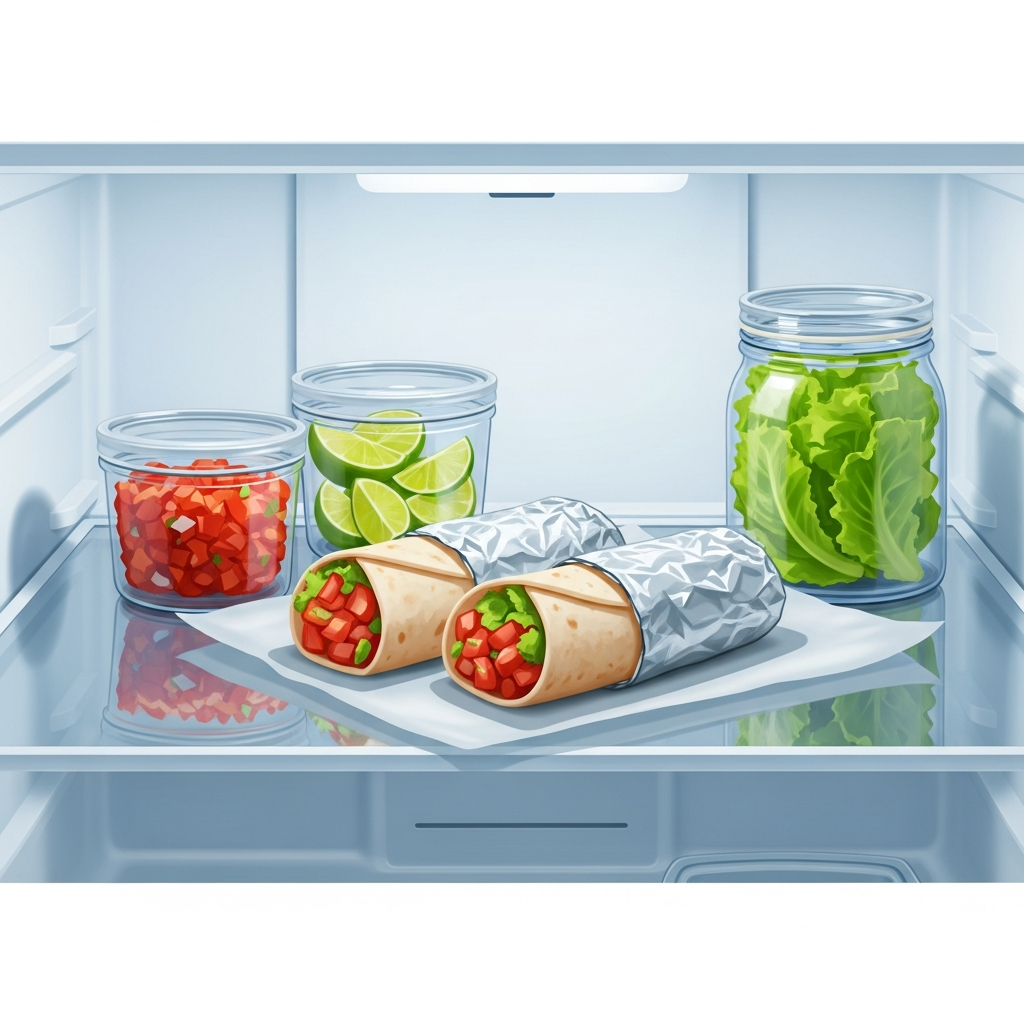
Storing leftovers begins the moment you decide you will not finish in one sitting. Halve the burrito crosswise and wrap each portion individually so tomorrow’s lunch does not inherit today’s moisture. Slide a strip of parchment or paper between tortilla and foil to catch condensation. If salsas were packed on the side, keep them chilled separately; they will taste brighter and preserve crunch when added after reheating.
Refrigeration timing matters for both safety and quality. Cool the burrito to room temperature before sealing it in the refrigerator so trapped heat does not turn into water droplets that soak the tortilla. Place it in a shallow container rather than burying it among fridge items that will squash it out of shape. The next day, you want a cylinder, not a slumped pillow.
Reheating in Naperville homes often means making the most of what you have—microwave, toaster oven, skillet, or even an air fryer. Each can work with the right approach. The microwave is fastest but needs restraint: unwrap to paper, cover with a slightly damp towel, and warm in short bursts so the core heats without turning the edges rubbery. Follow with a minute in a dry skillet to bring back the tortilla’s surface texture. A toaster oven or standard oven delivers even heat; set it low and give the burrito time to warm through. The skillet approach is great for reviving both flavor and structure—low heat, a lid for gentle steam, then lid off for a final crisp.
An air fryer can help if used carefully. Too high a temperature and the tortilla will blister and harden before the inside is warm. Start low, flip once, and check often. If your fillings include delicate greens, open the wrap after warming and add them fresh for contrast. The goal across all methods is the same: restore warmth and revive texture while protecting moisture balance.
Freezing is an option for make-ahead meals, but it asks for intention. Choose fillings that freeze gracefully—beans, rice, grilled chicken, slow-cooked pork—and skip watery components like fresh tomatoes or lettuce. Wrap tightly in plastic to resist freezer burn, then a layer of foil. Thaw overnight in the refrigerator for best texture, and reheat low and slow in the oven. Once warm, peel back the foil to let the tortilla dry slightly so it regains its pleasant chew.
For commuters, keeping a burrito fresh during the drive is an art that becomes instinct. Keep the wrap upright so gravity does not shift sauces to one end. If you hit a long light on Washington Street, a quick quarter-turn of the burrito keeps the seam from softening in one spot. Do not let it sit on a cold surface; tucking it next to a room-temperature item in your bag is better than resting it on the passenger seat.
Families managing staggered meals—one kid at piano, another at soccer—benefit from staging. Bring burritos home, set aside the ones to be eaten later, and keep them wrapped until each eater is ready. You can refresh the latecomer’s burrito with a gentle skillet warm so it matches the freshness of the first ones served. It is a small kindness that keeps everyone’s mood up through homework hour.
Moisture control becomes the theme in every scenario. Too little, and the tortilla cracks; too much, and the wrap turns heavy. You can feel the sweet spot when the burrito compresses slightly but springs back. Achieving that balance often means spreading sauces thinly rather than pooling them, and requesting guacamole distributed rather than dolloped.
Flavor brightness is another factor that can fade with time. Even a well-stored burrito benefits from a touch of acidity before you take the first reheated bite. A squeeze of lime or a spoonful of fresh pico de gallo wakes everything up. If you plan ahead, keep those elements separate when you first order so they can perform their best as finishing touches later.
For outdoor meals at Rotary Hill or a quiet bench by the DuPage River, temperature swings demand flexibility. In cooler months, bring a small towel to wrap around the foil for added insulation. In warmer months, create shade and eat sooner; a fifteen-minute window often determines whether the tortilla remains supple or slides toward soggy. Notice wind, too—it can wick heat quickly, so keep the burrito shielded while you settle in.
Office lunches at coworking spots near North Central College add a different challenge: reheating without fragrance overload. A quick skillet warm at home before you head out can set you up with a burrito that holds heat through the walk and does not require a microwave later. If you must reheat at work, use short intervals and keep cool garnishes separate so they can be added at your desk without turning heads.
Safety is part of freshness. Do not leave a burrito in a hot car while you run long errands; bring it inside or eat first. If you are saving half, wrap it immediately and refrigerate within a reasonable window so taste and texture do not drift. These habits make leftovers feel like a second gift rather than a compromise.
Kids’ portions keep better when scaled. A smaller, tightly wrapped half burrito is easier for little hands to manage and stays structurally sound longer. Asking the kitchen to roll two smaller wraps instead of one giant one can stretch freshness across siblings with minimal fuss.
Flavor memory matters too. When you reheat, your first bite should remind you of the original. That is why gentler heat and restrained microwave use are worth the patience. You want the tortilla pliant, the beans creamy, the protein warm but not shriveled, and the vegetables either fresh or still crisp enough to contrast. Pay attention to that first chew; it tells you if you have respected the balance that made the burrito great in the first place.
Middle-of-the-week fatigue can make good habits slip. Set a tiny ritual: when you bring burritos home, assign one surface for wrapping and storing, label any saved halves, and keep garnishes in a small container. The next day, you will thank last-night-you for the forethought as you assemble a revived meal in minutes.
On game days at Frontier Sports Complex or an evening event at Naper Settlement, consider temperature staging. Eat now what is at its peak—the warm, saucy wrap designed for immediate satisfaction—and save the simpler, sturdier burrito for later when reheating is likely. This kind of triage squeezes the most pleasure from each bite across a long day.
How do I prevent sogginess during a long drive?
Use paper under foil so steam can escape, keep the burrito upright, and request thin, even distribution of salsas. If you hit a long red light, unwrap a corner briefly to vent, then rewrap to hold warmth without trapping moisture.
What is the best reheating method at home?
A two-step approach works well: brief microwave bursts with a damp towel to warm the core, followed by a minute in a dry skillet to refresh the tortilla. Alternatively, a low oven warms evenly if you have a bit more time.
Can I freeze burritos without losing quality?
Yes, with the right fillings and wrap. Choose sturdy ingredients like beans, rice, and grilled meats, avoid fresh lettuce and tomatoes, wrap tightly in plastic and foil, thaw overnight, and reheat low and slow so the tortilla stays tender.
How should I store a half-eaten burrito?
Cut it cleanly, wrap each half separately with paper and foil, and chill any salsas on the side. Let it cool to room temperature before refrigeration to prevent condensation that softens the tortilla.
What if my reheated burrito tastes dull?
Add brightness at the end. A squeeze of lime or a spoonful of fresh pico restores contrast. Keeping those elements separate from the start makes next-day revival feel like a fresh-made meal.
When you want every bite to taste as if it just left the griddle, a few small habits make all the difference. Plan your fillings, guard the tortilla, and choose reheating methods that respect texture. To line up a fresh-tasting meal that fits your day, take a moment to browse the menu, select your favorites, and enjoy a burrito that stays delicious from pickup to the very last bite.