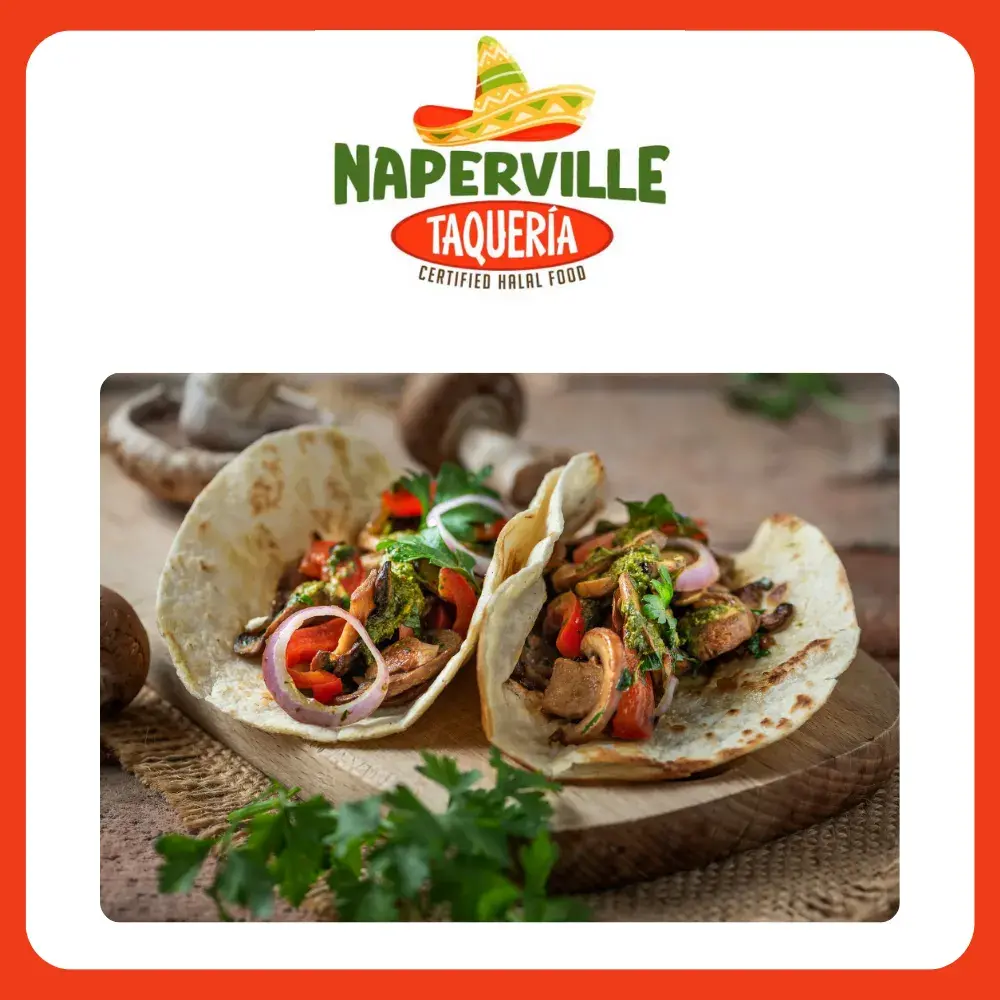
For many Naperville diners, halal tacos are a weekly highlight—a plate where warm tortillas, fragrant cilantro, and tender meats make the day’s stress fade into the background. Yet even the most beloved meals come with challenges. From questions about cross-contact to frustrations with long lines, there are real issues that can complicate an otherwise joyful taco night. The good news is that our local scene keeps improving, and knowing what to watch for helps you navigate with confidence. If you are mapping out your next visit, it helps to preview the menu so you can arrive prepared and focused on flavor rather than logistics.
Halal tacos occupy a careful space: they promise reliability in sourcing and handling while still delivering the spontaneity we crave from a great taqueria. The strongest kitchens keep that promise with discipline and hospitality, but diners still encounter bumps—especially during peak hours when the room is buzzing and the plancha is crowded. Understanding these common issues not only protects your experience; it deepens your appreciation for the craft at work behind the counter.
Naperville’s dining rhythm is fast, and the pressure to perform is real. Whether you are grabbing dinner after practice or hosting relatives who have specific dietary needs, you deserve clarity and consistency. Let us look at the sticking points and how thoughtful taquerias, along with a bit of savvy from diners, turn potential problems into chances for better meals and smoother nights.
Cross-Contact and Communication Gaps
Top of mind for many halal diners is cross-contact—when halal and non-halal foods or equipment touch. The best kitchens defend against it with separate tools, color-coded containers, and rigorous training, but busy nights can expose weak links. The result is not always a safety issue; sometimes it is a flavor issue, as salsas mingle or a spatula that touched cheese passes unintended dairy to a dairy-avoiding plate.
Communication is the fix. When staff clearly explain how they separate proteins, manage utensils, and label sauces, guests relax—and the food tastes better because each element is protected from unintended mingling. Diners can help by stating needs calmly and early in the ordering process. Ask what the kitchen does to prevent cross-contact, and listen for confident, specific answers. A team proud of its protocols is usually a team you can trust.
When missteps occur, the best restaurants own them quickly and correct them without fuss. That responsiveness tells you as much about a place as a perfect taco does. It reveals values—humility, respect, and commitment to doing right by the guest.
Inconsistent Heat Levels and Salsa Confusion
Another common issue is salsa confusion. A green salsa that looks innocent might carry a sneaky burn; a red salsa that appears fiery may be mellow and smoky. For families with kids or friends who prefer gentle heat, this can derail a meal. The solution lies in clearer descriptors—roasted versus fresh, citrusy versus smoky, bright versus warm—and in staff who invite small tastes before you commit.
Texture matters, too. Some diners want a salsa that clings to meat; others prefer something looser that seeps into the tortilla. Without guidance, you might end up with a mismatch. Strong halal kitchens in Naperville are getting better at translating the kitchen’s language to the counter, empowering guests to steer without guesswork.
If you are unsure, ask to start mild and build up. A small sampling preserves appetite and transforms ordering into a quick dialogue rather than a gamble. Clear communication about heat also keeps kids and spice-averse friends in the game, which is central to the inclusivity that halal tacos promise.
Dry Proteins and Tired Tortillas
Few disappointments sting like biting into a dry taco. Overcooked steak or chicken loses juiciness fast, and a tortilla that has been sitting too long can crack under the first fold. These issues happen most under stress—peak rushes, lulls that turn hot plates into holding stations, or takeout orders assembled too early.
Halal kitchens that avoid these pitfalls do so with disciplined pacing: marinating to precise windows, grilling to order, resting meat before slicing, and refreshing tortillas with a quick pass on the plancha. For takeout, keeping sauces separate and bagging tortillas to stay warm but not steam-logged is a small act with big payoffs. Diners can help by arriving close to pickup time and assembling quickly at the table so the final moments of heat carry into the first bite.
If you encounter a dry taco, say something. Respectful feedback helps kitchens spot where timing slipped. Good teams want to know; they share your goal of tacos that are juicy, flexible, and bright.
Long Lines, Short Tempers
Naperville’s popularity is a blessing that sometimes feels like a curse at dinnertime. Lines stretch to the door on weekends and even on cheerful weeknights after a big game. In those moments, the difference between a delightful wait and a frustrating one is communication. Staff who step out to explain timing, offer samples of salsa, or suggest alternate proteins that are ready sooner turn the line into a tasting seminar rather than a test of patience.
Some halal spots manage flow by organizing the room—clear order and pickup lanes, visible ticket numbers, and cues for where to stand. Diners can lend a hand by reviewing the menu in advance so decisions come quickly at the counter. When both sides meet in the middle—prepped guests, transparent staff—the room relaxes and the tacos somehow taste even better.
Remember that a little grace goes a long way. The line is part of the social life of a taqueria. You eavesdrop on recommendations, trade glances with fellow chili-lovers, and learn which salsa pairs best with the evening’s special. What feels like delay can become anticipation if the team cultivates a sense of shared momentum.
Parking, Seating, and the Little Frictions
Even great food cannot overcome all frictions. Parking near popular spots, especially downtown, can test patience. Seating can run tight just when your group shows up with a stroller and grandparents in tow. These are not strictly “halal” issues, but they influence how halal tacos fit into your life.
Smart taquerias anticipate them. They post clear pickup instructions, suggest nearby lots during rushes, and rearrange seating for larger families without broadcasting inconvenience. Diners help by planning arrival times, splitting large groups into two tables when needed, and keeping aisles open. Courtesy builds atmosphere as surely as cilantro builds aroma.
For takeout nights, packaging earns attention. Containers that preserve tortilla pliability and protein heat while keeping salsas bright are not glamourous, but they carry a meal safely to your table. Ask how the restaurant packs orders and request small tweaks—extra lime, salsas separated by heat—to reduce at-home friction.
Labeling and Allergen Clarity
Clarity on allergens can wobble during busy service. A dairy-based crema may not be marked clearly, or a garnish that contains sesame might slip onto a plate meant to avoid it. Halal kitchens already choreograph many details, so adding crisp labeling is within reach and has outsized payoff for trust.
Diners can prime the system by declaring needs early and confirming at pickup. A quick visual check—“mild salsa on the side, corn tortillas only, no crema”—takes seconds and prevents surprises. The best teams echo back the request and tag containers accordingly. When both sides build the habit, mistakes plummet.
Online ordering platforms should mirror this clarity with toggles and notes that staff actually see. If your family relies on consistent settings, save your preferred configurations so reordering becomes one tap rather than a fresh essay each week.
Expectations Around Spice and Smoke
Spice level is only half the story; smoke is the other half. Some diners expect a char-driven profile and are disappointed by a softer, braise-forward style, or vice versa. Clear menu language—“seared on a hot plancha with crisp edges” versus “slow-braised to tenderness”—aligns expectations so your first bite confirms what you imagined.
Good kitchens invite you to steer. Want more char? Ask for a piece from the edge of the plancha batch. Prefer a softer, saucier texture? Request a little extra braising liquid spooned on top. These small adjustments feel like a custom experience and require only that the conversation begins.
When in doubt, order one taco to calibrate and then add more. This keeps waste low and enjoyment high, which is as much a victory for the room as it is for your table.
How Diners Can Help the System Improve
The most encouraging truth about halal taco issues in Naperville is that they are solvable, and progress is visible. Diners play a role by giving timely, specific feedback. Instead of “it was dry,” say, “the chicken tasted great but felt over the heat a minute too long.” Compliments help, too—calling out a perfectly warmed tortilla or a salsa that hit the sweet spot of brightness and body gives the team a North Star.
Regulars become part of the restaurant’s memory. When staff know your usual preferences, they anticipate needs and dial in your order without fuss. That relationship also creates space for honest conversations about what is working and what is not. Over time, these micro-adjustments raise the entire room’s game.
Meanwhile, keep exploring. Sometimes the fix for an issue is as simple as switching proteins or salsa styles to match your mood. Naperville’s halal taco scene is rich enough to offer a new answer every week, and the best way to discover it is to stay curious.
FAQ
Q: How can I confirm a restaurant’s halal handling in a busy rush? A: Ask how they separate tools and surfaces, and listen for specifics about storage and labeling. Confidence and clarity are strong indicators that systems are active, not theoretical.
Q: What should I do if a taco arrives dry or a tortilla cracks? A: Kindly let staff know right away. Good kitchens will remake the taco or refresh the tortilla so you can experience the meal as intended.
Q: How do I avoid ordering a salsa that is too hot for kids? A: Request a small taste and aim for roasted or tomatillo-based salsas, which often lean bright rather than fiery. Build heat gradually for adventurous eaters.
Q: Is takeout risky for texture? A: It can be if packaging is careless. Look for tortillas wrapped to stay warm, proteins kept separate from wet salsas, and clear labeling. Assemble at home just before eating.
Q: What if parking and seating are tight? A: Plan arrival times, consider off-peak dining, or split larger groups into smaller tables temporarily. Many restaurants will help consolidate once space opens up.
Q: How do I make feedback useful? A: Be specific, timely, and balanced. Mention what worked well along with what needs improvement. This helps teams fix issues without losing the strengths you value.
Make Your Next Taco Night Smooth
Most issues fade when kitchens communicate clearly and diners come prepared. A quick scan of the menu, a friendly question or two at the counter, and a spirit of collaboration turn lines into momentum and plates into little celebrations. That is the Naperville way—neighbors and teams solving small problems together so that the big reward, a perfect taco, can take center stage.
Show up hungry, ask for what you need, and enjoy the kind of meal that makes the whole week feel easier.