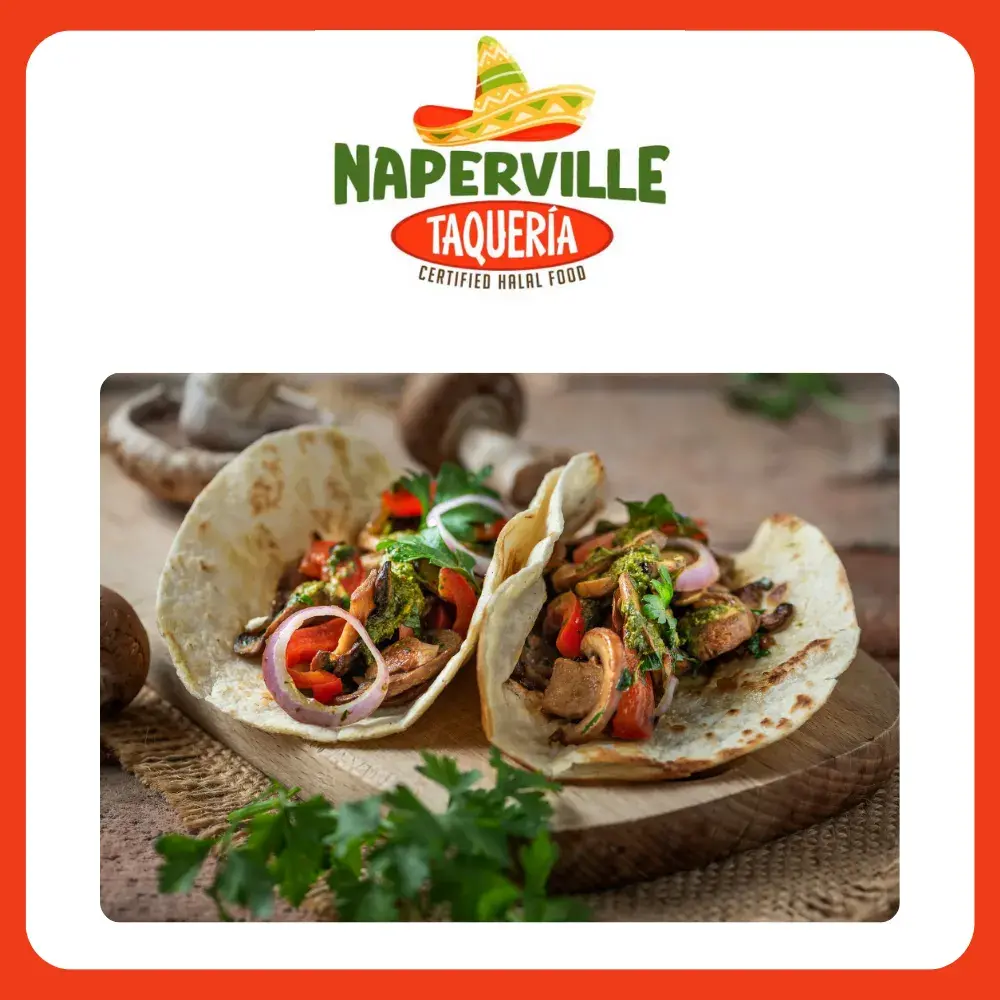
Step inside a Naperville taqueria when the dinner rush begins and you will see a choreography that looks effortless: tortillas warming in rhythmic rounds, citrus perfuming the air, and proteins searing just long enough to glow without toughening. The end product—a taco that is hot, bright, and neatly balanced—may feel simple, but it takes discipline to keep it that way night after night. When tacos are prepared halal, the standards for sourcing and handling are already high. The art is keeping freshness and flavor at their peak from delivery to plate. If you want a preview of how that artistry lands on your table, take a quick spin through the menu before you visit, and notice how details about marinades, tortillas, and salsas signal a kitchen in tune with its craft.
Freshness is not a single choice; it is a chain of right decisions. It begins with purchasing—trusted butchers and produce partners, smart forecasting that avoids over-ordering—and stretches through storage, prep, cooking, and service. Each stage has pitfalls. A marinade that sits too long can flatten a cut meant to stay springy; a salsa blended too smooth can lose its sparkle; a tortilla left idle can dry at the edges before it reaches the plate. Halal kitchens that excel in Naperville manage these risks with systems that feel invisible to the diner but make all the difference in the first bite.
Let us walk the line the way a seasoned cook does, paying attention to the tiny decisions that stack up. Why does the lime taste so alive? Because it was cut to order. Why does the steak carry char without chewiness? Because the cook watched not just the clock but the meat, pulling it at the moment scent and color said “now.” Why does the salsa cling without smothering? Because it was built with texture in mind, balancing fresh cut with roasted depth.
Sourcing with Intention
Halal freshness starts at the source. In Naperville, that often means relationships that stretch beyond transactions: butchers who understand the restaurant’s preferred cuts and fat caps, produce vendors who call when cilantro and limes arrive in top form, and delivery schedules timed so that prep happens close to service. These partnerships transform ingredients from commodities into collaborators.
For proteins, halal standards add a crucial layer. Cleanliness and humane handling correlate with cleaner flavor and better texture. Cooks can rely on marinating windows that enhance rather than mask. Spices like cumin, coriander, and ancho come through clearly, and citrus wakes the palate instead of fighting off off-notes. This foundation reduces the temptation to overseason or overcook, which are the twin enemies of freshness.
Vegetables and herbs carry their own stories. Cilantro should snap with perfume when chopped; onions should bite without burn; radishes should crunch like a bright, peppery drumbeat. When these ingredients are truly fresh, you can taste their edges and sweetness distinctly, which means you need less of them to make the plate sing.
Prep That Protects Texture
Once ingredients arrive, the goal is to protect texture. Halal kitchens in Naperville that deliver consistently fresh tacos tend to organize prep into small, frequent batches. Cilantro is chopped as service begins and again when the first pile dwindles; onions are diced shortly before the rush; tortillas are pressed and warmed in waves. The result is a dining room that smells vibrantly alive rather than like yesterday’s salsa clinging to today’s mood.
Marinades are another sticking point. Time is flavor’s ally until it becomes a bully. Acid-heavy mixes can turn steak or chicken woolly if left too long, while spice-dense blends can overwhelm delicate cuts if they are not balanced with oil and a touch of sweetness. The pros write prep logs and taste as they go. If a marinade pulls too sharp, they temper it; if it drifts bland, they toast the spices anew to revive the base notes.
For salsas, the trick is layering. Roasted components provide warmth and body, while fresh additions—lime juice at the end, chopped cilantro folded in—keep the salsa lively. Blending to a texture that clings without drowning the taco is a learned touch. Too thin, and flavor runs away; too thick, and it mutes the protein.
Heat Management: Where Freshness Meets Flavor
The plancha is a truth machine. If your prep was right, heat reveals it; if not, heat amplifies the error. Fresh and flavorful halal tacos depend on precise temperature zones so that tortillas kiss warmth while proteins sear. A good cook tends multiple micro-climates: a scorching center for quick browning, a gentler edge for finishing, and a warm zone for tortillas to stay supple without drying.
Steak wants a sear that seals juices, followed by a brief rest before slicing against the grain. Chicken needs patient browning to build flavor, then finishing to the safe point without losing moisture. Lamb rewards careful handling, allowing its richness to assert itself without turning gamey. Each protein has a cue—aroma shift, color at the edge, the bite of a tester piece—that says “pull now.”
Tortillas are equally sensitive. Fresh-pressed corn tortillas need a first cook to set, a brief rest, and a second, shorter warm-up to reach that perfect, slightly elastic texture. Flour tortillas behave differently, preferring a quick, even heat so they bend without cracking. Overcook either and you lose the delicate balance between chew and pliability that makes a taco a taco.
Assembly as a Freshness Engine
Taco assembly is where all the upstream choices pay off. The sequence matters. Tortilla first, warmed just right. Protein next, placed so the juiciest pieces lie in the center. Salsa applied in a line or a spooned fan, not a puddle, so each bite gets both clarity and contrast. Onion and cilantro sprinkled with a light hand so their perfume travels but does not bury the main voice. A measured squeeze of lime just before serving snaps the composition into focus.
In a halal kitchen, assembly also protects integrity. Dedicated spoons for each salsa, clean boards for slicing, and quick wipes between orders keep flavors distinct and dietary standards intact. You taste that discipline in the lack of muddiness. Every note has room to speak.
For takeout, careful assembly shifts to careful packaging. Tortillas wrapped to hold heat, proteins sealed to stay juicy without steaming, and salsas portioned separately so they arrive at peak brightness all conspire to preserve the just-cooked feeling when you open the bag at home.
Seasonality and the Naperville Calendar
Freshness has a season. Summer tomatoes and corn sweeten the conversation, while fall brings sturdier onions and radishes that crunch with a chill. Winter rewards warmth: chipotle’s smoky embrace, long-braised barbacoa that melts into a tortilla, and a squeeze of lime that cuts through the cold air with a reminder that spring will return. Halal kitchens that thrive in Naperville read this calendar fluently, shifting salsas and rubs so each month tastes like itself.
These changes are not gimmicks; they are practical. Buying what is best right now keeps flavor high and waste low. It also gives regulars something to look forward to—a new salsa verde when tomatillos are perfect, a richer adobo when the nights lengthen. The menu becomes a mini-seasonal diary, and diners feel connected to the rhythm of the town.
Local partnerships matter here, too. When a cook knows which market has the crispest radishes this week, the garnish becomes more than decoration. It becomes punctuation that brings the whole taco into focus.
Training, Culture, and the Quiet Work
Keeping halal tacos fresh and flavorful is as much about people as it is about ingredients. Training teaches technique, but culture keeps technique alive during a rush. In strong kitchens, a new line cook learns not just how to slice across the grain but why it matters; not just how to label a salsa but how to describe its heat so a guest can choose with confidence. That storytelling keeps standards from becoming checklists.
Culture also empowers course corrections. If a cook notices tortillas drying faster than usual, they shift heat or adjust timing without waiting for a manager. If a marinade tastes a hair too sharp today, someone adds a touch of oil or toasts a little cumin to bring it back into balance. These micro-adjustments are the heartbeat of freshness.
Hospitality wraps it all. Servers who notice a table leaning toward mild salsas can steer gently, and counter staff who offer a taste help guests avoid the kind of mismatch that sends a taco home uneaten. When the room is aligned—kitchen, counter, and guests—the tacos taste like ease.
Takeout Without Compromise
Naperville’s pace demands takeout that travels well. Halal kitchens meet this challenge by treating the bag like a mini-dining room. Hot and cold items are separated; tortillas get their own warm nest; proteins are vented just enough to avoid sogginess; and salsas ride in leak-proof cups labeled by heat and style. Instructions for finishing at home—quick skillet warm for tortillas, lime over the top just before eating—complete the handoff.
Diners can play their part. Pick up on time so the careful timing holds, and assemble immediately at home. A pre-warmed plate preserves heat, and a minute of mise en place—lime wedges at the ready, cilantro refreshed—turns your counter into a service line. The goal is to collapse the distance between kitchen and table so flavor arrives intact.
Leftovers the next day respond well to a light touch. Warm tortillas briefly, revive proteins in a hot pan with a splash of broth or a breath of steam, and keep salsas cold until the last moment. With care, yesterday’s tacos can feel startlingly close to fresh.
Common Pitfalls and How the Best Avoid Them
Even excellent kitchens face traps. Over-marinating in acid can make meat mealy; under-salting leaves flavors flat; allowing tortillas to sit too long on a hot surface robs them of their tender elasticity. Vigilant teams build safeguards—timers for marinating windows, tasting spoons within easy reach, and a culture that prioritizes small batches over convenience.
Another pitfall is sauce creep, where a well-intended spoonful becomes a flood that buries texture. The fix is elegant restraint. Let the salsa be a spotlight, not a curtain. Teach the hand to stop a half-second earlier, and you keep the taco’s architecture intact.
Finally, inconsistency can sneak in when shifts change. Clear labeling, quick pre-shift tastings, and simple notes—“today’s tomatillo is extra bright, go lighter on lime at the pass”—keep the day’s flavor map clear for everyone.
Listening to Guests, Evolving the Craft
Freshness is not static. It evolves with feedback. Naperville diners are generous with observations when invited, and the best halal taco spots treat those observations like data. If multiple guests say a salsa feels hotter this week, the kitchen checks the peppers. If regulars rave about a certain char level on steak, that becomes the new standard. Small loops of listening and adjusting add up to tacos that taste dialed-in rather than generic.
The reward for this attentiveness is loyalty. Diners return because they feel seen—and because the food continues to meet them where they are right now, in this season, with these cravings. Freshness becomes a relationship instead of a one-time achievement.
For anyone curious about trying something new, an informed scan of the menu helps connect preferences to preparations. You can spot a marinade that leans citrusy if you love brightness, or a slow-braised option if you crave comfort. Knowledge begets better choices, and better choices beget fresher, more flavorful meals.
FAQ
Q: What is the single biggest factor in keeping tacos fresh? A: Timing. From marinade windows to plancha heat to the moment the taco leaves the pass, the clock—and the cook’s eye—protects texture and brightness.
Q: How can I tell if a taqueria prioritizes freshness? A: Notice small-batch prep, tortillas warmed to order, and staff who talk comfortably about salsas and heat levels. The room will smell alive with citrus and herbs rather than heavy with yesterday’s aromas.
Q: Do halal standards change the flavor of tacos? A: They change the clarity. Clean sourcing and careful handling let marinades, char, and salsa speak more distinctly, so tacos taste vibrant rather than muddy.
Q: What is the best way to reheat tacos at home? A: Warm tortillas briefly on a dry skillet, reheat proteins quickly over high heat with a splash of moisture if needed, and add salsas cold at the end to keep brightness intact.
Q: How do restaurants keep takeout tacos from getting soggy? A: By separating hot and cold elements, venting proteins lightly, wrapping tortillas to retain gentle heat, and packing salsas on the side with clear labels.
Q: How often should salsas be made? A: Ideally, daily and adjusted throughout service. Roasted bases can be made in advance, but fresh lime and herbs should be added close to serving to preserve lift and aroma.
Taste Freshness, Naperville-Style
Fresh and flavorful halal tacos are not an accident; they are the result of intention expressed in a hundred small choices. When you are ready to experience that intention up close, take a moment to explore the menu, pick the preparations that speak to you, and head over while the plancha is singing.
From the snap of lime to the soft puff of a tortilla just off the heat, your next taco night can feel like a masterclass in care. That is the beauty of Naperville at the table: excellence made warm and welcoming, one bright, balanced bite at a time.