For all the joy a great taqueria brings to Naperville—lively counters, warm tortillas, salsa that wakes you up—running one smoothly is a day-to-day juggling act. If you’ve spent time talking with owners, cooks, or the regulars who notice every detail, you know the challenges are as real as the rewards. The good news is that our local scene is full of problem-solvers. Before you drop by, peek at the menu and you’ll see traces of that problem-solving spirit: efficient builds, seasonal pivots, and thoughtful options that keep service flowing even during the lunch crush.
I’ve watched the best shops in town treat hurdles like puzzles to be cracked—parking crunches eased by better pickup systems, long lines softened by savvy prep, weather swings handled with comfort-forward specials. When community feedback meets professional pride, you get solutions that stick.
Rush hour lines and the art of flow
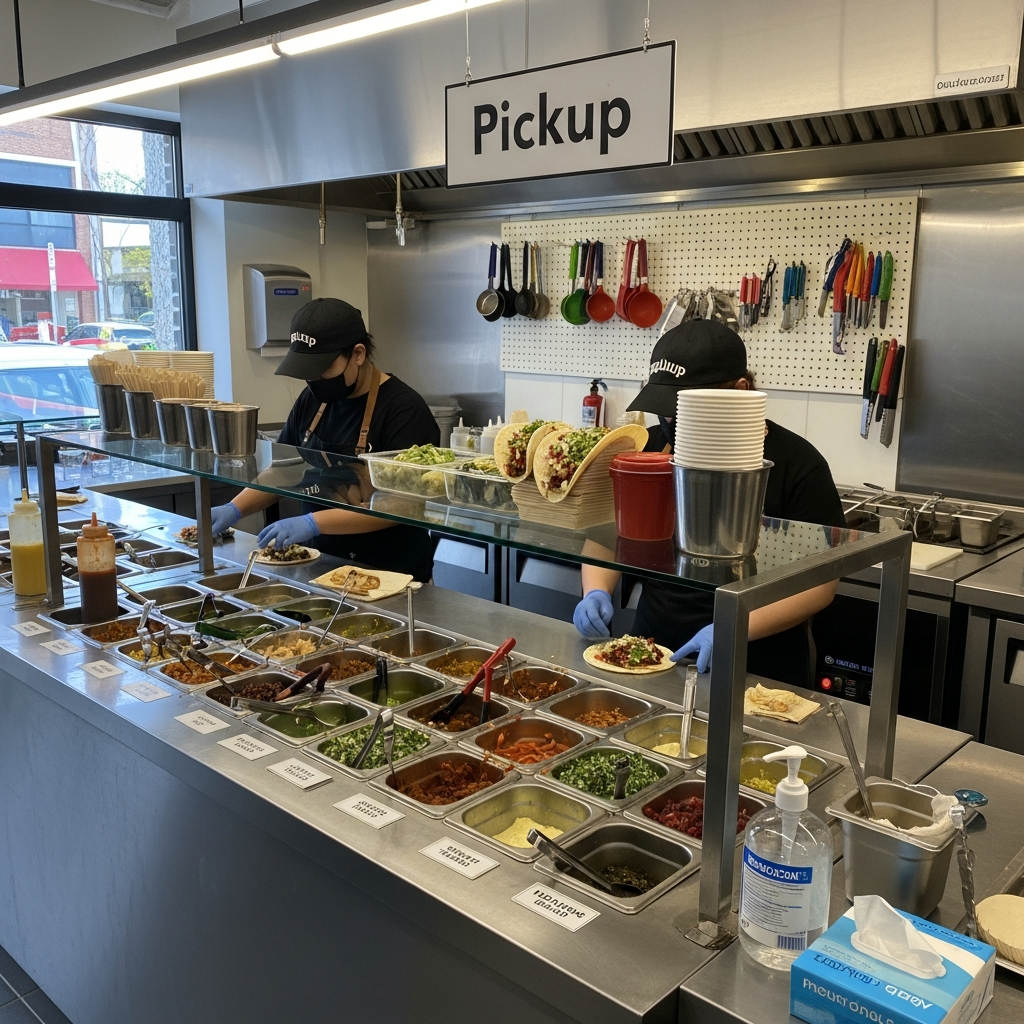
Every taqueria knows the surge: a dozen orders hit at once, the grill sings, and the line nudges toward the door. The challenge is speed without sloppiness. Locally, kitchens have improved flow by splitting stations—one cook whipping tortillas and warming fillings, another handling proteins to order, a third topping and finishing. Labeling mise en place with laser precision keeps the dance smooth so no hand reaches for the wrong salsa or garnish mid-rush.
Prepping smart without pre-cooking is another trick. Vegetables are washed, chopped, and seasoned in advance, but cooked to finish as tickets drop so texture stays lively. Beans and slow braises are held at safe temps, ready to portion, never mush. When the line moves, it’s because prep sets the stage for speed while protecting quality.
Parking, pickup, and the curbside shuffle
In busy corridors, parking can throttle a lunch rush. Taquerias here have made small moves with big impact: clear signage for quick pickups, staffers trained to spot repeat customers and stage orders near the door, and order-ahead windows that time food to land hot, not waiting. Some coordinate with neighboring businesses to share short-term spots or designate a loading zone during peak hours.
Guests help too. If you’re swinging by between errands, a quick text upon arrival or a note in your order about timing lets staff prioritize without sacrificing dine-in flow. These micro-collaborations shave minutes off peak crunches.
Menu sprawl versus efficiency
It’s tempting to offer everything under the sun, but long menus can slow kitchens and muddy identity. Naperville operators are learning to trim quietly—keeping core items always on and rotating seasonal specials that flex with supply. That balance protects speed while giving regulars reasons to explore. You’ll notice how toppings do double duty across different builds, which reduces waste and decision fatigue while keeping flavors fresh.
Another local strategy is batching flavors rather than dishes: master one salsa base, then finish batches differently—more lime here, a touch of roasted garlic there. This turns one prep into multiple distinct accompaniments without overloading staff.
Supply swings and the price of seasonality
Seasonal produce is a joy, but it also means variability. Savvy taquerias cultivate multiple suppliers and keep backup plans ready. If tomatillos run short, a roasted green tomato variation steps in; if a particular chili isn’t delivering on heat, the blend adjusts. Long-term relationships with regional purveyors provide a heads-up on what’s abundant, which helps plan specials that won’t bottleneck the line or blow up prep time.
Storage discipline underpins all of this. Clear FIFO systems, temperature logs, and daily visual checks catch issues before they hit the plate. It sounds unglamorous, but these quiet routines are the backbone of consistency.
Weather and the Naperville calendar
Midwest weather writes its own rules. Summer crowds mean patio moments and festival pop-ups; winter can thin foot traffic in a flash. Smart operators lean into comfort in cold months—slow-braised fillings, brothy add-ons, and pickled brightness—to keep meals craveable. They also work with delivery and online ordering to bridge days when the sidewalk feels unwelcoming.
During community events, the trick is scaling without slipping. Streamlined event menus, prepped garnishes in labeled containers, and a dedicated “runner” to refill the front line keep pop-ups humming. Guests feel the confidence and respond with lines that move and smiles that last.
Noise levels and hospitality
Small, lively spaces can get loud, and sound fatigue shortens visits. Locally, taquerias have experimented with simple fixes: softer surfaces that swallow clatter, background music tuned below the sizzle of the grill, and small design tweaks like felt pads under metal trays. A clear path for the line also reduces bottlenecks that spike volume when people congregate around the register.
Hospitality softens noise too. A warm greeting, a quick explanation of wait times, and the offer of a salsa sample buy goodwill even on hectic days. Guests leave with the impression of care, not chaos.
Allergens and cross-contact
Because many orders are built quickly at the line, avoiding cross-contact is a real challenge. The best local practices are simple and strict: color-coded utensils, dedicated prep boards, and a “call-out” system where a staffer announces an allergen-sensitive order so the whole team adjusts. Clear signage and confident answers at the register reassure guests before they commit.
Training turns policy into habit. Short refreshers before opening, hands-on demos for new staff, and an accessible allergen chart near the line are inexpensive steps that pay off in safety and loyalty.
Waste management and sustainability
Single-use items and food waste are headaches in fast-casual settings. Naperville taquerias have chipped away with composting partnerships, bulk purchasing that minimizes packaging, and creative upcycling of trim—roasted vegetable ends become stock for rice or a base for salsa macha; citrus rinds perfume syrups for aguas frescas. Clear portioning guides help prevent over-building tacos that look impressive but leave guests too full to finish.
Customers can pitch in by right-sizing their orders and asking for only the garnishes they’ll use. A small reminder at the register—“Want extra lime or salsa? Just ask”—cuts default over-portioning while keeping hospitality front and center.
Staffing, training, and retention
Fast, friendly service demands a team that’s both skilled and steady. Retention improves when roles are clear and growth is visible. Cross-training keeps rushes from derailing the day; a cook who can hop to the tortilla station or a cashier who can bag to-go orders smooths spikes. Regular, short tastings turn staff into advocates who can explain the difference between two salsas or steer a guest toward a seasonal special with genuine enthusiasm.
Celebrating small wins—a perfect rush handled, a great review mentioning a staffer by name—builds pride. In a town where word-of-mouth matters, that morale translates directly to guest experience.
Licensing, inspections, and the paper trail
Compliance isn’t glamorous, but it’s non-negotiable. Savvy operators maintain tidy logs: temperature checks, cleaning schedules, and sanitizer records posted where anyone can spot them. This visibility keeps teams honest and makes inspections smoother. The shops that do this best treat paperwork like mise en place—it’s part of the prep that ensures service goes right.
Communication with inspectors also helps. Proactively asking for feedback and clarifying best practices builds a collaborative rather than adversarial relationship, which pays dividends during busy seasons when guidance can prevent missteps.
Balancing dine-in warmth with takeout speed
The modern taqueria needs to serve two experiences at once. Naperville spots manage this by separating flows: a queue for quick pickup, a register for dine-in that invites questions and tastings, and packaging stations that live away from the main line to avoid traffic jams. Staging hot and cold items so they meet at the bag at the last possible second preserves quality on the road.
Communication is the glue. A simple “two minutes on your order; we’re crisping your tortillas fresh” keeps expectations aligned and customers smiling.
Community expectations and transparency
Locals are engaged and vocal—in the best way. They want to know what’s new, why an item’s off the board, and when their favorite salsa will return. Honest updates—on social media, on a chalkboard by the register, or via a quick word at pickup—convert potential frustration into understanding. If peppers were scarce this week, say so and share what’s delicious instead. People respond to candor and craftsmanship.
Transparency also builds patience during rushes. When guests can watch the grill or see tortillas warming to order, they connect the dots between process and wait time. That glimpse behind the curtain is its own kind of hospitality.
Frequently asked questions
How can taquerias speed up lunch without sacrificing quality?
Lean on smart prep—washed and seasoned vegetables ready to cook to order, clearly labeled garnishes, and split stations so cooks aren’t tripping over each other. Short menus with rotating specials also protect speed while keeping choices exciting.
What helps with parking and pickup bottlenecks?
Dedicated short-term spots, clear signage, and timed order-ahead windows keep curbside moving. Staging to-go orders near the door and training cashiers to triage arrivals shave crucial minutes at peak times.
How do shops handle allergens safely during a rush?
Color-coded tools, designated prep areas, and a verbal call-out of sensitive orders keep the team aligned. An accessible allergen chart at the line empowers staff to answer confidently and avoid mistakes.
What are effective ways to reduce waste?
Composting, upcycling trim into sauces or stocks, right-sized portion guides, and on-request garnishes all help. Staff briefings on waste goals make sustainability a shared responsibility rather than an afterthought.
How can a taqueria keep identity strong without an oversized menu?
Define a tight core of always-on favorites, then express creativity through seasonal specials and sauce variations. This gives regulars reliability and room to explore without burdening the line.
What’s the key to balancing dine-in hospitality with takeout volume?
Separate flows for ordering and pickup, stage packaging away from the main line, and keep communication clear. A quick status update turns waiting into anticipation rather than anxiety.
If you’re navigating these challenges or simply cheering on your neighborhood spot, remember that solutions are a team sport. Drop in with curiosity, share feedback kindly, and celebrate the craft you see in motion. Explore the menu, try a seasonal special, and help make Naperville’s taqueria scene smoother and stronger with every visit.