Stand at the counter of a great Naperville taqueria during the lunch rush and watch the choreography: tortillas warm, salsas glisten, and a team moves with the rhythm of a well-practiced song. That easy grace rests on invisible systems—quality controls and safety habits that protect every plate while preserving the spontaneity we love. Skimming the menu tells only part of the story; the rest is a quiet discipline built into opening checklists, temperature logs, and the pride of cooks who know that consistency keeps the community’s trust.
Over the years, I’ve toured kitchens and talked with Naperville owners about the nuts and bolts behind the scenes. The patterns are clear: attention to sourcing, sharp prep standards, sparkling hygiene, and staff training that never coasts. What follows is a look at the practical steps that keep a taqueria’s flavors bright and its guests safe, day after day.
Quality starts at the door: sourcing and receiving
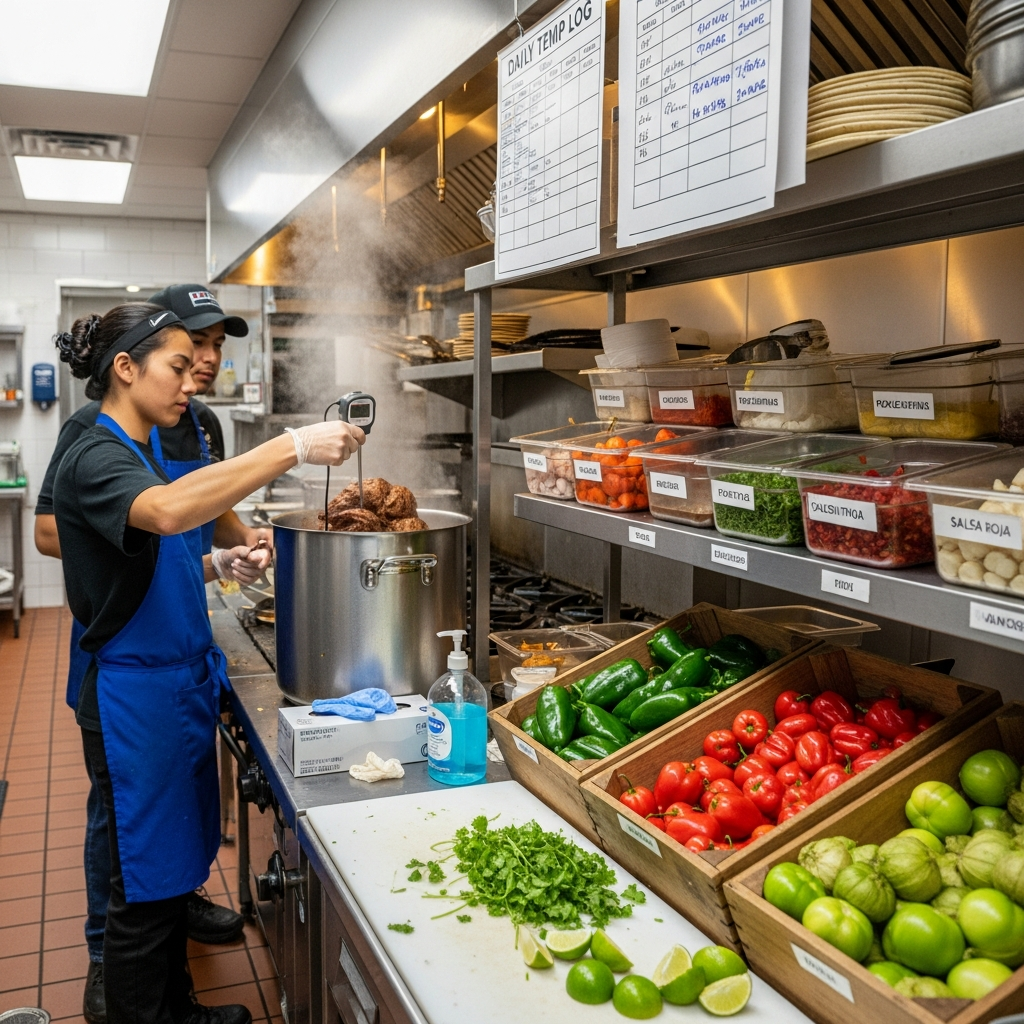
Excellence begins with what crosses the threshold. Reliable suppliers, clear specs, and vigilant receiving prevent half the problems that can derail service. Teams check produce for freshness and aroma, ensuring herbs are perky, peppers taut, and tomatoes fragrant. Proteins arrive at proper temperatures, verified by a quick probe and logged. Anything off is rejected without hesitation; the cost of a returned case is less than the cost of a bad shift—or worse, a safety incident.
Smart operators stagger deliveries to match prep cycles, reducing the temptation to over-prep. Smaller, more frequent drops keep ingredients lively and support a just-in-time rhythm that suits fast-casual service. Storage is mapped like a city grid, with clear zones for raw and ready-to-eat foods and an unequivocal commitment to FIFO rotation. Labels tell a story at a glance: date in, prep status, and staff initials for accountability.
Prep with purpose: texture, timing, and standardization
Preparation is where quality becomes repeatable. Vegetables are washed in cool, clean water, spun dry for food safety and better sear, then stored to protect crunch. Salsas rely on measured ratios—acid, heat, salt—so that the verde today tastes like the verde last week, with room for seasonal nuance. Chilies are roasted to a consistent color, onions rinsed to dial down harshness, and limes juiced to order when brightness is non-negotiable.
Proteins get their due attention. Marinades are scaled by weight, not guesswork, and rest times are enforced so flavors penetrate without turning textures mushy. Slow braises are cooled, portioned, and reheated under strict temperature guidelines to preserve juiciness and safety. Tortilla prep is treated like baking: controlled hydration, proper resting, and hot, clean surfaces that kiss each tortilla with just enough char.
The line as a safety engine
Service speed lives at the line, and so does a big slice of safety. Hot and cold wells are monitored with visible thermometers. Tongs and spoons are dedicated by station and color-coded to prevent cross-use. Staff wipe and swap utensils at set intervals, and sanitizer buckets are tested and logged. A tidy line is faster and safer; there’s a reason inspectors smile when they see calm stations in the middle of a rush.
Allergen awareness is operationalized, not improvised. An allergen chart lives within arm’s reach, and staff are trained to “pause and confirm” when a sensitive order is called. Fresh gloves, clean pans, and a cleared section of the line are standard responses. Guests feel the confidence and return with trust intact.
Temperature control: the quiet backbone
From receiving through service, temperature is the invisible hand that guards quality. Coolers hold steady, checked twice per shift and recorded. Hot items live above the danger zone with stirring and lid discipline to maintain even heat. Rapid chill protocols for braises—shallow pans, ice baths, and clear timers—protect texture and safety. Calibrated thermometers are as essential as knives; teams check them weekly against ice point standards and swap batteries on a schedule instead of waiting for failure.
Delivery and takeout add complexity. Packaging is chosen to maintain heat without steaming food into submission. Hot and cold items are staged to meet at the bag at the last possible moment, and drivers receive clear, legible labels so there’s no fishing around in a cooling bag while items lose their edge.
Cleaning that shows and cleaning that doesn’t
There’s the shine guests see—crumb-free counters, a sparkling salsa bar—and the deep clean that happens in the margins of the day. Openers sanitize high-touch surfaces before the first tortilla hits the plancha. Closers break down equipment, pull removable parts for sinks, and leave checklists signed and dated. Weekly, the team tackles “turnkey” tasks: behind-equipment scrubs, hood filters, and sanitizer station verification. A clean shop tastes better because flavors don’t have to fight residue or odors.
Waste stations are positioned so staff can sort quickly without backtracking. Compost and recycling partnerships, where available, keep the back-of-house organized and in sync with sustainability goals that many Naperville diners appreciate.
Training as culture
Training isn’t a one-and-done orientation; it’s the daily language of the shop. Brief huddles before opening cover specials, potential allergen issues, and any supply hiccups. New hires shadow, then perform with supervision, and cross-train so that no single absence cripples the line. Managers model calm and clarity during rushes—tone is contagious in a small space, and that emotional steadiness improves both safety and guest experience.
Tastings turn staff into storytellers. When a cashier can describe the difference between the two red salsas or a cook can explain why today’s onions taste sweeter, guests order smarter and more confidently. That knowledge also helps prevent errors; understanding why a step matters makes it easier to follow.
Documentation and inspections
Great taquerias treat documentation like mise en place for compliance. Temperature logs, sanitizer tests, allergen procedures—these live in binders or digital systems that are easy to access and update. When inspectors visit, transparency sets a collaborative tone. Questions become chances to sharpen practice rather than triggers for panic.
Self-audits between inspections catch drift before it becomes habit. A monthly walk-through with fresh eyes—checking labels, probing hot and cold wells, and verifying cleaning schedules—keeps standards high. The goal is consistency that feels second nature.
Consistency through recipes and ratios
Recipes do more than list ingredients; they define sensory targets. A good salsa recipe specifies the roast on tomatillos by color, not just time; a marinade notes aroma and feel, not just quantities. Teams learn to hit those marks, then adjust for produce variability while protecting the core profile. That blend of science and craft is what makes a taqueria beloved—it tastes like itself, day after day, season after season.
Scaling also matters. Doubling a recipe isn’t always linear; acid and heat can behave differently in larger volumes. Shops that document those adjustments spare themselves inconsistent batches and guest confusion.
Service design for dine-in and takeout
Quality can slip if the shop tries to run two restaurants in one without a plan. Smart layouts separate dine-in ordering from pickup flow and position bagging stations away from the main line. Tickets are batched and staged so food lands together—no lonely taco cooling while salsas wait. Staff call out steps—“warming tortillas,” “finishing with pico”—so the team moves as a unit.
Packaging is tested, not guessed at. The right container keeps a tortilla pliant, lets steam escape, and preserves crunch where it counts. Labels list what’s inside and where the salsas live so guests don’t have to open everything to find the verde while their tacos cool.
Guest communication and expectation setting
Quality feels higher when guests understand the craft. A brief wait is easier when you can watch tortillas warm or hear that mushrooms need another minute for proper sear. Clear signage about heat levels and allergen content reduces back-and-forth and prevents mistakes. When staff suggest pairings—“verde is bright today; try it on the fish”—orders land in the sweet spot more often.
Post-service feedback loops make the next shift better. A quick debrief after lunch rush—what sold out, what dragged, what guests loved—feeds tomorrow’s prep list and staffing plan. That incremental improvement is how excellence compounds.
Contingencies and resilience
Power blips, delivery delays, or a line out the door—resilience is a competitive edge. Backup coolers, battery checks for thermometers, and a printed playbook for service reroutes keep chaos at bay. If a key ingredient runs short, a pre-tested pivot (say, a green tomato salsa standing in for tomatillo) preserves both flavor and flow.
Staffing hiccups get the same treatment. Cross-training creates cushion, and a clear on-call policy means the line doesn’t buckle. Managers who pitch in where needed preserve morale and signal that standards matter more than titles.
Food safety as hospitality
Safety isn’t a backstage chore; it’s part of how guests feel cared for. The clean, organized salsa bar; the separate utensils; the confident, friendly answer to an allergen question—these details signal respect. When diners see precision, they relax and enjoy the food more fully. In a tight-knit city like Naperville, that comfort translates into loyalty and word-of-mouth trust.
Transparency cements that trust. If something’s off—a delayed delivery, a change in chilies—say so and offer a thoughtful alternative. Honesty ensures that a hiccup becomes an opportunity for connection rather than disappointment.
Frequently asked questions
How do taquerias keep tortillas consistent during rushes?
By treating tortillas like a craft product: controlling hydration, resting dough, maintaining even heat on the plancha, and assigning a dedicated “tortilla captain” during peak times to keep quality steady.
What’s the best practice for salsa safety and freshness?
Make in measured batches, label with time and date, keep cold until service, and refresh small containers often. Clear utensils for each salsa prevent cross-use, and a quick taste check each hour guards against drift.
How are allergens handled without slowing the line?
Teams use a call-out system for sensitive orders, swap gloves, clear a small section of the line, and use clean utensils and pans. An accessible allergen chart empowers staff to answer confidently and move quickly.
What’s the key to safe reheating of braised meats?
Cool quickly in shallow pans, store properly, and reheat to target temperatures with stirring to distribute heat evenly. Portions are kept reasonable so product doesn’t linger at the line longer than intended.
How do shops balance dine-in quality with takeout?
By staging hot and cold items to meet at the bag at the last moment, testing containers for steam management, and labeling clearly so guests assemble quickly at home without heat loss.
How can guests help maintain quality and safety?
Communicate dietary needs, pick up promptly when ordering ahead, and ask staff for pairing suggestions. The more you engage, the better the team can tailor your order and keep the line efficient.
If you value kitchens that move with grace because standards run deep, make it a point to support the places that sweat the details. Explore the menu, ask a question at the counter, and savor the confidence that comes from a meal built on craftsmanship and care in the heart of Naperville.