There is a particular kind of anticipation that builds as you walk along the Naperville Riverwalk toward dinner time, when the air cools and the conversation from patios and storefronts drifts over the water. In Naperville, we may be miles from the neighborhoods of Mexico City, Monterrey, and Jalisco, but the language of street-style tacos translates beautifully here. The griddles hiss, the comal warms stacks of corn tortillas, and the scent of charred peppers and seared beef hangs over the sidewalk. If you are searching for authentic tacos near you, the key is to tune in to those small details that locals recognize, because they reveal who is cooking with heart and tradition. Before you even glance at a plate, peek at the menu to see which classics anchor the kitchen’s identity, then let your senses do the rest.
Street-style tacos are about simplicity and soul, not excess. The puzzle is elegantly composed: a fresh tortilla, a focused filling, a restrained garnish, and a salsa that sings. In Naperville, authenticity thrives wherever a cook understands that balance. I often think about late evenings downtown after a performance at Wentz Concert Hall, when the flow of students, families, and friends spills onto Jefferson Avenue, and the glow from a taqueria window promises a quick plate before the last train. The best shops understand that speed never has to compromise craft. Tortillas come off the press soft and fragrant, meat rests just long enough to retain its juices, and onions and cilantro land like confetti right before a squeeze of lime.
What “street-style” means in Naperville
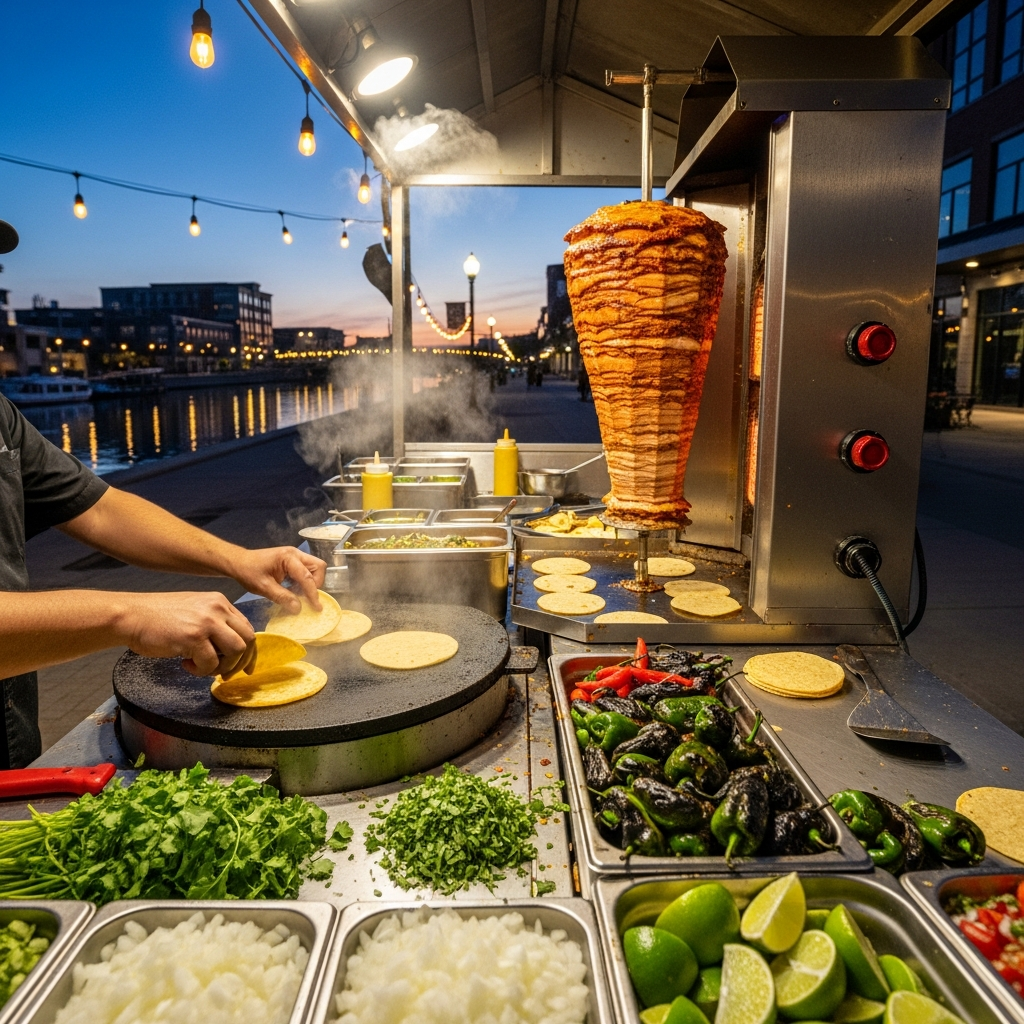
When we say street-style in this city, we are talking about a focused craft developed for fast service and deep satisfaction. Think of al pastor shaved from a spinning trompo, carne asada with a blistered edge from the plancha, and carnitas with delicate strands of pork pulled from a copper cauldron. Naperville’s taquerias may adapt to local rhythms, opening early for commuters and staying late for post-game crowds from the Nike Sports Complex, but their heart is unmistakably traditional. The tortilla should land in your hand warm enough to release steam, the cilantro should taste vibrant and peppery, and the salsa should speak clearly without numbing your palate. It is food made to be eaten standing at a counter, perched on a patio, or leaned over the table among friends, where conversation pauses just long enough for another bite.
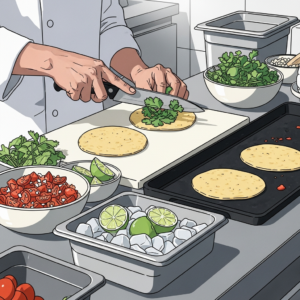
Authenticity is not a museum exhibit; it is living craft. A great example is how kitchens treat their tortillas. Some spots source excellent corn tortillas; others grind and press in-house. Either way, you can often spot the care by the visual cues: a faint char of toast on the surface, the soft give when folded, and the way it holds its shape under a juicy filling. On a weekend morning, I have watched cooks pat masa into rounds faster than my eyes could track, laying them on the comal until they puffed slightly, then stacking them like warm, edible coins. That aroma—corn, heat, and a hint of lime—makes a promise the fillings must keep.
Tortillas: the foundation you can taste
A proper street-style taco begins with a tortilla that participates, not merely carries. In Naperville, our better taquerias offer corn as the default, sometimes with an option for flour if you are craving a softer chew for particular fillings. But for al pastor, suadero, lengua, or barbacoa, I almost always reach for corn. If you see cooks pressing tortillas to order, you can expect a lightly toasty sweetness that marries with onions, cilantro, and a bright squeeze of lime. When the tortilla is right, you notice how it amplifies the meat’s seasoning rather than muting it, how it absorbs a trace of salsa without turning soggy, and how each bite finishes clean, ready for the next taco.
I often recommend a small experiment for friends who ask how to judge authenticity: take one taco and eat half of it without any salsa at all. The tortilla should bloom with warm corn flavor, the meat should speak of its marinade or braise, and the garnish should supply crunch and herbaceousness. Only then add a measured spoon of salsa, and notice how the balance shifts. In the best shops around town—from Route 59 to Chicago Avenue—that shift becomes a harmony rather than a shout, a chorus rather than a solo.
Salsas that tell a story
Salsa is more than heat; it’s memory, geography, and finesse. A clean salsa verde built on tomatillos and serrano should snap with acidity and bright green notes, perfect for carnitas or pollo asado. A smoky salsa roja that leans into guajillo or ancho peppers provides warmth and a touch of fruit, ideal for carne asada or suadero. Sometimes a taquera-style salsa blends chiles de árbol for a beautiful orange ember of heat, while a roasted chipotle salsa leans into a deeper, campfire profile. In Naperville, good taquerias let their salsas speak for themselves, offering tasting spoons or small cups so you can dial the intensity to your mood. And if there’s a crema-based option or a pico de gallo, treat those as accent notes, not the melody; the street taco melody is always tortilla, protein, and salsa, supported by cilantro and onion like a pair of faithful backup singers.
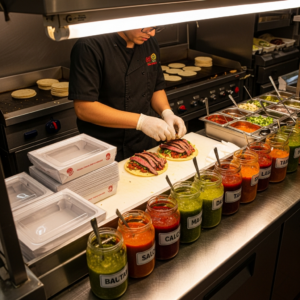
I appreciate places that hand you a small tray of sauces and treat that tray as a conversation starter. At a counter on Ogden Avenue, I watched a cook line up a verdant salsa cruda beside a fiery árbol blend and a dusky, roasted roja, then nod like a proud teacher. “Start with the green,” he told the customer, “then work your way left to right.” That kind of guidance fits Naperville well, where people love to learn and calibrate. And as any local knows, our tastes range widely, from those who want a mellow lunch between meetings to others seeking a late-night spark after a concert at the Yellow Box campus.
Meats that carry history
If tortillas are the foundation and salsa the color, then the meats are the architecture. Al pastor is one of the best indicators of a shop’s soul. It begins with thin slices of pork, marinated with chiles, spices, and often a whisper of pineapple, stacked on a vertical spit to form a trompo. The heat caramelizes the edges, and the taquero’s knife flicks off ribbons that tumble onto the waiting tortilla. A properly executed pastor taco will combine char, citrus, and spice in a way that feels both light and rich. Carne asada, meanwhile, must deliver a confident sear and a salt-forward crust without losing tenderness. Suadero, that silky cut between belly and leg, should shimmer with a beefy, stewed depth. Carnitas ought to alternate between delicate fibers and juicy morsels, with just enough edge crispness to catch a tiny crunch before melting away.
Naperville kitchens turn out thoughtful versions of these classics, mindful of our city’s pace. Lunch lines can be brisk near the corporate corridors off Diehl Road, and evening crowds gather steadily in the heart of downtown. Yet the better spots never neglect small nuances. You might notice the cook briefly returning your tortilla to the plancha after filling it, sealing warmth into the stack. Or you might catch the aroma of cumin blooming in oil before chopped steak hits the griddle. These sensory clues tell you that the shop cares about technique as much as throughput.
Beyond the basics: regional nods and seasonal touches
Authenticity can also mean honoring regional specialties. Birria, the slow-cooked beef or goat that has taken much of the country by storm, appears in Naperville with deep brick-red consomé and a satisfying richness that begs for a squeeze of lime and a flurry of cilantro. Barbacoa, melting and savory, pairs beautifully with a verdant salsa and a soft corn tortilla. Lengua, often misunderstood, arrives tender and mild, ready for a roasted salsa’s support. Even vegetarian fillings like rajas with corn and a dairy-free crema can coexist gracefully alongside the meat-heavy standards, making a taco run work for a full table of tastes. When summer ripens, you might find pico de gallo brightened by local tomatoes, or a salsa that leans into seasonal fruit for sweetness and heat.
While I am drawn to tradition, I applaud the subtle innovations that respect it. A drizzle of a house-made salsa macha sprinkled with sesame and crushed peanuts, a few coins of radish to cool the tongue, or a hint of pickled red onion to cut through richness—these are additions that feel right at home. What matters is proportion and restraint. In Naperville’s better taquerias, chefs set guardrails that keep the taco in balance, so the customer can play within them without tipping the whole composition over.
Where the locals go and why timing matters
Ask around at a weekend soccer field in south Naperville, and you will hear the same short list of kitchens mentioned with affection, because families rely on them for post-game refueling. Downtown regulars can tell you which places turn out a perfect carne asada around lunchtime and which are ideal for late-night al pastor after the Riverwalk stroll. Timing can alter your experience: show up just after the lunch rush and you may enjoy a quieter counter, with the cook free to chat about salsas. Arrive in the early evening and feel the buoyant energy of groups swapping plates and stories. For truly street-style vibes, I like those liminal hours when the day’s pace shifts—late afternoon when sunlight pours through big windows, or just past dusk when the kitchen hits its second wind.
One sign you are in the right place is the confidence with which the staff talks about their staples. If you ask about the difference between suadero and asada, they will light up. If you bring a friend who is new to street-style tacos, they will steer them gently toward a reliable starter—perhaps al pastor—then invite a second round that’s more adventurous. When service is bilingual, you also feel closer to the food’s roots, and in Naperville many teams move effortlessly between English and Spanish, making everyone feel welcome without fanfare. It’s hospitality that feels easy, not performative, and it goes a long way toward making a quick taco stop feel like a small celebration.
Of course, when you are deciding what to order, a steady hand helps. In the middle of the day, when texts are flying and teammates are voting by group chat, I often open the taco menu to map out a simple plan. Two tacos per person is a fine starting place if you are new; three if you know the appetite at your table. Mix meats to keep the flavors lively, and reserve judgment on heat until you have tasted the salsas on their own. If you are dining with kids, a mild carne asada with a swipe of avocado or a plain carnitas taco can be a friendly on-ramp. Street-style is at its best when it encourages curiosity rather than overwhelm.
Small rituals that enhance the experience
There are a few rituals I keep that make taco nights feel special. I taste the salsa with a fingertip or a chip before it touches a taco. I ask whether the tortillas can be doubled if a particular filling runs juicy—carnitas and barbacoa benefit from that extra support. I keep a lime wedge reserved for the final bite, because that last flash of brightness seals the memory. And I take a moment to look at the plate, to notice the color, the gloss, the tiny dots of grilled char on the meat. In Naperville’s better taquerias, those details are there for you if you pause to appreciate them.
Another quiet joy is sharing. Street-style tacos are naturally modular; they invite passing plates and small trades that turn dinner into a conversation. Someone discovers the salsa verde pairs better with suadero than with pastor, and the table nods in agreement. Someone else realizes that a pinch of radish resets the tongue better than a sip of water. Over time, your table develops a private language, a shorthand of preferences and signals that makes future visits smoother. In a city as socially active as Naperville—where book clubs, run clubs, and school events fill calendars—those shared habits become part of the community fabric.
Naperville context: neighborhoods and moods
It matters that our taco scene grows inside a city shaped by river paths, libraries, schools, and parks. On Friday nights in spring, you can hear cheers from baseball diamonds and see families detour downtown for tacos before heading home. On winter afternoons, downtown windows fog with warmth as shoppers tuck into plates that chase off the cold. Near 75th Street, weekday lunches build with a steady rhythm of regulars. Closer to Naper Boulevard, office clusters funnel in for efficient mid-day breaks. At each stop, the core experience remains: a quick plate that respects tradition, served by a team that treats you like a neighbor.
The authenticity of Naperville’s taco culture shows up in the crossover, too. You spot a cook you know from one place helping a friend at another during a festival weekend. You meet a server at the Farmers Market who recognizes your order and suggests trying a different salsa with your usual carne asada. That looseness—the way people and flavors move through the city—helps sustain quality. It means that knowledge circulates, standards stay high, and regulars keep returning because they feel the food evolving without losing its roots.
How to judge a great taco quickly
If you only have a minute to decide, look for these clues as you walk through the door. Do you see or smell tortillas warming on a comal? Does the meat sizzle on contact with hot metal, sending up a savory plume? Are salsas house-made and varied in color and texture? Is the garnish limited and confident rather than sprawling? Are the plates moving at an even clip without frantic shouting from the kitchen? When the answers lean yes, you have likely found a place that treats street-style with respect. Naperville may be filled with options, but excellence always advertises itself through small, consistent signals.
I am often asked whether authenticity must mean austerity, and I always answer no. It simply means proportion and intention. An extra salsa or a seasonal vegetable topping can live happily on a street-style taco when it has a reason to be there. The job of the cook is to set boundaries and welcome play. The job of the diner is to stay curious and present, to taste first and judge later, and to return often enough that the kitchen begins to know your favorites. Over time, this dialogue builds a relationship, and that relationship is what keeps a taco shop woven into a city’s daily life.
Frequently asked questions about street-style tacos in Naperville
What makes a taco “authentic” in the street-style sense? Authenticity means fidelity to the core structure—fresh tortilla, focused filling, restrained garnish, and a house salsa—executed with care. It is less about a rigid list of ingredients and more about balance, technique, and respect for tradition.
Should I choose corn or flour tortillas?
For most classic street-style fillings, corn is the traditional choice. It brings aroma and structure that pairs especially well with al pastor, barbacoa, and suadero. Flour can be wonderful for certain grilled meats or when you want a softer texture, but corn is where you will taste the heart of the form.
How spicy are the salsas at Naperville taquerias?
Heat levels vary widely, and the best approach is to taste first. Many spots offer a mild green salsa with bright acidity, a medium red with gentle warmth, and a hotter árbol-based blend for those who want a kick. Start small, then calibrate to your comfort.
Can I find good vegetarian or dairy-free tacos at street-style spots?
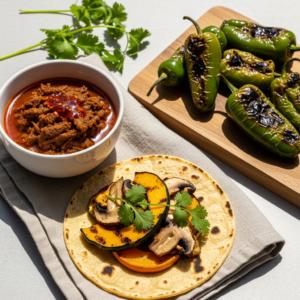
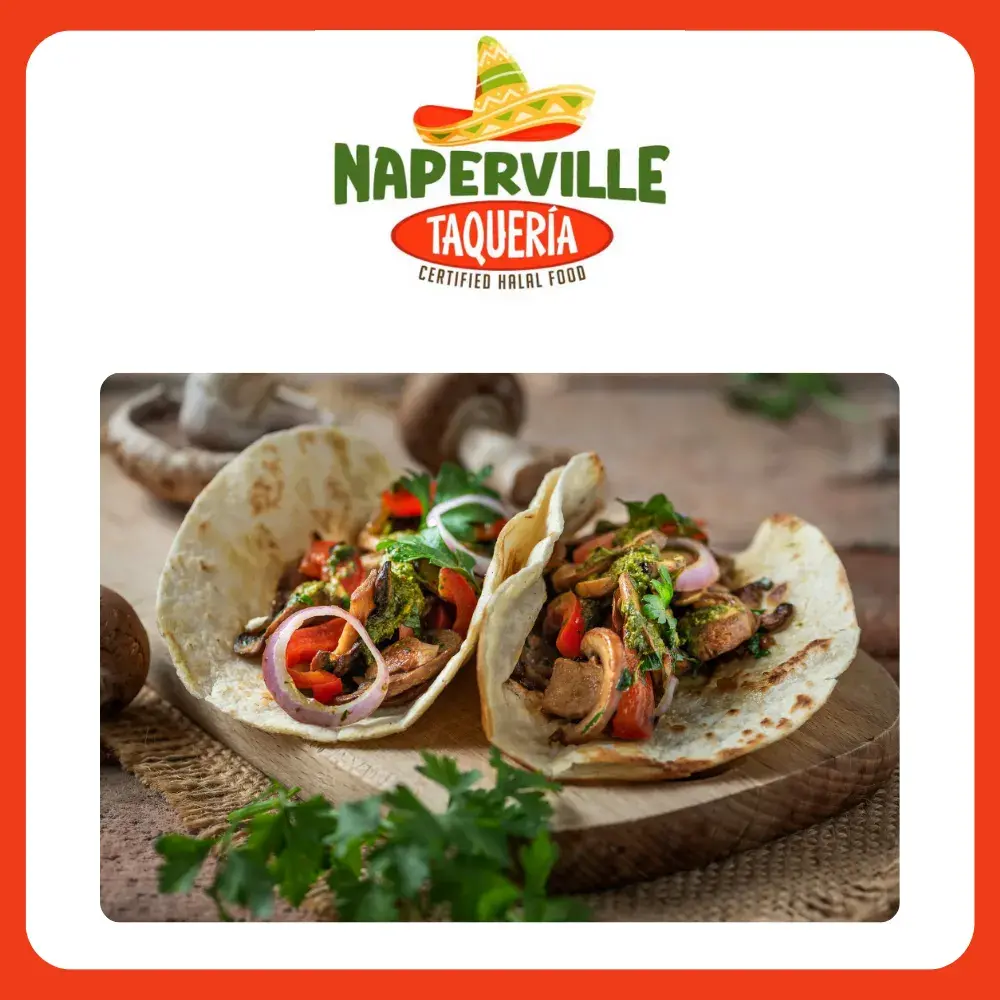
Yes. While meat leads many street-style menus, you can often find options like grilled mushrooms, rajas with corn, seasoned beans, or nopal that honor the same principles of balance and simplicity. Ask the staff about ingredients if you are avoiding dairy or other allergens; teams here are typically happy to guide you.
What is the ideal number of tacos per person?
That depends on appetite, but two to three street-style tacos make a satisfying meal for many diners. If you are sampling a range of fillings, start with two and add another based on how you feel. The beauty of street-style is that it scales easily for solo lunches or group tastings.
When is the best time to visit for the freshest experience?
Peak freshness often aligns with steady traffic, because ingredients move quickly through the kitchen. Lunchtime and early evening are reliable, but if you prefer a quieter visit with extra time to talk salsas, try the half hour after the rush subsides. In Naperville, that rhythm shifts a bit by neighborhood, but the principle holds citywide.
When you are ready to taste what makes our city’s street-style tacos so compelling, follow your curiosity and trust your senses. Let the hiss of the plancha guide you, the scent of roasted chiles welcome you, and the confidence of the staff reassure you that you are in good hands. And if you want a head start planning that first round, open the menu, choose a couple of favorites, and bring a friend along. Naperville rewards the taco lover who shows up hungry, asks a few questions, and returns often enough to become part of the story.